Speaking test #178
Part 1 · Interview
4 to 5 minutes. The examiner asks about you and familiar topics.
Can you tell me your full name?
Where are you from?
Do you work or are you a student?
Have you got lots of apps on your phone or tablet? [Why/Why not?
?] Yes, I have quite a few apps on my phone and tablet. I like to keep up with new technologies and try out new apps that can help me with my daily tasks or provide some entertainment. Plus, I find it convenient to have everything in one place instead of having to search for something on the internet all the time.
Do you have a favorite app? [Why/Why not?
?] Yes, I do have a favorite app. It's called "Evernote" and it's a great tool for organizing my notes and tasks. I use it on a daily basis and it really helps me keep track of everything I need to do. It's also really user-friendly and I can access it from any device, which makes it even more convenient.
How do you find out about different apps? [Why/Why not?
?] I usually find out about new apps through friends or online recommendations. I also like to browse the app store from time to time and see what's new or popular. Sometimes, I come across an app that looks interesting and I'll give it a try. It's a great way to discover new things and see if they can be useful for me.
Have you downloaded any new apps recently? [Why/Why not?
?] Yes, I have downloaded a few new apps recently. One of them is a language learning app called "Duolingo" which I'm using to brush up on my Spanish. I'm also trying out a meditation app called "Headspace" which has been recommended to me by a friend. I'm always open to trying out new things and seeing if they can help improve my life in some way.
What kinds of things do you have to bring when you go out?
Oh, well, it really depends on where I'm going and what I'll be doing. But generally speaking, I always make sure to have my phone, wallet, and keys with me. If I'm heading to work or school, I'll also grab my laptop or notebook. And if I'm going out for a day trip or something, I'll pack a water bottle and snacks.
Did you ever forget to bring something?
Yeah, absolutely. I'm definitely guilty of being forgetful sometimes. I've forgotten my phone or my keys at home before, and it's always a hassle to have to go back and get them. I've also forgotten my headphones or charger when I'm traveling, which can be a bit of a bummer.
How do you remind yourself?
I usually make a checklist of things that I need to bring with me before I leave the house. I'll put it on my phone or on a piece of paper, and I'll go through it before I head out the door. That way, I can make sure that I have everything I need before I leave.
Do you carry different things in the morning and the evening?
Not really. The things I need to bring with me are pretty consistent, no matter what time of day it is. Of course, if I'm going out for a night out or something, I might grab a different bag or bring a jacket, but for the most part, the essentials stay the same.
You will have to talk about the topic for one to two minutes. You have one minute to think about what you are going to say. You can make some notes to help you if you wish.
Describe something you have always wanted to buy
You should say:
- What is the item you have always wanted to buy
- How long have you wanted to buy it
- Why do you want to buy it
- How would you feel if you finally bought it
What is the item you have always wanted to buy
I would like to talk about a high-quality DSLR camera that I have always wanted to buy. This desire has been with me for as long as I can remember, dating back to my teenage years. The idea of owning a professional camera has always fascinated me due to my passion for photography and capturing special moments. The thought of being able to create stunning images and tell compelling stories through photography motivates me to save up for this purchase.
How long have you wanted to buy it
The reason I am keen on acquiring a DSLR camera is the potential it holds to enhance my skills and creativity in photography. I believe that owning this advanced tool will enable me to explore different aspects of photography such as landscape, portrait, and macro photography. Moreover, having a DSLR camera will allow me to experiment with various settings and techniques, thereby improving my photography skills significantly.
Why do you want to buy it
If I were to finally buy the DSLR camera I have always wanted, I would undoubtedly experience a mix of excitement and fulfillment. The feeling of holding this long-desired item in my hands and knowing that I can now pursue my passion for photography more effectively would bring immense joy. It would mark a significant milestone in my journey as a photographer and open up new possibilities for me to express my creativity.
How would you feel if you finally bought it
In conclusion, the DSLR camera is an item that has captured my interest for years, and owning it would not only fulfill a long-standing dream but also provide me with the tools to further develop my photography skills. The thought of finally purchasing this camera fills me with anticipation and eagerness to embark on a new chapter in my photography journey.
- Words
- 281
- Sentences
- 12
- Words per sentence
- 23.4
- Speaking time
- about 2.2 min
Counted at 130 words a minute. The exam gives you one to two minutes.
Part 3 · Discussion
4 to 5 minutes. The examiner asks broader questions linked to the cue card topic.
How do people's desires for material things vary in different cultures?
Aspirations for material possessions can vary significantly across cultures, often reflecting deeper values and priorities. In some cultures, particularly in Western societies, there tends to be a strong emphasis on individualism and personal achievement, leading to a desire for luxury items and brand names that symbolize success. Conversely, in many Eastern cultures, the focus might be more on communal well-being and practicality, where material possessions are valued for their utility and ability to support family and community rather than for personal status. Additionally, in some cultures, traditional values may still hold sway, leading to aspirations that prioritize experiences or relationships over material wealth. For instance, in many indigenous cultures, the significance of land and community is paramount, and material possessions are often viewed through the lens of sustainability and stewardship rather than consumerism. Overall, these differences highlight how deeply cultural contexts shape our desires and definitions of success, making the global landscape of aspirations both fascinating and diverse.
Some people think that wanting luxury things is too much, while others see it as okay. What do you think about this view?
I think this is a fascinating debate! On one hand, the desire to own luxury items can be seen as superficial or unnecessary, especially when so many people are struggling to meet their basic needs. However, there’s also a case to be made for the idea that luxury goods can provide a sense of achievement and self-expression for those who can afford them. After all, if someone works hard and rewards themselves with something special, it can be a powerful motivation. Ultimately, it boils down to individual values and circumstances; what may seem excessive to one person could be a well-deserved indulgence for another.
How important is it for people to achieve their long-term goals for their happiness?
Fulfilling long-term desires plays a crucial role in personal happiness, as it often provides a sense of purpose and direction in life. When individuals pursue what they are truly passionate about, they tend to experience a deep sense of fulfillment and satisfaction. This is because achieving long-term goals typically requires dedication, perseverance, and a clear vision, which can enhance one's self-esteem and overall well-being. Moreover, the journey towards these aspirations often fosters personal growth and resilience, making individuals more adaptable to life's challenges. In essence, when we align our lives with our long-term desires, we create a more meaningful existence that significantly contributes to our happiness.
Why do you think people often get really attached to certain things they want to buy?
People often develop strong attachments to specific items they wish to purchase because these items can evoke a sense of nostalgia or personal significance. For example, a particular brand of shoes might remind someone of a cherished memory, like a family gathering or an unforgettable trip. Additionally, the emotional connection that comes from owning something unique or rare can create a feeling of personal identity, as if that item represents a part of who they are. Furthermore, in a world where consumerism is rampant, many individuals find comfort in material possessions as a way to express their values or aspirations. Ultimately, these attachments can be deeply rooted in our emotions, making it challenging to let go of certain items.
How could social trends affect what people feel they need to buy in the future?
Societal trends have a profound impact on consumer behavior, and I anticipate that this will only intensify in the future. For instance, as sustainability becomes a central theme in public discourse, people will increasingly feel compelled to purchase eco-friendly products. This trend will likely lead to a surge in demand for green technologies and ethical brands, as consumers seek to align their purchases with their values. Additionally, the rise of social media influencers has already shaped buying habits, and I can see this evolving into a culture where certain products become status symbols, driven by popularity rather than necessity. Ultimately, as society continues to evolve, so too will the motivations behind our purchases, making it an exciting time for both consumers and businesses alike.
What steps can be taken to help people make more thoughtful buying choices about their wants?
To foster more mindful purchasing decisions, individuals can benefit from a combination of education and self-reflection. Firstly, implementing programs that focus on financial literacy can empower consumers to understand the long-term impact of their spending habits. These programs could include workshops that teach people how to budget effectively and distinguish between needs and wants. Secondly, encouraging a culture of sustainable consumption can shift perspectives; when individuals recognize the environmental and social implications of their purchases, they may become more thoughtful in their choices. Finally, utilizing technology, such as apps that track spending and suggest alternatives, can provide a practical framework for mindful shopping, making it easier for individuals to align their desires with their values.
Go further with the books
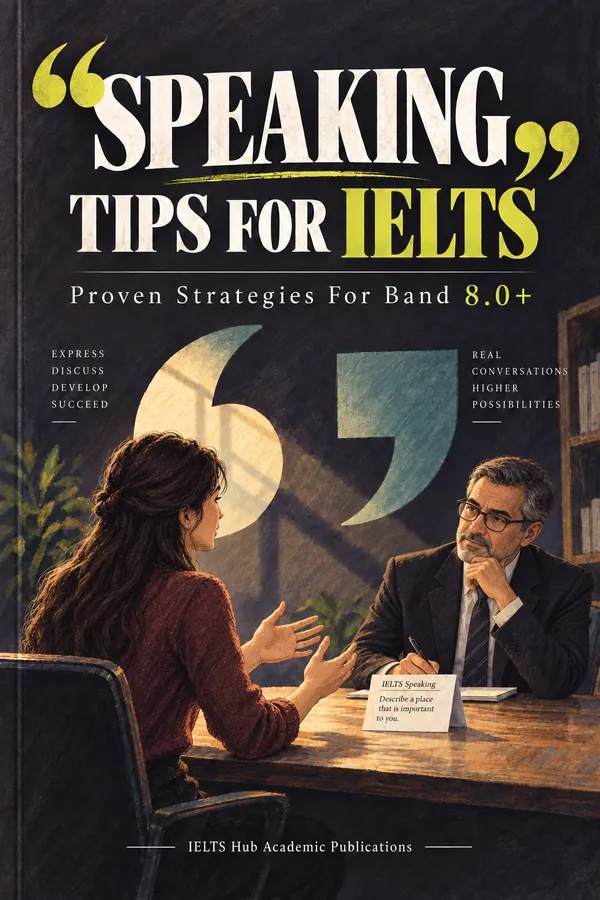
Speaking
Speaking Tips for IELTS
Proven Strategies for Band 8.0+
₹299$9.99CAD 13.99AUD 14.99£7.99NZD 16.99€8.99AED 39SGD 12.99
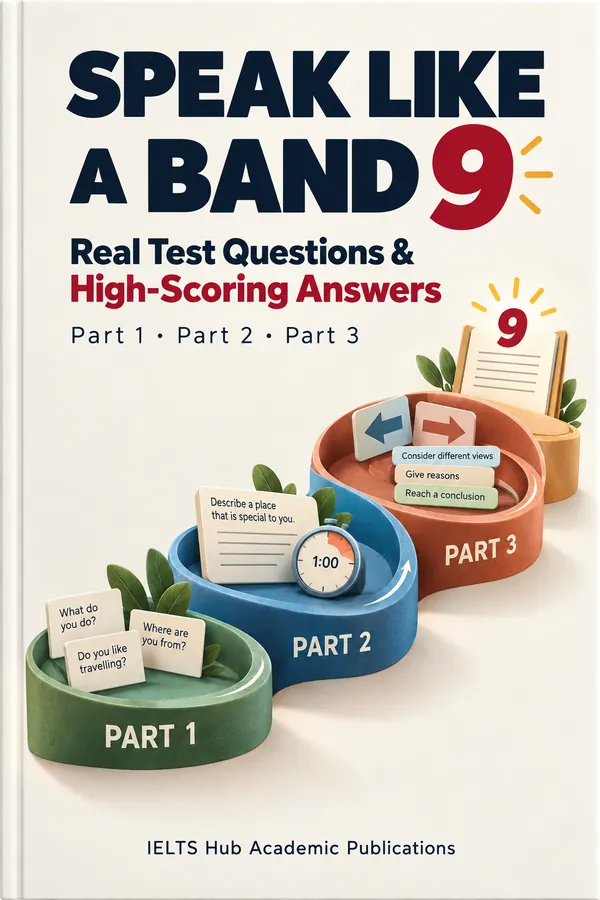
Speaking
Speak Like a Band 9
Real Test Questions & High-Scoring Answers
₹299$9.99CAD 13.99AUD 14.99£7.99NZD 16.99€8.99AED 39SGD 12.99

Speaking
Band 7+ Speaking Expressions
300 natural expressions for fluent, flexible speaking
₹199$6.99CAD 8.99AUD 9.99£4.99NZD 10.99€5.99AED 24SGD 8.99