Speaking test #179
Part 1 · Interview
4 to 5 minutes. The examiner asks about you and familiar topics.
Can you tell me your full name?
Where are you from?
Do you work or are you a student?
Do you have many close friends?
Absolutely, I'm quite blessed to have a pretty tight-knit group of buddies that I hold dear to my heart.
What do you usually do with your friends?
We're pretty adventurous and love to explore new places, whether it be a hike up a mountain or trying out a new restaurant in town. But we also enjoy some good old-fashioned hangouts at home, like movie nights or game nights.
Are you still friends with your friends from primary school?
Interestingly enough, I am still in touch with a handful of folks from my primary school days. It's always a blast catching up with them and reminiscing about old times.
Do you like chatting with your friends online?
Absolutely, I think the internet has made it so much easier to keep in touch with people, even if they're oceans away. It's great to have the ability to pop in and chat with friends anytime, anywhere.
Do you like eating vegetables?
Definitely, I am a huge fan of vegetables. I find them to be incredibly nutritious and flavorful, and I believe they play a vital role in maintaining a healthy diet.
Should we eat vegetables all day?
While it is certainly beneficial to incorporate a variety of vegetables into our diet, I don't think it is necessary or even practical to eat vegetables all day. A balanced diet that includes a variety of fruits, vegetables, protein, and carbohydrates is the key to maintaining good health.
What are the benefits of eating vegetables?
There are many benefits to eating vegetables. They are rich in vitamins, minerals, and antioxidants, which help to protect our bodies from disease and promote overall health. They also provide fiber, which helps to keep our digestion regular and can help to lower our risk of heart disease. Additionally, many vegetables are low in calories, making them an excellent choice for weight management.
Is there any special fruit in your hometown?
Yes, there is a special fruit in my hometown that is quite popular. It is called "mangosteen," and it is a tropical fruit that is known for its sweet and tangy taste. It is also said to have many health benefits, such as being high in antioxidants and helping to boost the immune system. It is a favorite among locals and can be found in many local markets.
You will have to talk about the topic for one to two minutes. You have one minute to think about what you are going to say. You can make some notes to help you if you wish.
An important conversation you had in the past
You should say:
- Who you had the conversation with
- What the conversation was about
- Why it was important
- How it impacted you or the other person
Who you had the conversation with
One of the most significant conversations I had in the past was with my grandfather, whom I deeply admire and respect. The conversation revolved around his life experiences during the partition of India in 1947. He vividly narrated the challenges he faced and the sacrifices he made during that tumultuous period, which left a lasting impact on me.
What the conversation was about
This conversation was particularly important as it provided me with a profound insight into a historical event that significantly shaped the lives of countless individuals in our country. Through my grandfather's narrative, I gained a deeper understanding of the struggles and resilience of those who lived through such turbulent times, instilling in me a sense of gratitude for the peace and stability we enjoy today.
Why it was important
The conversation with my grandfather not only enriched my knowledge of history but also strengthened the bond between us. It allowed me to connect with him on a deeper level, fostering a sense of empathy and admiration for his strength and resilience in the face of adversity. Moreover, his recount of the past inspired me to value the importance of unity, peace, and harmony in today's world.
How it impacted you or the other person
In retrospect, this conversation with my grandfather left a profound impact on me, shaping my perspective on history, resilience, and gratitude. It instilled in me a sense of appreciation for the sacrifices made by previous generations and the importance of preserving our cultural heritage. Overall, this conversation was a poignant reminder of the power of storytelling in passing down wisdom and lessons from one generation to the next.
- Words
- 258
- Sentences
- 11
- Words per sentence
- 23.5
- Speaking time
- about 2.0 min
Counted at 130 words a minute. The exam gives you one to two minutes.
Part 3 · Discussion
4 to 5 minutes. The examiner asks broader questions linked to the cue card topic.
What makes important conversations different from regular chats people have?
Conversations with significant impact often carry a weight that everyday discussions usually lack. For instance, when you’re engaged in a conversation that might change the course of your life—like discussing a job offer or a relationship decision—there's a palpable sense of urgency and gravity in the air. These discussions tend to delve deeper, exploring emotions, values, and aspirations, whereas everyday chats might revolve around lighter topics like the weather or weekend plans. Additionally, impactful conversations often require active listening and a genuine exchange of ideas, which can lead to a more profound understanding between the parties involved. Ultimately, while both types of conversations are valuable, the former can lead to significant personal growth or change, making them particularly memorable.
How can people differ in how they handle important talks?
Individuals can vary significantly in their approach to important conversations, largely influenced by their personality traits and cultural backgrounds. For instance, some people may adopt a more direct communication style, preferring to address issues head-on, while others might take a more diplomatic approach, seeking to navigate sensitivity and avoid confrontation. Additionally, emotional intelligence plays a crucial role; those who are more empathetic often tailor their conversations to consider the feelings of others, whereas others may focus more on the factual aspects of the discussion. Moreover, the context of the conversation—such as whether it's personal or professional—can also dictate how individuals express themselves and engage with the other person. Ultimately, these diverse approaches can lead to either fruitful dialogues or, in some cases, misunderstandings, depending on how well they align.
How do you think important talks help with personal growth and relationships?
Important conversations are absolutely pivotal in both personal development and the nurturing of relationships. They serve as a catalyst for self-reflection, allowing individuals to articulate their thoughts and feelings, which in turn fosters emotional intelligence. In relationships, these dialogues help build trust and understanding, creating a safe environment where both parties feel valued and heard. Moreover, engaging in meaningful discussions can challenge our perspectives, encouraging us to step outside our comfort zones and embrace new ideas. Ultimately, it's through these interactions that we grow not only as individuals but also as connected members of society.
Why do some people have a hard time having meaningful talks?
Some people struggle with engaging in meaningful conversations for several reasons. One significant factor is the fear of vulnerability; opening up about personal feelings or thoughts can be daunting, especially if they’re not used to sharing. Additionally, many individuals might lack the social skills necessary to navigate deeper topics, often sticking to safe, surface-level discussions instead. There's also the issue of technology—people have become accustomed to communicating through screens, which can hinder their ability to engage genuinely face-to-face. Ultimately, it's a mix of personal discomfort and changing communication habits that makes meaningful dialogue a challenge for some.
How could important talks change in the future as society develops?
That's a fascinating question! As society evolves, I think we might see a shift towards more collaborative and inclusive conversations, driven by advancements in technology and communication. For instance, with the rise of digital platforms, it's likely that discussions will become more global, allowing diverse perspectives to be shared instantaneously. This could enhance our understanding of different cultures and foster greater empathy among people. Additionally, as awareness of mental health increases, conversations may become more emotionally intelligent, focusing on well-being and support rather than purely transactional exchanges. Overall, I believe these changes could lead to a richer tapestry of dialogue, making our interactions more meaningful and impactful.
What ways can people use to make their important talks more effective?
To enhance the effectiveness of important conversations, individuals can adopt a few key strategies. Firstly, active listening is crucial; it allows one to fully engage with the speaker and understand their perspective. By demonstrating genuine interest through nodding and asking clarifying questions, you can create a more collaborative atmosphere. Secondly, being clear and concise in your own communication helps to prevent misunderstandings. It’s also beneficial to prepare in advance—having a clear idea of the main points you want to convey can make a significant difference. Lastly, maintaining a positive body language can help foster a sense of trust and openness, making the conversation more productive overall.
Go further with the books
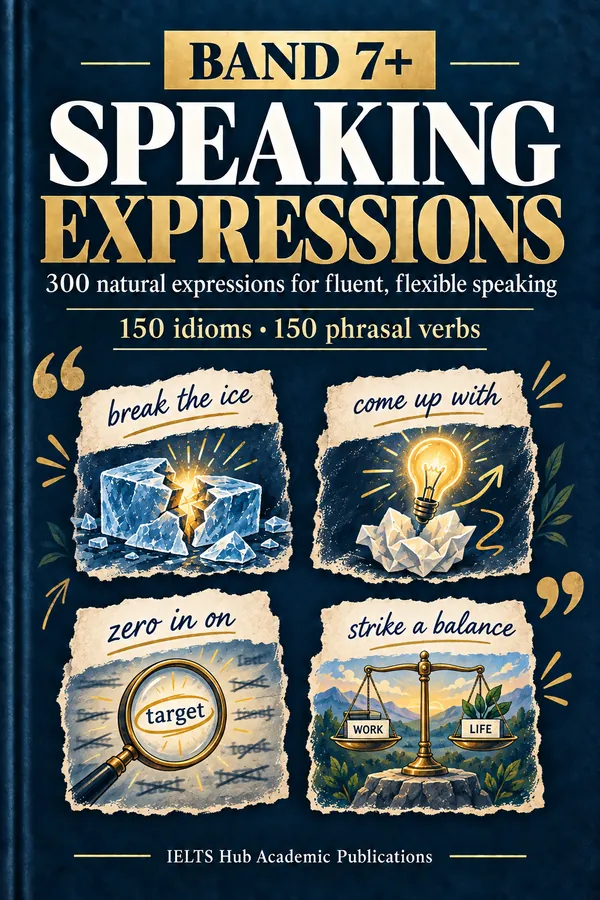
Speaking
Band 7+ Speaking Expressions
300 natural expressions for fluent, flexible speaking
₹199$6.99CAD 8.99AUD 9.99£4.99NZD 10.99€5.99AED 24SGD 8.99
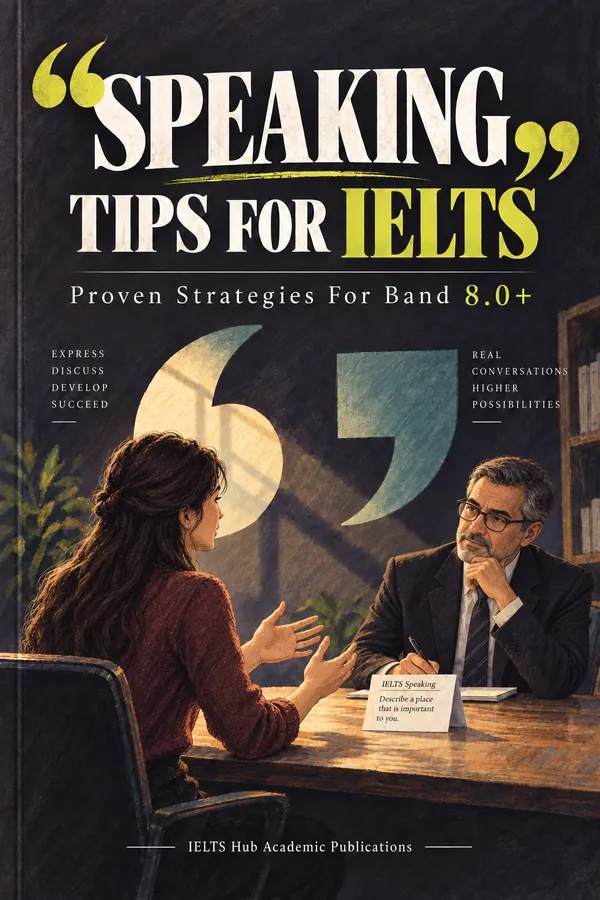
Speaking
Speaking Tips for IELTS
Proven Strategies for Band 8.0+
₹299$9.99CAD 13.99AUD 14.99£7.99NZD 16.99€8.99AED 39SGD 12.99
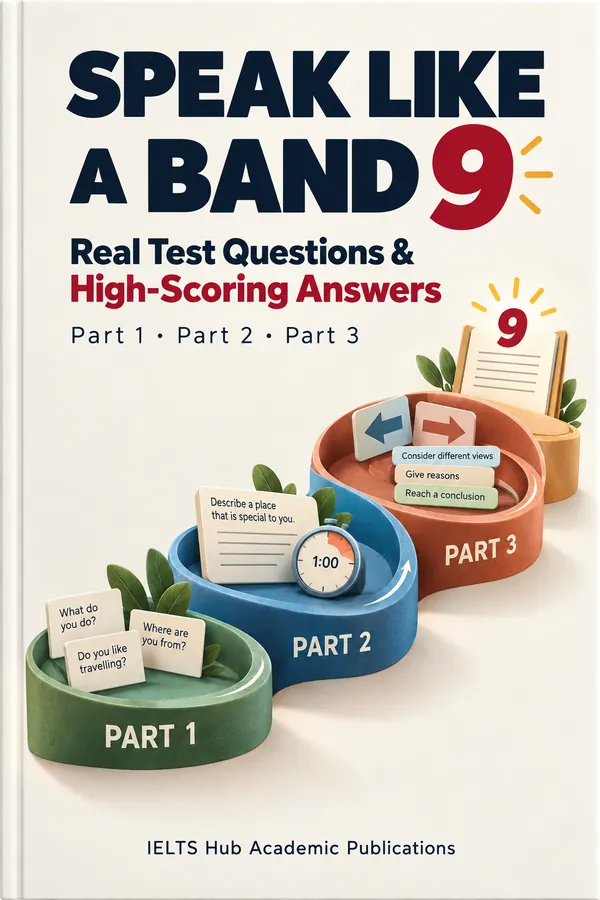
Speaking
Speak Like a Band 9
Real Test Questions & High-Scoring Answers
₹299$9.99CAD 13.99AUD 14.99£7.99NZD 16.99€8.99AED 39SGD 12.99