Speaking test #182
Part 1 · Interview
4 to 5 minutes. The examiner asks about you and familiar topics.
Can you tell me your full name?
Where are you from?
Do you work or are you a student?
Do you like geography?
I absolutely adore geography. I find it fascinating to study the Earth's physical features, climate, and human interactions with the environment. Understanding how our planet functions as a whole is crucial for us as a society, and I find it endlessly intriguing.
Have you ever studied geography at school?
Yes, I have studied geography at school. I found it to be a very engaging and informative subject. My teachers taught us about various topics such as plate tectonics, the water cycle, and landforms, which I found very interesting. It helped me understand the world around me better.
Are you good at reading maps?
I would say I am quite skilled at reading maps. I have always had an interest in cartography and have spent a lot of time studying maps in my spare time. I am quite familiar with using different types of maps such as topographic, road, and satellite maps. I find it easy to orient myself and navigate using maps.
Would you visit a country because of its geographical location?
Yes, I would definitely consider visiting a country because of its geographical location. I think that the location of a country can play a big role in its culture, climate, and overall atmosphere. For example, if I were to find a country that is located in a tropical area and surrounded by mountains, I would be very intrigued to visit. The unique combination of a tropical climate and mountainous terrain would make for an exciting and unique trip.
Have you ever got lost when you visited a new place? [Why/Why not?
?] Yes, I have definitely gotten lost when I visited a new place before. I think it's easy to get turned around and disoriented in unfamiliar surroundings, especially if you're not familiar with the layout or the language.
Do you find it difficult to get to new places without using a map? [Why/Why not?
?] I would say that I find it somewhat difficult to get to new places without using a map, as it can be hard to orient oneself and figure out which direction to go in. However, if I have a sense of the general area and some basic landmarks, I can usually figure it out.
How do you feel when you get lost somewhere? [Why/Why not?
?] When I get lost somewhere, I usually feel a bit anxious and stressed. Being lost can be disorienting and it can be hard to figure out where to go or what to do next. However, I also try to keep a sense of perspective and remind myself that it's all part of the adventure of exploring new places.
Would you stop to help somebody who was lost? [Why/Why not?
?] Of course I would stop to help somebody who was lost. I believe that helping others is a fundamental part of being a good person, and I would want someone to do the same for me if I were lost. Furthermore, I am confident that I can help someone to get back on track, by providing them with clear direction and guidance.
You will have to talk about the topic for one to two minutes. You have one minute to think about what you are going to say. You can make some notes to help you if you wish.
Something you or someone you know collects
You should say:
- What is being collected
- How the collection started
- How the collection is maintained
- The significance of the collection
What is being collected
I'd like to talk about my grandmother's collection of vintage sarees, which is truly remarkable and holds a special place in our family. Her passion for collecting these traditional Indian garments began many years ago when she inherited a few exquisite sarees from her own mother. These heirlooms sparked her interest in exploring different styles, fabrics, and designs of sarees from various regions of India.
How the collection started
Maintaining her collection involves meticulous care and attention to detail. She regularly checks each saree for any signs of damage, such as moth holes or discoloration, and takes them to professional cleaners for preservation. Additionally, she stores them in a dedicated closet with proper ventilation and protection from sunlight to ensure they remain in pristine condition for years to come.
How the collection is maintained
The collection of vintage sarees holds immense significance for my grandmother as it symbolizes her connection to our cultural heritage and serves as a source of nostalgia for her. Each saree has a story behind it, whether it was worn during a special occasion or passed down through generations, making them not just pieces of fabric but cherished memories woven into the fabric of our family history.
The significance of the collection
Overall, my grandmother's collection of vintage sarees is a testament to her love for tradition, beauty, and craftsmanship. It not only showcases the rich diversity of Indian textiles but also serves as a tangible link to our past, reminding us of the enduring legacy of our ancestors and the timeless elegance of this iconic attire.
- Words
- 247
- Sentences
- 10
- Words per sentence
- 24.7
- Speaking time
- about 1.9 min
Counted at 130 words a minute. The exam gives you one to two minutes.
Part 3 · Discussion
4 to 5 minutes. The examiner asks broader questions linked to the cue card topic.
How is collecting things different for various generations?
That's a fascinating question! The act of collecting items has certainly evolved over the years, largely due to technological advancements and cultural shifts. For instance, older generations often collected physical items like stamps, coins, or vinyl records, which were not only tangible but also carried a sense of nostalgia and history. In contrast, younger generations tend to gravitate towards digital collections, such as virtual trading cards or rare in-game items, which allows for a broader and more accessible experience. Additionally, while past collectors might have focused on the value or rarity of their items, today's collectors often emphasize the emotional connection or the community aspect of collecting, sharing their passions online and connecting with like-minded individuals. Overall, it's interesting to see how the motivations and methods of collecting have transformed, reflecting broader societal changes.
How much do people feel connected to their collections?
People often feel a profound sense of attachment to their collections, and this connection can vary greatly depending on the nature of the items. For many, collections serve as a tangible representation of their passions or interests, whether it’s stamps, coins, or even vintage toys. This emotional bond can be reinforced by the stories behind each piece, making the collection not just a hobby but a cherished part of their identity. Additionally, for some individuals, collecting can be a way to preserve memories or maintain a link to their past, further deepening their attachment. Ultimately, the extent of this attachment is often influenced by personal experiences and the significance each item holds for the collector.
How do collections influence a person's identity or interests?
Collections can play a fascinating role in shaping a person's identity and interests. For many, collecting items—whether it's stamps, coins, or even vinyl records—becomes a form of self-expression. It often reflects their personal values and passions, allowing them to connect with like-minded individuals who share similar interests. Moreover, the process of curating a collection can cultivate a sense of purpose and belonging, as collectors often invest time and energy in acquiring pieces that resonate with their life experiences. In essence, collections not only serve as a mirror to one's identity but also as a bridge to a vibrant community of enthusiasts.
Why do you think some people enjoy collecting as a satisfying hobby?
Collecting can be an incredibly fulfilling hobby for several reasons. Firstly, it offers a sense of accomplishment as individuals work towards completing their collections, whether it's rare stamps, vintage toys, or even coins. This pursuit can create a deep emotional connection to the items, making each piece feel like a treasured possession. Moreover, collecting often fosters a sense of community; enthusiasts frequently connect with others who share similar interests, which can lead to lasting friendships and engaging discussions. Ultimately, the thrill of the hunt and the joy of discovery make collecting not just a pastime, but a deeply enriching experience.
How could collecting change in the future as technology improves?
The trend of collecting is likely to undergo some fascinating transformations as technology continues to advance. For instance, with the rise of digital collectibles like NFTs, people can now own and trade unique digital items, which opens up a whole new realm of possibilities for collectors. Additionally, technologies such as augmented reality could allow enthusiasts to create immersive experiences where they can display their collections in virtual spaces, enhancing their enjoyment and interaction with the items. Furthermore, as artificial intelligence becomes more sophisticated, it may assist collectors in evaluating the value of their items, predicting market trends, and even curating personalized collections based on individual tastes. Overall, I believe these advancements will make collecting even more accessible and engaging for enthusiasts around the globe!
What steps can be taken to get more people to begin collecting valuable items?
To encourage more people to start collecting meaningful items, I believe we could implement a few engaging strategies. First and foremost, hosting community events or workshops could spark interest; these could showcase various collections and the stories behind them, making the idea of collecting more appealing. Additionally, using social media platforms to highlight unique collections can create a sense of community among collectors and inspire others to join in. Lastly, educational programs in schools that emphasize the value of history and personal connections to items could foster appreciation for collecting from a young age. Overall, these initiatives could not only inspire curiosity but also foster a deeper appreciation for the stories behind cherished possessions.
Go further with the books
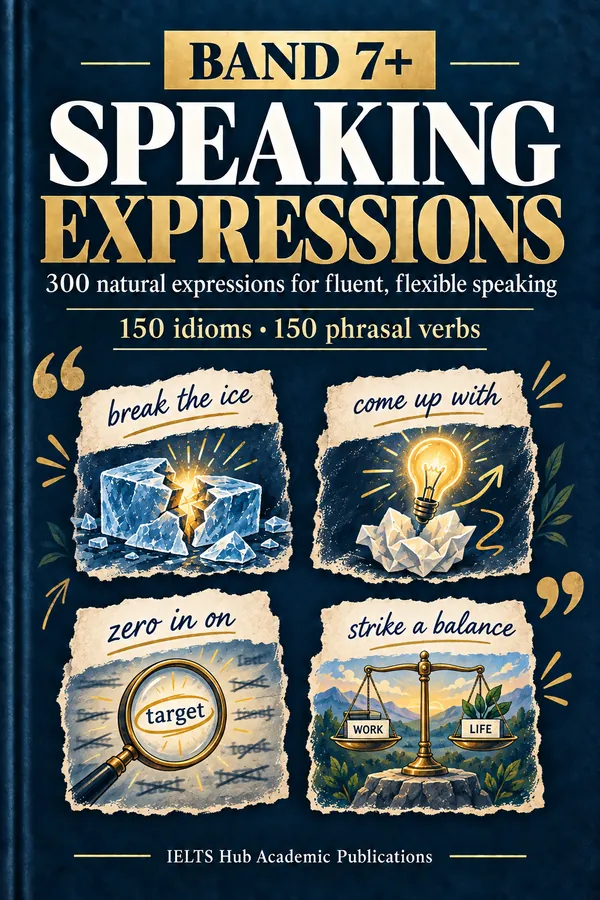
Speaking
Band 7+ Speaking Expressions
300 natural expressions for fluent, flexible speaking
₹199$6.99CAD 8.99AUD 9.99£4.99NZD 10.99€5.99AED 24SGD 8.99
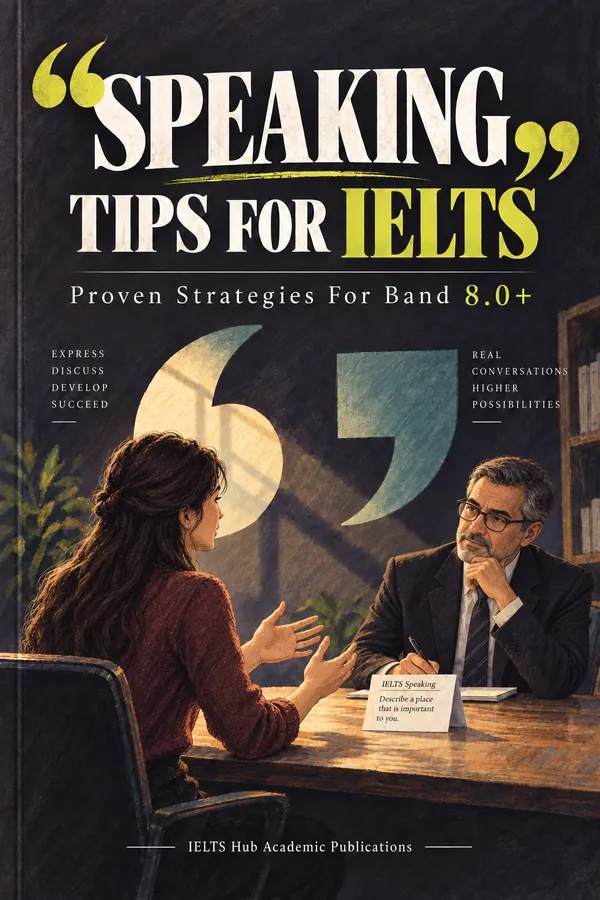
Speaking
Speaking Tips for IELTS
Proven Strategies for Band 8.0+
₹299$9.99CAD 13.99AUD 14.99£7.99NZD 16.99€8.99AED 39SGD 12.99
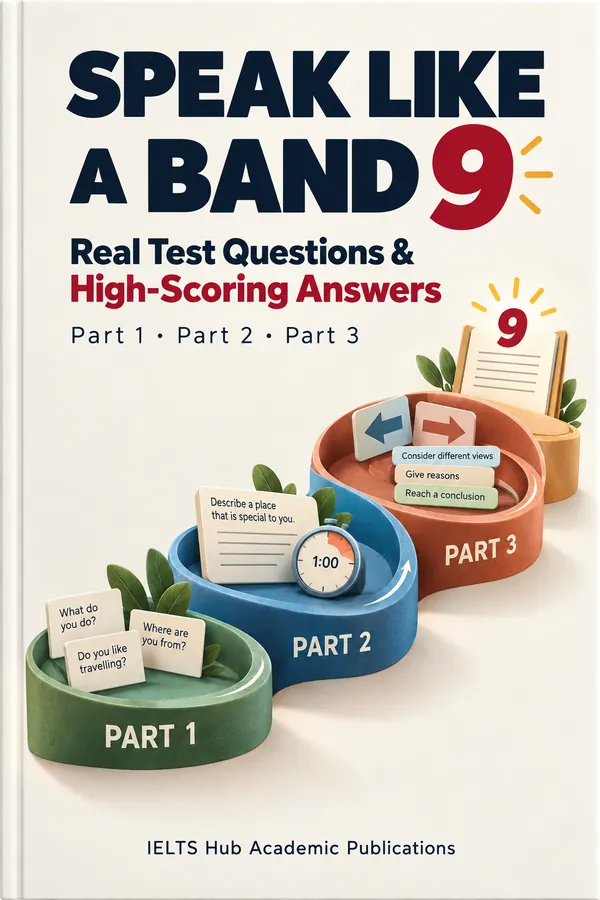
Speaking
Speak Like a Band 9
Real Test Questions & High-Scoring Answers
₹299$9.99CAD 13.99AUD 14.99£7.99NZD 16.99€8.99AED 39SGD 12.99