Speaking test #197
Part 1 · Interview
4 to 5 minutes. The examiner asks about you and familiar topics.
Can you tell me your full name?
Where are you from?
Do you work or are you a student?
Do you make a list when you shop?
Yes, I always make a list when I go shopping. I find it helps me to stay organized and ensures that I don't forget any important items that I need to buy.
Do you make a list for your work or study?
Yes, I do make a list for my work and study. I find that it helps me to stay focused and to prioritize tasks that need to be done. It also allows me to track my progress and stay on top of deadlines.
Why don’t some people like making lists?
I think some people may find making lists to be tedious or time-consuming. They may also feel that they have a good memory and don't need to rely on lists to keep track of things. Additionally, some people may find that they prefer to work in a more spontaneous and unstructured way, and the idea of having a list may feel restrictive to them.
Do you prefer to make a list on paper or your phone?
I prefer to make a list on my phone. I find it more convenient as I always have my phone with me and it is easy to access and update my lists wherever I am. However, I also like to have a physical copy of my list as a backup, just in case my phone runs out of battery or I don't have an internet connection.
What will you do if you find something lost by others?
If I find something that belongs to someone else, I would immediately try to find the rightful owner. I would check for any identification or contact information on the item and reach out to the person. If I am unable to find the owner, I would turn the item in to the authorities or a lost and found location.
Do you report to the police when finding something lost by others? Why?
Yes, I do report to the police when I find something lost by others. I believe it is important to return lost items to their rightful owners as soon as possible, and the police are often able to assist in that process. Additionally, if the item is of significant value or if there is personal information on it, it is important for the police to be aware of its discovery for security reasons.
Have you ever lost things?
Yes, I have lost things before. It is always frustrating and disappointing to lose something important, but it happens to everyone. I try to be vigilant and keep track of my belongings, but sometimes things slip through the cracks.
Will you post on social media if you lose your item?
Yes, I would post on social media if I lose an item. Social media is a great way to reach a large audience quickly and it is likely that someone may have seen the item or know where it is. Additionally, posting on social media can also help to get the word out to friends and family who may not have been in contact recently. It is always worth a try to get the item back.
You will have to talk about the topic for one to two minutes. You have one minute to think about what you are going to say. You can make some notes to help you if you wish.
A person with whom you like to work or study
You should say:
- Who is this person
- How you know this person
- Why do you like to work or study with this person
- What makes working or studying with this person enjoyable
Who is this person
In my academic journey, I have been fortunate to have a remarkable individual as a study partner, my close friend named Ravi. I first met Ravi during our freshman year at university, where we were both enrolled in the same major. Since then, we have developed a strong bond based on our shared interests and academic pursuits.
How you know this person
I particularly enjoy working with Ravi due to his exceptional work ethic and intellectual curiosity. He possesses a deep understanding of the subjects we study, and his insightful perspectives often challenge me to think critically and broaden my own understanding. Moreover, Ravi is always willing to share his knowledge and expertise, which has helped me improve my academic performance significantly.
Why do you like to work or study with this person
What truly makes working with Ravi enjoyable is not only his academic prowess but also his positive and encouraging attitude. Despite the challenges we face in our coursework, Ravi always manages to maintain a sense of optimism and motivation that inspires me to do my best. Additionally, his sense of humor and friendly demeanor create a comfortable and productive study environment, making our study sessions both effective and enjoyable.
What makes working or studying with this person enjoyable
In conclusion, Ravi is not just a study partner to me; he is a source of inspiration and support in my academic pursuits. His dedication, intelligence, and positive attitude make him an ideal collaborator, and I am grateful to have him by my side as we navigate our academic journey together. Working with Ravi has not only enhanced my learning experience but has also enriched my personal growth, and for that, I am truly thankful.
- Words
- 261
- Sentences
- 12
- Words per sentence
- 21.8
- Speaking time
- about 2.0 min
Counted at 130 words a minute. The exam gives you one to two minutes.
Part 3 · Discussion
4 to 5 minutes. The examiner asks broader questions linked to the cue card topic.
How can working with different people improve the learning experience?
Collaboration with different individuals can significantly enhance the learning experience in several ways. First and foremost, it exposes learners to a variety of perspectives and ideas, which can lead to a deeper understanding of the subject matter. When people from diverse backgrounds come together, they bring their unique skills and knowledge to the table, creating a richer learning environment. Additionally, working in teams fosters essential skills such as communication and problem-solving, which are invaluable not just in academics but also in everyday life. Ultimately, this collaborative approach not only makes learning more engaging but also prepares individuals to thrive in an increasingly interconnected world.
How important is it for people to have different ways of working when they team up?
It's absolutely essential for people to have different working styles when they collaborate, and I would argue that this diversity can significantly enhance team performance. When team members bring unique approaches to the table, it fosters creative problem-solving and allows for a more comprehensive exploration of ideas. For instance, someone who is detail-oriented may excel at organizing information, while a more big-picture thinker can identify overarching trends and opportunities. This synergy of contrasting styles often results in innovative solutions that a homogenous group might overlook. Ultimately, embracing these differences not only enriches the collaborative experience but also encourages personal growth and adaptability among team members.
How important do you believe trust is in a successful work or study relationship?
Trust plays a paramount role in any successful working or studying relationship. When trust is established, it fosters an environment where individuals feel comfortable expressing their ideas and taking risks without the fear of judgment. This sense of security not only enhances collaboration but also boosts overall productivity, as team members are more likely to share knowledge and support one another. Moreover, in an educational setting, trust between students and teachers can significantly impact motivation and engagement, leading to a more enriching learning experience. In essence, trust is the bedrock of effective communication and teamwork, making it absolutely essential for success.
Why do you think some people like to work by themselves instead of with others?
There are several reasons why some individuals prefer working alone. For starters, many people find that they can achieve a higher level of focus and productivity when they’re not distracted by the dynamics of a group. Working independently allows them to follow their own pace and methods, which can lead to a deeper sense of personal satisfaction. Moreover, some might feel that they can express their creativity more freely without the potential constraints that teamwork can sometimes impose. Additionally, for those who are introverted, collaborating with others can be quite draining, making solitary work a more appealing option.
How could teamwork change in the next ten years because of new technology?
The dynamics of teamwork are poised to undergo significant transformations in the next decade, primarily driven by rapid technological advancements. For instance, remote collaboration tools have already begun to redefine how teams interact, allowing for seamless communication regardless of geographical barriers. As technology progresses, we might see even more sophisticated platforms that incorporate artificial intelligence to facilitate project management, streamline workflows, and enhance decision-making processes. Furthermore, the advent of virtual reality could create immersive work environments, making team brainstorming sessions feel more engaging and productive. Overall, these advancements will likely foster a more inclusive and diverse teamwork culture, where individuals can contribute their unique perspectives without the constraints of location.
What steps can schools take to help students work together better?
Educational institutions have a pivotal role in fostering collaboration among students, and there are several effective measures they can implement. Firstly, incorporating group projects into the curriculum can promote teamwork and allow students to learn from one another’s strengths and perspectives. Additionally, schools and universities could organize team-building activities outside the classroom, which not only enhances interpersonal skills but also strengthens relationships among peers. Moreover, integrating technology, such as collaborative online platforms, can facilitate communication and teamwork, especially in today’s digital age. Lastly, creating a culture of peer mentorship can encourage students to support one another, thereby enhancing their collaborative skills and building a sense of community. Overall, these initiatives can significantly enrich the learning experience and prepare students for future collaborative endeavors in their professional lives.
Go further with the books
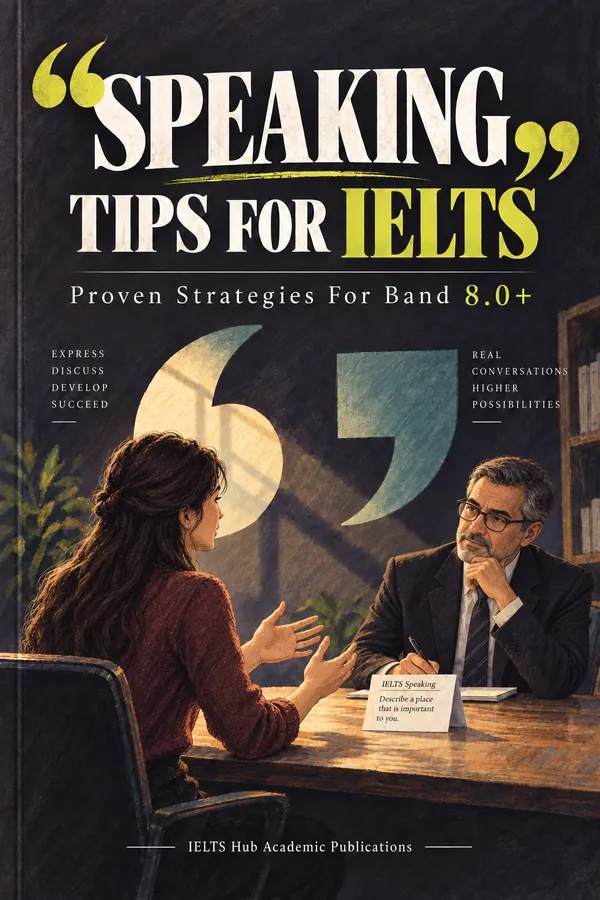
Speaking
Speaking Tips for IELTS
Proven Strategies for Band 8.0+
₹299$9.99CAD 13.99AUD 14.99£7.99NZD 16.99€8.99AED 39SGD 12.99
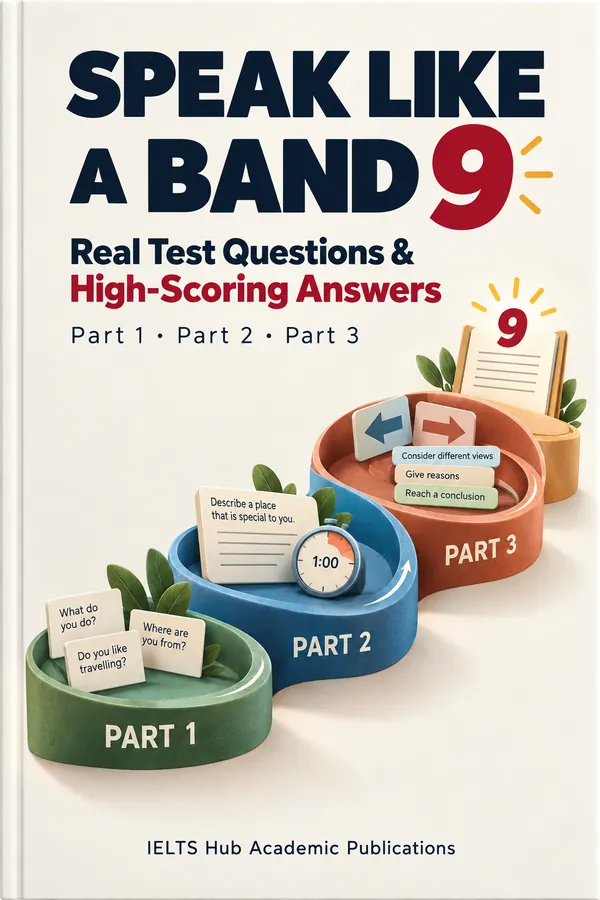
Speaking
Speak Like a Band 9
Real Test Questions & High-Scoring Answers
₹299$9.99CAD 13.99AUD 14.99£7.99NZD 16.99€8.99AED 39SGD 12.99
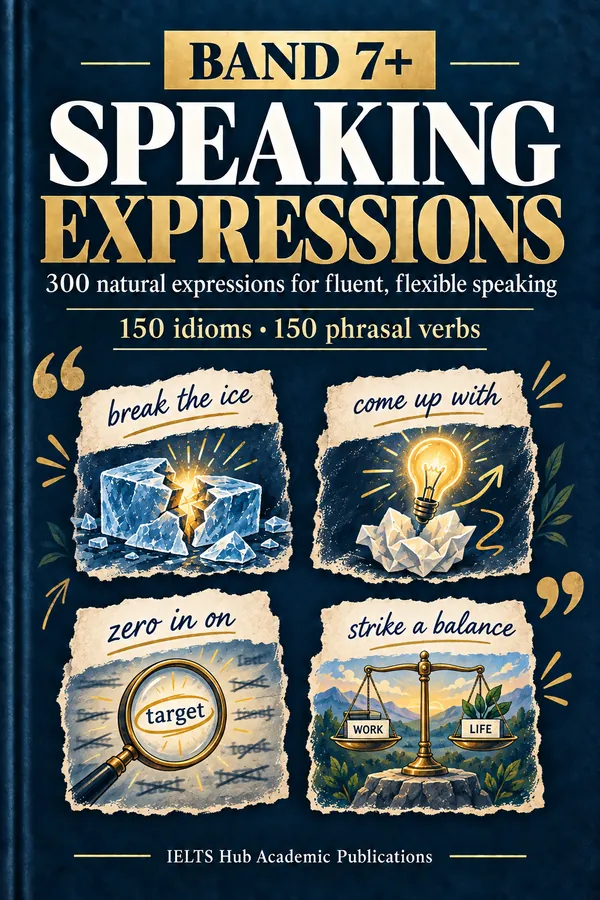
Speaking
Band 7+ Speaking Expressions
300 natural expressions for fluent, flexible speaking
₹199$6.99CAD 8.99AUD 9.99£4.99NZD 10.99€5.99AED 24SGD 8.99