Speaking test #198
Part 1 · Interview
4 to 5 minutes. The examiner asks about you and familiar topics.
Can you tell me your full name?
Where are you from?
Do you work or are you a student?
Do you like reading magazines or newspapers?
I absolutely love reading magazines. I find them to be a great source of inspiration, information and entertainment.
What type of magazine you may like to read?
I am particularly interested in fashion and lifestyle magazines, as they provide me with the latest trends, ideas and inspiration for my personal style and home decor. I also enjoy reading travel magazines, as they allow me to explore new places and cultures from the comfort of my own home.
What section do you like in a magazine?
One of my favourite sections in a magazine is the fashion section. I love to see the latest trends and styles, and get ideas for how to incorporate them into my own wardrobe. I also enjoy reading the beauty and health sections, as they provide me with valuable tips and advice on how to take care of myself.
In the future, do you think more people than today will read magazines, or fewer people?
I think that with the rise of digital media, fewer people will read physical magazines in the future. However, I do believe that the content of magazines will continue to be popular, as people will still seek out the same type of inspiration, information and entertainment in digital format. So, I think that magazine content will continue to be widely consumed, just in a different format.
Do you often wear makeup?
I do wear makeup occasionally, but not on a daily basis. I prefer to keep my look natural most of the time.
What does wearing makeup mean to you?
To me, wearing makeup is a way to enhance my features and boost my confidence. It's an enjoyable and creative process that allows me to express my personal style.
Do you give makeup as a gift?
Yes, I have given makeup as a gift to friends and family members in the past. I think it's a thoughtful and practical gift that can be enjoyed by many different people.
What do you think when you see a man wearing makeup?
Personally, I don't see anything wrong with men wearing makeup. I believe that everyone should be able to express themselves in whatever way they choose, and makeup is no exception. I think it's great that more men are feeling comfortable enough to experiment with makeup and break down traditional gender norms.
You will have to talk about the topic for one to two minutes. You have one minute to think about what you are going to say. You can make some notes to help you if you wish.
An important decision you might have to make in the future
You should say:
- What decision it is
- Why it is important
- What factors you will consider
- How you plan to make the decision
What decision it is
In the future, one crucial decision I anticipate making is whether to pursue higher education abroad or in my home country. This decision holds immense significance as it can shape my career prospects, personal growth, and overall future trajectory. Opting for higher education abroad may offer exposure to diverse perspectives, advanced resources, and potentially better job opportunities on a global scale. Conversely, studying in my home country could provide a more familiar environment, cost-effective options, and easier access to family support.
Why it is important
When contemplating this decision, several factors will weigh heavily on my mind. Firstly, the quality of education and reputation of the institution will be paramount. I will also consider the financial implications, including tuition fees, living expenses, and potential scholarships or funding opportunities. Moreover, the cultural and social aspects of the destination will be crucial in ensuring a well-rounded academic experience and personal growth.
What factors you will consider
To make this decision, I plan to conduct thorough research on various universities both at home and abroad, comparing their programs, faculty, alumni success stories, and overall ranking. I aim to seek guidance from career counselors, academic advisors, and individuals who have firsthand experience with studying abroad. Additionally, I will create a detailed pros and cons list for each option, considering short-term and long-term benefits to make an informed choice that aligns with my goals and aspirations.
How you plan to make the decision
Ultimately, the decision to pursue higher education abroad or in my home country is a pivotal one that requires careful deliberation. By weighing the educational quality, financial aspects, cultural considerations, and conducting detailed research, I aim to make a well-informed choice that will positively impact my future endeavors and personal development.
- Words
- 273
- Sentences
- 13
- Words per sentence
- 21.0
- Speaking time
- about 2.1 min
Counted at 130 words a minute. The exam gives you one to two minutes.
Part 3 · Discussion
4 to 5 minutes. The examiner asks broader questions linked to the cue card topic.
How can making choices be different for personal reasons versus work reasons?
The decision-making process for personal choices often leans heavily on emotions and subjective experiences. For instance, when choosing a vacation destination, I might consider my personal preferences and feelings, such as excitement or nostalgia. In contrast, professional decisions usually require a more analytical approach, where factors like data, potential outcomes, and stakeholder impacts come into play. For example, deciding on a marketing strategy would involve assessing market trends and aligning with company goals, rather than just gut feelings. Ultimately, while personal choices can be influenced by our heart, professional ones demand a balance of rational thinking and strategic planning.
When do people feel more sure about their choices?
Individuals often feel more confident in their decision-making abilities when they are armed with relevant information and experience. For instance, if someone has spent years in a particular field, like technology or finance, they are likely to trust their judgment more during critical decisions. Additionally, supportive environments, such as having a strong network of mentors or peers, can enhance one’s confidence. When people know they have backing from others, they may feel more empowered to take risks and make choices that align with their values. Lastly, preparation plays a crucial role; when individuals engage in thorough research or practice scenarios beforehand, they often approach decisions with a greater sense of assurance.
How important is it for people to think about the long-term results of their choices?
It's incredibly significant for people to consider the long-term effects of their decisions! When we think beyond the immediate consequences, we often find that our choices can have a profound impact on our future. For instance, decisions related to education or career paths can shape our lives for years to come. Additionally, considering long-term effects can help individuals avoid short-sighted mistakes that might lead to regret later on. In a rapidly changing world, taking the time to weigh the potential outcomes allows us to make more informed and ultimately more sustainable choices. Overall, it’s about ensuring that our actions today align with our aspirations for tomorrow!
Why do you think some people have a hard time making important choices?
I believe there are several reasons why some individuals find it challenging to make important decisions. For one, the fear of making the wrong choice can be paralyzing; people often worry about the long-term consequences of their decisions and how those might impact their lives or the lives of others. Additionally, in today’s world, we are bombarded with an overwhelming amount of information, which can lead to analysis paralysis, making it difficult to weigh the options effectively. Moreover, personal factors, such as low self-confidence or past experiences with failure, can further exacerbate indecision. Ultimately, it’s a complex interplay of emotional and cognitive elements that can make decision-making a daunting task for many.
How might people change how they make decisions in the next ten years?
In the next decade, I believe we’ll see some fascinating shifts in how people approach decision-making, largely driven by technology and social dynamics. For instance, the rise of artificial intelligence will likely enable individuals to access a wealth of data at their fingertips, making it easier to analyze options and outcomes. This could lead to a more data-driven approach, where people rely on algorithms to guide their choices, reducing the emotional bias that often clouds judgement. Additionally, as mental health awareness grows, I think we'll see a greater emphasis on mindful decision-making, where individuals take the time to reflect on their values and feelings before making choices. Overall, these changes could lead to more informed, balanced, and thoughtful decisions in various aspects of life.
What ways can people use to get better at making decisions in tough situations?
Improving decision-making skills in critical situations is essential, and there are several strategies that individuals can adopt. First and foremost, practicing mindfulness can be incredibly beneficial; it allows individuals to stay calm and focused, enabling them to assess the situation more clearly. Additionally, engaging in scenario planning can equip one with the ability to anticipate various outcomes and make more informed choices. Another effective approach is to seek feedback from trusted peers, as their perspectives can often shed light on blind spots one might not see. Finally, consistently reflecting on past decisions—both successful and unsuccessful—can foster a deeper understanding of one’s own thought processes and improve future decision-making.
Go further with the books
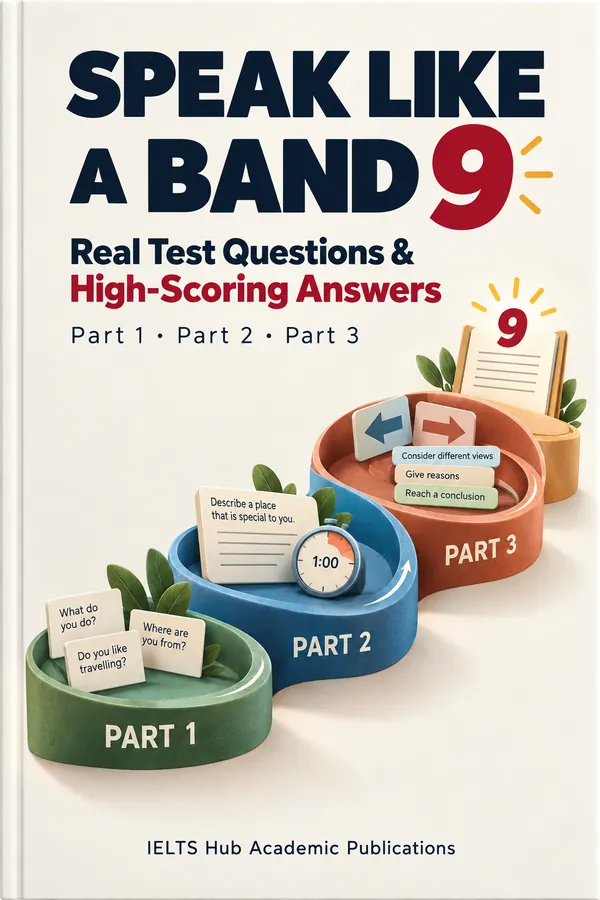
Speaking
Speak Like a Band 9
Real Test Questions & High-Scoring Answers
₹299$9.99CAD 13.99AUD 14.99£7.99NZD 16.99€8.99AED 39SGD 12.99
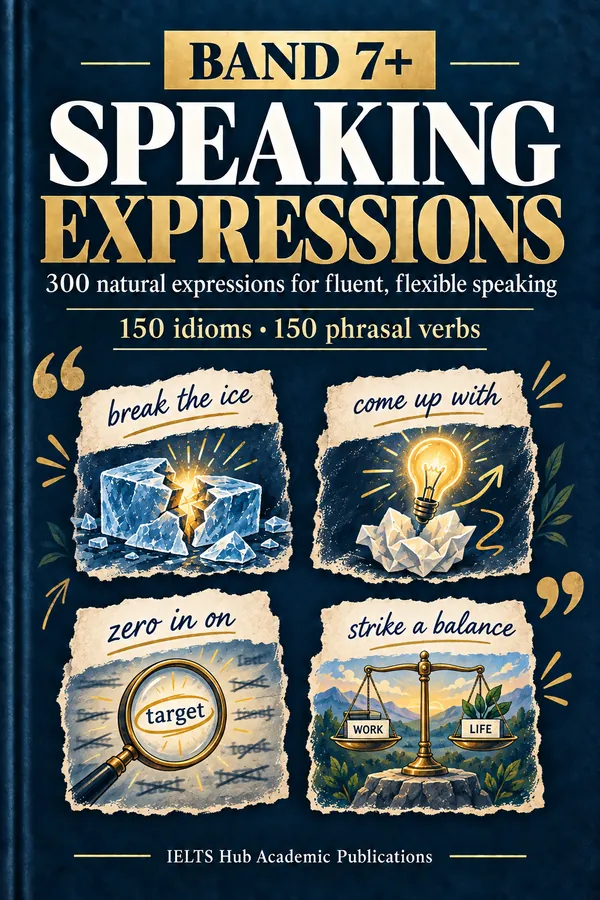
Speaking
Band 7+ Speaking Expressions
300 natural expressions for fluent, flexible speaking
₹199$6.99CAD 8.99AUD 9.99£4.99NZD 10.99€5.99AED 24SGD 8.99
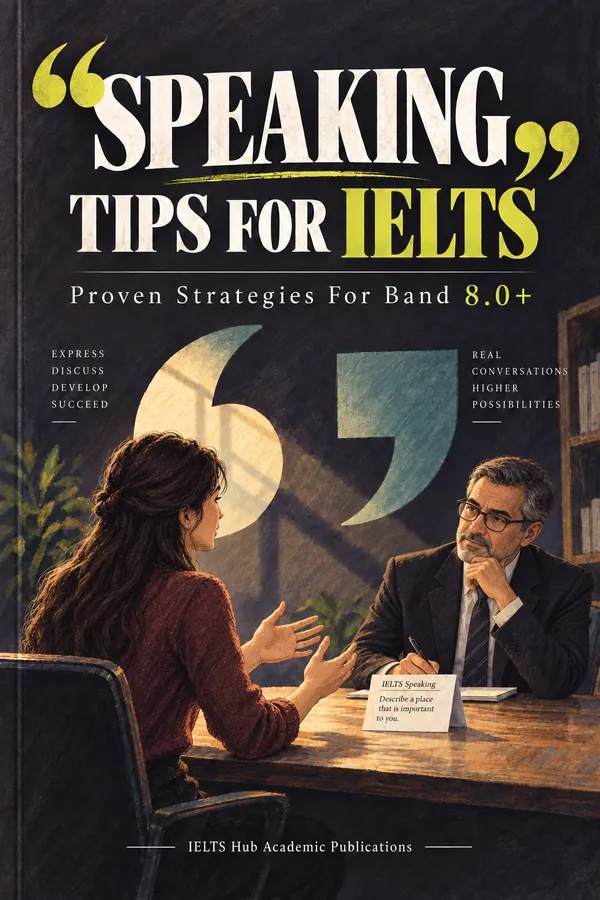
Speaking
Speaking Tips for IELTS
Proven Strategies for Band 8.0+
₹299$9.99CAD 13.99AUD 14.99£7.99NZD 16.99€8.99AED 39SGD 12.99