Speaking test #203
Part 1 · Interview
4 to 5 minutes. The examiner asks about you and familiar topics.
Can you tell me your full name?
Where are you from?
Do you work or are you a student?
How much money is enough?
It is difficult to quantify how much money is "enough" as it varies from person to person and their individual needs and wants. For some, having a comfortable lifestyle with basic necessities met may be considered enough, while for others, having a large amount of wealth and luxury items may be considered enough. Ultimately, it is a matter of perspective and personal satisfaction.
Why do people care too much about money?
I believe that people care too much about money because it is a means to achieve certain goals and aspirations in life, such as providing for oneself and one's family, achieving financial stability, and having the ability to pursue one's interests and passions. Additionally, society often places a great deal of emphasis on wealth and material success, which can lead to an obsession with accumulating more money.
Is money important to you?
Money is certainly important to me as it allows me to meet my basic needs and provides a sense of security and stability in my life. However, I also believe that money is not the only thing that defines one's worth or happiness, and that there are many other things in life that are just as important, such as relationships, personal growth, and fulfillment.
What do people in your country save money for?
In my country, people save money for a variety of reasons. Many people save for their future, such as retirement or their children's education. Others may save for a specific goal or purchase, such as buying a house or a car. Additionally, many people in my country also save for unexpected expenses or emergencies, such as medical bills or job loss. Overall, saving for financial security and stability is a common goal for many people in my country.
Do you like to get up early in the morning?
I am definitely an early riser. I find that there is something very refreshing and energizing about starting the day before the sun comes up. The quiet of the morning and the sense of accomplishment that comes with getting a head start on the day is something that I find very appealing.
What is your morning routine?
My morning routine starts with me getting up at around 6am. After that, I make myself a cup of coffee and sit down with my journal to do some morning writing. This is a great way for me to clear my head and get my thoughts in order before the day begins. After that, I spend some time stretching and doing yoga to get my body moving and energized. After that, I take a shower and get dressed for the day.
What did you do in the morning when you were little?
When I was little, my mornings were pretty low key. I would usually wake up around 7am and spend some time watching cartoons or playing with my toys. After that, I would have breakfast and then spend some time getting ready for school. I always loved the mornings when I was a kid because it was a time to be carefree and to just enjoy the day ahead.
Is there any difference between what you do in the morning now and what you did in the past?
There is definitely a difference between what I do in the morning now and what I did in the past. As a child, my mornings were all about play and fun. Now, as an adult, my mornings are focused on getting myself prepared for the day ahead. I spend more time on self-care and self-improvement activities like yoga and journaling, and less time on leisure activities. But overall, I still enjoy waking up early and starting my day before the sun comes up.
You will have to talk about the topic for one to two minutes. You have one minute to think about what you are going to say. You can make some notes to help you if you wish.
Describe a hobby that one of your friends has
You should say:
- What hobby it is
- How often your friend does this hobby
- Why your friend enjoys this hobby
- How this hobby has influenced your friend's life
One of my friends has a fascinating hobby of traditional Indian classical dance known as Bharatanatyam. She practices Bharatanatyam regularly, dedicating at least two hours every day to perfect her dance moves and expressions. It's truly admirable to see her commitment and passion for this art form. She often performs at local cultural events and competitions, showcasing her talent and spreading awareness about our rich heritage.
My friend finds immense joy and fulfillment in Bharatanatyam as it allows her to express her emotions and tell stories through graceful movements and facial expressions. She often mentions how dancing helps her connect with her cultural roots and provides a sense of tranquility and inner peace. The intricate footwork, hand gestures, and expressions involved in Bharatanatyam require focus and dedication, which she believes have greatly improved her discipline and concentration skills.
This hobby has had a profound influence on my friend's life in various ways. Not only has she become more confident and poised, but she has also developed a deep appreciation for Indian classical arts and traditions. Through Bharatanatyam, she has made new friends within the dance community and has had the opportunity to perform on prestigious stages, gaining recognition for her talent. Overall, this hobby has enriched her life by allowing her to embrace her cultural identity and pursue her passion for dance.
- Words
- 222
- Sentences
- 11
- Words per sentence
- 20.2
- Speaking time
- about 1.7 min
Counted at 130 words a minute. The exam gives you one to two minutes.
Part 3 · Discussion
4 to 5 minutes. The examiner asks broader questions linked to the cue card topic.
How can people's hobbies show their personalities or ways of living?
Hobbies can be a fascinating window into an individual’s personality and lifestyle. For instance, someone who enjoys outdoor activities like hiking or cycling may be seen as adventurous and free-spirited, valuing nature and physical challenges. On the other hand, a person who prefers creative pursuits such as painting or writing might be perceived as introspective and imaginative, often seeking to express their emotions or thoughts through art. Moreover, hobbies can also indicate how people prioritize their time; for example, a commitment to volunteering reflects a generous and community-oriented mindset. Ultimately, our hobbies not only provide insight into who we are but also enrich our lives, allowing us to connect with others who share similar interests.
How can having a hobby affect a person's overall happiness?
Engaging in a hobby can significantly enhance a person's overall well-being in various ways. Firstly, it serves as a fantastic outlet for stress relief, allowing individuals to unwind and escape from the pressures of daily life. For instance, someone who enjoys painting may find that the creative process not only fosters relaxation but also boosts their mood. Additionally, hobbies can promote social connections; joining a local sports team or book club can lead to meaningful friendships, which are essential for emotional support. Ultimately, investing time in activities that one loves can cultivate a sense of fulfillment and purpose, contributing positively to mental health.
How do hobbies help boost creativity and new ideas?
Hobbies play a crucial role in fostering creativity and innovation by providing an outlet for self-expression and exploration. When individuals engage in activities they are passionate about, like painting, playing a musical instrument, or even gardening, they often experience a sense of freedom that encourages them to think outside the box. This creative process allows people to experiment with new ideas and develop unique solutions to problems they might encounter in their daily lives or work. Moreover, hobbies can serve as a much-needed break from routine, which is essential for mental rejuvenation. When we step away from our usual responsibilities, we give our minds the space to wander and make unexpected connections, which can lead to bursts of inspiration. Ultimately, it's this combination of relaxation and exploration that makes hobbies such a vital ingredient in the recipe for innovation.
Why do you think some people like certain hobbies more than others?
People are often drawn to certain hobbies over others for a variety of reasons, including personal interests, cultural influences, and social connections. For instance, someone might gravitate towards painting because they've always been fascinated by art, while another person might prefer sports due to their active lifestyle. Additionally, peer influence can play a significant role; if friends or family members are engaged in a particular hobby, it can create a sense of camaraderie and motivation to join in. Moreover, hobbies often reflect our values and aspirations, so individuals might choose activities that resonate with their personality and goals. Ultimately, it’s the blend of these factors that makes some hobbies more appealing than others!
How could the popularity of some hobbies change in the future?
The popularity of hobbies is always in flux, influenced by a myriad of factors such as technological advancements and social trends. For instance, as virtual reality becomes more accessible, we might see a surge in interest in immersive gaming experiences, drawing people away from traditional pastimes like board games. Additionally, with the growing awareness of environmental issues, hobbies that promote sustainability, like urban gardening or DIY upcycling projects, are likely to gain traction. Moreover, the rise of remote work could lead to an increase in hobbies that can be enjoyed from home, such as cooking or crafting, as people seek to fill their leisure time creatively. Ultimately, it’s fascinating to think about how these trends will evolve, potentially reshaping our leisure activities and the way we connect with one another.
What ways can be used to motivate more people to start hobbies?
To encourage more people to take up hobbies, I believe a multi-faceted approach is essential. First and foremost, community engagement plays a vital role; local governments and organizations could host free workshops or events where individuals can try out various activities. This not only allows people to discover new interests without a financial commitment but also fosters a sense of community bonding. Additionally, leveraging social media platforms to showcase the benefits of hobbies—such as stress relief and personal growth—can inspire others to explore their passions. Lastly, creating incentives, like discounts for classes or membership fees, could further motivate individuals to dive into new pursuits. It’s all about making hobbies accessible and appealing!
Go further with the books
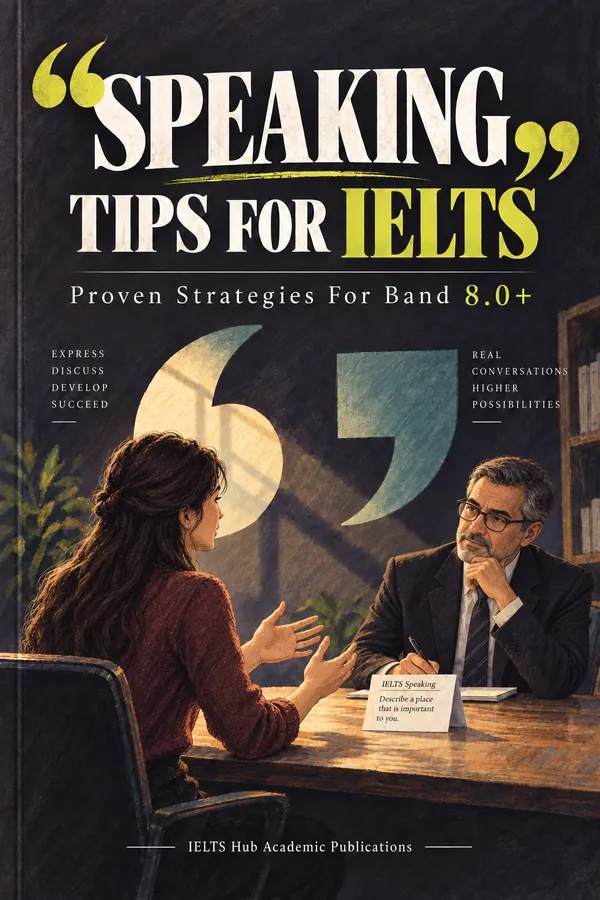
Speaking
Speaking Tips for IELTS
Proven Strategies for Band 8.0+
₹299$9.99CAD 13.99AUD 14.99£7.99NZD 16.99€8.99AED 39SGD 12.99
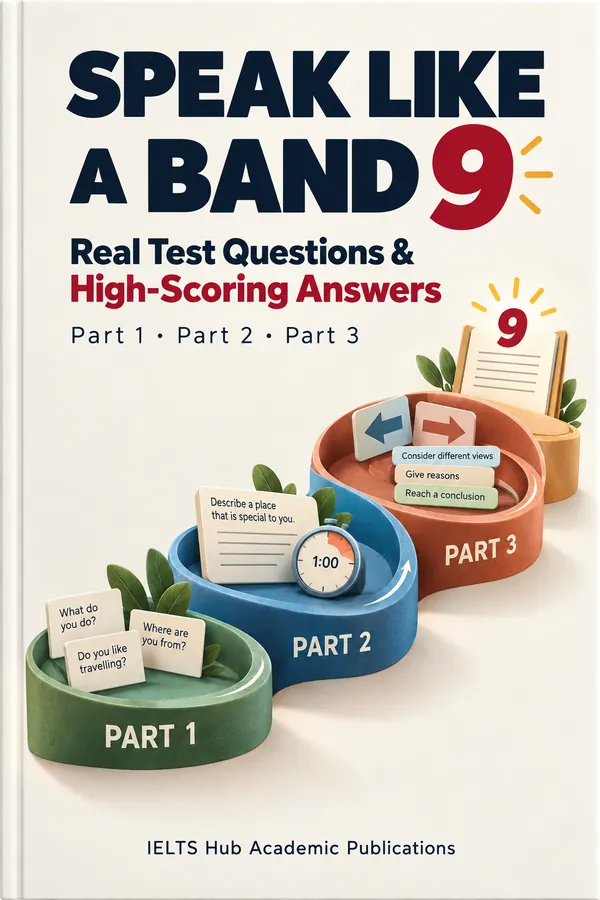
Speaking
Speak Like a Band 9
Real Test Questions & High-Scoring Answers
₹299$9.99CAD 13.99AUD 14.99£7.99NZD 16.99€8.99AED 39SGD 12.99
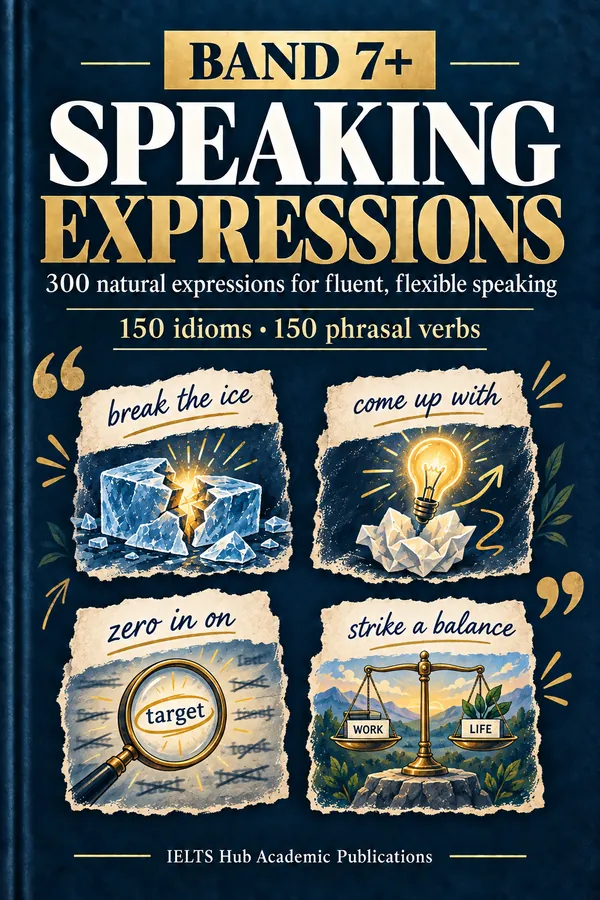
Speaking
Band 7+ Speaking Expressions
300 natural expressions for fluent, flexible speaking
₹199$6.99CAD 8.99AUD 9.99£4.99NZD 10.99€5.99AED 24SGD 8.99