Speaking test #207
Part 1 · Interview
4 to 5 minutes. The examiner asks about you and familiar topics.
Can you tell me your full name?
Where are you from?
Do you work or are you a student?
Do you like trying new activities? Why?
I absolutely love trying new activities. I think it is a great way to challenge myself and step out of my comfort zone. It also allows me to discover new interests and passions, and learn new skills. Plus, it makes life more exciting and interesting.
Is there any activities you want to try? Why?
I have always been fascinated by rock climbing, and I would love to try it one day. I think it would be an incredible physical and mental challenge, and it would give me a sense of accomplishment to conquer a difficult climb. Plus, the views from the top would be breathtaking.
What kinds of activities did you try in the past?
I have tried a variety of activities in the past, such as hiking, scuba diving, and painting. I have also taken up martial arts and yoga for fitness and self-defense. I have even tried bungee jumping, which was a thrilling and exhilarating experience.
Would you like to try new activities alone or in a group?
I am open to both options. Sometimes it can be nice to try something alone and focus on my own personal goals, but other times it can be more fun and motivating to try something new with friends or a group. It depends on the activity and my mood at the time.
How often do you read a newspaper?
I read a newspaper on a daily basis. I find it to be an excellent way to stay informed about current events and to stay up-to-date on the latest news and developments.
Why do you think some people like reading newspapers?
I think that some people enjoy reading newspapers because it provides them with an in-depth look at the news and events that are happening in the world. Additionally, newspapers often include a variety of different sections, such as business, sports, and entertainment, which can appeal to a wide range of readers.
Which other sources can people use to find out about the latest news?
There are many other sources that people can use to find out about the latest news, such as online news websites, television news programs, and social media. Additionally, many people also rely on news apps and podcasts to stay informed.
Do you think that it's important to know about news from other countries? Why / why not?
I believe that it is extremely important to know about news from other countries. Being aware of what is happening in the world around us can help us to understand and appreciate different cultures, as well as to make more informed decisions about global issues. Additionally, knowing about news from other countries can also help us to identify potential economic and political trends that may have an impact on our own country.
You will have to talk about the topic for one to two minutes. You have one minute to think about what you are going to say. You can make some notes to help you if you wish.
Describe a book you are currently reading
You should say:
- What is the title and author of the book
- What is the genre and main theme of the book
- Why did you choose to read this book
- Share your thoughts on the book so far
What is the title and author of the book
Currently, I am engrossed in the novel "The God of Small Things" by Arundhati Roy, a renowned Indian author. This book falls under the genre of literary fiction and delves into the complexities of family relationships, social norms, and the impact of historical events on individuals. The main theme revolves around the intricacies of love, loss, and the rigid societal structures that govern human lives.
What is the genre and main theme of the book
I was drawn to this book due to its critical acclaim and reputation for its lyrical prose and poignant storytelling. Being an avid reader of Indian literature, I was intrigued by the unique narrative style and the vivid portrayal of the cultural landscape of Kerala, where the story is set. Moreover, the themes of forbidden love and societal constraints resonated with me on a personal level, prompting me to explore the novel further.
Why did you choose to read this book
So far, my experience with "The God of Small Things" has been captivating. Arundhati Roy's vivid descriptions and intricate character development have transported me to a world filled with emotion and turmoil. The nonlinear narrative structure adds a layer of mystery and keeps me engaged as the story unravels, revealing the complexities of the characters' lives and the dark secrets that bind them together.
Share your thoughts on the book so far
In conclusion, "The God of Small Things" is a thought-provoking and emotionally charged novel that has left a profound impact on me. As I continue to delve deeper into its pages, I am eager to uncover the hidden truths and unravel the tangled web of relationships that define the lives of the characters. This book has not only entertained me but also provided valuable insights into the human condition and the enduring power of love and loss.
- Words
- 279
- Sentences
- 12
- Words per sentence
- 23.3
- Speaking time
- about 2.1 min
Counted at 130 words a minute. The exam gives you one to two minutes.
Part 3 · Discussion
4 to 5 minutes. The examiner asks broader questions linked to the cue card topic.
What are the themes in this book compared to others you've read lately?
That's a fascinating question! The themes in this book really resonate on a deeper level compared to others I've read lately. For instance, while many contemporary novels focus on personal struggles and romantic entanglements, this one delves into more profound societal issues, such as identity and cultural heritage. It challenges readers to reflect on their own values and beliefs, which I found incredibly refreshing. Moreover, the way it intertwines historical context with modern dilemmas sets it apart from typical narratives, giving it a timeless quality. It’s as if the author is encouraging us to not only engage with the story but also to think critically about the world around us. That kind of depth and complexity is what keeps me coming back for more!
How much do you believe that literature shows the culture it comes from?
I believe literature serves as a fascinating mirror to the culture from which it emerges. It encapsulates the values, beliefs, and social dynamics of a particular time and place, often revealing the nuances of daily life and the collective consciousness of society. For instance, classic novels often provide insights into the cultural zeitgeist, showcasing the struggles and triumphs of individuals within their specific contexts. Moreover, literature can also challenge prevailing norms, encouraging readers to reflect on and sometimes question their own cultural assumptions. In this way, it not only reflects culture but also contributes to its evolution, making it a vital aspect of our shared human experience.
How do you think reading stories can affect a person's imagination and creativity?
Reading fiction can have a profound impact on a person's imagination and creativity. When we dive into a fictional world, we encounter diverse characters, settings, and plots that challenge our perceptions and push the boundaries of our minds. This rich tapestry of ideas encourages us to think outside the box and explore scenarios we might never consider in our everyday lives. Moreover, as we engage with different narratives, we start to develop a deeper sense of empathy, which can fuel our creative expression in various forms, whether that’s writing, art, or even problem-solving. Ultimately, fiction not only entertains but also serves as a catalyst for innovation and imaginative thinking.
Why do you think some people like certain types of books more than others?
I think people are often drawn to certain genres of books because of their personal experiences and interests. For instance, someone who has a passion for adventure might gravitate towards thrilling novels that take them on a journey, while others may prefer the comfort of heartwarming stories that resonate with their own lives. Additionally, the emotional connection that a particular genre provides can be incredibly compelling; readers often seek out books that reflect their feelings or aspirations. Moreover, social influences, like recommendations from friends or popular trends, can also play a significant role in shaping our preferences. Ultimately, it’s fascinating how these factors intertwine to create a rich tapestry of reading choices!
What changes do you think will happen in the publishing industry over the next ten years?
I believe the publishing industry is on the brink of some exciting transformations in the next decade! With the rise of technology, we’re likely to see a significant shift towards digital publishing, making books more accessible to a wider audience. This will not only include eBooks but also interactive formats that engage readers in ways traditional books cannot. Additionally, the emergence of self-publishing platforms will empower aspiring authors, allowing them to reach their audience without the need for conventional publishing houses. Overall, I think these changes will create a more vibrant and diverse literary landscape, showcasing a plethora of voices that might have otherwise gone unheard.
What steps can be taken to get more people to read often?
To encourage more people to read regularly, a multifaceted approach could be highly effective. Firstly, schools and libraries could launch engaging reading initiatives that not only promote books but also create a sense of community around them. This could involve book clubs or reading challenges that spark excitement and competition among participants. Additionally, leveraging technology can play a significant role; for instance, e-books and audiobooks can make reading more accessible and appealing, especially for younger audiences who might prefer digital formats. Lastly, fostering a culture that celebrates reading through events like local literary festivals could inspire individuals to pick up a book and dive into the joys of literature.
Go further with the books
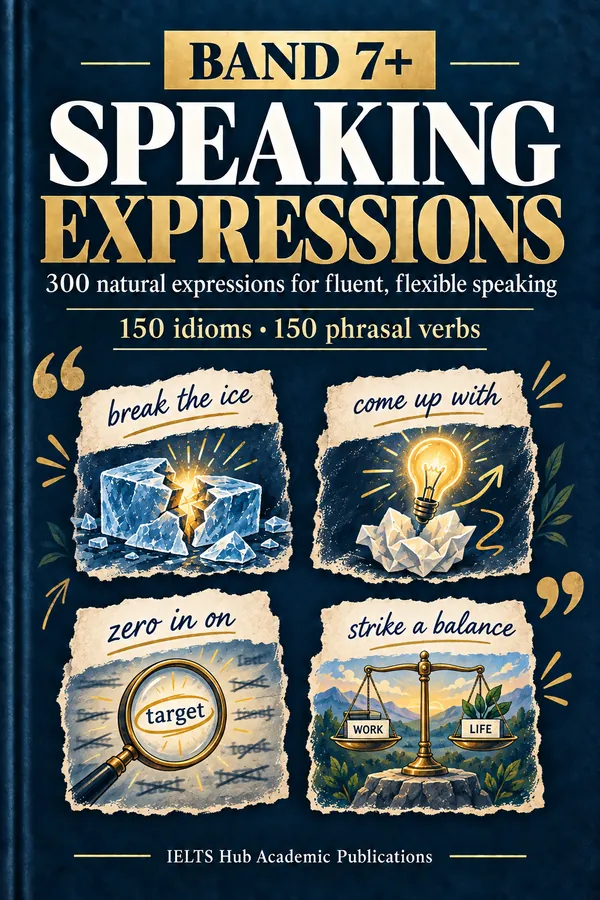
Speaking
Band 7+ Speaking Expressions
300 natural expressions for fluent, flexible speaking
₹199$6.99CAD 8.99AUD 9.99£4.99NZD 10.99€5.99AED 24SGD 8.99
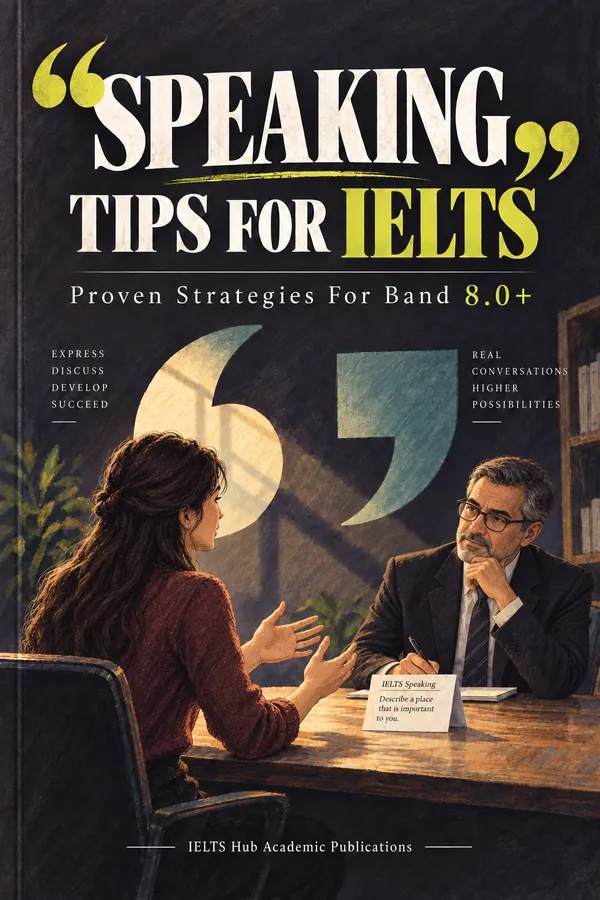
Speaking
Speaking Tips for IELTS
Proven Strategies for Band 8.0+
₹299$9.99CAD 13.99AUD 14.99£7.99NZD 16.99€8.99AED 39SGD 12.99
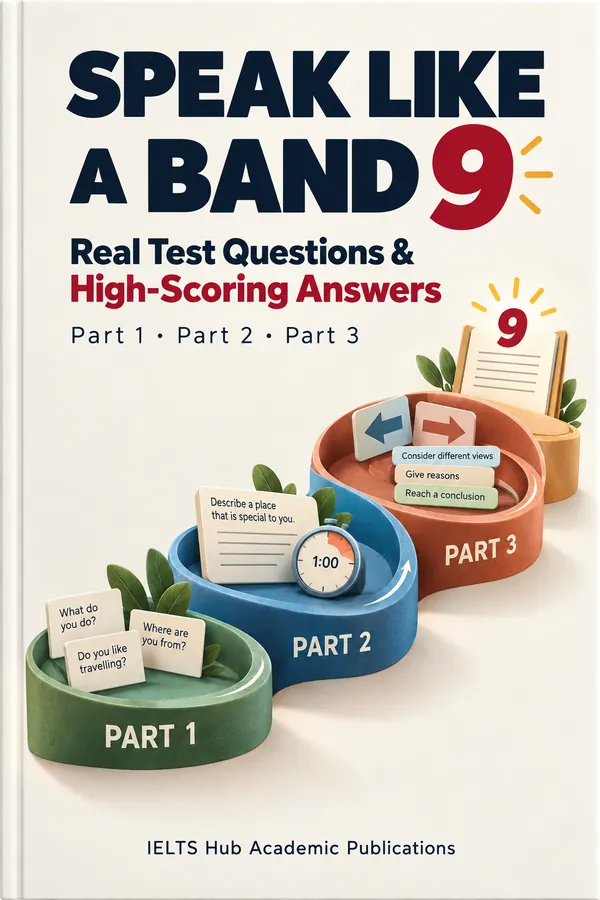
Speaking
Speak Like a Band 9
Real Test Questions & High-Scoring Answers
₹299$9.99CAD 13.99AUD 14.99£7.99NZD 16.99€8.99AED 39SGD 12.99