Speaking test #210
Part 1 · Interview
4 to 5 minutes. The examiner asks about you and familiar topics.
Can you tell me your full name?
Where are you from?
Do you work or are you a student?
Do you like outdoor activities?
Yes, I absolutely love outdoor activities. I find them to be incredibly invigorating and they provide an excellent way for me to stay active and healthy.
What outdoor activities do you most like to do?
I am particularly fond of hiking and camping. I love the feeling of being out in nature and the sense of adventure that comes with exploring new trails and wilderness areas. I also enjoy swimming, kayaking, and rock climbing.
How much time do you spend outdoors every week?
I try to spend as much time outdoors as possible, but it can vary depending on my schedule. On average, I would say that I spend around 20-25 hours per week outdoors.
What (types of) outdoor activities are popular in your country?
In my country, there are many different types of outdoor activities that are popular. Some of the most popular include hiking, camping, rock climbing, and watersports such as swimming, kayaking, and rafting. Additionally, there is a strong culture of outdoor sports such as soccer, basketball, and volleyball. In the winter, skiing and snowboarding are also popular outdoor activities. Overall, there is a wide range of outdoor activities for people to enjoy in my country.
Do you like painting?
Oh, absolutely! I find painting to be such a therapeutic and creative outlet. It's a great way to express myself and to explore different colors and textures.
Do you like to watch a person painting?
Definitely! Watching someone paint is like watching a master at work. It's fascinating to see how they use their brushstrokes and how they build up their layers of paint. It's also inspiring to see the finished product and to see how they've transformed a blank canvas into a work of art.
Is it easy to learn how to paint?
I think it depends on the individual. For some, it may come naturally and they may pick it up quickly. For others, it may take more time and practice to develop the skills. But I do believe that with the right mindset and approach, anyone can learn to paint.
Would you like to learn/improve painting in the future?
Definitely! I've always been interested in painting, but I've never had the opportunity to really delve into it. I would love to take a class or workshop and learn more about different techniques and styles. I think it would be an incredibly rewarding and fulfilling experience.
You will have to talk about the topic for one to two minutes. You have one minute to think about what you are going to say. You can make some notes to help you if you wish.
Adventurous thing you did when you were a child
You should say:
- What the adventurous thing was
- Who you did it with
- How you felt during the adventure
- What you learned from the experience
What the adventurous thing was
During my childhood in India, one of the most adventurous things I did was climbing a massive banyan tree in our backyard. This tree had numerous branches spreading out like a maze, creating an irresistible challenge for an adventurous child like me. The idea of conquering this natural giant excited me beyond words.
Who you did it with
I embarked on this adventure with my childhood best friend, Ravi, who shared my enthusiasm for exploration and outdoor activities. Together, we planned our ascent, strategizing on how to navigate through the labyrinth of branches and reach the top. As we started climbing, the adrenaline rush was palpable, and the thrill of the unknown propelled us forward.
How you felt during the adventure
Throughout the adventure, I experienced a mix of fear, excitement, and sheer joy. The height and unpredictability of the tree branches tested my courage and problem-solving skills. Despite moments of uncertainty, the sense of accomplishment and freedom at the tree's zenith was unparalleled. The panoramic view from the top filled me with awe and a deep connection to nature.
What you learned from the experience
This adventurous experience taught me valuable lessons that have stayed with me till today. I learned the importance of pushing my boundaries, overcoming fears, and the rewards of perseverance. It instilled in me a sense of resilience and a passion for exploring the unknown. Climbing that banyan tree not only enriched my childhood but also shaped my perspective on challenges and adventures in life.
- Words
- 233
- Sentences
- 14
- Words per sentence
- 16.6
- Speaking time
- about 1.8 min
Counted at 130 words a minute. The exam gives you one to two minutes.
Part 3 · Discussion
4 to 5 minutes. The examiner asks broader questions linked to the cue card topic.
How are the fun activities that kids do today different from what kids did in the past?
Children today engage in a variety of adventurous activities that are quite different from those of previous generations. In the past, outdoor play often revolved around simple games like tag or climbing trees, which fostered a sense of exploration and imagination. Nowadays, however, many kids are drawn to more structured and technologically enhanced adventures, such as indoor rock climbing or virtual reality experiences. This shift can be attributed to the rise of technology, which offers new ways to experience excitement, even if it might lack the raw, physical connection to nature that earlier activities provided. Nevertheless, I believe that whether it's climbing a mountain or conquering a virtual world, the essence of seeking adventure remains a cherished part of childhood.
Some people think that taking risks is important for kids to grow and learn. What do you think about this idea?
Absolutely, I wholeheartedly agree that taking risks is crucial for childhood development. When children engage in risk-taking, whether it's climbing a tree or trying out a new sport, they not only build their physical skills but also develop resilience and confidence. This process of navigating challenges helps them to cultivate problem-solving abilities and learn the importance of perseverance. Moreover, facing the consequences of their actions instills a sense of accountability, which is invaluable as they grow. In essence, embracing risk in a safe environment can lead to a more well-rounded and capable individual in the long run.
How do fun and exciting activities help a child grow and develop?
Adventurous experiences play a pivotal role in a child's overall growth and development in several ways. Firstly, they foster a sense of independence and self-confidence, as children learn to navigate challenges and overcome fears. For instance, activities like hiking or rock climbing encourage them to push their limits and trust their abilities. Additionally, these experiences often promote social skills, as children work together in teams, share responsibilities, and build friendships in unfamiliar settings. Ultimately, engaging in adventurous activities cultivates resilience and adaptability, essential traits that will serve them well throughout their lives.
Why do you think lots of kids like adventurous activities when they are growing up?
I believe many children are naturally drawn to adventurous activities during their formative years because it taps into their innate curiosity and desire for exploration. Adventure offers a sense of excitement and thrill, which can be incredibly appealing to young minds eager to discover the world around them. Moreover, engaging in such activities often provides opportunities for children to develop critical skills such as problem-solving and teamwork, all while having fun. Additionally, these experiences can foster a sense of confidence and independence, as they learn to navigate challenges and push their boundaries. It’s fascinating how these formative experiences can shape their personalities and future interests!
How could childhood adventures be different in the future with new technology?
That's a fascinating question! As technology continues to evolve at a rapid pace, I believe childhood adventures will transform significantly. For instance, kids may increasingly engage in virtual reality experiences that allow them to explore fantastical worlds from the comfort of their homes. While this could foster their imagination and creativity, it might also mean less time spent outdoors. Moreover, with the rise of augmented reality, children could have interactive experiences that blend the physical and digital worlds, making adventures more immersive than ever before. However, I can't help but wonder if this shift might lead to a decline in traditional play, where kids create their own adventures using simple objects in their surroundings. It's a double-edged sword, really, as technology could both enhance and detract from the essence of childhood exploration.
How can parents help their kids try more adventurous activities?
Parents can play a pivotal role in fostering their children's love for adventurous activities. One effective measure is to lead by example; when children see their parents embracing the outdoors, whether it’s hiking, biking, or even rock climbing, it naturally piques their interest. Additionally, parents can create a supportive environment by enrolling their children in clubs or classes that focus on adventure sports, which not only provides guidance but also facilitates social interaction with peers who share similar interests. Furthermore, organizing family outings that include exciting challenges like camping trips or nature scavenger hunts can ignite a sense of curiosity and exploration. Finally, it’s essential for parents to encourage resilience by emphasizing that it’s perfectly okay to face challenges and setbacks during these activities; after all, that’s how we grow and learn!
Go further with the books
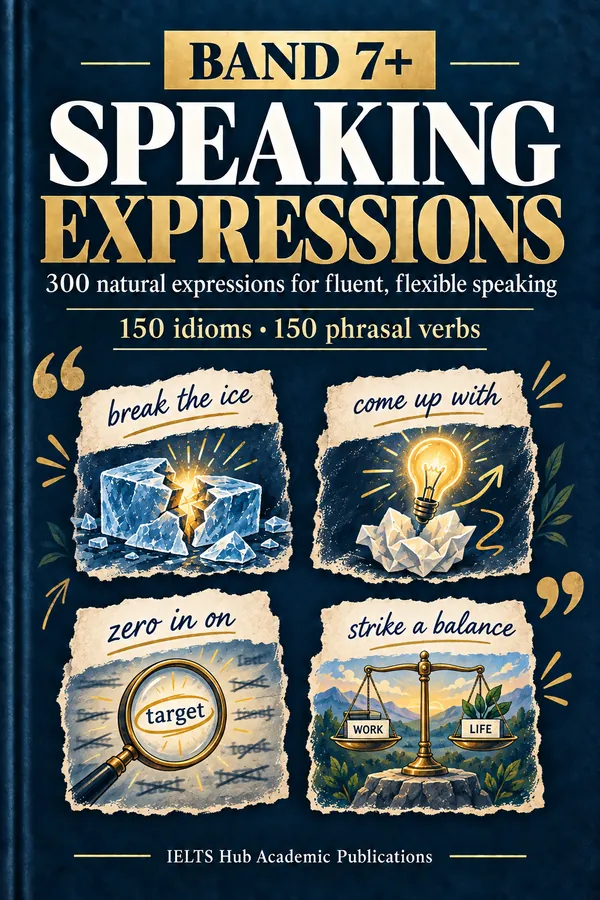
Speaking
Band 7+ Speaking Expressions
300 natural expressions for fluent, flexible speaking
₹199$6.99CAD 8.99AUD 9.99£4.99NZD 10.99€5.99AED 24SGD 8.99
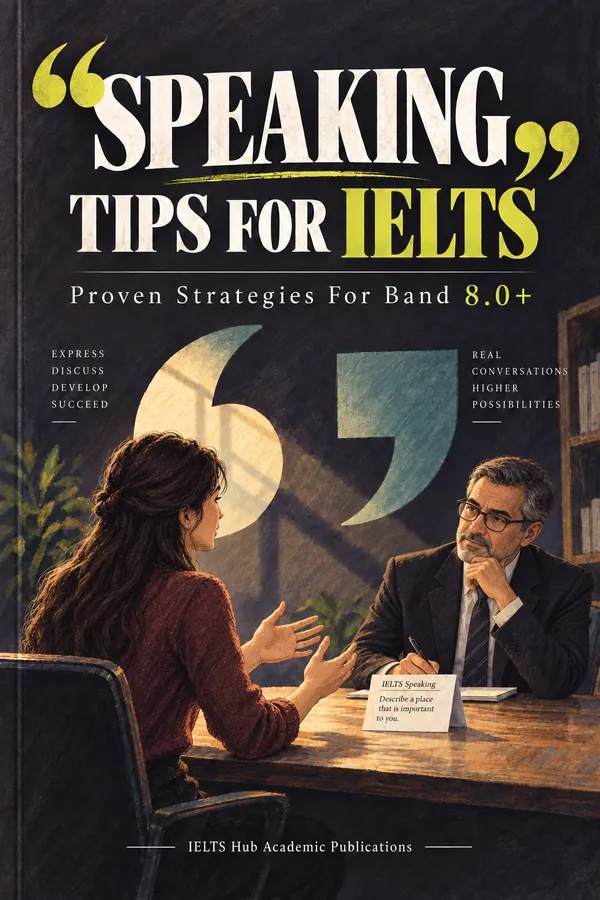
Speaking
Speaking Tips for IELTS
Proven Strategies for Band 8.0+
₹299$9.99CAD 13.99AUD 14.99£7.99NZD 16.99€8.99AED 39SGD 12.99

Speaking
Speak Like a Band 9
Real Test Questions & High-Scoring Answers
₹299$9.99CAD 13.99AUD 14.99£7.99NZD 16.99€8.99AED 39SGD 12.99