Speaking test #216
Part 1 · Interview
4 to 5 minutes. The examiner asks about you and familiar topics.
Can you tell me your full name?
Where are you from?
Do you work or are you a student?
Are you a polite person?
A1. Absolutely, I believe in treating others with respect and kindness. Being polite is an important aspect of any society, and I make a conscious effort to always be courteous and considerate towards others.
How do people of your country (India) show politeness?
A2. In India, politeness is often demonstrated through the use of formal language and gestures. For example, using words like "please" and "thank you" is considered polite, as is using formal titles when addressing elders or authority figures. Additionally, Indian culture places a strong emphasis on the use of nonverbal cues, such as bowing or using hand gestures to show respect.
Has the way people show politeness changed in your country (India)?
A3. I believe that, like any society, India has undergone changes in the way politeness is expressed over time. For example, with the rise of technology and social media, people are increasingly communicating through digital platforms, which can make it more difficult to convey politeness through traditional nonverbal cues. However, I also think that traditional forms of politeness, such as using formal language and gestures, still hold strong in Indian culture.
Are you angry with people who are late?
A4. While I understand that things can come up that may cause someone to be late, I do have to admit that I can become frustrated when people are consistently late. However, I try to focus on understanding the reasons behind the lateness and not take it personally. Being punctual is an important aspect of respect and politeness, and I think it's important for all of us to make an effort to be on time.
What did you like to do the most when you were in primary school?
When I was in primary school, I loved playing sports. I was particularly passionate about soccer and would spend most of my free time practicing and playing with my friends. I also enjoyed participating in school sports teams and competitions, it was always a great feeling to represent my school and compete against other teams.
How did you go to your primary school?
I used to go to my primary school by bus. My parents would drop me off at the bus stop near our house, and I would take the bus to school. It was a convenient and efficient way to travel, and I enjoyed the short journey to school each day.
How do you like your primary school?
I have fond memories of my primary school. The teachers were very supportive and dedicated, and the curriculum was challenging but engaging. I also made many lasting friendships during my time there, and I have very fond memories of the school community. Overall, I had a positive experience at my primary school.
What did you do in your leisure time in your primary school?
In my leisure time in primary school, I enjoyed playing sports with my friends. We would often organize impromptu soccer matches in the playground during lunch breaks and after school. I also enjoyed reading and would often spend my free time in the school library. I also loved playing with my classmates in the school yard, and it was always a great time.
You will have to talk about the topic for one to two minutes. You have one minute to think about what you are going to say. You can make some notes to help you if you wish.
Annoying neighbour who lives in your community
You should say:
- Describe the neighbour and their annoying habits
- How long you have been dealing with this neighbour
- How you have tried to address the situation
- How this neighbour has impacted your life and feelings towards them
Describe the neighbour and their annoying habits
Living in a close-knit community certainly has its perks, but it also comes with its fair share of challenges. One such challenge that I have been dealing with is a neighbour who can be quite bothersome. Mr. Sharma, our next-door neighbour, is a middle-aged man who is known for his loud and frequent late-night parties. His blaring music and raucous laughter often disturb the peace and quiet of our neighborhood.
How long you have been dealing with this neighbour
I have been dealing with Mr. Sharma and his annoying habits for the past two years since my family and I moved into our current house. Initially, we tried to ignore the noise, hoping that it would be a rare occurrence. However, as time went on, his parties became more frequent, making it impossible for us to overlook the disturbance.
How you have tried to address the situation
In an attempt to address the situation, we first politely asked Mr. Sharma to keep the noise down during late hours. Unfortunately, our request fell on deaf ears, as he continued with his loud gatherings unabated. Subsequently, we decided to involve the community association, which issued a warning to him about the noise levels. Despite this intervention, Mr. Sharma's disruptive behaviour persisted.
How this neighbour has impacted your life and feelings towards them
The presence of our annoying neighbour has undeniably impacted our lives negatively. The constant disruption to our peace and quiet has led to increased stress and disrupted sleep patterns for my family and me. Over time, my feelings towards Mr. Sharma have evolved from annoyance to frustration and disappointment, as his lack of consideration for others has made it challenging to coexist harmoniously in our community.
- Words
- 258
- Sentences
- 19
- Words per sentence
- 13.6
- Speaking time
- about 2.0 min
Counted at 130 words a minute. The exam gives you one to two minutes.
Part 3 · Discussion
4 to 5 minutes. The examiner asks broader questions linked to the cue card topic.
How can an annoying neighbor be different from a person who is just shy or quiet?
That's an interesting question! An annoying neighbor typically exhibits behaviors that disrupt the peace, such as playing loud music late at night, hosting rowdy parties, or being inconsiderate with shared spaces. On the other hand, someone who is reserved or quiet might simply keep to themselves, enjoying their own company without bothering anyone. They might be incredibly friendly when approached, but they just prefer a low-key lifestyle. It's really about the level of disruption they cause; one actively interferes with your daily life, while the other maintains a respectful distance. Ultimately, it's the intention and impact of their behavior that sets them apart!
How much do you think people's tolerance for annoying neighbors differs?
I believe people's tolerance levels can vary significantly when dealing with annoying neighbors, largely influenced by their individual personalities and cultural backgrounds. Some individuals might have a high tolerance, choosing to adopt a more diplomatic approach to maintain harmony in the neighborhood. On the other hand, those who are less patient may react with irritation, leading to potential conflicts or even escalating situations. Moreover, factors such as previous experiences and situational stress can also play a crucial role in shaping one's response. Ultimately, it's fascinating how these dynamics unfold, as a little understanding can go a long way in fostering community spirit and neighborly relations.
How important is community harmony for keeping a peaceful living space?
Community harmony plays an incredibly significant role in fostering a peaceful living environment. When individuals within a community share mutual respect and understanding, it creates a sense of belonging and trust, which are essential for social cohesion. This harmonious atmosphere not only reduces tensions and conflicts but also encourages collaboration and support among neighbors. Furthermore, a community that values harmony tends to engage in more constructive dialogue, allowing for diverse perspectives to be heard and appreciated. Ultimately, this collective spirit enhances the overall quality of life, making it a more enjoyable place to live for everyone involved.
Why do you think some people find certain actions more annoying than others?
That's a fascinating question! I believe that the level of irritation someone feels towards specific behaviors often stems from their personal values and cultural background. For instance, someone raised in a very orderly environment may find untidiness incredibly annoying, while another person who embraces a more relaxed approach to life might not even bat an eye at the same situation. Moreover, our past experiences play a crucial role; if a particular behavior reminds someone of a negative situation, they are likely to be more sensitive to it. Ultimately, it's a combination of these factors that shapes our reactions, making each person's threshold for annoyance quite unique.
How can having a troublesome neighbor affect the vibe of a community later on?
The presence of an annoying neighbor can significantly affect the overall atmosphere of a community, and I think we often underestimate this impact. For one, if a neighbor is consistently disruptive—whether through loud music or frequent gatherings—it can lead to rising tensions among residents. This can create a sense of discontent that permeates the neighborhood, making it less welcoming and more fragmented. Furthermore, when people feel uncomfortable in their own homes, it can discourage social interactions and community events, which are essential for fostering a sense of belonging. In the long run, if these issues aren't addressed, it could lead to a decline in community cohesion, ultimately altering the character of the neighborhood altogether.
What steps can people take to deal with problems from a difficult neighbor?
Addressing issues with an unpleasant neighbor can be quite challenging, but there are several measures residents can take to alleviate the situation. First and foremost, open communication is key; sometimes, a simple conversation can clear up misunderstandings and lead to a resolution. If direct communication doesn't work, residents might consider involving a mediator or a community organization to help facilitate a more constructive dialogue. Additionally, maintaining a positive atmosphere in the neighborhood can encourage others to follow suit, promoting a sense of community resilience. Lastly, as a last resort, keeping a record of any problematic behavior can be useful if the situation escalates and requires official intervention.
Go further with the books
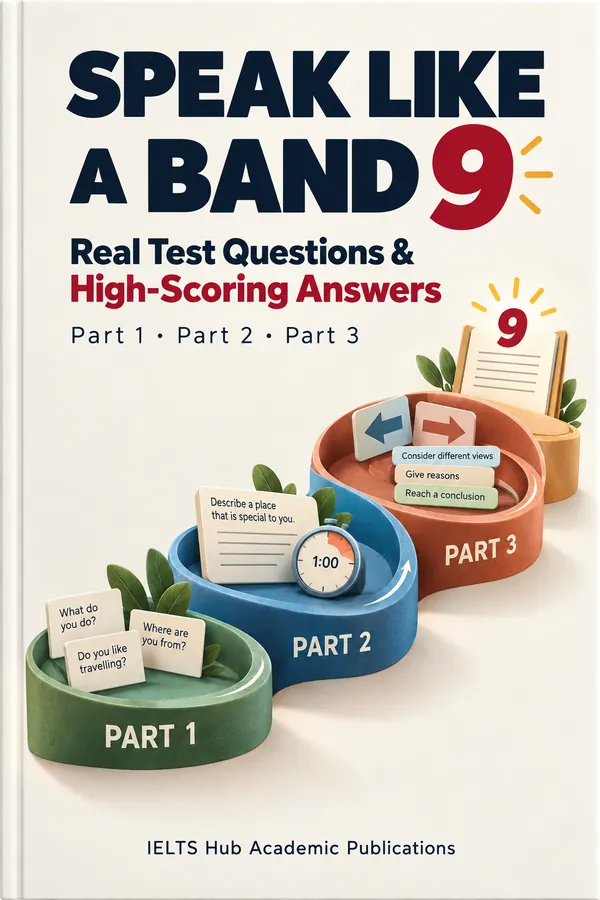
Speaking
Speak Like a Band 9
Real Test Questions & High-Scoring Answers
₹299$9.99CAD 13.99AUD 14.99£7.99NZD 16.99€8.99AED 39SGD 12.99

Speaking
Band 7+ Speaking Expressions
300 natural expressions for fluent, flexible speaking
₹199$6.99CAD 8.99AUD 9.99£4.99NZD 10.99€5.99AED 24SGD 8.99

Speaking
Speaking Tips for IELTS
Proven Strategies for Band 8.0+
₹299$9.99CAD 13.99AUD 14.99£7.99NZD 16.99€8.99AED 39SGD 12.99