Speaking test #217
Part 1 · Interview
4 to 5 minutes. The examiner asks about you and familiar topics.
Can you tell me your full name?
Where are you from?
Do you work or are you a student?
How popular are bicycles in your hometown? [Why?
?] Bicycles are actually quite popular in my hometown. I think a lot of people opt for them as a more environmentally-friendly mode of transportation, especially since our city has a pretty good network of bike lanes and paths. Plus, with the rise of bike-sharing programs, it's become easier for people to access them when they need them.
How often do you ride a bicycle? [Why/Why not?
?] I try to ride my bike as often as possible, both for the exercise and because it's a more sustainable option for getting around. However, I do live in a city with unpredictable weather, so sometimes it's not practical to ride if it's pouring rain or there's a snowstorm.
Do you think that bicycles are suitable for all ages? [Why/Why not?
?] I think that bicycles can definitely be suitable for all ages, as long as the person is comfortable and able to ride safely. Of course, there are some limitations for younger children or elderly individuals, but with the right equipment and precautions, I don't see any reason why anyone of any age couldn't enjoy the benefits of cycling.
What are the advantages of a bicycle compared to a car? [Why?
?] There are so many advantages of a bicycle compared to a car. For one, they're much more eco-friendly, as they don't emit any harmful emissions. They're also much cheaper to maintain and operate, since you don't have to pay for gas or insurance. Additionally, cycling is a great form of exercise, and it can be a really enjoyable way to get around. Plus, with more and more cities investing in bike lanes and infrastructure, it's becoming easier and safer to ride a bike as a mode of transportation.
How did you get here today?
I took the train to get here today. It was a very smooth journey and I arrived on time for my IELTS exam.
Do you often use public transport?
Yes, I do. I find it to be a convenient and cost-effective way to travel, especially in the city where I live.
Do you like public transport in your country?
I love it! Public transport in my country is very efficient and reliable. There are a variety of options available, such as buses, trains, and subways, which makes it easy for me to get around.
What is the difference between taking the bus and taking the train?
The main difference between taking the bus and taking the train is the speed and distance that can be covered. Buses are generally slower and only travel within a specific area, while trains can cover longer distances at a faster speed. Additionally, trains typically have more comfortable seating and amenities compared to buses.
You will have to talk about the topic for one to two minutes. You have one minute to think about what you are going to say. You can make some notes to help you if you wish.
Thing that has become fashion or matter of status
You should say:
- What is the thing
- How it has become a fashion or status symbol
- Who is influenced by this trend
- Your opinion on this trend
What is the thing
In recent years, owning a luxury car has become a prevalent trend in India, transforming from a mode of transportation to a symbol of status and fashion. These high-end vehicles, such as BMW, Audi, and Mercedes, are now more than just means of getting from point A to B; they represent elegance, success, and social standing.
How it has become a fashion or status symbol
The rise of social media and celebrity culture has significantly contributed to the glorification of luxury cars, making them aspirational items for many individuals. Celebrities and influencers showcasing their fancy rides on platforms like Instagram and YouTube have influenced a wide audience to associate these cars with wealth and prestige.
Who is influenced by this trend
The trend of owning luxury cars primarily appeals to the urban middle and upper classes in India. Young professionals, entrepreneurs, and affluent families view these vehicles as a statement of their achievements and social standing. For them, driving a high-end car is not just about transportation but also about making a statement and gaining respect in society.
Your opinion on this trend
Personally, I believe that while owning a luxury car can be a source of pride and satisfaction for individuals who have worked hard to afford it, it should not define a person's worth or status in society. True success and happiness come from personal growth, relationships, and contributions to the community, rather than material possessions. It is essential to prioritize values such as integrity, compassion, and empathy over external symbols of status like luxury cars.
- Words
- 238
- Sentences
- 10
- Words per sentence
- 23.8
- Speaking time
- about 1.8 min
Counted at 130 words a minute. The exam gives you one to two minutes.
Part 3 · Discussion
4 to 5 minutes. The examiner asks broader questions linked to the cue card topic.
How do fashion trends show what society values now compared to previous decades?
Fashion has always been a fascinating mirror of societal values, and today’s trends are no exception. For instance, the rising popularity of sustainable fashion reflects a growing awareness about environmental issues and ethical consumption. In contrast, past decades often celebrated excess and opulence, showcasing a society that prized material wealth. Nowadays, we see a shift towards inclusivity and diversity, with brands embracing a broader spectrum of body types and identities, which speaks volumes about contemporary values around acceptance and representation. This transformation in fashion not only showcases what people prioritize but also encourages dialogue about important social issues, making it a dynamic aspect of our culture.
How much do you think people care more about style than usefulness when choosing their clothes?
I believe the extent to which people prioritize fashion over functionality can vary significantly depending on individual preferences and contexts. For many, especially in urban environments, there's a strong tendency to lean towards trendy styles that make a bold statement, even if it compromises comfort. However, practicality cannot be ignored; for instance, athleisure has become hugely popular because it combines both aesthetics and everyday wearability. Ultimately, I think a lot of people are seeking a balance—fashion that doesn’t sacrifice comfort, allowing them to express their personal style while still feeling at ease in their outfits. In today’s world, where social media influences so much, it’s fascinating to see how this dynamic continues to evolve!
How important is social media in influencing fashion trends and status symbols in today's world?
Social media plays an immensely pivotal role in shaping fashion trends and status symbols in today’s society. Platforms like Instagram and TikTok have transformed the way we consume fashion, allowing trends to emerge and spread at lightning speed. Influencers and celebrities showcase their styles, which can instantly become the epitome of what’s considered desirable, creating a culture where people feel pressure to keep up with the latest looks. Additionally, social media fosters a sense of community and connection, as users share their own interpretations of trends, making fashion more accessible and diverse. Overall, it’s fascinating to see how digital landscapes are influencing our perceptions of style and status, making fashion a truly dynamic aspect of modern life.
Why do you think some clothing items are seen as trendy while others aren't?
That’s a fascinating question! I believe that certain fashion items become status symbols largely due to a combination of brand perception and cultural significance. For instance, luxury brands often leverage their history and exclusivity to create an allure around their products, making them highly coveted. Additionally, social media plays a crucial role in amplifying these status symbols, as influencers and celebrities showcase them, which can elevate their desirability in the eyes of the public. On the other hand, fashion items that lack this kind of narrative or cultural cachet often remain overlooked, regardless of their quality or design. Ultimately, it’s a mix of marketing, societal values, and trends that dictates what becomes a symbol of status and what fades into the background.
How could views on fashion and status shift in the next ten years?
The perception of fashion and status is likely to undergo a significant transformation in the next decade. With the rise of sustainable fashion, consumers are becoming increasingly conscious of the social and environmental impact of their clothing choices. As a result, we might see a shift away from traditional luxury brands towards more ethically produced items, which could redefine what it means to have status in society. Additionally, as technology continues to evolve, we may witness the emergence of virtual fashion, where digital clothing and avatars could become symbols of prestige. This shift might make the connection between fashion and status more fluid, reflecting individual values and priorities rather than mere brand loyalty. Overall, the future of fashion seems poised to embrace a more inclusive and responsible ethos.
What actions can people take to encourage a more eco-friendly fashion and lessen its effect on status?
Individuals can take several meaningful steps to promote a more sustainable approach to fashion and mitigate its impact on status. Firstly, embracing a minimalist wardrobe can significantly reduce the urge to constantly buy new clothes, as people focus on quality over quantity. Additionally, supporting ethical brands that prioritize sustainable materials and fair labor practices can create a positive ripple effect within the industry. Furthermore, participating in clothing swaps or second-hand shopping not only extends the lifecycle of garments but also fosters a sense of community. Ultimately, by making conscious choices and encouraging others to do the same, we can collectively challenge the prevailing norms surrounding fashion and its association with status.
Go further with the books

Speaking
Speaking Tips for IELTS
Proven Strategies for Band 8.0+
₹299$9.99CAD 13.99AUD 14.99£7.99NZD 16.99€8.99AED 39SGD 12.99
Speaking
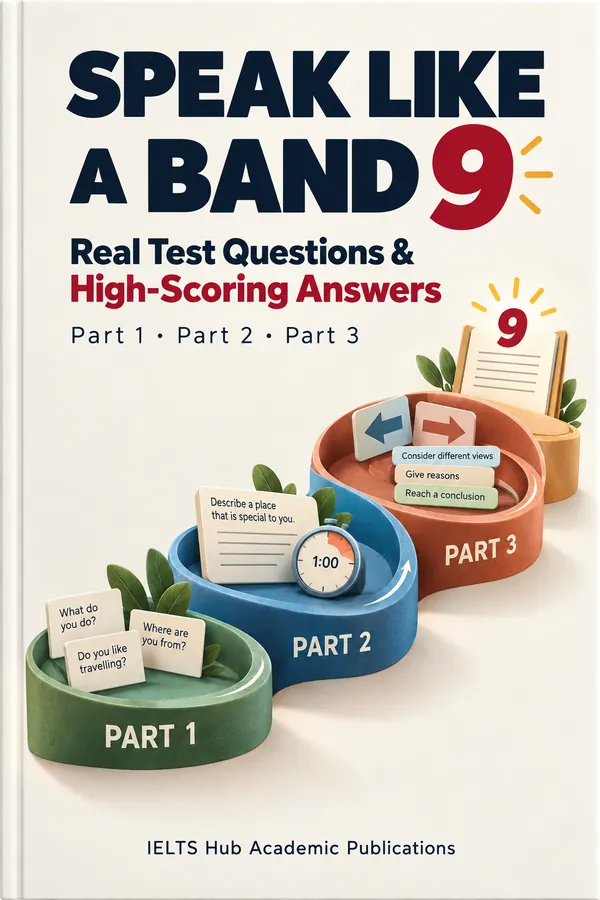
Speak Like a Band 9
Real Test Questions & High-Scoring Answers
₹299$9.99CAD 13.99AUD 14.99£7.99NZD 16.99€8.99AED 39SGD 12.99

Speaking
Band 7+ Speaking Expressions
300 natural expressions for fluent, flexible speaking
₹199$6.99CAD 8.99AUD 9.99£4.99NZD 10.99€5.99AED 24SGD 8.99