Speaking test #218
Part 1 · Interview
4 to 5 minutes. The examiner asks about you and familiar topics.
Can you tell me your full name?
Where are you from?
Do you work or are you a student?
Do you Think it’s Important to be on time?
Absolutely, being on time is crucial in both personal and professional settings. It shows respect for others' time and demonstrates responsibility and punctuality. Being late can also have negative consequences, such as missing out on important opportunities or causing inconvenience for others.
How do you Feel When others are Late?
When others are late, I can feel quite frustrated and sometimes even disrespected. It can disrupt the flow of a planned event or meeting and cause delays and inconvenience for everyone involved. However, I understand that unexpected circumstances can happen, so I try to remain understanding and patient.
How do you Feel When you are Late?
When I am late, I feel quite guilty and apologetic. I understand the inconvenience it can cause for others and I always make sure to communicate any delays or changes in plans. I also try to take steps to ensure that I am on time in the future, such as planning ahead and leaving extra early.
Do you Wear a Watch?
Yes, I do wear a watch. I find it to be a useful tool for keeping track of time and ensuring that I am on time for appointments and meetings. It also eliminates the need to constantly check my phone for the time, which can be a distraction.
Did you do puzzles in your childhood?
Oh, absolutely! I have fond memories of spending hours upon hours completing jigsaw puzzles with my family. It was always such a fun and challenging activity for us to do together.
Do you like doing word puzzles or number puzzles? Which is more difficult for you?
I love both types of puzzles, but I would have to say that word puzzles are my favorite. I find them to be incredibly stimulating for my mind and they always make me feel accomplished when I complete them. However, I find that number puzzles can be quite challenging for me as I'm not as strong in math as I am in language.
When do you do puzzles, during your trip or when you feel bored?
I try to do puzzles whenever I have some free time, whether it be during a trip or when I'm feeling bored. I find that puzzles are a great way to keep my mind active and occupied, and they're also a great stress reliever for me.
Do you think it is good for old people to do puzzles?
Absolutely! I think that puzzles are a wonderful activity for older adults as they help to keep the mind active and sharp. They can also help to improve memory and cognitive function, which can be particularly beneficial for older adults. Additionally, puzzles can be a great way for older adults to socialize and bond with others, as they can be completed in groups or with family members.
You will have to talk about the topic for one to two minutes. You have one minute to think about what you are going to say. You can make some notes to help you if you wish.
Game or sport you have participated in
You should say:
- What game or sport it was
- When and where you played it
- Who you played with
- How you felt about the experience
I would like to talk about my experience playing cricket, which is a popular sport in India. I had the opportunity to participate in a local cricket tournament during my college days. It was an inter-college competition held at a nearby ground in my hometown. I played alongside my classmates and friends who shared the same enthusiasm for the game.
During the tournament, I vividly remember the excitement and adrenaline rush I felt every time I stepped onto the field. The competitive spirit among the teams and the support from the spectators created a vibrant and energetic atmosphere. Despite the pressure of performing well, I thoroughly enjoyed every moment of the game. It was not just about winning or losing but about the camaraderie and teamwork that brought us all together.
Playing cricket with my friends not only improved my skills in the game but also strengthened our bond as a team. The experience taught me the value of collaboration, discipline, and perseverance. I felt a sense of pride representing my college and giving my best on the field. Overall, the experience of participating in the cricket tournament was unforgettable and left me with cherished memories that I will always hold dear.
- Words
- 202
- Sentences
- 12
- Words per sentence
- 16.8
- Speaking time
- about 1.6 min
Counted at 130 words a minute. The exam gives you one to two minutes.
Part 3 · Discussion
4 to 5 minutes. The examiner asks broader questions linked to the cue card topic.
What are the differences between the physical and mental benefits of playing sports and those from playing games?
That's a great question! The physical benefits of participating in sports are often more pronounced, as they typically involve rigorous exercise routines that enhance cardiovascular health, build muscle strength, and improve overall fitness. On the other hand, playing games—especially those that are more casual or recreational—might not deliver the same intensity of physical activity but can still promote physical coordination and agility. When it comes to mental benefits, sports often foster a sense of discipline and teamwork, as athletes must work together towards a common goal, which can lead to improved social skills and resilience. In contrast, games—particularly board games or video games—can enhance cognitive skills like strategy and problem-solving, offering a different kind of mental stimulation. Ultimately, while both sports and games contribute to overall well-being, they do so in distinct and complementary ways.
Why do some people care more about team sports than individual sports?
People often feel more passionate about team sports for several compelling reasons. Firstly, the sense of camaraderie that comes from working alongside teammates creates a strong emotional connection, making victories feel even more rewarding. Additionally, the thrill of shared experiences—like celebrating a hard-fought win or supporting each other through losses—can foster a deeper sense of belonging and community. Moreover, team sports often involve a wider range of personalities and roles, which can make the experience more dynamic and engaging. Lastly, for many, the excitement of competing as part of a group can amplify the adrenaline rush, making the sport feel more exhilarating and memorable.
How do you think playing sports helps people grow personally?
Participating in sports offers a myriad of benefits that significantly contribute to personal development. First and foremost, it fosters teamwork and collaboration, as individuals learn to work together towards a common goal, which is invaluable in both personal and professional contexts. Additionally, engaging in sports often helps to build resilience and perseverance, as athletes encounter challenges and setbacks, learning to push through adversity. Moreover, it promotes a sense of discipline and time management, as individuals must balance training and competitions with other responsibilities. Ultimately, the skills and values gained through sports can shape a person's character, making them more effective and well-rounded individuals.
Why do you think some people like competitive sports while others enjoy fun activities?
That's an intriguing question! I believe the attraction to competitive sports often stems from a desire for achievement and the thrill of pushing one's limits. Many individuals find the adrenaline rush of competition exhilarating, as it provides a clear goal and the opportunity to measure their performance against others. On the other hand, those who lean towards recreational activities might be more focused on enjoyment and relaxation. They may see sports as a way to unwind and socialize, rather than a means to compete. Ultimately, it boils down to personal preferences and what each individual values more in their sporting experience.
What differences could we notice in society if more people played sports and games often?
If more people engaged in sports and games regularly, we could witness a remarkable transformation in societal dynamics. Firstly, there would likely be a significant improvement in public health, leading to a decrease in lifestyle-related diseases, as an active lifestyle fosters better physical fitness and overall well-being. Moreover, sports have a unique ability to foster camaraderie and teamwork; this could strengthen community bonds and encourage a more cohesive society. Additionally, increased participation in sports could enhance mental health by providing an outlet for stress relief and promoting a sense of achievement. As people come together through shared activities, we might also see a decline in social isolation, which is a growing concern in today’s digital age. Overall, the ripple effects of a more sports-oriented culture could create a healthier, happier, and more connected society.
What steps can be taken to get younger people to join in sports more actively?
To encourage younger generations to participate more actively in sports, a multifaceted approach is essential. Firstly, schools could implement engaging sports programs that cater to diverse interests, making physical activity more appealing. Introducing after-school clubs and community tournaments can also foster a sense of friendly competition, which many young people thrive on. Furthermore, highlighting the benefits of sports through social media campaigns could resonate with younger audiences, showing them that staying active is not just healthy but also fun and rewarding. Lastly, collaboration with local sports clubs to offer free or subsidized membership could significantly lower barriers to entry, making sports more accessible to all.
Go further with the books

Speaking
Speaking Tips for IELTS
Proven Strategies for Band 8.0+
₹299$9.99CAD 13.99AUD 14.99£7.99NZD 16.99€8.99AED 39SGD 12.99
Speaking
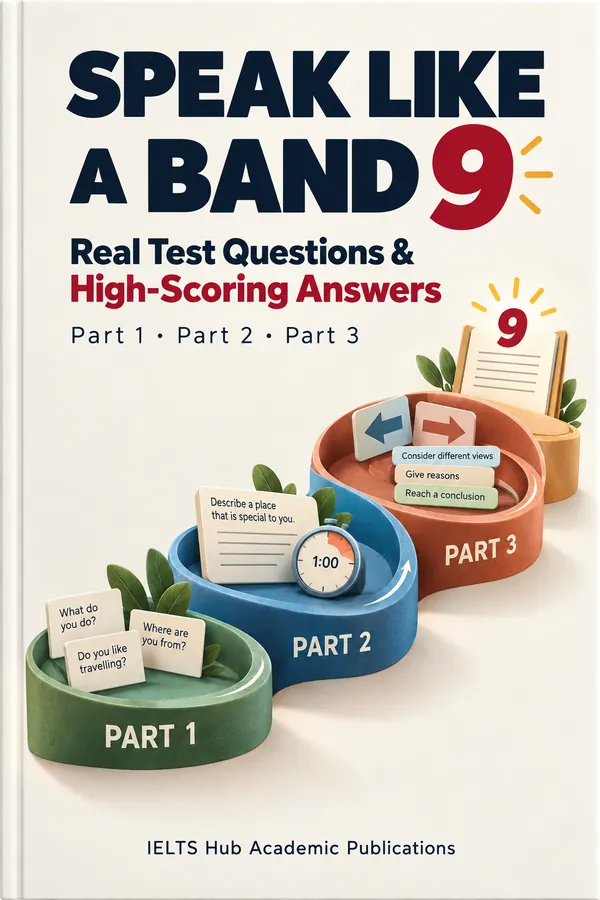
Speak Like a Band 9
Real Test Questions & High-Scoring Answers
₹299$9.99CAD 13.99AUD 14.99£7.99NZD 16.99€8.99AED 39SGD 12.99
Speaking
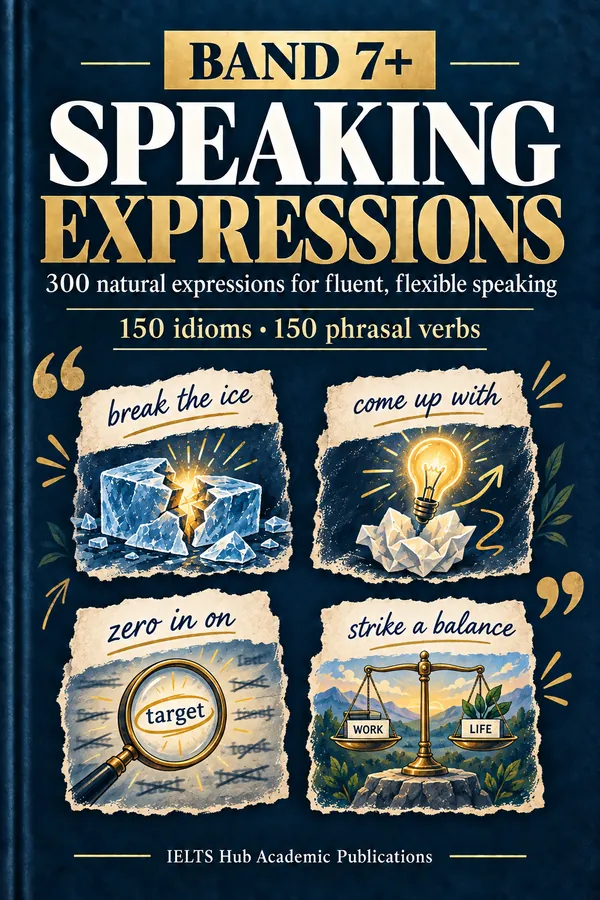
Band 7+ Speaking Expressions
300 natural expressions for fluent, flexible speaking
₹199$6.99CAD 8.99AUD 9.99£4.99NZD 10.99€5.99AED 24SGD 8.99