Speaking test #219
Part 1 · Interview
4 to 5 minutes. The examiner asks about you and familiar topics.
Can you tell me your full name?
Where are you from?
Do you work or are you a student?
Do you like rainy days?
Oh, absolutely! I find rainy days to be incredibly peaceful and relaxing. The sound of the raindrops hitting the windows and the ground is so soothing, and there's something about the grey and misty atmosphere that I find quite calming. Plus, it's the perfect excuse to curl up with a good book or watch a movie.
What do you do on rainy days?
On rainy days, I love to indulge in some self-care activities. I'll often light some candles and have a long, luxurious bath, or perhaps do some yoga or meditation to help me relax. I also enjoy cooking and baking, so I'll often spend some time in the kitchen experimenting with new recipes. And, of course, I always make sure to catch up on some reading or watch a movie or two.
Does it rain much in your country? (Where? When?
?) Well, I'm from [insert country], and the rainfall can vary quite a bit depending on where you are. In general, the coastal areas tend to get more rainfall than the inland regions. The rainy season typically starts around [insert month] and lasts until [insert month], but some years it can be quite heavy and last longer.
Is there any part of your country where it doesn’t rain much?
Yes, there are certain parts of my country that are known for their dry climate. For example, [insert region/city] is a desert area and receives very little rainfall throughout the year. On the other hand, [insert region/city] is known for its sunny and dry weather, making it a popular destination for tourists looking to escape the rain.
Do you like to read?
I absolutely adore reading! There's nothing quite like getting lost in a good book, whether it's a gripping thriller or a heart-wrenching romance. I find it to be a wonderful escape from the hustle and bustle of everyday life, and a great way to learn new things and expand my horizons.
Do you ever visit the library?
Yes, I visit the library quite frequently. I find it to be a great resource for finding new books to read, and I also love the peaceful and quiet atmosphere. Plus, it's a great way to support my local community and promote literacy.
Do you prefer reading books or watching films?
This is a tough question, as I love both reading books and watching films. However, if I had to choose, I would say that I prefer reading books. There's something about getting lost in the written word that I find incredibly captivating. Plus, books often offer a deeper and more complex exploration of characters and themes than films do.
Do you think it is essential that children read regularly?
Absolutely! Reading is such a crucial skill for children to develop, as it helps with everything from language development to problem-solving skills. Plus, reading is a great way for children to learn about the world around them, and to develop empathy and understanding for others. Regular reading can also be a great way to promote a lifelong love of learning and curiosity.
You will have to talk about the topic for one to two minutes. You have one minute to think about what you are going to say. You can make some notes to help you if you wish.
Describe any public event that you attended
You should say:
- What was the event
- Where and when it took place
- Who you went with
- Your overall experience and feelings about the event
What was the event
I would like to talk about the Diwali Festival that I attended last year in my hometown of New Delhi, India. It is one of the most significant and widely celebrated public events in India. The festival took place in October, during the new moon, when the night sky was lit up with colorful fireworks and diyas (oil lamps). The event spanned over five days, with each day holding special cultural and religious significance.
Where and when it took place
I attended the Diwali Festival with my family, including my parents, siblings, and grandparents. It has been a tradition in our family to come together during Diwali to celebrate and bond over the festive spirit. We all dressed in traditional Indian attire, shared delicious sweets and exchanged gifts with each other. The sense of togetherness and joy during the event made it even more special and memorable.
Who you went with
My overall experience at the Diwali Festival was truly magical. The vibrant decorations, the aroma of incense and sweets, and the sound of crackers filling the air created a lively and joyful atmosphere. Witnessing the grand fireworks display in the night sky was a breathtaking moment that filled me with awe and wonder. The event not only brought our family closer but also allowed me to immerse myself in the rich cultural heritage of India.
Your overall experience and feelings about the event
In conclusion, attending the Diwali Festival was an unforgettable experience that left me with a deep sense of pride in my culture and traditions. The event not only brought joy and happiness but also strengthened the bond within my family. I am grateful for the opportunity to participate in such a significant public event that showcases the beauty and spirit of India's cultural celebrations.
- Words
- 280
- Sentences
- 15
- Words per sentence
- 18.7
- Speaking time
- about 2.2 min
Counted at 130 words a minute. The exam gives you one to two minutes.
Part 3 · Discussion
4 to 5 minutes. The examiner asks broader questions linked to the cue card topic.
How do public events vary in their cultural meaning in different areas?
Public events can vary dramatically in their cultural significance depending on the region, as they often reflect the unique traditions, history, and values of a community. For instance, festivals like Diwali in India are not just celebrations; they embody deep-rooted beliefs and customs that have been passed down through generations, creating a sense of cultural identity among participants. In contrast, events such as the Carnival in Brazil showcase a lively mix of music, dance, and vibrant costumes, highlighting the country’s rich heritage and cultural diversity. Additionally, local events might serve to strengthen community ties and foster a sense of belonging, which can be especially important in more isolated or rural areas. Overall, the cultural significance of public events can serve as a window into the soul of a region, revealing much about its people and their way of life.
Some people think public events are important for bringing the community together, while others see them as just fun activities. What do you think about this?
I genuinely believe that public events play a crucial role in fostering community bonding. While it’s true that they provide a sense of escapism and entertainment, their impact goes far beyond mere enjoyment. These gatherings often create opportunities for individuals to connect over shared interests, values, and experiences, which ultimately strengthens the social fabric of a community. Moreover, events like festivals or parades can highlight local culture and traditions, creating a sense of pride among residents. So, in my opinion, they are not just about having fun; they are vital for building strong, interconnected communities.
How do public events help promote social values and encourage community involvement?
Public events play a vital role in fostering social values and enhancing community engagement. Firstly, they often serve as a platform for cultural exchange, where people from diverse backgrounds can come together, share their traditions, and foster mutual respect. This kind of interaction not only strengthens community ties but also promotes a sense of belonging among individuals. Additionally, events like festivals, charity runs, or community clean-ups can galvanize local residents to come together for a common cause, thereby cultivating a spirit of cooperation. Such initiatives encourage civic responsibility and a shared commitment to the community’s well-being. Overall, public events are instrumental in instilling a sense of pride and collective identity, ultimately enriching the social fabric of the community.
Why do you think people like going to public events even with the chance of crowds and noise?
I think there are several compelling reasons that draw people to public events, even with the potential for large crowds and noise. For one, there's a sense of community and shared experience that comes from being part of a gathering. Many individuals thrive on the energy of a crowd, which can create an electrifying atmosphere that simply can't be replicated in smaller settings. Additionally, public events often feature unique performances, exhibitions, or activities that spark curiosity and excitement, making them irresistible to many. Ultimately, the desire for social connection and the thrill of experiencing something together with others often outweigh the discomfort of the noise and crowds.
What changes could we expect in public events in the future because of new technology?
The nature of public events is likely to undergo significant transformations thanks to advancements in technology. For starters, we'll probably see a rise in virtual reality and augmented reality experiences, making events far more immersive and engaging for attendees. Imagine attending a concert where you can choose your vantage point or even interact with virtual elements—it's truly exciting to consider! Furthermore, the integration of live-streaming technology will allow people from all over the globe to participate in events they couldn't attend in person, effectively breaking down geographical barriers. Overall, these innovations promise to enhance accessibility and create a more dynamic experience for everyone involved.
What steps can organizers take to make sure public events are easy to get to and fun for everyone?
To ensure that public events are accessible and enjoyable for everyone, organizers should implement a range of thoughtful measures. First, they could focus on inclusive design by providing facilities such as wheelchair ramps, accessible restrooms, and designated viewing areas. Additionally, offering materials in various formats, like braille or easy-to-read versions, would cater to individuals with different needs. It's also essential to engage with the community prior to the event to gather feedback and understand the specific requirements of diverse groups. Lastly, ensuring that staff are trained in diversity and inclusion can significantly enhance the overall experience, making everyone feel welcome and valued.
Go further with the books
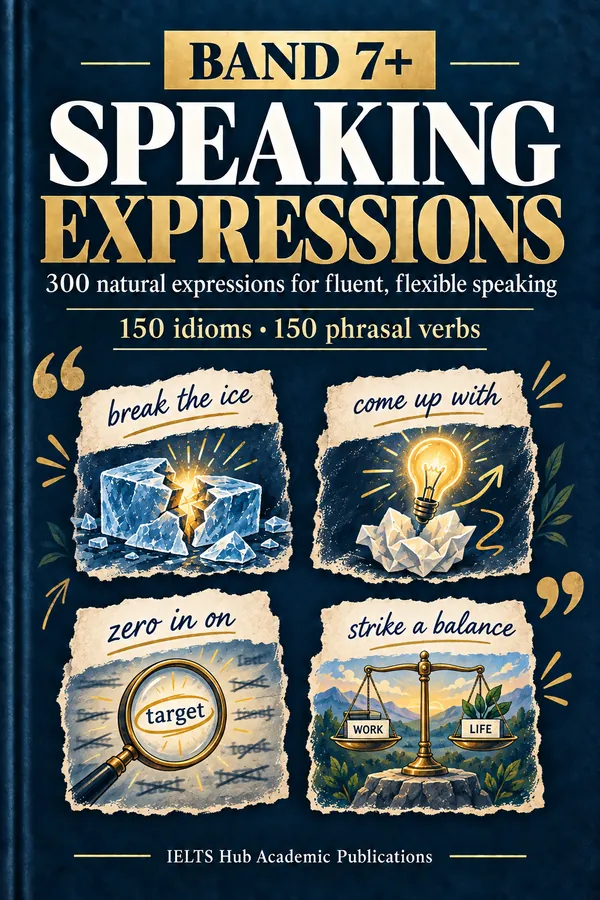
Speaking
Band 7+ Speaking Expressions
300 natural expressions for fluent, flexible speaking
₹199$6.99CAD 8.99AUD 9.99£4.99NZD 10.99€5.99AED 24SGD 8.99
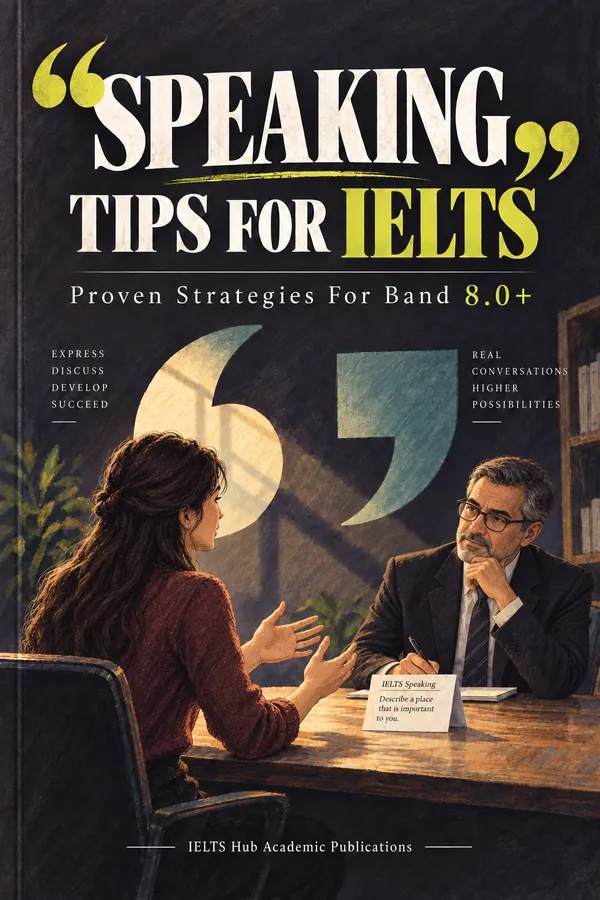
Speaking
Speaking Tips for IELTS
Proven Strategies for Band 8.0+
₹299$9.99CAD 13.99AUD 14.99£7.99NZD 16.99€8.99AED 39SGD 12.99
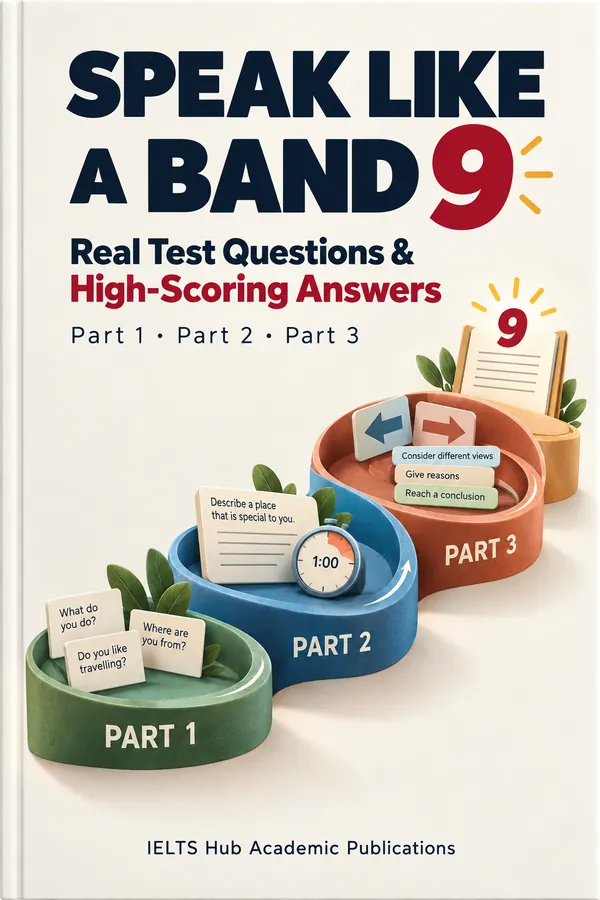
Speaking
Speak Like a Band 9
Real Test Questions & High-Scoring Answers
₹299$9.99CAD 13.99AUD 14.99£7.99NZD 16.99€8.99AED 39SGD 12.99