Speaking test #221
Part 1 · Interview
4 to 5 minutes. The examiner asks about you and familiar topics.
Can you tell me your full name?
Where are you from?
Do you work or are you a student?
What do you do to relax?
I find that reading a good book or listening to music are both great ways to relax and unwind. I also enjoy taking walks in nature, as the fresh air and peaceful surroundings help to clear my mind and reduce stress.
Do you think doing sports is a good way to relax?
Absolutely! I believe that participating in sports or other physical activities is an excellent way to relax and de-stress. Not only does it release endorphins and improve overall physical health, but it also provides a sense of accomplishment and a break from daily routine.
Do you think doing sports is a good way to relax?
Yes, I definitely think that doing sports is a good way to relax. It provides an outlet for pent-up energy and emotions, and can also help to improve mental health and overall well-being. Plus, it's a great way to socialize and make new friends.
Do you think students need more relaxing time?
I absolutely think that students need more relaxing time. With the pressure and demands of schoolwork and extracurricular activities, students can easily become overwhelmed and stressed. Allowing them more time to relax and unwind can help to improve their mental and emotional health, and ultimately lead to better academic performance.
Do you like robots?
I absolutely adore robots! The idea of having machines that can perform tasks, interact with humans, and even think for themselves is truly fascinating to me. I find the technology behind robots to be incredibly impressive and I am always excited to see new advancements in the field.
Would you want a robot to work in your home?
I would definitely consider having a robot work in my home. With the increasing need for automation and efficiency, having a robot to assist with tasks such as cleaning, cooking, and even taking care of children could greatly improve the quality of life for many households. Plus, the thought of having a robot butler is quite appealing to me.
What do you think about a robot driving your car?
I think the concept of a robot driving a car is very intriguing. With the advancements in technology, it is becoming increasingly possible to have self-driving cars on the roads. The idea of having a robot drive your car could greatly improve safety and reduce the number of accidents caused by human error. However, I do think there will be a lot of challenges to overcome before this becomes a reality.
Will robots replace human beings in the workplace completely?
I don't believe that robots will replace human beings in the workplace completely. While automation and technology can certainly improve efficiency and productivity, there are certain tasks that require human intuition and creativity. Additionally, many jobs require human interaction and emotional intelligence, which robots may not be able to replicate. However, I do think that robots will become increasingly prevalent in the workplace and will change the way we work.
You will have to talk about the topic for one to two minutes. You have one minute to think about what you are going to say. You can make some notes to help you if you wish.
True story that is popular among people
You should say:
- The background of the true story
- Key events or plot points in the story
- Impact of the story on people
- Reasons for its popularity
The background of the true story
I would like to tell you about a true story from Indian history that has captured the hearts of millions of people - the story of Rani Lakshmibai, also known as the Queen of Jhansi. Rani Lakshmibai was a fearless warrior queen who played a significant role in the Indian Rebellion of 1857 against the British East India Company.
Key events or plot points in the story
The key events in Rani Lakshmibai's story revolve around her bravery and determination to fight for the freedom of her kingdom. Despite facing numerous challenges and betrayals, she led her army into battle against the British forces, showcasing her unwavering courage and leadership skills. The iconic image of Rani Lakshmibai riding into battle on her horse with her infant son tied to her back has become legendary.
Impact of the story on people
The impact of Rani Lakshmibai's story on people is profound. She is revered as a symbol of courage, patriotism, and women empowerment in India. Her story continues to inspire generations of Indians to stand up against injustice and fight for their rights. Many books, movies, and poems have been dedicated to her life, keeping her legacy alive in the hearts of the people.
Reasons for its popularity
The reasons for the popularity of Rani Lakshmibai's story are manifold. Her extraordinary bravery, selflessness, and sacrifice have earned her a place in Indian folklore as a true hero. People are drawn to her story because it represents the indomitable spirit of resistance against oppression and tyranny. Rani Lakshmibai's legacy serves as a reminder of the importance of courage and determination in the face of adversity.
- Words
- 255
- Sentences
- 13
- Words per sentence
- 19.6
- Speaking time
- about 2.0 min
Counted at 130 words a minute. The exam gives you one to two minutes.
Part 3 · Discussion
4 to 5 minutes. The examiner asks broader questions linked to the cue card topic.
How do different cultures tell similar real stories, and how does this affect their communities?
That's a fascinating question! Different cultures often share similar true stories through the universal themes of love, sacrifice, and resilience. For instance, folktales about heroes overcoming adversity can be found in various cultures, highlighting the shared human experience. This not only fosters a sense of connection among diverse societies but also promotes values that resonate across borders. When these stories are told, they can inspire cultural exchange and understanding, allowing people to appreciate each other's backgrounds and traditions. Ultimately, the impact is profound, as these narratives can pave the way for greater empathy and collaboration among communities worldwide.
Some people think that real stories can affect people more than made-up ones. What do you think about this idea?
I absolutely agree that true stories often carry a more profound impact on individuals compared to fictional tales. When we hear about real-life experiences, there's an inherent authenticity that resonates deeply; it allows us to connect on a personal level. For example, stories of resilience in the face of adversity can inspire us to overcome our own challenges, making those narratives incredibly powerful. Additionally, true stories can serve as a mirror, reflecting societal issues and prompting meaningful discussions, which can lead to real change. In a world saturated with fiction, these genuine accounts can sometimes cut through the noise and leave a lasting impression on our hearts and minds.
How important do you think real stories are in influencing what people believe and value in society?
I believe true stories play a pivotal role in shaping public opinion and social values. When people hear authentic narratives, they can connect on a personal level, which often leads to greater empathy and understanding. For instance, documentaries or autobiographies about individuals overcoming adversity can inspire societal change and motivate action. Additionally, these stories often highlight injustices or underrepresented communities, prompting discussions that might not have occurred otherwise. In a world inundated with information, true stories cut through the noise, making complex issues more relatable and fostering a sense of shared humanity.
Why do you think real stories connect better with people than made-up ones in some cases?
I believe true stories often resonate more deeply with people because they carry an authenticity and a sense of genuine connection that fiction sometimes lacks. When individuals hear about real-life experiences, they can relate to the emotions and struggles depicted, making the narrative feel more relevant to their own lives. Additionally, true stories often highlight the resilience of the human spirit, which can be incredibly inspiring. In certain situations, like during times of crisis or personal hardship, these real-life accounts serve as a reminder that others have faced similar challenges and emerged stronger, fostering a sense of shared experience and hope. Ultimately, the power of a true story lies in its ability to evoke empathy and encourage reflection, which can be profoundly impactful.
How could the popularity of true stories change in the future with more digital media and social networks?
The popularity of true stories is likely to skyrocket in the future, especially with the rise of digital media and social networks. More and more people are craving authenticity, and true stories resonate deeply with audiences. Social media platforms are already overflowing with real-life narratives that connect individuals, and this trend will only intensify as we seek to share our experiences in a more genuine way. Additionally, the accessibility of digital content means that true stories can reach a wider audience, sparking discussions and fostering community around shared experiences. I believe that as technology evolves, so too will the platforms we use to tell these stories, perhaps even transforming how we perceive and engage with them.
What steps can be taken to make sure that true stories are shown honestly and respectfully to the people involved?
To ensure that the portrayal of true stories remains authentic and respectful, one crucial measure is conducting thorough research. This involves not just gathering facts, but also engaging with the individuals or their families to understand their perspectives and experiences deeply. Furthermore, involving experts, such as historians or cultural consultants, can help maintain historical accuracy and respect the context of the story. Additionally, creators should be mindful of the language they use; employing language that honors the individuals’ lived experiences can make a significant difference. Ultimately, striking a balance between artistic interpretation and factual representation is key to preserving the integrity of these narratives.
Go further with the books
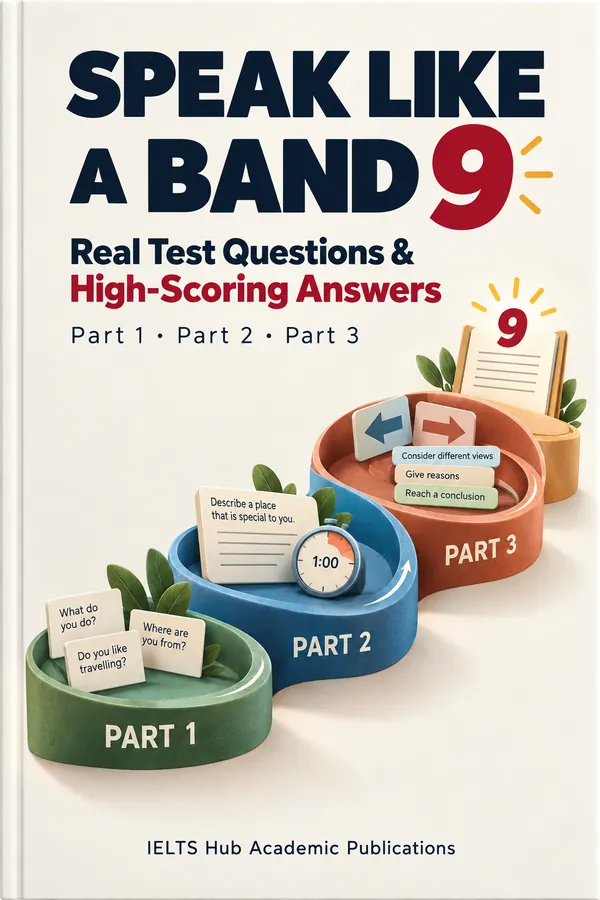
Speaking
Speak Like a Band 9
Real Test Questions & High-Scoring Answers
₹299$9.99CAD 13.99AUD 14.99£7.99NZD 16.99€8.99AED 39SGD 12.99
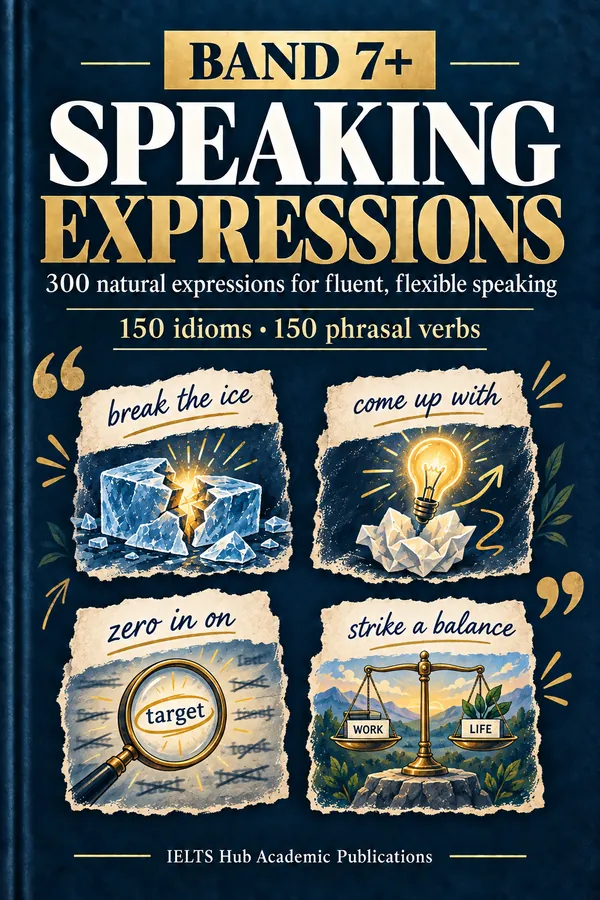
Speaking
Band 7+ Speaking Expressions
300 natural expressions for fluent, flexible speaking
₹199$6.99CAD 8.99AUD 9.99£4.99NZD 10.99€5.99AED 24SGD 8.99
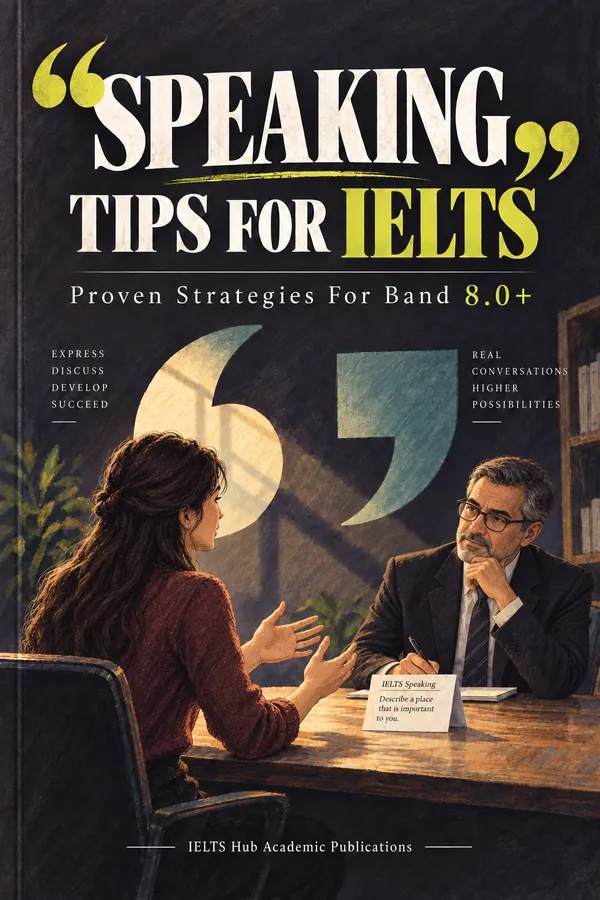
Speaking
Speaking Tips for IELTS
Proven Strategies for Band 8.0+
₹299$9.99CAD 13.99AUD 14.99£7.99NZD 16.99€8.99AED 39SGD 12.99