Speaking test #226
Part 1 · Interview
4 to 5 minutes. The examiner asks about you and familiar topics.
Can you tell me your full name?
Where are you from?
Do you work or are you a student?
Do you enjoy shopping for shoes?
I absolutely adore shopping for shoes! There's something so satisfying about trying on different styles and finding the perfect pair that fits both my feet and my personal style.
Is it easy for you to find shoes that you want to buy?
It can be a bit of a challenge at times, but I generally find it fairly easy to find shoes that I want to buy. I like to do my research ahead of time and have a clear idea of what I'm looking for before I head out to shop.
Do you prefer to wear fashionable shoes or comfortable shoes?
I prefer to wear comfortable shoes. I believe that the most important thing is that the shoes should be comfortable. If I am comfortable in my shoes, then I can walk around and feel confident.
Would you ever spend a lot of money on shoes?
I would definitely consider spending a lot of money on shoes if I found a pair that I absolutely loved and knew would last me a long time. Quality is very important to me and if a pair of shoes was well-made and durable, I would be willing to invest in them.
Do you like shopping?
I absolutely adore shopping! It's a great way to unwind and discover new things. Plus, I find it really satisfying to find the perfect item, whether it's clothes, accessories or home decor.
Do you compare prices when you shop?
Definitely, I always make sure to compare prices before making a purchase. I believe that it's important to be a smart shopper and get the most value for your money. I usually check different websites, as well as physical stores, to get the best deal.
Is it difficult for you to make a choice when you shop?
It can be challenging at times, especially when there are so many options to choose from. However, I try to make a decision based on my needs and budget. I also make sure to read reviews and do some research before making a final decision.
Is shopping a popular activity in your country (India)?
Yes, shopping is definitely a popular activity in India. From bustling markets to high-end malls, there are countless options for shoppers to choose from. Additionally, with the rise of e-commerce, online shopping has become increasingly popular in India as well.
You will have to talk about the topic for one to two minutes. You have one minute to think about what you are going to say. You can make some notes to help you if you wish.
Describe something special that you saved money to buy
You should say:
- What the item was
- How long you saved money for it
- Why it was important to you
- How you felt when you finally purchased it
What the item was
I'd like to talk about the DSLR camera that I saved money to buy, which has been a significant milestone in my life. It took me almost a year to save enough money to purchase this camera, as it was quite expensive and required careful planning and dedication to set aside a portion of my income each month. The reason this camera was so important to me was because of my passion for photography. I have always been fascinated by capturing moments and expressing myself through photography, and owning a professional-quality camera was essential to further develop my skills and pursue my passion.
How long you saved money for it
Saving up for this DSLR camera was a challenging but rewarding experience. It required discipline and sacrifice to resist the temptation of spending money on other things. However, every time I added a little more to my savings, I felt a sense of achievement and motivation to keep going. The thought of being able to enhance my photography skills and create stunning images with the new camera kept me focused and determined throughout the saving process.
Why it was important to you
When I finally purchased the DSLR camera after a year of saving, I was overwhelmed with a mix of emotions - pride, excitement, and gratitude. Holding the camera in my hands for the first time felt surreal, like a dream come true. I was thrilled at the prospect of exploring its features, experimenting with different settings, and capturing high-quality images. It was a moment of fulfillment and satisfaction, knowing that my hard work had paid off and that I now had a powerful tool to fuel my passion for photography.
How you felt when you finally purchased it
In conclusion, saving money to buy the DSLR camera was a significant achievement for me, not just in terms of acquiring a valuable possession, but also in terms of personal growth and commitment towards my passion. The camera continues to hold a special place in my heart, reminding me of the dedication and perseverance it took to fulfill my dream. It serves as a constant source of inspiration and motivation for me to keep honing my photography skills and pursuing what I love.
- Words
- 352
- Sentences
- 15
- Words per sentence
- 23.5
- Speaking time
- about 2.7 min
Counted at 130 words a minute. The exam gives you one to two minutes.
Part 3 · Discussion
4 to 5 minutes. The examiner asks broader questions linked to the cue card topic.
What are the different reasons people save money for special things in various cultures?
That's a fascinating question! The reasons people save money for special items can vary significantly across cultures, often influenced by societal values and economic conditions. For instance, in some cultures, saving for a home or education is seen as a priority due to the emphasis on family and long-term stability, while in others, there might be a stronger focus on immediate gratification, such as travel or experiences. Additionally, cultural traditions can play a role; in certain societies, people might save for a wedding or a coming-of-age ceremony, viewing these events as pivotal milestones that warrant financial investment. Overall, understanding these diverse motivations not only highlights the richness of cultural perspectives but also underscores how financial habits can reflect broader societal norms.
How do people feel satisfied when they buy something they have saved up for?
When individuals purchase something they've saved for, they often experience a profound sense of accomplishment. This feeling stems from the anticipation and effort that went into saving, which can make the eventual purchase immensely satisfying. Moreover, the item itself may hold significant personal value, whether it's a new gadget, a piece of clothing, or even a memorable trip. The joy is not just in the item, but in the realization that they have successfully achieved a goal through dedication and patience. Additionally, this experience can also foster a greater appreciation for the things they have, leading to a more mindful approach to spending in the future.
How does saving money for special things help a person learn about managing their finances?
Saving money for special items plays a crucial role in a person's overall financial education. It teaches individuals the value of delayed gratification, which is essential for making informed financial decisions. When someone sets aside money for something they truly desire, they learn budgeting skills and how to prioritize their spending, which can lead to better financial habits in the long run. Additionally, reaching that savings goal can foster a sense of achievement and responsibility, reinforcing the idea that financial planning can lead to rewarding outcomes. Ultimately, this practice not only helps individuals acquire special items but also instills a deeper understanding of money management that will benefit them throughout their lives.
Why do you think people usually feel closer to things they worked hard to buy than to things they got as presents?
That's a fascinating question! I believe the emotional connection people have with items they've saved for stems from the effort and sacrifice involved in acquiring them. When someone works hard and puts aside money over time, that item becomes a tangible representation of their dedication and perseverance. In contrast, gifts, while often appreciated, can sometimes feel less personal or meaningful because they don't carry the same weight of personal investment. Additionally, there’s a sense of accomplishment that comes from achieving a goal, and that can make the item feel even more special. Overall, it's that journey of saving and the memories associated with it that deepens the attachment.
How could the way we save for special things change in the future as technology improves?
As technology continues to advance, I believe the trend of saving for special purchases will become more streamlined and efficient. With the advent of sophisticated budgeting apps and financial management tools, people are likely to find it easier to set aside funds for their desired items. Moreover, features like automated savings and personalized financial advice powered by AI could help individuals reach their goals faster. Additionally, the rise of digital currencies and payment options might encourage a more strategic approach to saving, as consumers can easily track their spending and saving habits in real time. Overall, I think we’ll see a more proactive attitude towards saving, making special purchases feel more accessible than ever before.
What ways can people use to make saving for special things easier?
To make saving for special items more achievable, people can adopt a few effective strategies. Firstly, setting a specific savings goal is crucial; having a clear target amount creates a sense of purpose and motivation. Additionally, establishing a dedicated savings account can help keep those funds separate from everyday expenses, making it less tempting to dip into them. Another great approach is to automate savings, where a certain amount is transferred directly from a paycheck into the savings account. This way, the savings process becomes seamless and less of a burden. Lastly, employing the practice of tracking expenses can highlight areas where one can cut back, allowing for more funds to be allocated towards that special item.
Go further with the books
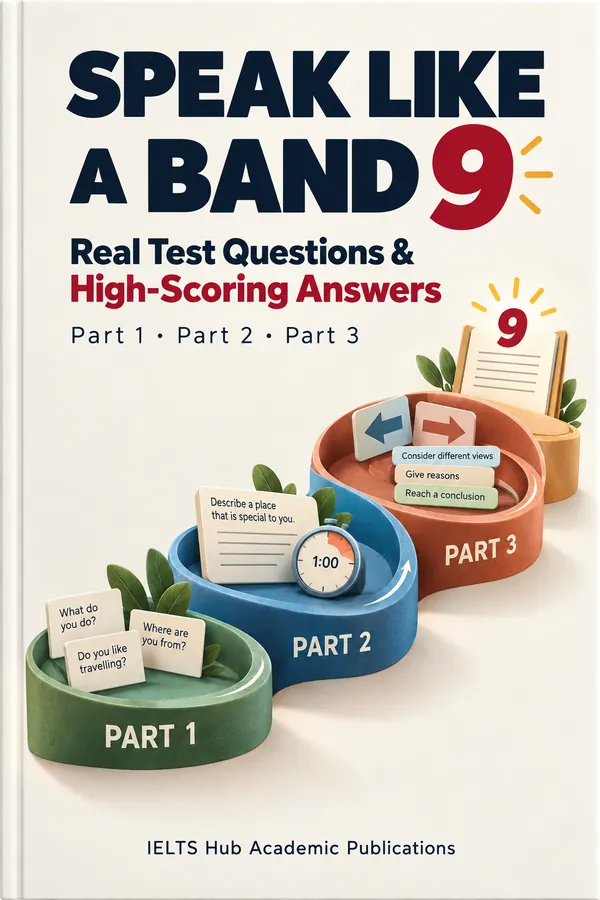
Speaking
Speak Like a Band 9
Real Test Questions & High-Scoring Answers
₹299$9.99CAD 13.99AUD 14.99£7.99NZD 16.99€8.99AED 39SGD 12.99
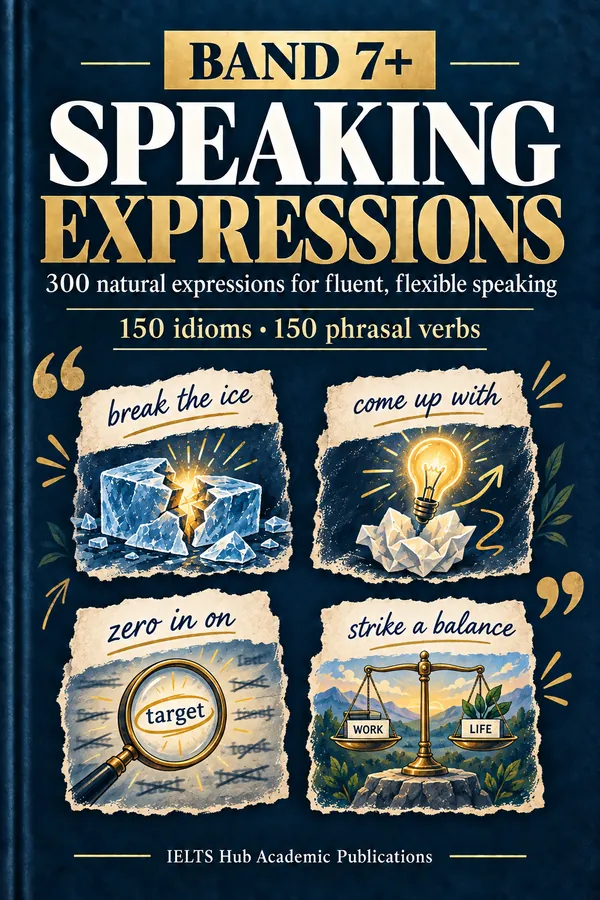
Speaking
Band 7+ Speaking Expressions
300 natural expressions for fluent, flexible speaking
₹199$6.99CAD 8.99AUD 9.99£4.99NZD 10.99€5.99AED 24SGD 8.99
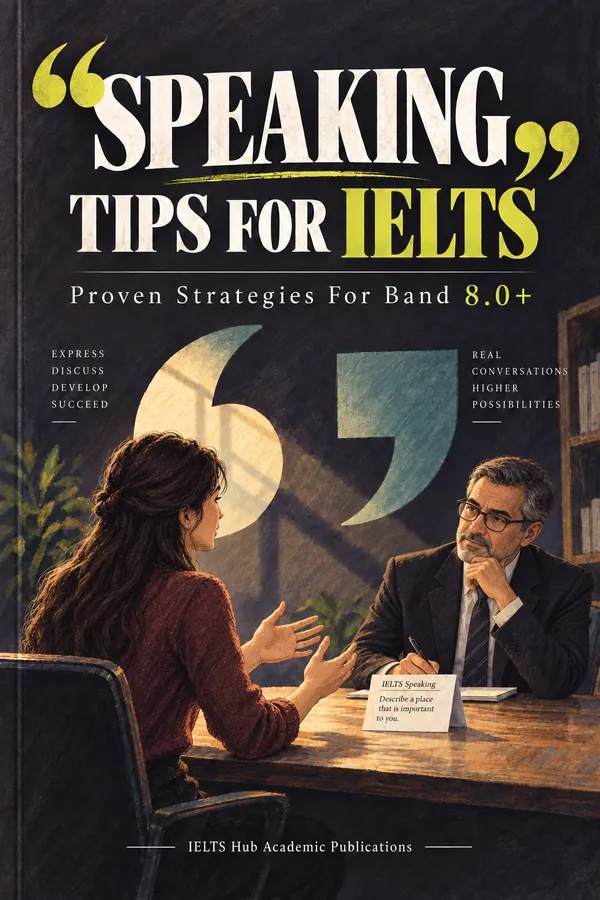
Speaking
Speaking Tips for IELTS
Proven Strategies for Band 8.0+
₹299$9.99CAD 13.99AUD 14.99£7.99NZD 16.99€8.99AED 39SGD 12.99