Speaking test #227
Part 1 · Interview
4 to 5 minutes. The examiner asks about you and familiar topics.
Can you tell me your full name?
Where are you from?
Do you work or are you a student?
Do you like to sing?
Yes, I absolutely love to sing. Singing is one of my favorite pastimes and it brings me a great deal of joy and happiness.
When do you like to sing?
I like to sing whenever I have the opportunity to do so. Whether it's in the shower, while I'm cooking, or even while I'm driving, I always try to find an excuse to let my voice soar.
Is it difficult to sing well?
It can be quite challenging to sing well, especially if you're trying to hit high notes or hold a long note. However, with practice and dedication, anyone can learn to sing well and improve their skills over time.
Would you want to be a popular singer?
I would love to be a popular singer. It would be a dream come true to be able to share my passion for singing with a wide audience and to be able to make a difference in people's lives through my music. However, even if I never become a popular singer, I will always continue to sing as it brings me immense joy and happiness.
Where is your favourite place to sit?
My favourite place to sit would have to be in my garden. It's a small space but it's surrounded by greenery and it's the perfect spot for me to relax and unwind after a long day. The sound of birds chirping and the gentle breeze makes it feel like a sanctuary.
Do you always sit down for a long time?
No, I don't always sit down for a long time. I try to make sure I take regular breaks and move around to keep my body active. Sitting down for prolonged periods of time can be bad for your health, so I try to be mindful of that.
Do you feel sleepy when you are sitting down?
It depends on the situation. If I'm tired and it's late at night, then yes, I might feel sleepy when I'm sitting down. But if I'm in a stimulating environment or if I'm engaged in a conversation or activity, then I'm less likely to feel sleepy.
When you were a kid did you usually sit on the floor?
Yes, when I was a kid I used to sit on the floor quite often. I remember playing with my toys on the floor and sometimes I would even do my homework on the floor. It was a lot more comfortable for me than sitting on a chair.
You will have to talk about the topic for one to two minutes. You have one minute to think about what you are going to say. You can make some notes to help you if you wish.
Describe an important lesson you learned in primary school
You should say:
- What was the lesson
- How did you learn the lesson
- Why was it important
- How has it influenced you since then
What was the lesson
During my time in primary school in India, an important lesson that left a lasting impact on me was the value of perseverance. This lesson was imparted to us by our science teacher during a challenging project where we had to create a working model of a simple machine.
How did you learn the lesson
I vividly remember the countless hours my classmates and I spent in the school's science lab, facing setbacks and failures along the way. However, our teacher consistently emphasized the importance of not giving up and encouraged us to keep trying until we succeeded. Through this experience, I learned that success often requires hard work, patience, and determination.
Why was it important
This lesson has been crucial in shaping my attitude towards challenges and obstacles. Understanding the value of perseverance has helped me navigate difficult situations with resilience and a positive mindset. I have applied this lesson not only in my academic pursuits but also in various aspects of my personal and professional life.
How has it influenced you since then
Overall, the lesson of perseverance that I learned in primary school has been instrumental in my growth and development. It has instilled in me a sense of resilience, determination, and grit that continue to guide me through life's challenges. I am grateful for the opportunity to have learned this valuable lesson at a young age, as it has undoubtedly influenced my outlook on success and failure.
- Words
- 224
- Sentences
- 11
- Words per sentence
- 20.4
- Speaking time
- about 1.7 min
Counted at 130 words a minute. The exam gives you one to two minutes.
Part 3 · Discussion
4 to 5 minutes. The examiner asks broader questions linked to the cue card topic.
How are the lessons learned in elementary school different from those in high school?
That's a fascinating question! The lessons learned in primary school often focus on fundamental skills, such as basic literacy and numeracy, which lay the groundwork for all future learning. In contrast, secondary education tends to delve deeper into specific subjects, allowing students to explore diverse fields and develop a more critical understanding of the world around them. Moreover, the teaching style in primary school is usually more nurturing and hands-on, fostering creativity and social skills, while secondary education often emphasizes independent learning and critical thinking. This transition not only shapes students’ academic abilities but also prepares them for real-world challenges by encouraging them to take responsibility for their own learning. Overall, both stages are crucial, but they serve different purposes in a child's development.
How much can lessons from childhood affect a person's choices later in life?
The lessons learned in childhood can significantly shape a person's later life choices, often serving as the foundation for their values and decision-making processes. For instance, children who are taught the importance of hard work and perseverance are more likely to pursue ambitious goals and overcome challenges in adulthood. Moreover, early experiences with relationships and social interactions can influence how individuals navigate their personal and professional lives later on. In essence, these formative experiences can create a framework that guides individuals in making choices that align with their core beliefs and aspirations. Ultimately, the impact of childhood lessons can resonate throughout a person's life, affecting everything from career paths to personal relationships.
How important do you believe early education is in forming a person's character and values?
Early education is absolutely pivotal in shaping an individual's character and values. It’s during these formative years that children begin to develop their understanding of the world and their place in it. By instilling core values such as empathy, respect, and responsibility, educators can lay the groundwork for how children interact with others throughout their lives. Moreover, early education fosters critical thinking and problem-solving skills, which are essential for personal and professional growth. I genuinely believe that a strong foundation in early education not only influences individual character but also contributes to a more compassionate and cohesive society as a whole.
Why do kids need to learn from their experiences in school?
It's crucial for children to learn lessons from their experiences in school because these experiences shape their character and resilience. School is often the first place where they encounter both success and failure, and navigating these ups and downs helps them develop essential skills like problem-solving and emotional intelligence. Moreover, by reflecting on their experiences, children can cultivate a sense of self-awareness that will serve them well in later life. This kind of learning not only aids in their academic growth but also prepares them for the complexities of the real world. Ultimately, these lessons are foundational for building a strong, adaptable individual who can thrive in various situations.
How could what we learn in primary school change as teaching methods improve in the future?
The lessons learned in primary school are likely to undergo significant transformation as educational methods continue to evolve. With the rise of technology and innovative teaching techniques, we might see a shift towards more interactive learning experiences. For instance, rather than rote memorization, students could engage in project-based learning that fosters critical thinking and collaboration. Additionally, the integration of artificial intelligence in classrooms could provide personalized learning paths, allowing kids to learn at their own pace and style. Overall, the future of education seems poised to cultivate a more holistic and adaptable approach to learning, which will undoubtedly enrich the foundational lessons of primary school.
What steps can be taken to make sure important lessons are taught well in primary schools?
To ensure that valuable lessons are effectively taught in primary schools, several measures can be adopted. Firstly, teacher training programs should be enhanced to equip educators with innovative teaching methodologies that cater to diverse learning styles. It’s also crucial to integrate hands-on activities and real-world applications into the curriculum, as this can significantly increase student engagement and retention of knowledge. Moreover, fostering a supportive classroom environment where students feel comfortable expressing their thoughts can lead to more meaningful discussions and deeper understanding. Lastly, incorporating technology in the classroom can provide interactive learning experiences, making lessons more appealing and relatable to young learners.
Go further with the books
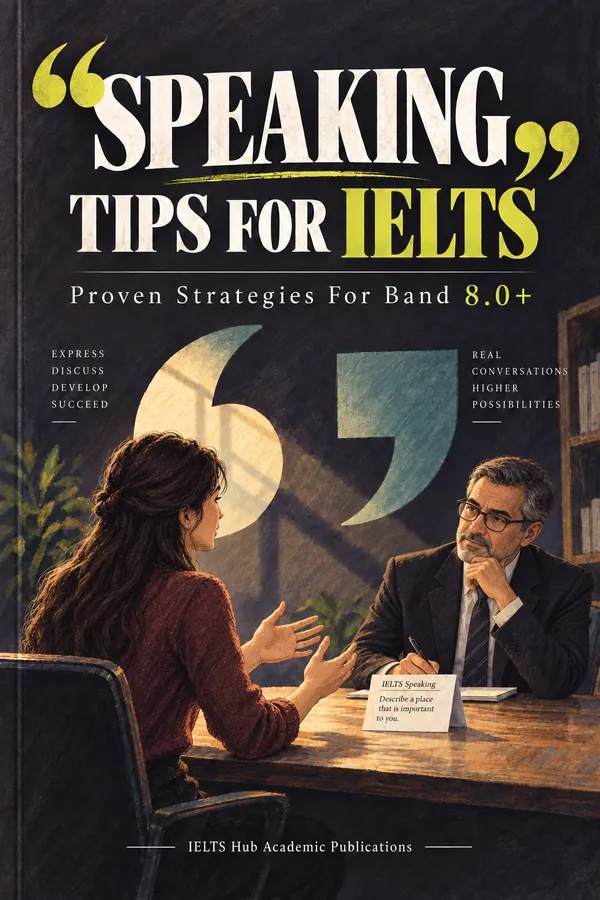
Speaking
Speaking Tips for IELTS
Proven Strategies for Band 8.0+
₹299$9.99CAD 13.99AUD 14.99£7.99NZD 16.99€8.99AED 39SGD 12.99
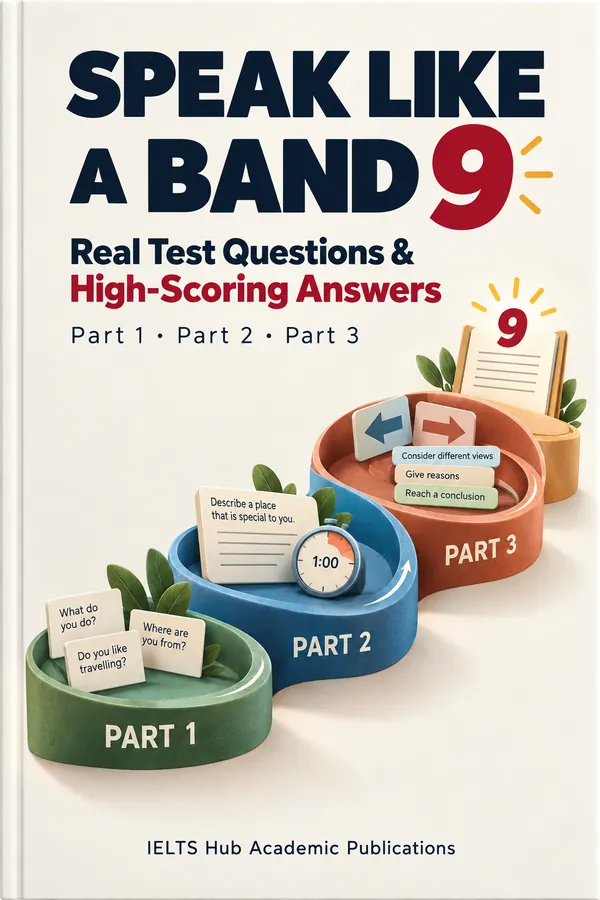
Speaking
Speak Like a Band 9
Real Test Questions & High-Scoring Answers
₹299$9.99CAD 13.99AUD 14.99£7.99NZD 16.99€8.99AED 39SGD 12.99
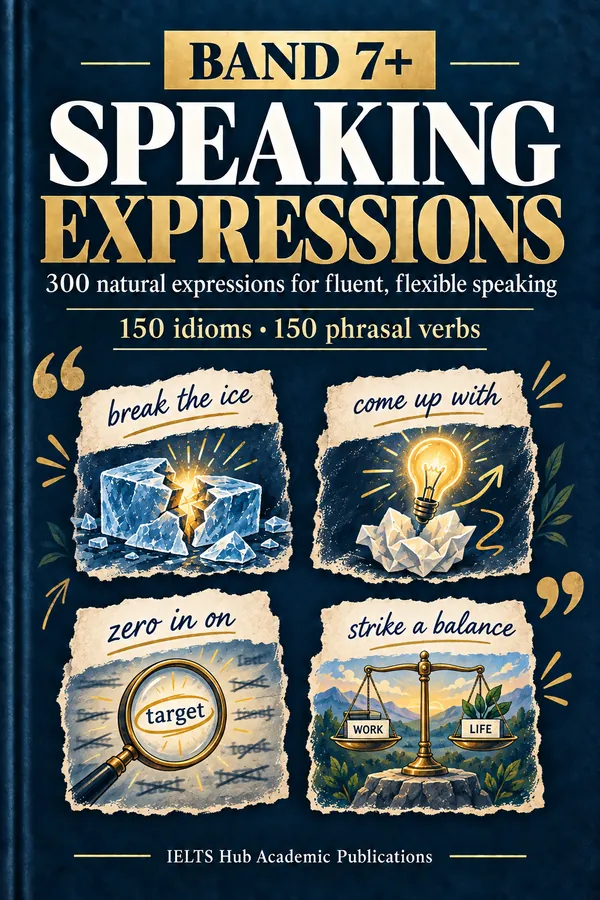
Speaking
Band 7+ Speaking Expressions
300 natural expressions for fluent, flexible speaking
₹199$6.99CAD 8.99AUD 9.99£4.99NZD 10.99€5.99AED 24SGD 8.99