Speaking test #231
Part 1 · Interview
4 to 5 minutes. The examiner asks about you and familiar topics.
Can you tell me your full name?
Where are you from?
Do you work or are you a student?
Do you mind noises?
Not at all, I actually find certain noises quite soothing and calming. However, I do understand that excessive noise can be quite disruptive and annoying.
What types of noise do you come across in your daily life?
I come across a variety of different noises in my daily life, such as traffic noise, construction noise, and the chatter of people in public places. I also hear the sounds of nature, like birds singing and the rustling of leaves in the wind.
Are there any sounds that you like?
Yes, I absolutely love the sound of waves crashing on the beach, the soft chirping of birds in the morning, and the gentle hum of a guitar being played. These sounds have a calming effect on me and make me feel at peace.
Do you think there’s too much noise in modern society?
I do believe that there is a lot of unnecessary noise in modern society, especially in urban areas. The constant sound of traffic, honking cars, and loud music can be quite overwhelming at times. However, I also think that it's important to appreciate and enjoy the sounds that are a part of our everyday lives, as they can bring us joy and remind us of the beauty of the world around us.
Do you want to travel in outer space?
Oh, absolutely! The thought of exploring the vast expanse of the universe and experiencing the sensation of weightlessness is truly exhilarating to me. The idea of seeing our planet from a completely different perspective and gaining a greater understanding of our place in the universe is something that I find truly fascinating.
What would you do if you had the opportunity?
If I had the opportunity to travel to outer space, I would definitely take advantage of it. I would spend time conducting research and experiments on the various phenomena that occur in space, such as the effects of microgravity on the human body. I would also spend time taking in the stunning views of Earth from afar and observing the other planets and celestial bodies in our solar system.
Do you think it’s necessary to see other planets?
I believe that it is necessary to explore other planets in order to gain a better understanding of our place in the universe and the possibilities for life beyond Earth. Studying other planets and their atmospheres, geology, and potential for habitability can provide us with valuable information about the origins of our own planet and the potential for life elsewhere in the galaxy.
Whom would you like to go with if you travel to space?
If I were to travel to space, I would love to go with a team of scientists and researchers who share my passion for exploration and discovery. I would also love to have the opportunity to bring along my family and friends to share the experience with them and create lasting memories together. Overall, the company of a team of dedicated and knowledgeable individuals would be an invaluable asset to any space journey.
You will have to talk about the topic for one to two minutes. You have one minute to think about what you are going to say. You can make some notes to help you if you wish.
Describe an important email you have received
You should say:
- Who sent the email
- What was the subject of the email
- Why the email was important to you
- How you felt after reading the email
Who sent the email
Receiving important emails in today's digital age is a common occurrence, but one particular email that left a lasting impact on me was from my university professor during my final year of studies. The email, sent by Dr. Gupta, the head of the department, had the subject line "Invitation to Present Research Paper at International Conference."
What was the subject of the email
The significance of this email cannot be overstated as it presented me with a unique opportunity to showcase my research on sustainable development practices at a prestigious international conference. Being selected to present my work among esteemed scholars in the field was a validation of my hard work and dedication throughout my academic journey.
Why the email was important to you
Upon reading the email, I was overwhelmed with a mix of emotions - excitement, pride, and a tinge of nervousness. The chance to share my findings on a global platform was a dream come true, and I felt a sense of accomplishment knowing that my work was being recognized at an international level.
How you felt after reading the email
In the days following the email, I diligently prepared my presentation, ensuring every detail was perfect. The email acted as a catalyst for me to delve deeper into my research, refining my arguments and strengthening my presentation skills. Overall, Dr. Gupta's email served as a turning point in my academic career, propelling me towards greater opportunities and instilling in me a newfound confidence in my abilities.
- Words
- 229
- Sentences
- 10
- Words per sentence
- 22.9
- Speaking time
- about 1.8 min
Counted at 130 words a minute. The exam gives you one to two minutes.
Part 3 · Discussion
4 to 5 minutes. The examiner asks broader questions linked to the cue card topic.
What makes important emails different from regular messages?
That's a fantastic question! The contents of important emails typically carry a weight that regular communications often lack. For instance, important emails usually contain critical information or decisions that can significantly impact a project or relationship, whereas regular communications might just involve casual updates or small talk. Additionally, the tone in important emails tends to be more formal and structured, aiming to convey respect and professionalism. You also often find that they include thorough details and a call to action, which you wouldn’t necessarily see in everyday exchanges. Overall, the distinction lies in the intent and the potential consequences of the message being conveyed.
Some people think that using electronic communication has made face-to-face interactions less important. What do you think about this?
I can definitely see where that perspective comes from. With the rise of social media and instant messaging, many people tend to opt for a quick text or a DM instead of face-to-face conversations. This shift can sometimes lead to a sense of disconnection in our relationships. However, I believe electronic communication has also enhanced our ability to stay in touch with friends and family, especially those who live far away. It offers a platform for sharing experiences and feelings in real-time, which can actually strengthen bonds if used wisely. Ultimately, it’s about finding a balance between online interactions and genuine personal connections.
How can getting an important email affect someone's job or personal life?
Receiving an important email can have a profound impact on both an individual's career and personal life. For instance, a job offer or promotion notification can be a significant turning point, potentially leading to increased responsibilities and opportunities for professional growth. On a personal level, an email containing news about a family member or friend can trigger a range of emotions, influencing one's overall well-being and perspective on life. Additionally, even an email that addresses a pressing issue in the workplace can foster a sense of urgency and motivate individuals to take proactive steps toward resolution. Ultimately, these digital communications can act as catalysts for change, shaping our paths in ways we may not immediately recognize.
Why do you think people usually recall the details of important emails better than other messages?
That's an intriguing question! I believe the primary reason people tend to remember the details of significant emails is because they often contain crucial information or important updates that can impact their lives or work. These emails usually evoke a stronger emotional response, whether it's excitement, anxiety, or even relief. Moreover, significant emails often require careful consideration and a thoughtful response, which makes the content more memorable. In contrast, casual messages tend to be more fleeting and might not carry the same weight, leading to a quicker forgetfulness. Overall, it’s the emotional and contextual significance of these emails that helps cement them in our memory.
How could the importance of key emails change in the future with new technology?
That's a fascinating question! As technology continues to advance at a rapid pace, the role of important emails is likely to transform significantly. For instance, we might see a shift towards automated communication systems that can prioritize and categorize emails based on urgency and relevance, making it easier for individuals to manage their inboxes effectively. Moreover, with the rise of artificial intelligence, we could have smart assistants that draft responses or even suggest actions based on the content of the emails received. Additionally, as more businesses embrace cloud-based solutions, the integration of emails with other communication tools could become seamless, allowing for a more holistic approach to managing work-related correspondence. Overall, while emails may still hold their ground, their function and utility could evolve to become even more streamlined and user-friendly in the future!
What steps can people follow to manage important emails well in their daily lives?
To effectively manage important emails in our daily routines, individuals can adopt a few practical strategies. Firstly, setting specific times to check emails can significantly reduce distractions and help maintain focus on other tasks. This way, we can avoid the constant urge to check inboxes, which often leads to inefficiency. Additionally, utilizing email filters and labels can help prioritize messages, ensuring that urgent matters are addressed promptly while less important emails can wait. Finally, taking a moment to draft concise responses can enhance communication and prevent inbox clutter, making it easier to stay organized. Overall, with a bit of discipline and the right tools, managing emails can become a seamless part of our daily routines.
Go further with the books
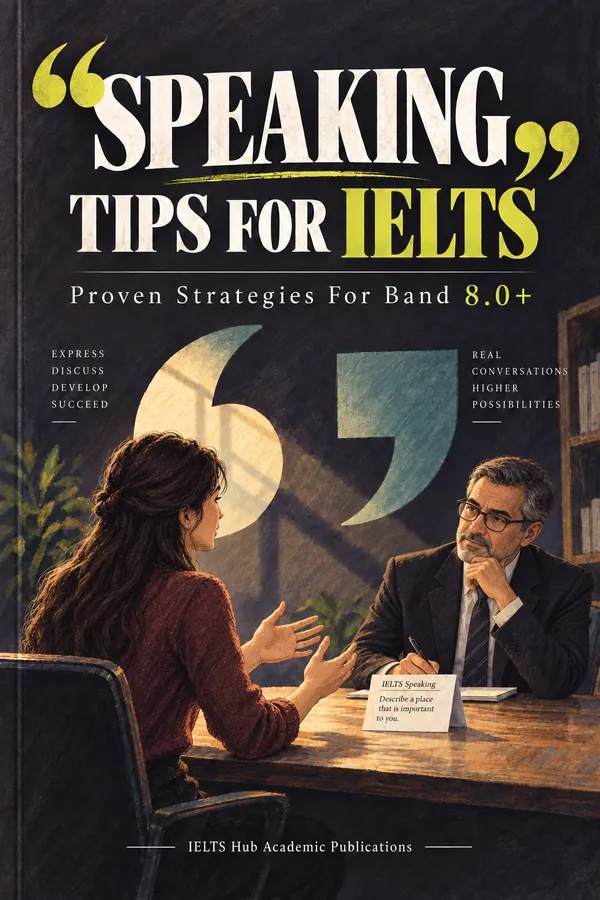
Speaking
Speaking Tips for IELTS
Proven Strategies for Band 8.0+
₹299$9.99CAD 13.99AUD 14.99£7.99NZD 16.99€8.99AED 39SGD 12.99

Speaking
Speak Like a Band 9
Real Test Questions & High-Scoring Answers
₹299$9.99CAD 13.99AUD 14.99£7.99NZD 16.99€8.99AED 39SGD 12.99

Speaking
Band 7+ Speaking Expressions
300 natural expressions for fluent, flexible speaking
₹199$6.99CAD 8.99AUD 9.99£4.99NZD 10.99€5.99AED 24SGD 8.99