Speaking test #237
Part 1 · Interview
4 to 5 minutes. The examiner asks about you and familiar topics.
Can you tell me your full name?
Where are you from?
Do you work or are you a student?
Do you like sunny days?
I absolutely adore sunny days. There's something about the warmth of the sun and the way it lights up the world that just puts me in a fantastic mood.
What do you like to do when it’s a sunny day?
When it's a sunny day, I like to take advantage of the beautiful weather by going for a hike or a bike ride. I find that being outdoors and getting some exercise is the perfect way to enjoy the sunshine.
Would you like to go outside when the weather is great?
Definitely. I believe that being outside and getting some fresh air is incredibly beneficial for both my physical and mental well-being. Plus, it's always more fun to be outside when the weather is pleasant.
Are there many sunny days in your hometown?
Unfortunately, not as many as I would like. My hometown is known for its rainy and cloudy weather, but I try to make the most of the sunny days when they do come around.
Do you like wearing sunglasses?
I absolutely adore wearing sunglasses. Not only do they protect my eyes from harmful UV rays, but they also add a certain level of sophistication and style to any outfit.
What types of sunglasses do you have?
I have quite a diverse collection of sunglasses, ranging from classic aviators to trendy cat-eye frames. I also have a pair of polarized lenses for when I'm engaging in outdoor activities such as hiking or fishing.
Where can you buy sunglasses?
Sunglasses can be purchased from a variety of places, including department stores, optometrist offices, and online retailers. I personally prefer to buy my sunglasses from high-end designer stores or specialty eyewear boutiques, as I believe the quality and craftsmanship of the frames are superior.
Do people in your country wear sunglasses?
Yes, people in my country definitely wear sunglasses. In fact, it's quite common to see individuals sporting a pair of shades, particularly during the summer months when the sun is at its strongest. Additionally, many individuals wear sunglasses year-round as a fashion accessory.
You will have to talk about the topic for one to two minutes. You have one minute to think about what you are going to say. You can make some notes to help you if you wish.
Describe a special toy you had in your childhood
You should say:
- What was the toy
- How you got the toy
- How you played with the toy
- Why the toy was special to you
What was the toy
As a child growing up in India, one of my most cherished possessions was a handcrafted wooden toy elephant that my grandfather gifted me. This intricately carved elephant was unique in its design, with detailed patterns etched into its body, making it stand out from my other toys.
How you got the toy
My grandfather, who was a skilled artisan, lovingly crafted this toy elephant for me on my fifth birthday. I remember the joy on his face as he handed me the toy, telling me stories about how he carved it from a single block of wood. This gift held a special place in my heart as it was not only a toy but also a symbol of my grandfather's love and craftsmanship.
How you played with the toy
I spent countless hours playing with the wooden elephant, creating elaborate imaginary scenarios where it would go on adventures with my other toys. Its sturdy build meant that it could withstand rough play, and its smooth texture was comforting to touch. Whether it was exploring the depths of a jungle made of cushions or leading a parade of toy soldiers, my wooden elephant was always at the center of my playtime.
Why the toy was special to you
The toy was special to me not just because of its aesthetic appeal or the way it entertained me, but because it represented a connection to my grandfather and the love he poured into creating something unique for me. Even as I grew older, the wooden elephant remained a cherished keepsake from my childhood, reminding me of the bond I shared with my grandfather and the joy of imaginative play.
- Words
- 260
- Sentences
- 10
- Words per sentence
- 26.0
- Speaking time
- about 2.0 min
Counted at 130 words a minute. The exam gives you one to two minutes.
Part 3 · Discussion
4 to 5 minutes. The examiner asks broader questions linked to the cue card topic.
How are today's childhood toys different from those in the past when it comes to how they look and what they do?
That's a fascinating question! Today's childhood toys have evolved significantly, both in terms of their design and functionality. For instance, modern toys often incorporate advanced technology, such as interactive features and augmented reality, which can provide a more immersive experience. In contrast, toys from the past were typically simpler, focusing on imaginative play and physical interaction, like building blocks or dolls made of wood. Additionally, contemporary toys are often designed with a strong emphasis on safety standards and educational value, aiming to stimulate cognitive development while keeping children safe. This shift reflects a growing awareness of child psychology and the importance of learning through play. Overall, while both past and present toys aim to entertain, the integration of technology and educational aspects has really transformed the landscape of childhood play.
How much do you think being attached to toys can affect a person's life later on?
Emotional attachment to toys can play a significant role in shaping a person’s later life, often influencing their values and relationships. For many children, toys are not just objects; they represent comfort and imagination, and this emotional connection can foster a sense of security and creativity. As adults, these individuals may carry forward the lessons learned during play, such as empathy and problem-solving skills. Additionally, the nostalgia associated with certain toys can evoke memories that provide emotional resilience during challenging times. Overall, the influence of toys extends far beyond childhood, often embedding itself in our adult psyche in ways we might not even realize!
How do childhood toys help kids develop creativity and imagination?
Childhood toys play a crucial role in the development of creativity and imagination in children. They provide a vibrant platform for kids to explore their thoughts and ideas, allowing them to engage in open-ended play. For instance, when children use building blocks, they aren't just stacking pieces; they're constructing entire worlds in their minds, which enhances their problem-solving skills and encourages innovative thinking. Moreover, toys that promote role-playing, like dolls or action figures, help children experiment with different scenarios and perspectives, which is essential for emotional and social development. Ultimately, the right toys can spark a child's imagination and lay the groundwork for a lifetime of creative thinking.
Why do you think some kids get more attached to certain toys than to others?
I believe the emotional connection that children develop with certain toys plays a significant role in forming stronger attachments. Toys often represent comfort and familiarity, especially during times of change or uncertainty in a child's life. For instance, a soft teddy bear might become a source of security and companionship, providing a sense of safety that a child craves. Additionally, the stories and experiences associated with specific toys can deepen those bonds; perhaps a toy was given on a special occasion, making it even more precious. Ultimately, these attachments reflect a child's desire for connection and the importance of nostalgia in their formative years.
How could the kinds of toys kids like change as technology keeps improving?
As technology continues to advance, I believe the types of toys that children prefer will undergo significant transformation. For instance, traditional toys like dolls and action figures might increasingly be replaced by interactive and immersive experiences, such as augmented reality games or robotic companions. These high-tech toys often offer a level of engagement that is hard to compete with, providing kids with not just entertainment but also opportunities for learning and development. Furthermore, as children become more tech-savvy, their expectations for toys will likely evolve, pushing manufacturers to innovate continuously. Ultimately, while timeless toys will always hold a special place, the future will undoubtedly be dominated by toys that blend fun with advanced technology.
What steps can parents take to help their kids have a healthy relationship with toys?
Parents play a crucial role in helping their children develop a healthy relationship with toys. One effective measure is to encourage creative play by providing a variety of toys that stimulate imagination rather than just passive entertainment. For instance, opting for building blocks or art supplies can foster critical thinking and problem-solving skills. Additionally, parents should set clear limits on the number of toys a child can have, promoting the idea of valuing what they possess instead of constantly acquiring more. Regularly engaging in playtime with their children also allows parents to model positive interactions and demonstrate that toys are tools for fun and learning rather than mere possessions.
Go further with the books
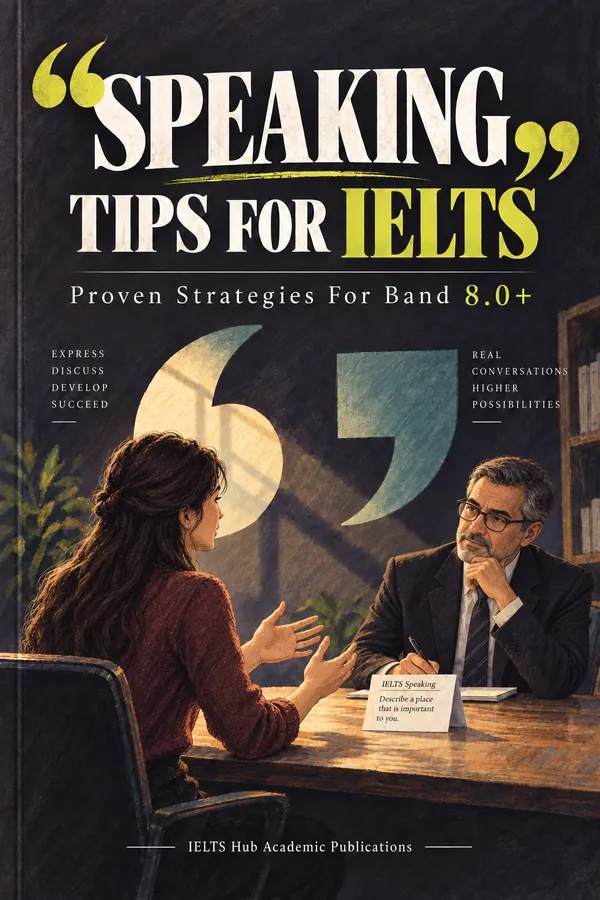
Speaking
Speaking Tips for IELTS
Proven Strategies for Band 8.0+
₹299$9.99CAD 13.99AUD 14.99£7.99NZD 16.99€8.99AED 39SGD 12.99
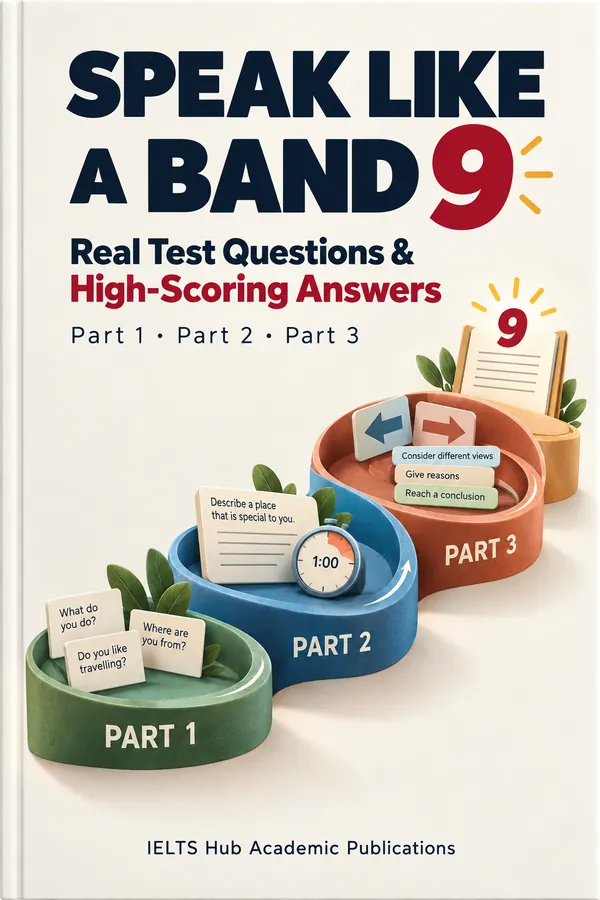
Speaking
Speak Like a Band 9
Real Test Questions & High-Scoring Answers
₹299$9.99CAD 13.99AUD 14.99£7.99NZD 16.99€8.99AED 39SGD 12.99
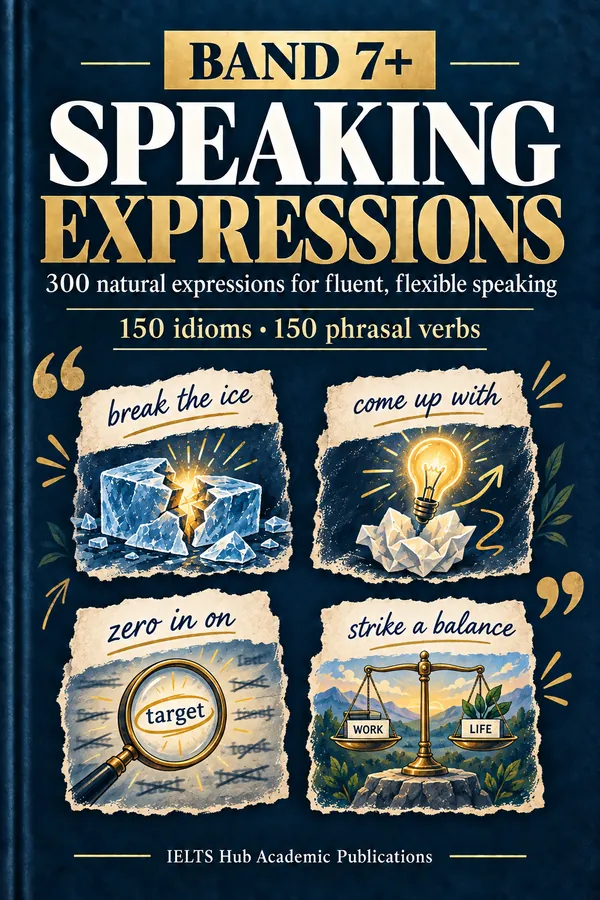
Speaking
Band 7+ Speaking Expressions
300 natural expressions for fluent, flexible speaking
₹199$6.99CAD 8.99AUD 9.99£4.99NZD 10.99€5.99AED 24SGD 8.99