Speaking test #240
Part 1 · Interview
4 to 5 minutes. The examiner asks about you and familiar topics.
Can you tell me your full name?
Where are you from?
Do you work or are you a student?
Do people in my country like to drink coffee or tea?
In my country, it's quite common for people to enjoy both coffee and tea. While some individuals may have a preference for one over the other, many enjoy drinking both depending on the occasion or their mood. It's not uncommon to see people sipping on a cup of coffee in the morning, and then switching to tea in the afternoon or evening.
Which do you prefer drinking, tea or coffee?
Personally, I have a slight preference for tea over coffee. I find that tea has a more calming and soothing effect on me, and I enjoy the wide variety of flavors and aromas that it offers. I also appreciate the fact that tea is generally considered to be a healthier option, as it contains antioxidants and other beneficial compounds.
Which do you prepare for your guests at home, tea or coffee?
When I have guests over at my home, I like to offer both tea and coffee as options. I typically have a selection of different teas available, such as green tea, black tea, and herbal blends, as well as a variety of coffee beans to choose from. I find that this allows my guests to select their drink of choice, and it also allows for some interesting conversations about tea and coffee culture.
When was the last time you drank tea or coffee?
The last time I drank tea or coffee would have been earlier today. I usually start my mornings with a cup of coffee to help wake me up and get me going, and then I'll switch to tea later in the day. In fact, I'm currently sipping on a cup of green tea as I answer these questions. It's a nice way to unwind and relax after a long day.
Who was your favorite teacher when you were young?
My favorite teacher when I was young was my primary school English teacher, Mrs. Smith. She was incredibly kind and patient, and always made an effort to connect with each of her students on a personal level. She was also an excellent communicator and was able to make learning fun and interactive. I will always be grateful for her guidance and support, as she played a significant role in my development as a writer and a reader. Q
Would you want to be a teacher in the future?
I would definitely consider becoming a teacher in the future. I have always been drawn to the idea of being able to inspire and guide young minds, and I believe that teaching is a noble and rewarding profession. Additionally, I am passionate about education and would enjoy the opportunity to work with students on a daily basis. Q
Have you ever had bad teachers before?
Yes, I have had bad teachers before. Unfortunately, I have had a few teachers who were disinterested, unorganized, and unapproachable. They were not able to create a positive learning environment, and as a result, I found it difficult to engage with the material and to stay motivated. However, I believe that these experiences have also taught me the importance of finding a teacher who is able to inspire and guide me.
You will have to talk about the topic for one to two minutes. You have one minute to think about what you are going to say. You can make some notes to help you if you wish.
Describe a piece of equipment or tool you often use at home
You should say:
- What is the equipment/tool
- How long you have been using it
- How it helps you in your daily life
- Any interesting incident related to its use
What is the equipment/tool
I would like to talk about the indispensable tool that I frequently use at home, which is my trusty rice cooker. This rice cooker has been a part of my kitchen for the past five years, and it has significantly simplified my cooking routine. Its convenience and efficiency have made it an essential part of my daily life.
How long you have been using it
The rice cooker plays a crucial role in my daily routine by saving me time and effort in preparing meals. As someone who enjoys cooking but has a busy schedule, the rice cooker has been a game-changer. I can simply add rice and water, press a button, and focus on other tasks while it perfectly cooks the rice. This not only ensures that I have a delicious and nutritious meal ready in no time but also allows me to multitask effectively.
How it helps you in your daily life
One interesting incident related to the use of my rice cooker happened when I tried to experiment with cooking different types of rice. I accidentally added too much water, causing the rice to turn out mushy and overcooked. It was a valuable lesson in understanding the importance of precise measurements in cooking. Despite this mishap, it highlighted the versatility of the rice cooker in handling various cooking challenges.
Any interesting incident related to its use
In conclusion, my rice cooker has become an essential tool in my kitchen that I rely on daily. Its user-friendly design, time-saving capabilities, and ability to cook perfect rice consistently have made it a valuable asset in my household. The incident of overcooking the rice served as a learning experience and reinforced the importance of following instructions carefully when using kitchen equipment.
- Words
- 269
- Sentences
- 14
- Words per sentence
- 19.2
- Speaking time
- about 2.1 min
Counted at 130 words a minute. The exam gives you one to two minutes.
Part 3 · Discussion
4 to 5 minutes. The examiner asks broader questions linked to the cue card topic.
How do the tools we use at home differ in various cultures or areas?
The tools we use at home can indeed vary significantly between different cultures and regions, reflecting local traditions and lifestyles. For example, in many Asian households, you'll often find a bamboo steamer, which is essential for preparing a variety of traditional dishes. In contrast, Western kitchens might be equipped with high-tech appliances like microwaves or air fryers, which cater to a fast-paced lifestyle. Additionally, the types of utensils and cookware can differ; for instance, in Mediterranean countries, you might see a lot of ceramic cookware, while in North America, non-stick pans are quite popular. These variations not only highlight the culinary practices of a region but also illustrate how cultural values influence daily life.
Some people think modern tools are necessary, while others value traditional tools more. What do you think about that idea?
I think it's a fascinating debate! On one hand, modern equipment undoubtedly enhances our efficiency and accuracy, making it indispensable in many fields, like medicine or engineering. These tools often incorporate cutting-edge technology that allows us to achieve results that were previously unimaginable. However, I believe traditional tools have a unique charm and value that shouldn’t be overlooked. They often represent a rich history and craftsmanship that can foster a deeper connection to our work. Ultimately, it seems to me that striking a balance between the two can lead to the most meaningful and effective outcomes.
How important do you think household tools are in our everyday lives and how much we get done?
Household equipment plays an incredibly significant role in our daily lives, acting as a catalyst for improved efficiency and productivity. For instance, appliances like washing machines and dishwashers save us countless hours that we can then devote to more meaningful activities, whether that's spending time with family or pursuing hobbies. Moreover, the advent of smart home technology has revolutionized the way we manage our households, allowing us to control various devices remotely and streamline our routines. In essence, these tools not only enhance our comfort but also contribute to a more organized and balanced lifestyle. It’s fascinating to think how, without these innovations, our lives would be much more labor-intensive and less enjoyable!
Why do you think people usually like some tools more than others for doing chores at home?
Individuals often develop a preference for specific tools based on a combination of personal experience and efficiency. For instance, someone might gravitate towards a particular brand of vacuum cleaner simply because they’ve found it to be more effective or easier to use. Additionally, the psychological comfort that comes from familiarity plays a significant role; if a person has used a certain tool for years and has had positive results, they are less likely to experiment with alternatives. Lastly, marketing and peer influence can also sway preferences, as people often seek tools that are popular or recommended by friends and family.
What changes do you think we could see in home gadgets in the next ten years?
I believe we’re on the brink of some truly exciting innovations in home equipment over the next decade! With the rise of smart technology, we can expect our homes to become even more interconnected and intuitive. For instance, appliances will likely be equipped with advanced AI that not only learns our preferences but also communicates with each other for optimized energy use. Imagine a refrigerator that can suggest recipes based on its contents or a washing machine that knows when to run during off-peak energy hours! Additionally, sustainability is becoming a major focus, so we might see more eco-friendly designs and materials that reduce our environmental footprint. Overall, the future of home equipment looks incredibly promising!
How can we get people to use more eco-friendly tools and equipment at home?
To encourage people to use more environmentally friendly tools and equipment at home, I believe a multi-faceted approach is essential. First, raising awareness through educational campaigns can make a significant impact; when people understand the long-term benefits of using eco-friendly products, they are more likely to make the switch. Additionally, government incentives, such as tax breaks or subsidies for purchasing green tools, could motivate homeowners to invest in these alternatives. It might also be beneficial to promote community workshops where people can learn about sustainable practices and even try out eco-friendly equipment firsthand. Ultimately, fostering a culture of sustainability in our communities could lead to a widespread shift in consumer behavior that prioritizes the environment.
Go further with the books
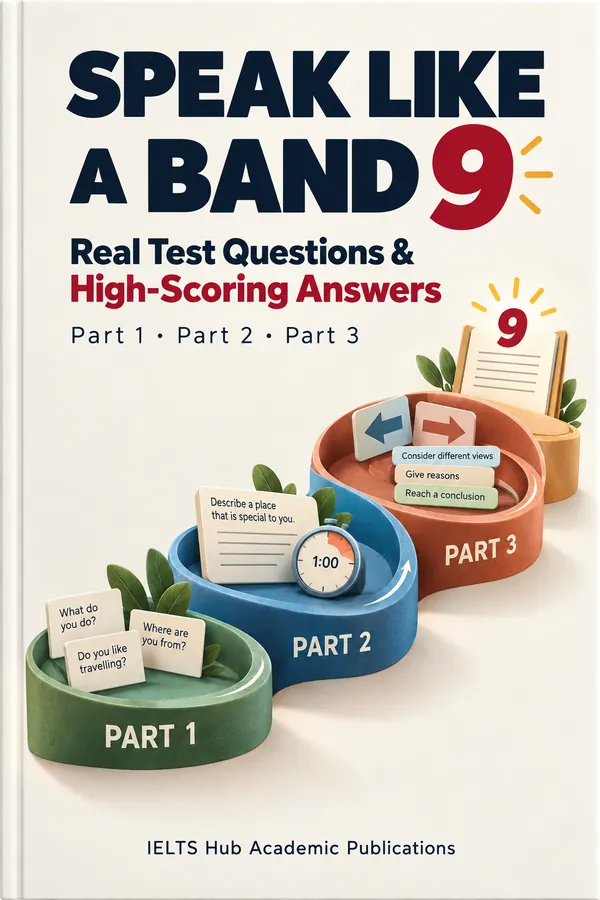
Speaking
Speak Like a Band 9
Real Test Questions & High-Scoring Answers
₹299$9.99CAD 13.99AUD 14.99£7.99NZD 16.99€8.99AED 39SGD 12.99
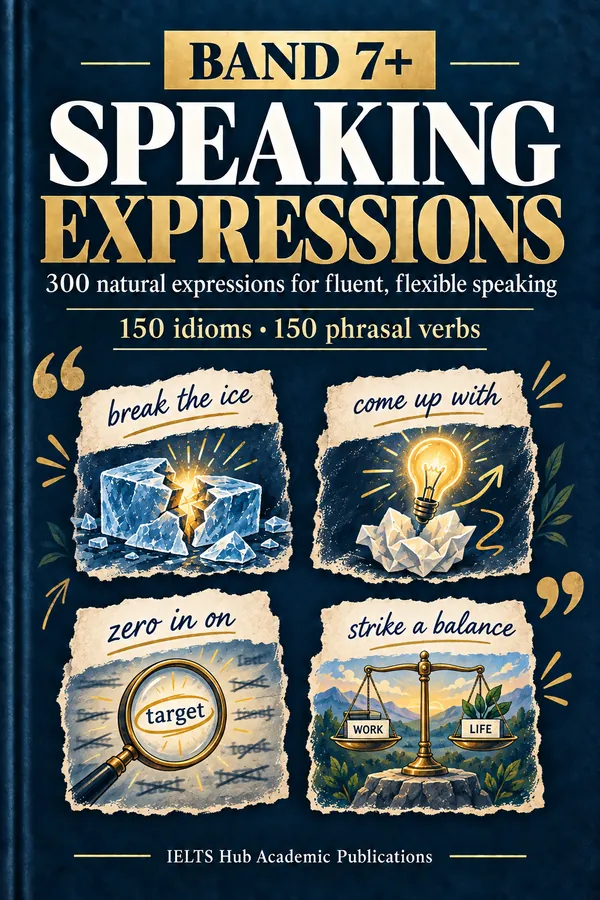
Speaking
Band 7+ Speaking Expressions
300 natural expressions for fluent, flexible speaking
₹199$6.99CAD 8.99AUD 9.99£4.99NZD 10.99€5.99AED 24SGD 8.99
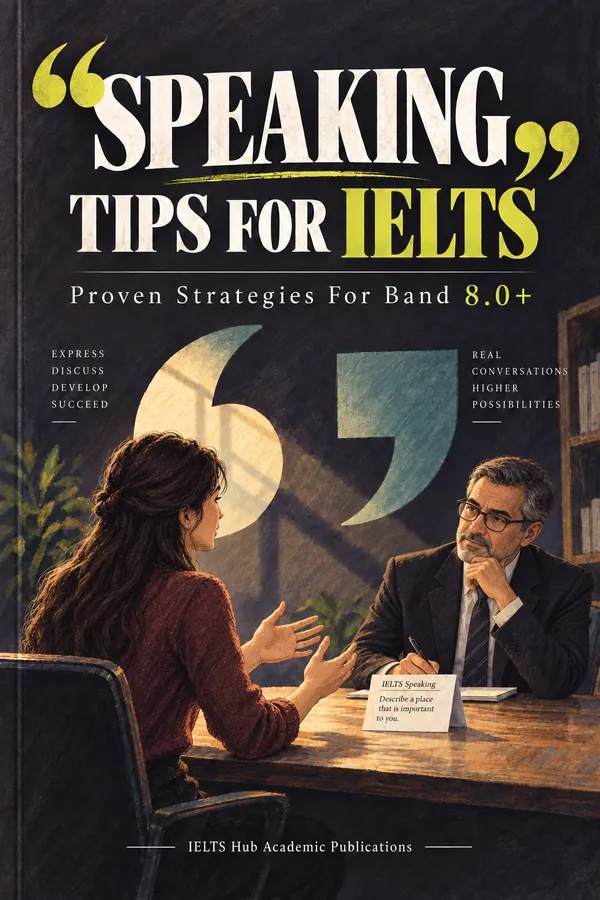
Speaking
Speaking Tips for IELTS
Proven Strategies for Band 8.0+
₹299$9.99CAD 13.99AUD 14.99£7.99NZD 16.99€8.99AED 39SGD 12.99