Speaking test #243
Part 1 · Interview
4 to 5 minutes. The examiner asks about you and familiar topics.
Can you tell me your full name?
Where are you from?
Do you work or are you a student?
What kind of TV programs do you like?
I am quite the eclectic viewer when it comes to TV programs. I enjoy a wide range of genres, from crime dramas and action-packed thrillers to comedic sitcoms and thought-provoking documentaries. I also have a fondness for historical dramas and foreign productions, as they often offer a unique perspective and cultural insight.
Do you often watch programs on TV or on your smartphone?
I tend to watch TV programs on both my TV and smartphone, depending on the situation. If I'm at home and have some free time, I'll usually watch on my TV, as the larger screen and surround sound enhance the viewing experience. However, if I'm on the go or have a shorter amount of time, I'll watch on my smartphone. It's a convenient way to catch up on my favorite shows while I'm commuting or waiting for an appointment.
Do you like watching the same kind of TV programs all the time?
Not at all. I thrive on variety, so I like to watch different types of programs and explore new genres. I find that constantly switching things up keeps my interest piqued and prevents me from getting bored. I also enjoy the surprise and excitement of discovering new programs that I might not have otherwise considered.
Do you talk with your friends about the TV programs that you watch?
Absolutely. I find that discussing TV programs with my friends is a great way to bond and share my interests. It's also a great way to discover new programs, as my friends often recommend shows that they think I'll enjoy. Additionally, discussing the themes, characters, and plotlines of a show can lead to some interesting and thought-provoking conversations.
Do you like texting?
I am quite fond of texting as it allows me to communicate with people in a quick and convenient manner. I find it particularly useful for short and informal conversations, as well as for arranging plans and appointments.
Have you ever received a confusing text message?
Yes, I have received a few confusing text messages in the past. Sometimes, I find that the message is not clear or that the context is missing, which can make it difficult to understand the intended meaning.
In what circumstances are making a phone call better than sending a text message?
I believe that making a phone call is better than sending a text message in certain situations, such as when discussing important or sensitive matters, when there is a need for immediate clarification, or when the conversation requires a more personal touch. Additionally, phone calls can be more effective in situations where tone and emphasis are important, such as when expressing emotions or giving instructions.
Have you ever had difficulty replying to a message?
Yes, I have had difficulty replying to a message in the past, particularly when the message is vague or unclear. In such cases, I often find myself rereading the message multiple times and trying to interpret the meaning. However, I try to clarify any confusion by asking follow-up questions or requesting more information.
You will have to talk about the topic for one to two minutes. You have one minute to think about what you are going to say. You can make some notes to help you if you wish.
Describe an important event in global history
You should say:
- What was the event
- When and where did it happen
- Why was it important
- How did it impact the world
What was the event
An important event in global history that has had a profound impact on the world is the Industrial Revolution. This pivotal event took place during the late 18th and early 19th centuries, primarily in Britain, before spreading to other parts of the world. The Industrial Revolution marked the transition from agrarian economies to industrialized societies, fundamentally changing the way goods were produced and leading to significant social and economic transformations.
When and where did it happen
The Industrial Revolution was a crucial turning point in history because it sparked unprecedented technological advancements and innovations. It saw the introduction of steam engines, mechanized production processes, and the use of new materials, revolutionizing industries such as textiles, iron and coal mining. This shift towards industrialization not only increased productivity and efficiency but also paved the way for modern infrastructure and transportation systems.
Why was it important
The impact of the Industrial Revolution on the world was far-reaching. It led to urbanization as people migrated from rural areas to cities in search of employment opportunities in factories. This mass migration resulted in the growth of urban centers and the emergence of a new social class - the industrial working class. Additionally, the Industrial Revolution fueled imperialism as industrialized nations sought to expand their empires in search of resources and markets for their manufactured goods.
How did it impact the world
In conclusion, the Industrial Revolution stands as a landmark event in global history due to its transformative effects on society, economy, and technology. Its legacy continues to shape the modern world, setting the stage for further industrial developments and laying the foundation for the interconnected global economy we see today.
- Words
- 261
- Sentences
- 12
- Words per sentence
- 21.8
- Speaking time
- about 2.0 min
Counted at 130 words a minute. The exam gives you one to two minutes.
Part 3 · Discussion
4 to 5 minutes. The examiner asks broader questions linked to the cue card topic.
How could the importance of this event vary in different countries or cultures?
The significance of an event can vary widely across different countries and cultures, primarily due to historical contexts, traditions, and societal values. For instance, a holiday like New Year's Eve might be celebrated with extravagant fireworks and parties in Western countries, while in some Eastern cultures, it may be a time for spiritual reflection and family gatherings. This divergence often stems from deeply rooted cultural practices and beliefs that shape how people perceive and celebrate important milestones. Additionally, the media portrayal of such events can also influence public sentiment, highlighting different aspects that resonate with various cultural backgrounds. Ultimately, these variations enrich our global tapestry, showcasing the beauty of diversity in how we commemorate moments that hold meaning to us.
Why do people have different views on how this event affects things?
Individuals often have differing perspectives on the impact of an event due to a variety of factors, including their personal experiences and cultural backgrounds. For instance, someone who directly experienced the event may perceive its consequences as profound and life-altering, while another who observed it from afar might see it as a minor occurrence. Additionally, people often interpret events through the lens of their values and beliefs, which can significantly shape their opinions. Economic status can also play a role; those who are financially affected may view the event much more negatively compared to those who remain unaffected. Ultimately, these diverse backgrounds and experiences create a rich tapestry of viewpoints that can lead to lively discussions and a deeper understanding of the event's broader implications.
How do you think this event has changed today's society?
Absolutely, events that have had a significant impact on society often leave a lasting legacy, and I believe this is particularly true for major historical moments. For instance, take the civil rights movement; it has fundamentally transformed societal norms and elevated awareness around issues of equality and justice. This movement not only inspired legislation that guaranteed rights for marginalized groups but also fostered a culture of activism that persists today. Moreover, it has influenced various sectors, from education to politics, encouraging a more inclusive approach that resonates with contemporary values. Overall, such events serve as a powerful reminder of the ongoing struggle for social progress and the importance of collective action.
Why do you think some historical events are remembered more than others?
That's a fascinating question! I think some events in history are remembered more than others due to their profound impact on society and the collective memory of people. For instance, major wars or revolutions often resonate deeply because they lead to significant social change or shift the balance of power. Additionally, events that are tied to strong emotional narratives, like civil rights movements or humanitarian crises, tend to stick in our minds because they highlight the struggles and triumphs of individuals or groups. Lastly, the way these events are taught in schools and portrayed in the media also plays a crucial role in shaping public perception and ensuring they remain part of the cultural consciousness.
How could what we learned from this event affect future global interactions?
The lessons learned from significant global events can profoundly shape future interactions between countries and cultures. For instance, if we consider the recent pandemic, nations have recognized the importance of collaborative efforts in addressing global challenges. This experience has emphasized the need for transparent communication and swift action, which are critical in crisis management. As countries navigate post-pandemic recovery, there’s a growing awareness that multilateral cooperation is essential for tackling issues like climate change and health crises. Ultimately, these lessons encourage a mindset that prioritizes unity over division, fostering a more interconnected world.
What steps can be taken to make sure future generations learn from this event?
To ensure that the lessons from significant events are imparted to future generations, a multifaceted approach is essential. Firstly, incorporating these lessons into the educational curriculum is crucial. Schools can create dedicated modules that not only cover historical facts but also delve into the underlying themes and implications of these events. Additionally, utilizing multimedia resources like documentaries or interactive workshops can make the learning experience more engaging and relatable for students. Moreover, community initiatives—such as public lectures, exhibitions, or even storytelling sessions—can foster a deeper connection to these lessons outside of the classroom. Finally, encouraging critical thinking and open discussions about these events can empower young people to draw parallels between the past and their own lives, ensuring that the wisdom gained is not just remembered, but actively applied in shaping a better future.
Go further with the books
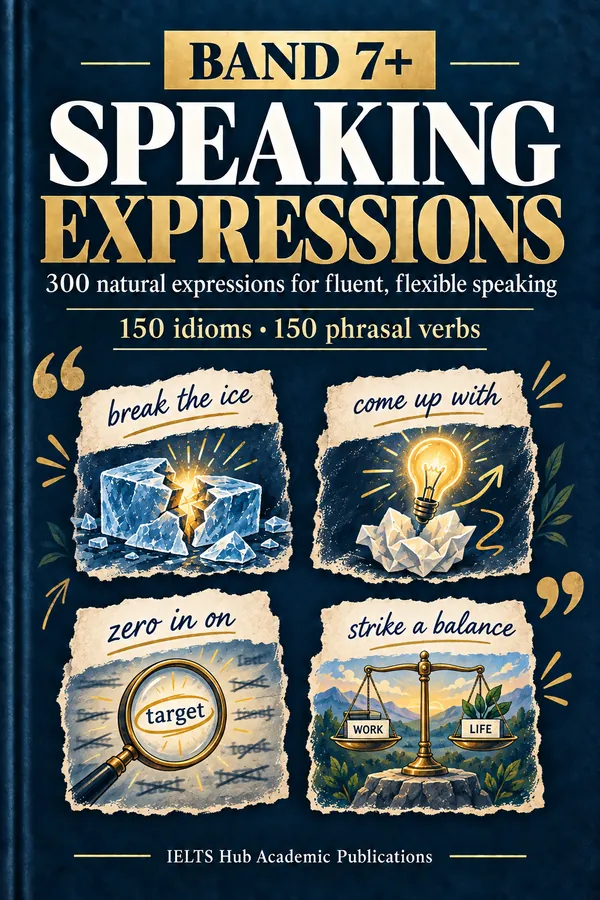
Speaking
Band 7+ Speaking Expressions
300 natural expressions for fluent, flexible speaking
₹199$6.99CAD 8.99AUD 9.99£4.99NZD 10.99€5.99AED 24SGD 8.99

Speaking
Speaking Tips for IELTS
Proven Strategies for Band 8.0+
₹299$9.99CAD 13.99AUD 14.99£7.99NZD 16.99€8.99AED 39SGD 12.99
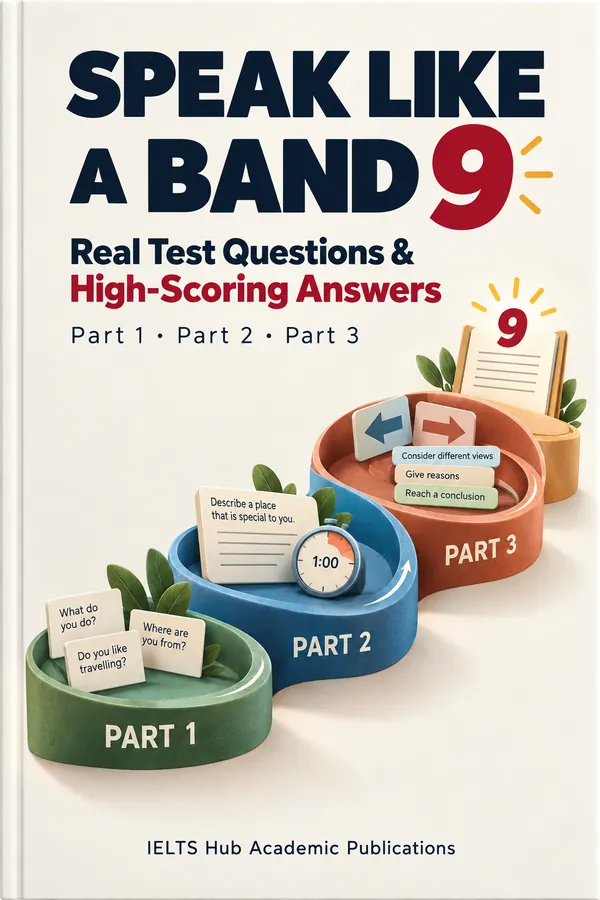
Speaking
Speak Like a Band 9
Real Test Questions & High-Scoring Answers
₹299$9.99CAD 13.99AUD 14.99£7.99NZD 16.99€8.99AED 39SGD 12.99