Speaking test #244
Part 1 · Interview
4 to 5 minutes. The examiner asks about you and familiar topics.
Can you tell me your full name?
Where are you from?
Do you work or are you a student?
Are you a tidy person?
I would consider myself to be quite tidy, yes. I place a high value on organization and cleanliness, and find that maintaining a tidy environment helps me to feel more focused and productive.
How do you keep things tidy?
I try to adopt a few key strategies to keep things tidy. One of the most important is to have a designated place for everything, so that I know where things belong and can quickly put them away when I'm finished using them. I also try to make a habit of doing a quick tidy-up at the end of each day, so that I start the next day with a clean slate. Additionally, I try to be mindful of creating clutter in the first place, by being selective about what I bring into my home or workspace, and being conscious of the amount of stuff I accumulate.
Do you think people should be tidy all the time?
I think that it's important for people to strive to maintain a certain level of tidiness, as it can have a positive impact on one's mental and physical well-being. However, I don't believe that anyone should feel pressured to be perfectly tidy all the time. Life can be messy and chaotic at times, and it's important to be able to let go and be okay with a little messiness from time to time.
Are you tidier at work or at home?
I would say that I am equally tidy at both work and home. I try to maintain a similar level of organization and cleanliness in both environments, as I find that it helps me to feel more productive and focused regardless of where I am.
Do you often borrow books?
Well, I'm a bit of a bookworm, so I borrow books pretty frequently. Whether it's from the library or from a friend, I'm always on the lookout for something new to read.
Is there anything that cannot be lent?
Hmm, that's an interesting question. I suppose there are some things that can't really be lent, like one-of-a-kind items or sentimental possessions. But in general, I think most things can be borrowed if the person is willing to part with it for a while.
Have you borrowed money from a friend?
Yes, I have borrowed money from friends before. It's not something I do all the time, but sometimes you just need a little extra help to get through a tough situation. It's always nice to have friends who are willing to lend a hand.
What would you do if someone did not return what they borrowed from you?
Well, it would depend on the item and the circumstances. If it was something small and not particularly valuable, I might just let it slide. But if it was something important or sentimental, I would probably have a conversation with the person and try to work out a solution. Ultimately, I think it's important to be understanding and try to find a way to resolve the issue without damaging the relationship.
You will have to talk about the topic for one to two minutes. You have one minute to think about what you are going to say. You can make some notes to help you if you wish.
Describe a piece of furniture you own
You should say:
- What is the furniture
- How long you have had it
- Why it is important to you
- Any memorable experiences related to it
What is the furniture
I would like to talk about a beautifully crafted wooden bookshelf that I own. This bookshelf has been a part of my room for the past five years. It stands tall against the wall, displaying my collection of books and some decorative items. The rich brown color of the wood and intricate carvings on its edges make it a stunning piece of furniture in my room.
How long you have had it
The bookshelf holds great importance to me for several reasons. Firstly, it was a gift from my parents on my 18th birthday, symbolizing their support for my love of reading and learning. Every time I look at the bookshelf, I am reminded of their love and encouragement. Secondly, this piece of furniture has been a constant companion during my late-night study sessions and peaceful reading hours. It provides a sense of organization and comfort in my personal space.
Why it is important to you
One memorable experience related to this bookshelf was when I found a handwritten note tucked between the pages of an old book. The note turned out to be a heartfelt message from my best friend, expressing her gratitude for our friendship. It was a touching moment that strengthened our bond even more. This incident made me realize that my bookshelf not only stores books but also preserves precious memories.
Any memorable experiences related to it
In conclusion, my wooden bookshelf is not just a piece of furniture for me; it is a symbol of love, support, and cherished memories. Its elegant design and practicality enrich my living space, making it a place where I can relax and indulge in my passion for reading. I believe that this bookshelf will continue to hold a special place in my heart for years to come.
- Words
- 280
- Sentences
- 16
- Words per sentence
- 17.5
- Speaking time
- about 2.2 min
Counted at 130 words a minute. The exam gives you one to two minutes.
Part 3 · Discussion
4 to 5 minutes. The examiner asks broader questions linked to the cue card topic.
How is the importance of furniture in a home different across cultures?
The significance of furniture in a home can vary dramatically across cultures, reflecting different values and lifestyles. For instance, in many Western cultures, furniture often serves a dual purpose of functionality and aesthetic appeal, with a strong emphasis on design and comfort. In contrast, in some Asian cultures, furniture might carry deeper meanings, often being associated with traditions and family heritage. For example, in Japan, minimalism is key, and the use of multi-functional furniture is prevalent, emphasizing simplicity and space efficiency. Ultimately, furniture becomes a canvas that showcases cultural identity, telling stories of how people live and interact within their spaces.
Why do some people feel a strong connection to their furniture?
There are several reasons why people might develop a strong attachment to their furniture. For many, pieces of furniture can carry significant personal memories, like a family heirloom that has been passed down through generations. These items often serve as a physical reminder of cherished moments, such as holiday gatherings or celebrations. Additionally, furniture can represent a sense of stability and comfort in one's home environment, making it difficult to part ways with pieces that have become integral to their daily life. Lastly, the aesthetic value of certain furnishings can evoke emotional responses, as individuals might associate specific styles or materials with their personal taste and identity. It's fascinating how something as simple as a chair or a table can hold such profound meaning!
How can the design of furniture affect a person's mood or how much they get done?
The design of furniture plays a crucial role in influencing both mood and productivity. For instance, ergonomic chairs and desks can significantly enhance comfort, allowing individuals to focus better on their tasks without the distraction of discomfort. Moreover, the use of vibrant colors and aesthetically pleasing designs can create a more inviting atmosphere, which can boost one’s overall well-being. On the other hand, cluttered or poorly designed spaces can lead to feelings of stress or overwhelm, ultimately hampering productivity. When furniture is designed with intention, it fosters an environment that encourages creativity and efficiency. Therefore, investing in thoughtful furniture design can have a profound impact on our daily experiences.
Why do people usually choose to buy high-quality furniture instead of cheaper options?
People often invest in high-quality furniture because it offers a sense of durability and longevity that cheaper alternatives typically lack. When individuals purchase well-crafted pieces, they are not just buying furniture; they are making a long-term investment in their living space. Additionally, high-quality furniture often comes with an aesthetic appeal that enhances the overall ambiance of a home, making it more inviting and stylish. Moreover, people appreciate the comfort and functionality that premium items provide, which can significantly improve their daily living experience. Lastly, there’s a certain sense of pride that comes with owning exquisite furniture, as it often reflects a person’s taste and lifestyle choices.
How could new technology change the future of furniture design?
The future of furniture design is poised to undergo a remarkable transformation thanks to advancements in technology. For instance, we might see the integration of smart technology in everyday furniture, like tables that can charge your devices or chairs that can adjust their shape for optimal comfort. Moreover, with the rise of 3D printing, designers can create customized pieces that cater to individual needs and preferences, making furniture not only more personal but also more sustainable. Additionally, augmented reality could revolutionize how we shop for furniture, allowing consumers to visualize how a piece would look in their space before making a purchase. It's truly exciting to think about how these innovations will enhance both functionality and aesthetics in our living environments!
What steps can be taken to help people pick more eco-friendly furniture?
To encourage people to choose more sustainable furniture options, a multifaceted approach could be incredibly effective. Firstly, raising awareness through educational campaigns that highlight the environmental impact of traditional furniture production can truly resonate with consumers. Additionally, governments could offer incentives such as tax breaks or subsidies for purchasing eco-friendly furniture, making it more financially appealing. Retailers themselves could play a crucial role by prominently showcasing sustainable options and providing transparent information about the materials used. Ultimately, creating a culture that values sustainability in home décor will go a long way in shifting consumer habits.
Go further with the books
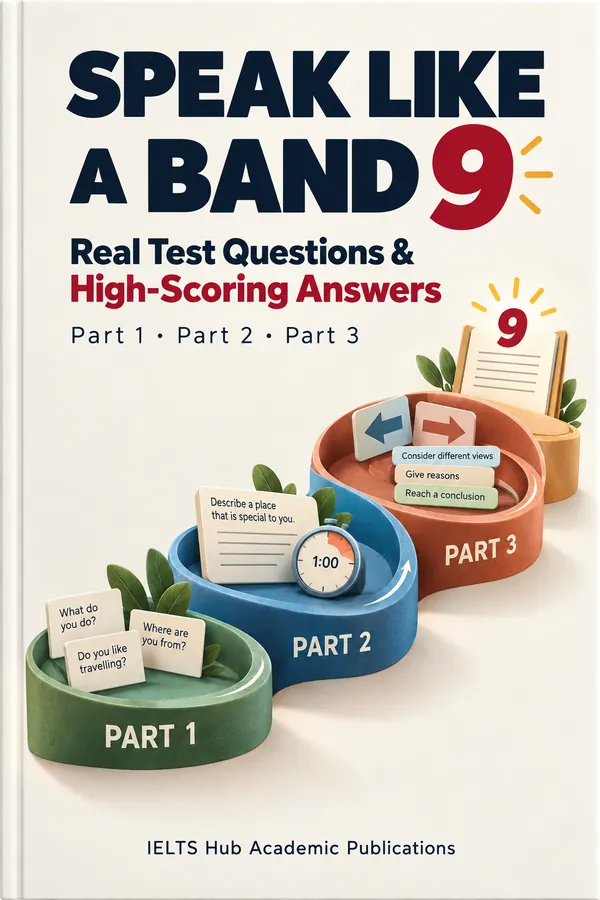
Speaking
Speak Like a Band 9
Real Test Questions & High-Scoring Answers
₹299$9.99CAD 13.99AUD 14.99£7.99NZD 16.99€8.99AED 39SGD 12.99

Speaking
Band 7+ Speaking Expressions
300 natural expressions for fluent, flexible speaking
₹199$6.99CAD 8.99AUD 9.99£4.99NZD 10.99€5.99AED 24SGD 8.99
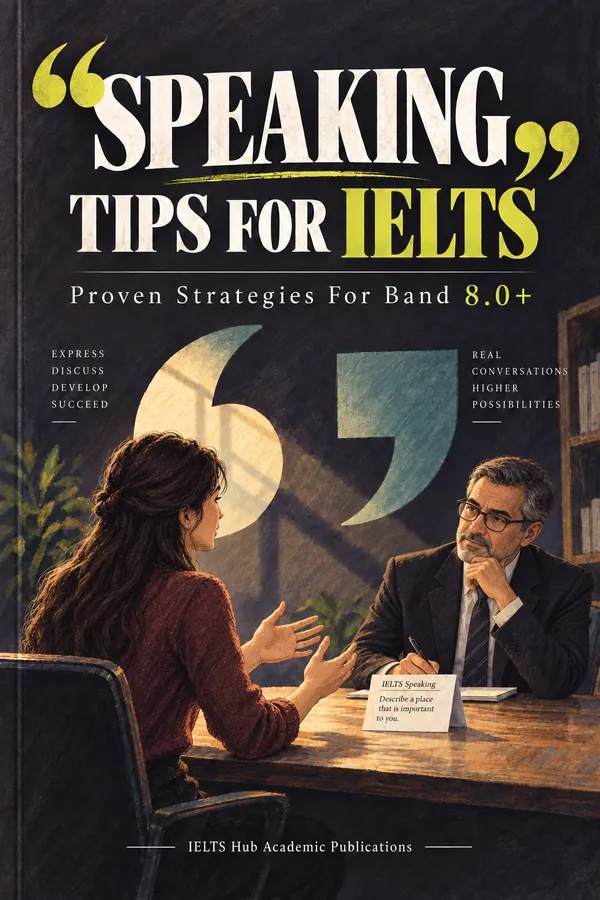
Speaking
Speaking Tips for IELTS
Proven Strategies for Band 8.0+
₹299$9.99CAD 13.99AUD 14.99£7.99NZD 16.99€8.99AED 39SGD 12.99