Speaking test #249
Part 1 · Interview
4 to 5 minutes. The examiner asks about you and familiar topics.
Can you tell me your full name?
Where are you from?
Do you work or are you a student?
Has your voice ever changed?
Yes, my voice has definitely undergone some changes over the years. As I have grown older, it has become deeper and more mature. Additionally, I have also developed better control and modulation of my voice through years of public speaking and acting.
Do you enjoy recording your voice and listening to it?
I must admit, I am not particularly fond of listening to my own voice. I find that it can be quite disconcerting, as it can sound quite different to how I perceive it in my head. However, I do appreciate the value of recording my voice for self-evaluation and improvement, particularly when it comes to public speaking or acting.
Are there some people’s voices you don’t like?
I wouldn’t say that I dislike any particular person's voice, but there are certain voices that I find less appealing than others. For example, I find high-pitched or nasal voices to be quite grating on the ears. However, I do understand that everyone's voice is unique and that it is not fair to judge someone based on their voice alone.
How does your voice change in different situations?
My voice can change quite dramatically depending on the situation. For example, when I am in a formal setting, such as a business meeting, I tend to speak in a more measured and controlled tone. However, when I am in a more relaxed and casual setting, such as with friends or family, my voice tends to be more animated and expressive. Additionally, when I am feeling particularly emotional, such as when I am feeling excited or upset, my voice can become quite high-pitched and dramatic.
Would you like to work as a volunteer?
I would definitely be interested in working as a volunteer. I believe that volunteering is a great way to give back to the community and make a positive impact on the lives of others. Additionally, it can also be a valuable personal development opportunity, as it allows me to gain new skills and experiences.
Have you ever done any voluntary work?
Yes, I have had the opportunity to participate in a number of volunteer projects over the years. For example, I have worked as a mentor for disadvantaged youth, helped to organize community events, and even spent some time working on conservation projects overseas. I find that volunteering is a very fulfilling experience, and I am always looking for new ways to get involved and make a difference.
Is volunteering worth the time it takes?
I would say that volunteering is definitely worth the time it takes. Not only do you have the opportunity to make a positive impact on the lives of others, but you also gain a sense of personal satisfaction and fulfillment. Additionally, volunteering can be a great way to gain new skills, meet new people, and even improve your CV or job prospects.
What could you do to help if you had no money?
If I had no money, there are still a number of things I could do to help others. For example, I could offer my time and skills as a volunteer, or even simply offer a listening ear or a helping hand to someone in need. I believe that there are many ways to make a difference in the world, and money is not always the most important factor.
You will have to talk about the topic for one to two minutes. You have one minute to think about what you are going to say. You can make some notes to help you if you wish.
An old object which your family has kept for a long time
You should say:
- What the object is
- How long your family has kept it
- Why your family has kept it for so long
- Any special memories associated with the object
What the object is
I'd like to tell you about a beautiful antique brass lamp that has been in my family for generations. This lamp has intricate designs engraved on it and has been a cherished heirloom passed down from my great-grandparents to my parents and now to me. It has been in our family for over a century, making it a truly treasured possession that holds immense sentimental value for us.
How long your family has kept it
The reason why my family has kept this lamp for so long is because it symbolizes our family's rich history and traditions. It serves as a reminder of our ancestors and the values they held dear. Additionally, the craftsmanship and beauty of the lamp make it a timeless piece that has stood the test of time. Its presence in our home brings a sense of continuity and connection to our roots, making it an integral part of our family heritage.
Why your family has kept it for so long
One special memory associated with this lamp is from my childhood when my grandmother used to tell me stories about how this lamp was handed down through generations. These stories made me appreciate the lamp even more and helped me understand the significance it holds for our family. Lighting this lamp during festivals and special occasions always brings a sense of warmth and nostalgia, creating a bond between past and present generations.
Any special memories associated with the object
In conclusion, this old brass lamp not only serves as a beautiful decorative piece in our home but also carries with it the legacy of our family. Its longevity is a testament to the strong bond we share with our ancestors and the importance we place on preserving our traditions. It is not just an object, but a symbol of our family history and values that we will continue to cherish for years to come.
- Words
- 295
- Sentences
- 13
- Words per sentence
- 22.7
- Speaking time
- about 2.3 min
Counted at 130 words a minute. The exam gives you one to two minutes.
Part 3 · Discussion
4 to 5 minutes. The examiner asks broader questions linked to the cue card topic.
How do you think old items mean more to us than new ones?
Old objects often carry a profound sense of history and nostalgia, which can significantly enhance their sentimental value. For instance, a family heirloom, like a grandmother's necklace, is not just a piece of jewelry; it embodies memories and stories that connect generations. In contrast, new items may lack this depth because they're often mass-produced and devoid of personal history. Furthermore, the imperfections and signs of wear on old objects can evoke a sense of comfort and familiarity, reminding us of the people and moments that shaped our lives. Ultimately, it’s this emotional connection that makes older items truly irreplaceable in our hearts.
Some people may think keeping old things isn't needed. What do you think about that?
I can understand why some people might think that preserving old objects is unnecessary, especially in our fast-paced world where innovation is key. However, I firmly believe that these artifacts hold immense value. They serve as tangible links to our past, providing us with a glimpse into the cultural heritage and history of our ancestors. By preserving old objects, we not only honor their craftsmanship but also ensure that future generations can appreciate and learn from them. Moreover, these items often inspire contemporary artists and designers, enriching our current creative landscape. So, in my view, preserving the old is essential for fostering a deep appreciation of where we came from.
How important do you think it is for families to keep traditions linked to old items?
I believe it's incredibly significant for families to maintain traditions associated with old objects. These objects often carry rich histories and memories that can strengthen familial bonds. For instance, a family heirloom, like a piece of jewelry or a vintage photograph, can serve as a tangible connection to past generations, allowing younger members to appreciate their heritage. Moreover, these traditions can foster a sense of identity and continuity, reminding us of where we came from and the values we hold dear. In a rapidly changing world, such practices can provide a comforting sense of stability and belonging, making them all the more vital.
Why do you think people often feel attached to things handed down through families?
I think people often feel a deep sense of nostalgia when it comes to heirlooms that have been passed down through generations. These items are more than just physical objects; they carry stories and memories that connect us to our ancestors. For many, possessing such items evokes a feeling of belonging and continuity, reminding them of their family’s history and values. Additionally, the emotional weight attached to these possessions can create a sense of responsibility to preserve and honor that legacy. It’s fascinating how an old piece of jewelry or a worn-out book can evoke such powerful emotions and serve as a tangible link to the past!
How could the importance of old things change in the future as society develops?
As society continues to evolve, I believe the value placed on old objects will undergo a significant transformation. With rapid technological advancements and a culture that often prioritizes the new and innovative, we might see a shift towards a more nostalgic appreciation for antiques and vintage items. These objects can serve as tangible connections to the past, providing a sense of history and identity that many people may seek in an increasingly digital world. Furthermore, as sustainability becomes more crucial, older items may be revered for their craftsmanship and timeless appeal, encouraging people to cherish what has stood the test of time rather than constantly seeking the latest trends. Ultimately, this could lead to a fascinating blend of modern sensibilities and historical reverence in how we value our possessions.
What can families do to make sure their beloved old items are kept safe for future generations?
To ensure that cherished old objects are preserved for future generations, families can take several meaningful actions. First and foremost, they should consider creating a proper storage environment that protects these items from damage caused by humidity, temperature fluctuations, or direct sunlight. It's also valuable to document the history of each object, perhaps by writing down anecdotes or family stories associated with them. This not only enriches the object’s significance but also helps in passing down its value to younger members. Additionally, families can engage in regular maintenance or conservation efforts, which may involve professional services for more delicate pieces. Ultimately, fostering a sense of appreciation and encouraging discussions about these items can instill a sense of responsibility in future generations to take care of their family's legacy.
Go further with the books
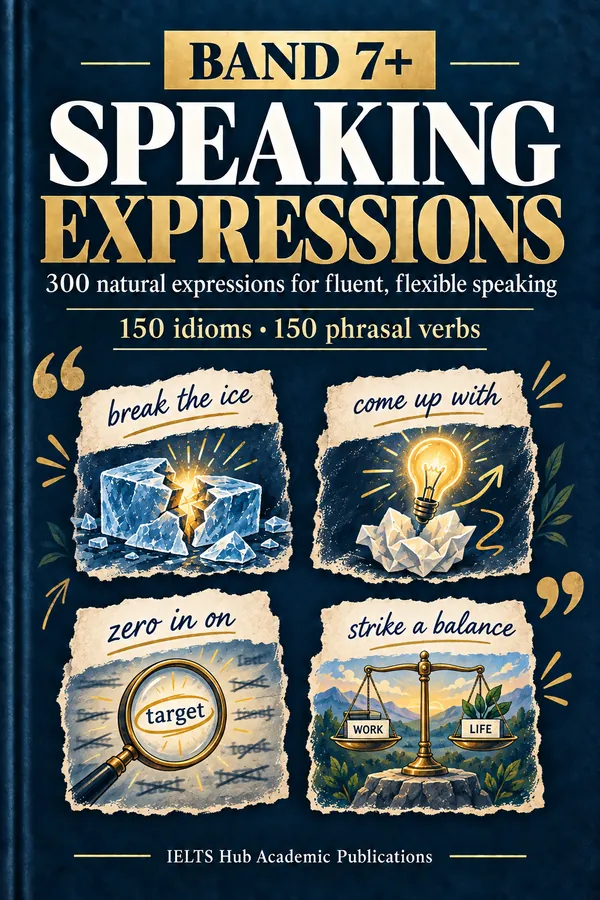
Speaking
Band 7+ Speaking Expressions
300 natural expressions for fluent, flexible speaking
₹199$6.99CAD 8.99AUD 9.99£4.99NZD 10.99€5.99AED 24SGD 8.99
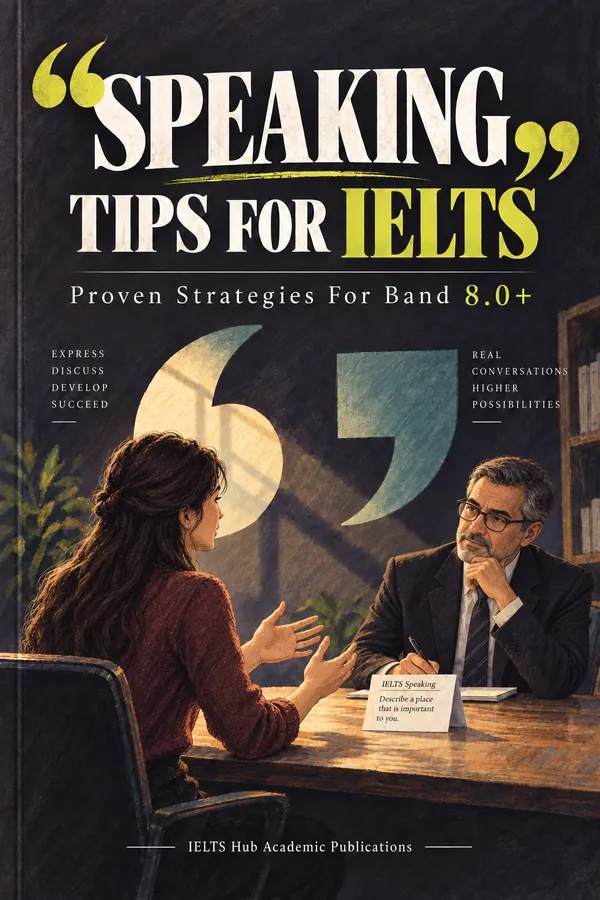
Speaking
Speaking Tips for IELTS
Proven Strategies for Band 8.0+
₹299$9.99CAD 13.99AUD 14.99£7.99NZD 16.99€8.99AED 39SGD 12.99
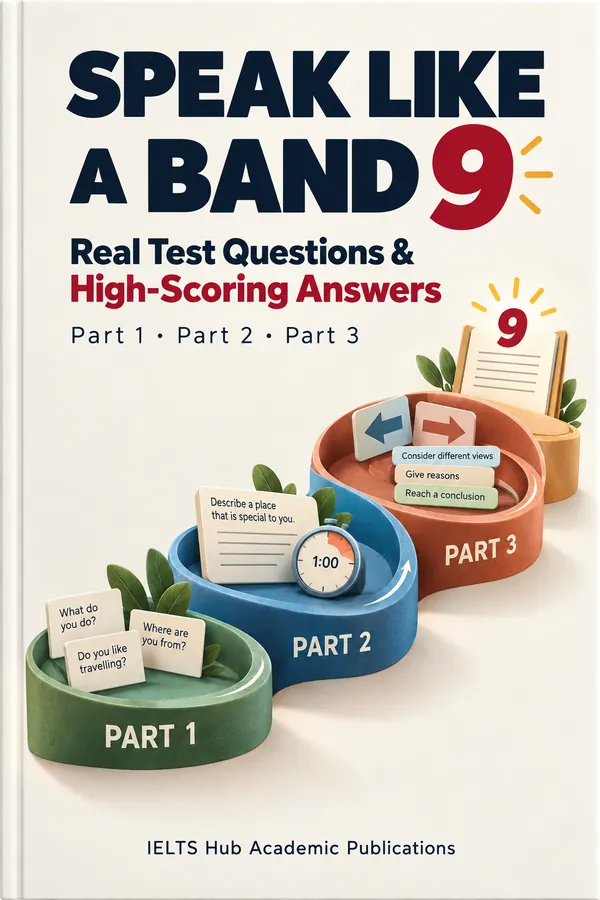
Speaking
Speak Like a Band 9
Real Test Questions & High-Scoring Answers
₹299$9.99CAD 13.99AUD 14.99£7.99NZD 16.99€8.99AED 39SGD 12.99