Speaking test #253
Part 1 · Interview
4 to 5 minutes. The examiner asks about you and familiar topics.
Can you tell me your full name?
Where are you from?
Do you work or are you a student?
What kinds of websites do you often visit?
I am an avid user of the internet and I visit a variety of websites on a regular basis. Some of the types of websites that I frequent include news sites, such as CNN and BBC, social media platforms like Facebook and Instagram, educational websites like Khan Academy, and entertainment sites like Netflix and YouTube.
What is your favourite website?
If I had to choose one website that I absolutely adore, it would have to be Wikipedia. I find it to be an incredibly valuable resource as it offers a wealth of information on a wide range of subjects. It is also user-friendly, easy to navigate, and is constantly updated with new information.
Are there any changes about the websites you often visit?
Yes, there have been some changes in the websites that I often visit. For example, some of the news sites that I used to visit have undergone redesigns and now have a more modern and user-friendly layout. Additionally, some of the social media platforms that I use have introduced new features and functionalities.
What kinds of websites are popular in your country (India)?
In India, there are a number of popular websites across different categories. For example, in terms of news, websites like The Hindu and Times of India are widely read. Social media platforms like Facebook, WhatsApp, and Instagram are also extremely popular among Indian users. Additionally, e-commerce sites like Flipkart and Amazon are quite popular for online shopping, and educational websites like Coursera and Khan Academy are also gaining traction.
How do you usually spend your weekends?
I typically spend my weekends engaging in a variety of leisure activities. On Saturdays, I like to go for a hike or bike ride in the morning to get some fresh air and exercise. In the afternoon, I might catch up with friends over lunch or spend time working on a hobby, such as photography or painting. On Sundays, I like to relax and unwind by reading a book or watching a movie. I also make sure to set aside some time for self-care, such as practicing yoga or meditation.
Which is your favourite part of the weekend?
My favourite part of the weekend is undoubtedly the sense of freedom and relaxation that comes with having two days off from work. I really enjoy having the time to pursue my interests and hobbies without feeling rushed or constrained by the demands of my job. Additionally, I treasure the opportunity to spend quality time with my loved ones, whether that be catching up over a meal or engaging in a fun activity together.
Do you think your weekends are long enough?
I believe that two days is a sufficient amount of time to recharge and rejuvenate after a busy week of work. However, I do think that having a longer weekend, such as a four-day weekend, would be even better. It would allow me to have more time to travel or pursue more ambitious projects.
How important do you think it is to have free time at the weekends?
I think it is extremely important to have free time at the weekends in order to maintain a healthy work-life balance. Having the time to pursue hobbies and interests, spend time with loved ones, and simply relax and unwind is essential for our well-being. Without this time to recharge, we may become burnt out or stressed, which can have negative effects on our mental and physical health. Furthermore, having free time can be a great opportunity to gain new experiences, explore new places, and try new things.
You will have to talk about the topic for one to two minutes. You have one minute to think about what you are going to say. You can make some notes to help you if you wish.
Describe people you know who you believe are good parents
You should say:
- How do you know them?
- How do they raise their children?
- What qualities make them good parents?
- Why do you think they are good parents?
In my opinion, good parents are those who not only provide for their children's physical needs but also nurture their emotional and psychological well-being. One couple I deeply admire for their parenting skills are my neighbors, Mr. and Mrs. Patel.
I have known the Patels for over a decade, ever since they moved into the house next to ours. They are a warm and welcoming couple who always make time to interact with their neighbors. Through our conversations, I have gained insights into their parenting style and values.
The Patels raise their children with a perfect blend of love, discipline, and guidance. They set clear boundaries for their children while also allowing them the freedom to express themselves. I have observed how they engage in meaningful conversations with their kids, encouraging them to think critically and make decisions independently.
The qualities that make the Patels exceptional parents include their unwavering support, patience, and dedication towards their children. They prioritize their kids' needs above everything else and are actively involved in their education and extracurricular activities. Furthermore, they lead by example, demonstrating the values of honesty, respect, and hard work in their own lives.
I believe the Patels are good parents because of the positive impact they have on their children's development. Their kids are well-mannered, confident, and compassionate individuals, a testament to the nurturing environment provided by their parents. The Patels' ability to strike a balance between being loving and firm, supportive and challenging, sets them apart as exemplary role models for parenting in our community.
- Words
- 256
- Sentences
- 16
- Words per sentence
- 16.0
- Speaking time
- about 2.0 min
Counted at 130 words a minute. The exam gives you one to two minutes.
Part 3 · Discussion
4 to 5 minutes. The examiner asks broader questions linked to the cue card topic.
How do you think different cultures' parenting styles affect how children are raised?
Parenting styles are fascinating and can vary tremendously across cultures, often shaping children's values and behaviors in profound ways. For instance, in some cultures, a more authoritarian approach may be prevalent, where obedience and respect for authority are heavily emphasized. This can lead to children who are very disciplined but might struggle with independent thinking. Conversely, cultures that promote a permissive style often encourage creativity and self-expression, but this might also result in challenges with boundaries and discipline. Ultimately, these diverse approaches reflect the unique societal values of each culture, significantly impacting how children view the world and their place in it. It’s intriguing to see how these differences can lead to varying outcomes in terms of emotional intelligence and social skills!
Some people believe that strict parenting works better than relaxed parenting. How true do you think this idea is?
I think the effectiveness of parenting methods really depends on the individual child and their unique needs. While strict parenting can instill discipline and a strong sense of responsibility, it may also lead to feelings of rebellion or resentment in some children. On the other hand, lenient parenting can foster creativity and independence, but without proper boundaries, children might struggle with self-discipline later in life. Ultimately, a balanced approach that combines elements of both strictness and leniency tends to be the most holistic way to raise well-adjusted individuals. It’s crucial for parents to adapt their styles based on their child's personality and circumstances to ensure a nurturing environment.
How important do you think emotional support is for a child's personality development?
Emotional support plays a paramount role in shaping a child’s personality. When children receive consistent love and encouragement, they develop a strong sense of self-worth and resilience. This foundation allows them to navigate life's challenges with confidence and optimism. Conversely, a lack of emotional support can lead to feelings of insecurity and anxiety, which can hinder their social interactions and overall development. In essence, nurturing a child's emotional well-being is not just beneficial—it's absolutely essential for fostering a well-rounded individual.
Why do you think some parents find it harder than others to give their kids a balanced upbringing?
I believe the challenges some parents face in providing a balanced upbringing often stem from a combination of economic pressures and personal circumstances. For instance, parents working multiple jobs to make ends meet may find it difficult to dedicate quality time to their children, which is crucial for emotional development. Additionally, factors like educational background and support networks can play a significant role; those who lack access to resources or guidance may feel overwhelmed. Lastly, societal expectations can add to the burden, as parents may feel compelled to meet certain standards that are unrealistic given their situation. Ultimately, it’s a complex interplay of various elements that can make achieving a balanced upbringing quite challenging for some families.
How do you think parents' roles will change in the future as technology improves?
I believe the role of parents is set to evolve significantly with the rapid advancements in technology. For one, they'll likely become more like facilitators rather than just authority figures. With access to a wealth of information at their children’s fingertips, parents will need to guide them in navigating the digital landscape, helping them discern between reliable sources and misinformation. Furthermore, as technology enhances communication, parents might engage in more meaningful conversations with their children, using tools that promote interactive learning. Overall, while the essence of parenting will remain the same, the methods and dynamics will undoubtedly transform, fostering a more collaborative relationship.
What steps can be taken to help parents create better parenting methods?
To assist parents in developing more effective parenting strategies, a multifaceted approach could be incredibly beneficial. Firstly, offering workshops and seminars led by child development specialists can provide parents with valuable insights and practical tools. Additionally, creating support networks where parents can share experiences and challenges can foster a sense of community and allow for the exchange of successful strategies. Online resources, such as parenting blogs and forums, could also serve as a rich repository of information, helping parents navigate the complexities of raising children. Ultimately, by combining education, community support, and accessible resources, we can empower parents to cultivate nurturing and effective environments for their kids.
Go further with the books
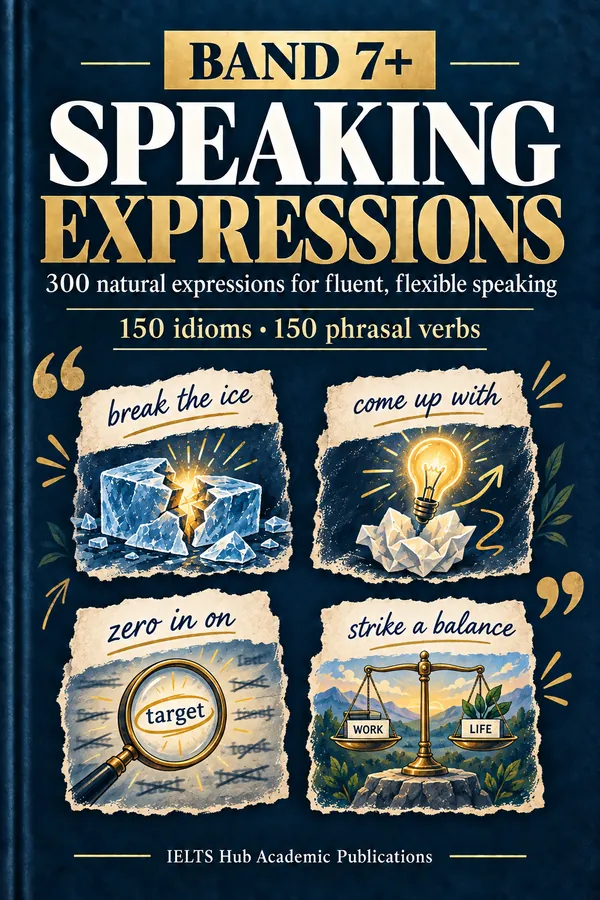
Speaking
Band 7+ Speaking Expressions
300 natural expressions for fluent, flexible speaking
₹199$6.99CAD 8.99AUD 9.99£4.99NZD 10.99€5.99AED 24SGD 8.99
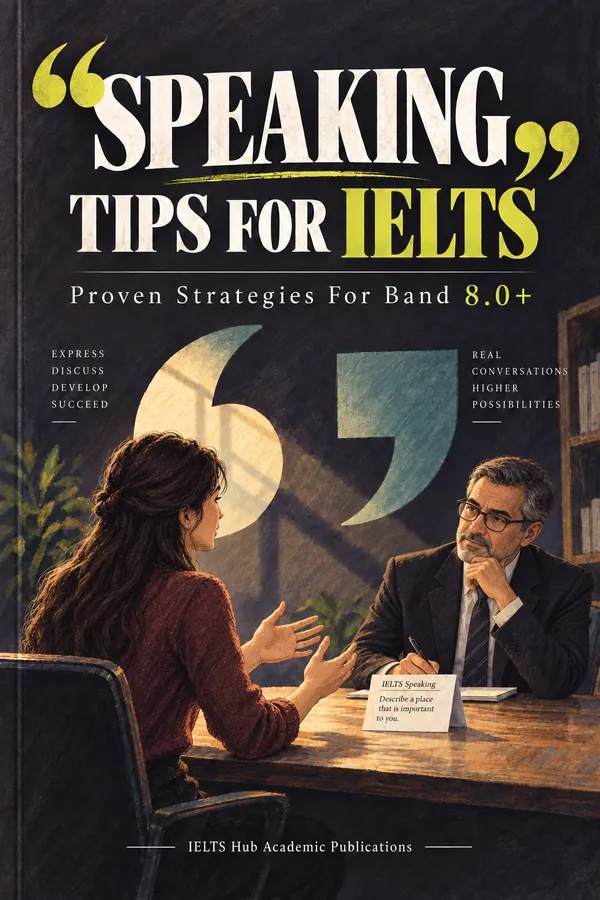
Speaking
Speaking Tips for IELTS
Proven Strategies for Band 8.0+
₹299$9.99CAD 13.99AUD 14.99£7.99NZD 16.99€8.99AED 39SGD 12.99
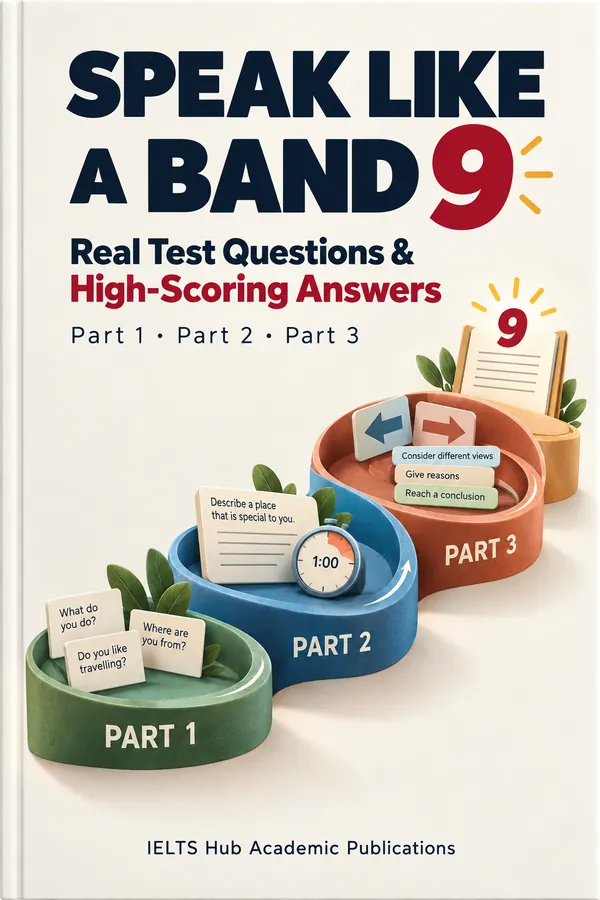
Speaking
Speak Like a Band 9
Real Test Questions & High-Scoring Answers
₹299$9.99CAD 13.99AUD 14.99£7.99NZD 16.99€8.99AED 39SGD 12.99