Speaking test #260
Part 1 · Interview
4 to 5 minutes. The examiner asks about you and familiar topics.
Can you tell me your full name?
Where are you from?
Do you work or are you a student?
Do you like the city you are living in now? [Why?
?] Oh yeah, absolutely! I mean, it's not perfect by any means, but it's definitely got its charms. For one thing, it's got a really vibrant arts scene - there are always concerts and exhibitions and stuff like that happening, which I really enjoy. Plus, it's just really convenient for getting around - the public transport system is pretty efficient, and there's always a ton of stuff to do and see.
Do you prefer the city or the countryside? [Why?
?] That's a tough one. I think I could go either way, really. On the one hand, I love the fast-paced, energetic vibe of the city - there's always something going on, and I really thrive on that kind of energy. On the other hand, though, I also really appreciate the peace and quiet of the countryside. It's just so relaxing to be surrounded by all that open space and nature. I guess it just depends on my mood, really.
What kinds of city do you like? [Why?
?] I think I'm most drawn to cities that have a really unique character and sense of identity. Like, I love places that are really steeped in history and culture, and that have a really strong local community. I also really enjoy cities that are really diverse and multicultural - I find it really interesting to see how different cultures and traditions intersect and influence each other. Overall, I think it's just really important for a city to have a strong sense of place and identity.
Which city do you want to go to? [Why?
?] There are so many cities that I'd love to visit! Right now, I'm particularly interested in exploring more of Asia - I've always been fascinated by the different cultures and histories of the region, and there are so many amazing cities to explore. In particular, I'd love to visit Tokyo - I've heard that it's such a vibrant, dynamic city, with a really unique blend of traditional and modern elements. I'd also love to visit Seoul and Hong Kong - I think they'd both be really interesting to explore, with their own distinct identities and cultures.
Are clothes important to people where you live?
Oh absolutely. I think fashion is a big deal for many people in my community. People here tend to put a lot of thought into what they wear and how it reflects their personal style.
How do people decide which clothes to buy?
It really depends on the person. Some people are really into following trends and will buy whatever is popular at the moment. Others are more selective and might consider factors like comfort, practicality, and whether the clothing fits with their existing wardrobe.
Would you ever buy clothes for somebody as a present?
Sure, I've definitely given clothes as gifts before. It can be a great way to show someone that you know their style and are paying attention to what they like. However, I always try to make sure I'm choosing something that the recipient will actually want to wear, rather than just picking out something that I like.
Do you think clothes are too important for some people?
I think it's possible for people to place too much emphasis on clothes and what they wear. It's important to remember that clothing is just one aspect of a person's overall appearance and shouldn't define them entirely. However, I also think it's important for people to feel comfortable and confident in what they're wearing, so I don't think it's necessarily a bad thing if someone puts a lot of thought into their wardrobe.
You will have to talk about the topic for one to two minutes. You have one minute to think about what you are going to say. You can make some notes to help you if you wish.
Describe a book you want to read in the future
You should say:
- Title and author of the book
- What genre the book belongs to
- Why you are interested in reading this book
- When and where you plan to read this book
Title and author of the book
In the bustling world of Indian literature, one book that has caught my eye and ignited my curiosity is "The Palace of Illusions" by Chitra Banerjee Divakaruni. This novel reimagines the Indian epic Mahabharata from the perspective of Draupadi, offering a fresh and feminist take on a timeless tale. As an avid reader of historical fiction and mythology, I am drawn to the genre-bending nature of this book, blending ancient mythology with modern storytelling techniques.
What genre the book belongs to
What intrigues me most about "The Palace of Illusions" is its exploration of female empowerment and agency in a patriarchal society, themes that resonate deeply with the contemporary Indian context. Through Draupadi's voice, the novel promises to challenge traditional narratives and offer a subversive perspective on familiar characters and events. I am eager to delve into the rich tapestry of emotions, relationships, and political intrigue that define this retelling of the Mahabharata.
Why you are interested in reading this book
I envision myself immersing in the pages of "The Palace of Illusions" on tranquil weekend mornings, perhaps in a cozy corner of my favorite café or under the shade of a tree in a serene park. Reading this book will not only be a literary escape but also a journey of introspection and contemplation, as I reflect on the timeless themes of love, power, and destiny that the novel explores. It is my hope that this book will not only entertain me but also leave a lasting impact on my perspective of mythology and storytelling.
When and where you plan to read this book
In conclusion, "The Palace of Illusions" stands out to me as a captivating blend of ancient mythology and modern storytelling, offering a unique lens through which to view timeless themes. With its feminist perspective and reimagining of familiar characters, this book promises to be a thought-provoking and enriching read. I look forward to embarking on this literary adventure in the near future, allowing myself to be transported to a world where myth and reality intersect in unexpected ways.
- Words
- 320
- Sentences
- 12
- Words per sentence
- 26.7
- Speaking time
- about 2.5 min
Counted at 130 words a minute. The exam gives you one to two minutes.
Part 3 · Discussion
4 to 5 minutes. The examiner asks broader questions linked to the cue card topic.
How can the themes of a book affect its readers of different ages?
The themes of a book can significantly shape its readership, as they often resonate differently with various age groups. For instance, younger readers may be drawn to themes of identity and self-discovery, as they are navigating their own paths in life. In contrast, older readers might appreciate themes of nostalgia and reflection, finding comfort in stories that remind them of their past experiences. Additionally, books that tackle complex social issues may attract a more diverse audience, as these themes encourage readers of all ages to engage in meaningful discussions. Ultimately, the emotional resonance of a book's themes can create a bridge between generations, fostering a shared understanding and appreciation for literature.
How valuable do you think reading fiction is compared to reading non-fiction?
That's a fascinating question! I believe that both fiction and non-fiction hold significant value, albeit in different ways. Reading fiction can enrich our imagination and enhance our empathy, as it allows us to step into the shoes of diverse characters and experience their journeys. On the other hand, non-fiction provides us with factual knowledge and insights about the world, which can be incredibly beneficial for personal and professional development. Ultimately, I think the combination of both allows for a well-rounded perspective, where fiction can inspire and non-fiction can inform, creating a deeper understanding of both ourselves and the world around us.
How do you think literature influences cultural identity?
Literature plays a profoundly significant role in shaping cultural identity. It acts as a mirror reflecting the values, beliefs, and traditions of a society, allowing individuals to connect with their heritage and understand their place within it. Through powerful narratives and rich storytelling, literature can evoke a sense of belonging and pride in one’s culture. Moreover, it fosters empathy by introducing readers to diverse perspectives, ultimately promoting cross-cultural understanding. In today’s globalized world, literature serves as a vital tool for preserving cultural narratives and ensuring that unique voices are not lost amidst the noise of homogenization.
Why do people usually feel better when they read books during tough times?
People often find comfort in reading books during challenging times because literature provides an escape from reality. When faced with difficulties, immersing oneself in a different world can be a powerful way to alleviate stress and anxiety. Books also offer a unique opportunity for self-reflection; through the experiences of characters, readers can gain insights into their own situations. Moreover, the act of reading can create a sense of companionship, as readers connect with the emotions and journeys of the protagonists. Ultimately, books can serve as a cathartic outlet, helping individuals process their feelings and emerge with renewed hope.
How could the rise of digital books affect how people read and enjoy literature in the next ten years?
The growing popularity of digital books is likely to revolutionize the way people engage with literature in the next decade. For one, the accessibility of e-books will allow a much wider audience to explore diverse genres and authors that they might not have encountered otherwise. Moreover, with the advent of interactive features and multimedia elements in digital books, readers might find themselves more immersed in the storytelling experience. This could potentially lead to a shift towards a more dynamic form of reading, where readers can engage with the content in various ways, such as through hyperlinks or integrated audio. Overall, I think we’ll see a blending of traditional reading with modern technology, making literature even more appealing to younger generations.
What steps can be taken to get more people to read books often?
To encourage more people to read books regularly, I believe a multi-faceted approach could be incredibly effective. Firstly, community initiatives, such as book clubs and reading challenges, could create a social atmosphere around reading, making it more appealing. Libraries could also enhance their outreach by hosting engaging events like author talks or themed reading nights, which would draw in diverse audiences. Additionally, schools should integrate contemporary literature into their curricula to spark interest among younger readers, ensuring that they see reading as both enjoyable and relevant. Lastly, promoting the idea of reading as a form of self-care, perhaps through mindfulness campaigns, could help shift perceptions, encouraging individuals to carve out time for a good book amid their busy lives.
Go further with the books
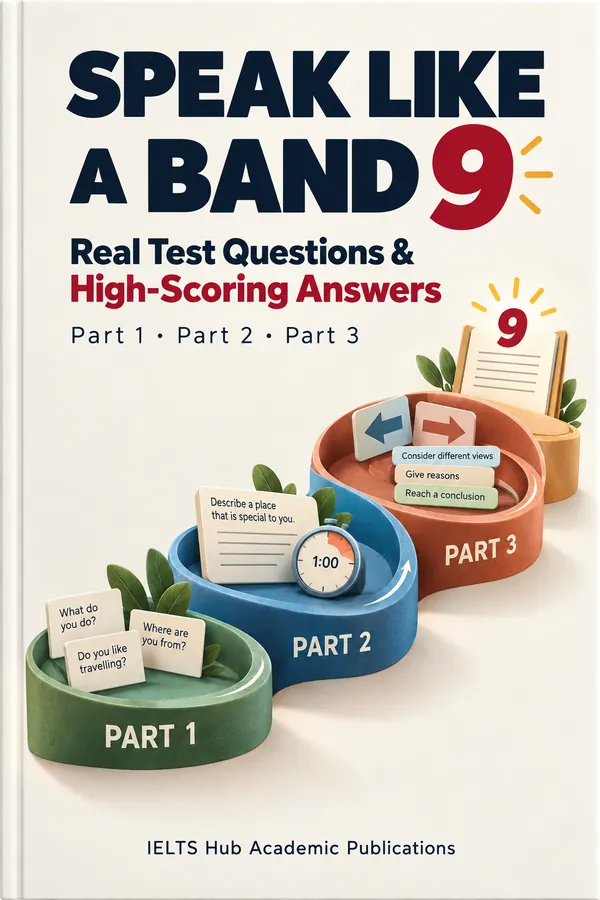
Speaking
Speak Like a Band 9
Real Test Questions & High-Scoring Answers
₹299$9.99CAD 13.99AUD 14.99£7.99NZD 16.99€8.99AED 39SGD 12.99
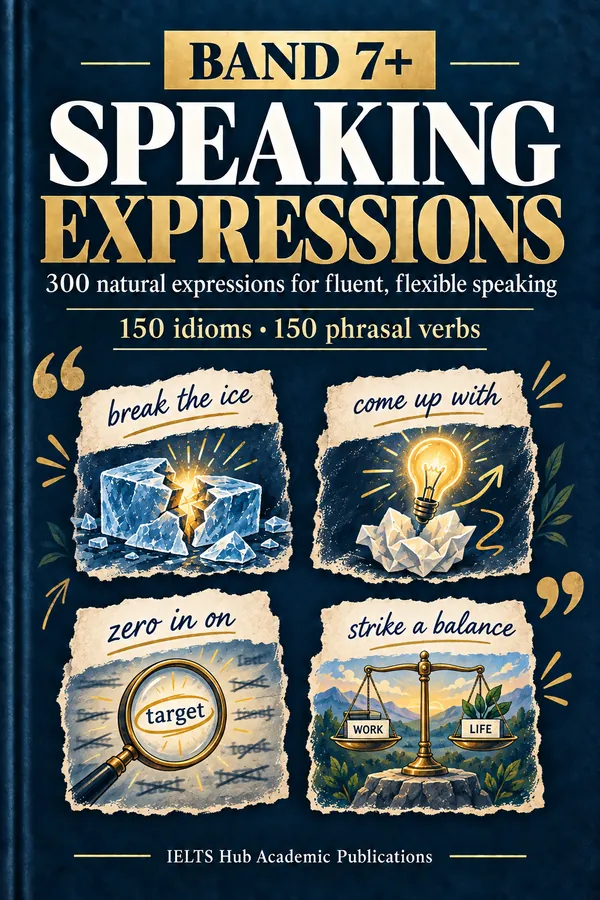
Speaking
Band 7+ Speaking Expressions
300 natural expressions for fluent, flexible speaking
₹199$6.99CAD 8.99AUD 9.99£4.99NZD 10.99€5.99AED 24SGD 8.99
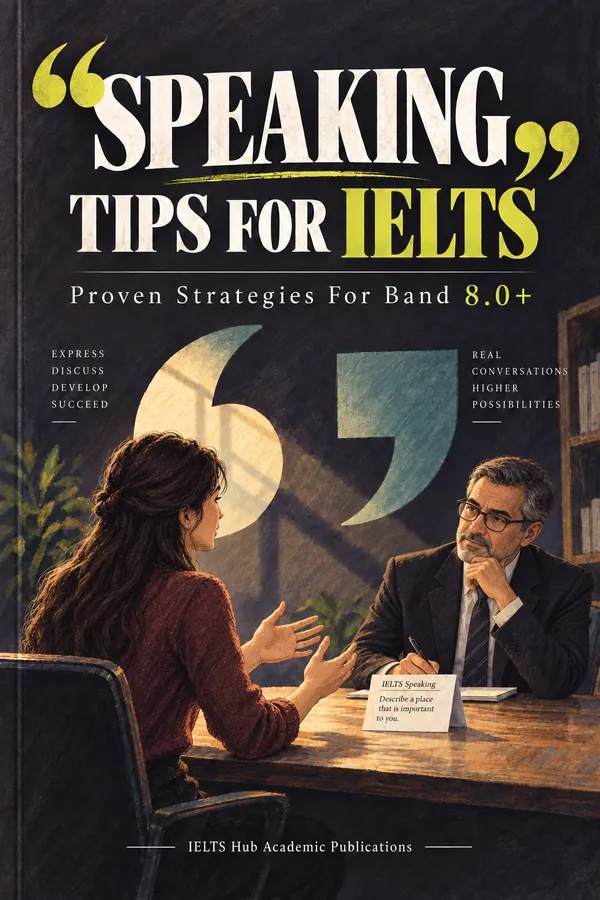
Speaking
Speaking Tips for IELTS
Proven Strategies for Band 8.0+
₹299$9.99CAD 13.99AUD 14.99£7.99NZD 16.99€8.99AED 39SGD 12.99