Speaking test #268
Part 1 · Interview
4 to 5 minutes. The examiner asks about you and familiar topics.
Can you tell me your full name?
Where are you from?
Do you work or are you a student?
How often do you use a dictionary?
I use a dictionary quite frequently, probably a few times a week. It's a handy tool for when I come across unfamiliar words or want to double-check the meaning of something.
Do you prefer a paper dictionary or an electronic one?
I personally prefer an electronic dictionary, mainly because it's more convenient and easily accessible. I can just pull it up on my phone or laptop and search for a word in seconds. Plus, I can save words to a list or make notes on their definitions, which is helpful for language learning. However, I do appreciate the nostalgia and tactile experience of using a paper dictionary, so I still keep one on my bookshelf for reference.
How will dictionaries change in the future?
I think dictionaries will continue to evolve and adapt with technology. I envision them becoming more interactive and user-friendly, with features like audio pronunciation, sample sentences, and cultural references. They may also incorporate artificial intelligence to provide personalized recommendations or synonym suggestions.
How would you feel if somebody gave you a dictionary as a gift?
I would be thrilled if someone gave me a dictionary as a gift! It might not be the most exciting present, but to me it shows that the person values education and language learning. I would appreciate the thought and effort put into selecting a dictionary that fits my needs or interests.
What do you like to talk about?
I enjoy discussing a wide range of topics, from current events and politics, to more personal subjects such as hobbies and interests. I find that engaging in lively, thought-provoking conversations is a great way to expand my knowledge and perspectives.
Have your discussion topics changed since you were a child?
Definitely. As a child, I was more inclined to talk about more simplistic and superficial topics such as toys and games. However, as I've grown older, my interests and understanding of the world have broadened, leading to more complex and nuanced discussions.
Do you change your opinion frequently?
Not particularly. I tend to form my opinions based on a thorough examination of the facts and evidence available to me. Once I have formed an opinion, I am open to considering new information and perspectives, but it typically takes a significant amount of convincing for me to change my position on a topic.
Do you prefer to talk or listen?
I believe that effective communication requires a balance of both talking and listening. While I do enjoy expressing my own thoughts and ideas, I also value the opportunity to listen to others and gain insights from their perspectives. In general, I strive to be an active listener and participate in discussions in an open-minded and respectful manner.
You will have to talk about the topic for one to two minutes. You have one minute to think about what you are going to say. You can make some notes to help you if you wish.
Describe a job that helps make the world a better place
You should say:
- Specific job title and description
- How this job contributes to making the world a better place
- Challenges faced in this job
- Personal satisfaction derived from doing this job
Specific job title and description
I would like to talk about the role of a social worker in making the world a better place. Social workers are professionals who work with individuals and communities to improve their well-being and quality of life. They often focus on vulnerable populations such as children, the elderly, or those experiencing poverty or discrimination.
How this job contributes to making the world a better place
Social workers play a crucial role in addressing social injustices, advocating for human rights, and providing support to those in need. By helping individuals navigate difficult situations, access resources, and develop coping mechanisms, they contribute significantly to creating a more equitable and compassionate society.
Challenges faced in this job
One of the main challenges faced by social workers is the emotional toll of dealing with clients' trauma and hardships on a daily basis. They often have to work with limited resources and face bureaucratic hurdles in providing the necessary assistance to those in need. Despite these challenges, the dedication and resilience of social workers enable them to continue making a positive impact on the lives of others.
Personal satisfaction derived from doing this job
Personally, the satisfaction derived from helping individuals overcome obstacles and witnessing their growth and empowerment is immeasurable. Knowing that my efforts have made a tangible difference in someone's life and contributed to building a more inclusive and supportive community gives me a sense of fulfillment and purpose that is truly rewarding.
- Words
- 217
- Sentences
- 10
- Words per sentence
- 21.7
- Speaking time
- about 1.7 min
Counted at 130 words a minute. The exam gives you one to two minutes.
Part 3 · Discussion
4 to 5 minutes. The examiner asks broader questions linked to the cue card topic.
How can various jobs help make society better?
Different professions play a pivotal role in enhancing society in a multitude of ways. For instance, healthcare professionals, such as doctors and nurses, contribute not only by providing essential medical care but also by promoting public health initiatives that can lead to a more informed and healthier population. Similarly, educators shape the future by imparting knowledge and fostering critical thinking skills, which are essential for societal progress. Moreover, engineers and architects design infrastructure that improves our quality of life, whether it's through sustainable buildings or public transportation systems that reduce traffic congestion. Each profession, with its unique skill set, contributes to a holistic development of society, addressing various challenges and ensuring that communities thrive. Ultimately, it's the collective effort of these diverse roles that helps create a more harmonious and forward-thinking society.
What are some opinions on the importance of jobs that aim to improve society?
Jobs that focus on social betterment are often seen as incredibly valuable, not just for the individuals they serve, but for society as a whole. Many people believe that these roles, whether in non-profit organizations or community outreach programs, can help to address systemic issues and create a positive impact on the community. Additionally, they can foster a sense of purpose and fulfillment for those engaged in such work, as contributing to the greater good can be profoundly rewarding. On the flip side, some argue that these positions may not always provide the financial stability that traditional jobs offer, which can lead to a balancing act between passion and practicality. Overall, I think the significance of these jobs lies in their ability to inspire change and promote a more equitable society.
How important is it for people to have jobs that help improve the lives of others?
Engaging in occupations that aim to enhance the lives of others is incredibly important, not just for the individuals receiving help, but also for the workers themselves. When people dedicate their careers to uplifting others, they often experience a profound sense of purpose and fulfillment. This sense of job satisfaction can lead to a more positive outlook on life and can even improve mental well-being. Moreover, such roles often contribute to creating a more compassionate society, where individuals feel connected and supported. In a world that sometimes feels increasingly isolated, these occupations can foster a sense of community spirit that benefits everyone involved.
Why do you think some people pick jobs that help others instead of going for higher-paying ones?
That's a fascinating question! Many individuals choose careers that focus on helping others because they find deep personal fulfillment in making a difference in people's lives. For instance, professions in healthcare, education, or social work often attract those who are passionate about serving their communities and contributing to the greater good. Additionally, the sense of purpose that comes from these roles can outweigh the allure of a higher salary. It's also worth noting that many people value work-life balance and job satisfaction over financial gain, believing that true success lies in their impact rather than their bank account. Ultimately, the desire to create a positive change often drives people toward these altruistic professions.
How could the need for socially responsible jobs change in the future?
The demand for socially responsible jobs is likely to increase significantly in the future, driven by a growing awareness of environmental and social issues. As more people become conscious of their impact on the planet, companies will feel pressured to align with these values, leading to a surge in roles focused on sustainability and corporate responsibility. Additionally, younger generations are prioritizing purpose-driven careers, which means businesses will have to adapt to attract top talent. I can imagine sectors like renewable energy and social entrepreneurship booming, as they not only offer jobs but also contribute positively to society. Overall, the future looks promising for those passionate about making a difference through their work.
What steps can be taken to inspire more people to choose jobs that help the community?
To encourage more individuals to pursue careers that benefit the community, I believe a multifaceted approach is essential. Firstly, educational institutions could integrate community service components into their curricula, allowing students to engage with local issues and understand the impact they can have. Additionally, offering incentives, such as scholarships or tax breaks for those who choose socially beneficial careers, could greatly motivate individuals to take that path. Furthermore, public awareness campaigns could highlight the personal and societal rewards of these professions, showcasing stories of individuals who have made a significant difference. Ultimately, it’s about creating a culture that values and supports selfless contributions to society, making it an attractive option for future generations.
Go further with the books
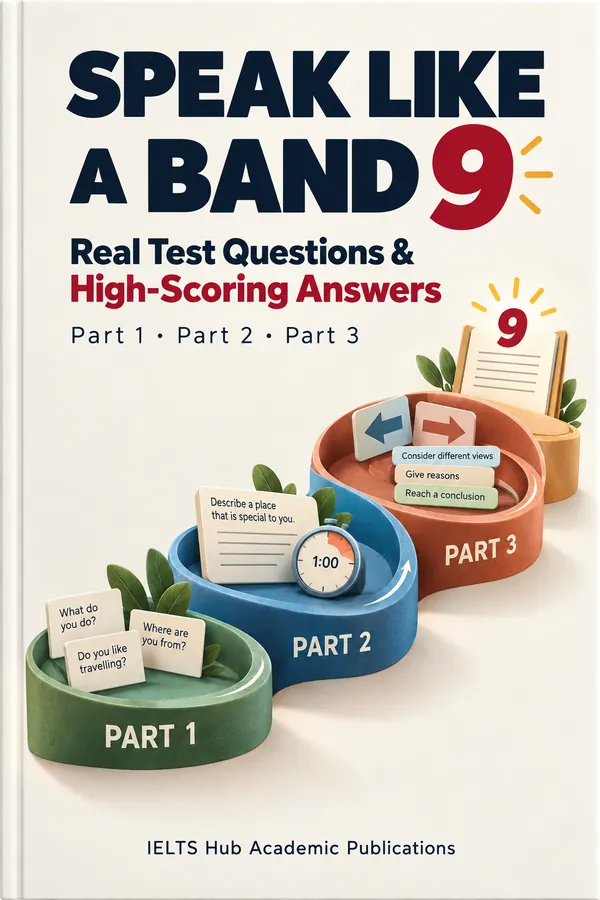
Speaking
Speak Like a Band 9
Real Test Questions & High-Scoring Answers
₹299$9.99CAD 13.99AUD 14.99£7.99NZD 16.99€8.99AED 39SGD 12.99

Speaking
Band 7+ Speaking Expressions
300 natural expressions for fluent, flexible speaking
₹199$6.99CAD 8.99AUD 9.99£4.99NZD 10.99€5.99AED 24SGD 8.99
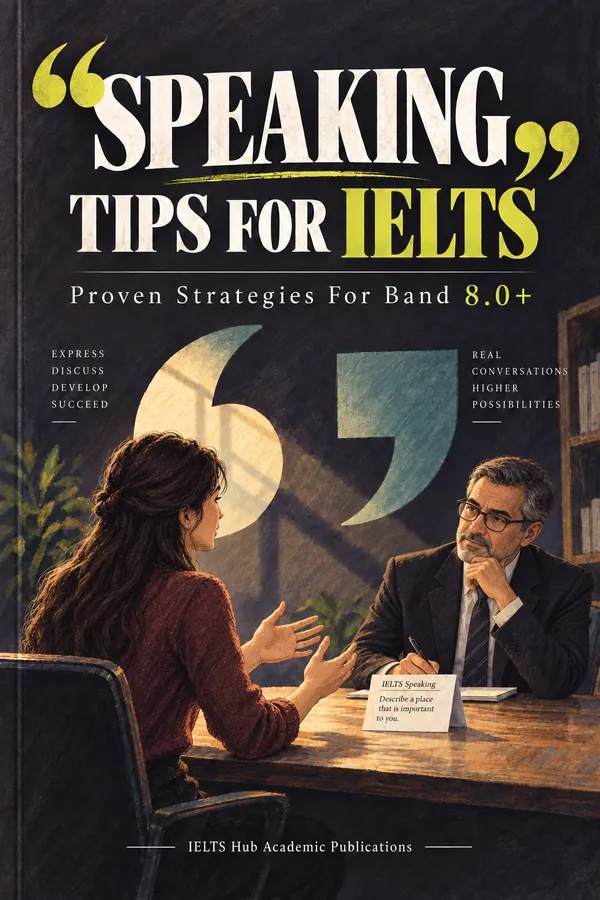
Speaking
Speaking Tips for IELTS
Proven Strategies for Band 8.0+
₹299$9.99CAD 13.99AUD 14.99£7.99NZD 16.99€8.99AED 39SGD 12.99