Speaking test #270
Part 1 · Interview
4 to 5 minutes. The examiner asks about you and familiar topics.
Can you tell me your full name?
Where are you from?
Do you work or are you a student?
How often do you drink water?
Oh, I'm definitely a water person. I try to drink at least 8 cups a day to stay hydrated.
What kind of water do you like to drink?
I prefer to drink purified or spring water. I just find that it tastes fresher and cleaner.
Do you drink bottled water or water from water machines?
I tend to drink bottled water, but I also like to carry a reusable water bottle and fill it up from water machines or fountains when I'm out and about.
Do you like to play in water?
Absolutely! I love going swimming or playing water sports. It's such a fun and refreshing way to beat the heat.
Do you drive often?
Oh yeah, I'm a pretty frequent driver. I enjoy getting behind the wheel and hitting the open road. It's just something that comes naturally to me.
Do you want your children to drive in the future?
Absolutely. I think driving is an important skill to have and it gives you a sense of independence and freedom. Plus, it's convenient to be able to transport yourself wherever you need to go.
At what age are people allowed to drive a car in your country?
In my country, you can get your driver's license at the age of 18. I think that's a pretty reasonable age to start driving, as long as you have the proper training and education.
Do you think it's difficult to drive a car?
It can be, depending on the individual. Some people just seem to have a knack for it and pick it up quickly, while others may struggle a bit more. I think the key is to stay focused and stay safe on the road. As long as you do that, driving can be a breeze.
You will have to talk about the topic for one to two minutes. You have one minute to think about what you are going to say. You can make some notes to help you if you wish.
Something expensive you have purchased recently
You should say:
- What did you purchase
- Why did you choose to buy it
- How did you feel after making the purchase
- Do you think it was worth the price
What did you purchase
Recently, I made a significant purchase of a high-end smartphone, the latest model from a renowned brand. The decision to buy this phone was influenced by its advanced features, exceptional camera quality, and overall performance. As a tech enthusiast, I wanted a device that could keep up with my needs for work and leisure, and this particular model seemed to fit the bill perfectly.
Why did you choose to buy it
After making the purchase, I felt a mix of excitement and slight apprehension due to the substantial amount of money spent. However, as I started exploring the phone's capabilities and experiencing its smooth functionality, my initial concerns were replaced with a sense of satisfaction and delight. The phone's sleek design, lightning-fast processing speed, and stunning display exceeded my expectations, making me appreciate my decision even more.
How did you feel after making the purchase
Reflecting on whether the purchase was worth the price, I believe it was indeed a wise investment. The phone has not only enhanced my productivity with its efficiency but also brought me immense joy through its exceptional camera that captures moments in stunning detail. Its durability and long-term usability further justify the cost, as I anticipate using it for years to come without feeling the need for an upgrade anytime soon.
Do you think it was worth the price
In conclusion, the purchase of this expensive smartphone has proven to be a rewarding experience for me. It has not only met but surpassed my expectations in terms of performance and quality, making it a valuable addition to my daily life. Overall, I am confident that the benefits and satisfaction derived from this purchase far outweigh the initial price paid, making it a worthwhile investment in the long run.
- Words
- 270
- Sentences
- 12
- Words per sentence
- 22.5
- Speaking time
- about 2.1 min
Counted at 130 words a minute. The exam gives you one to two minutes.
Part 3 · Discussion
4 to 5 minutes. The examiner asks broader questions linked to the cue card topic.
How are costly purchases different from cheaper ones?
Expensive purchases often carry a significant weight of financial commitment, which can lead to a more meticulous decision-making process. For example, when investing in a luxury item, people tend to conduct extensive research, weighing the pros and cons, and considering long-term value. In contrast, more affordable purchases tend to be impulse buys or made with less deliberation since the financial risk is relatively lower. Additionally, expensive items often come with a sense of prestige or status, while affordable purchases might cater more to practicality and everyday needs. Ultimately, the emotional and psychological factors involved in these purchases can greatly influence how we perceive and value them.
What are some usual opinions people have about the worth of costly things?
Many people believe that expensive items often signify superior quality and prestige. This perception arises from the idea that high price tags are associated with meticulous craftsmanship and premium materials, which can indeed enhance durability and performance. Additionally, owning such items can sometimes elevate one's social status, as they may serve as a status symbol among peers. However, others argue that the value of an item should not solely be determined by its price; instead, functionality and personal preference should play a more significant role. Ultimately, it seems that while expensive items can offer certain advantages, their true worth is subjective and varies from person to person.
How important do you think it is for people to spend money on expensive items?
Investing in costly purchases can be quite significant for individuals, as it often reflects their values and priorities. When someone decides to make a substantial investment, whether it's in a home, a car, or even a high-end gadget, it usually signifies a long-term commitment to quality and durability. Such purchases can also enhance their overall quality of life, providing both comfort and functionality. Moreover, when individuals choose to invest in something more expensive, it often means they're willing to consider cost-effectiveness over time, which can lead to savings in the long run. Ultimately, the importance of these purchases lies in how they align with personal goals and aspirations, making them a meaningful part of one's financial journey.
"Why do people usually want to buy costly items?"?
People often feel the need to buy expensive things for a variety of reasons, and I think it largely boils down to social status and personal validation. In many cultures, owning luxury items can be seen as a symbol of success and can enhance one’s social standing. This desire is often fueled by advertising and social media, where influencers showcase their lavish lifestyles, making people crave similar experiences. Additionally, some individuals believe that purchasing high-end products is a form of self-reward, allowing them to indulge in a little self-care after working hard. Ultimately, it's fascinating how material possessions can create a sense of identity and belonging in today's society.
How could the trend of buying expensive things change in the future?
The trend of purchasing high-priced items is likely to evolve significantly in the coming years, especially as consumer attitudes shift. With the rise of sustainable consumption, many buyers are becoming more conscious about their purchases, opting for quality over quantity. This could mean that instead of splurging on numerous luxury items, people might invest in a few high-end products that are ethically made and durable. Additionally, advancements in technology, like augmented reality, might allow consumers to experience these items virtually before committing to a purchase, making them more inclined to invest in expensive products. Overall, I believe we’ll see a more thoughtful approach to luxury spending, where the value and story behind the item hold as much weight as the price tag itself.
What steps can people take to improve their spending choices on luxury items?
Individuals can take several proactive steps to make better financial choices regarding luxury items. Firstly, creating a realistic budget that outlines essential expenses can help people identify how much they can comfortably allocate towards discretionary spending. Additionally, practicing delayed gratification can be incredibly beneficial; by waiting a few days before making a luxury purchase, individuals can assess whether they truly want the item or if it’s just a fleeting desire. Engaging in thorough research about the product can also help consumers make informed decisions, ensuring they’re getting the best value for their money. Lastly, cultivating a mindset of gratitude and contentment can significantly reduce the urge to splurge on unnecessary luxury items, leading to a more sustainable financial lifestyle.
Go further with the books

Speaking
Band 7+ Speaking Expressions
300 natural expressions for fluent, flexible speaking
₹199$6.99CAD 8.99AUD 9.99£4.99NZD 10.99€5.99AED 24SGD 8.99
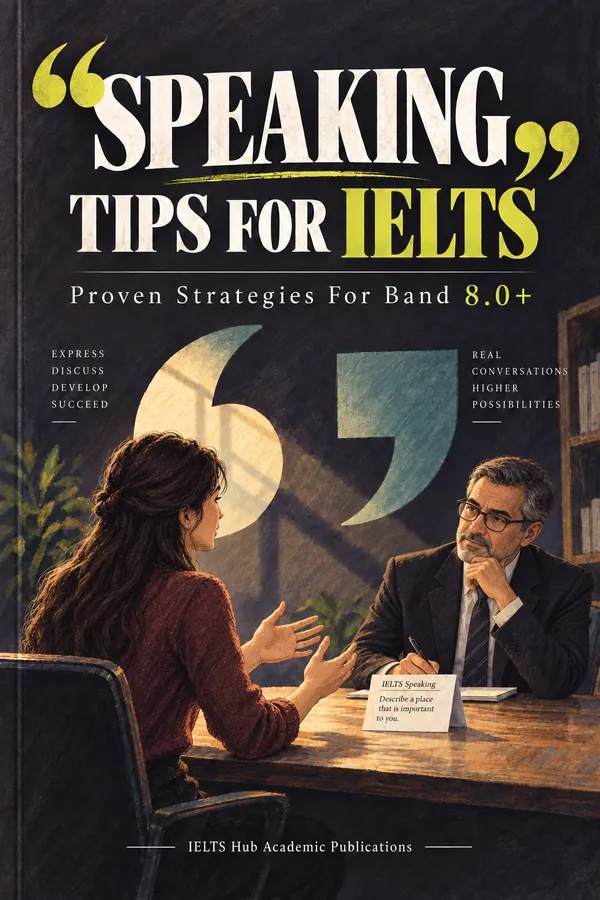
Speaking
Speaking Tips for IELTS
Proven Strategies for Band 8.0+
₹299$9.99CAD 13.99AUD 14.99£7.99NZD 16.99€8.99AED 39SGD 12.99
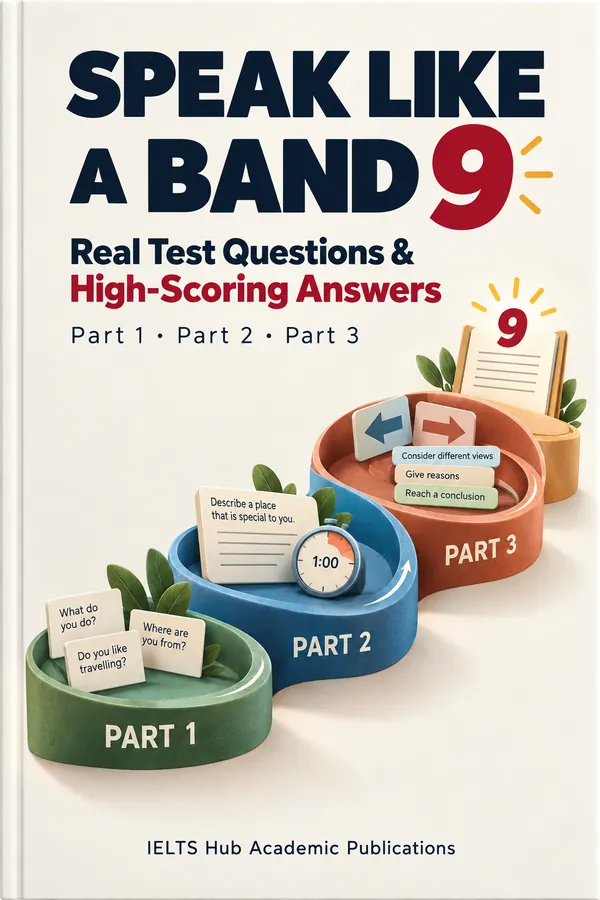
Speaking
Speak Like a Band 9
Real Test Questions & High-Scoring Answers
₹299$9.99CAD 13.99AUD 14.99£7.99NZD 16.99€8.99AED 39SGD 12.99