Speaking test #274
Part 1 · Interview
4 to 5 minutes. The examiner asks about you and familiar topics.
Can you tell me your full name?
Where are you from?
Do you work or are you a student?
Have you visited a farm?
Oh yes, I've had the pleasure of visiting a few farms in my lifetime. It's always such a fascinating experience to see where our food comes from and the hard work that goes into producing it.
What kind of farm do you like?
I have a bit of a soft spot for small, family-run farms. There's something about the care and dedication that goes into running a small farm that really resonates with me. It's also really nice to see the unique, sustainable practices that these types of farms often employ.
Do you think farming is important?
Absolutely. Farming is the backbone of our food system, and without it we wouldn't have the variety or abundance of food that we have today. Additionally, farming plays an important role in maintaining the balance of nature, and preserving the rural way of life.
Did you do farm work when you were young?
I didn't grow up on a farm, so I didn't have the opportunity to do farm work during my youth. However, I did have the chance to help out on a few farms during summers in college, and it was a great learning experience. It gave me a whole new appreciation for the hard work and dedication that goes into producing our food.
What place do you most like to visit? [Why?
?] I absolutely adore visiting the city of London. It's just so vibrant and full of life, with so much to see and do. Plus, the history and architecture are just breathtaking.
How often do you visit this place? [Why?
?] I try to visit London at least once a year, if not more. It's just such an amazing place that I never tire of. Plus, there's always something new to discover.
Is it popular with many other people? [Why?
?] Yes, London is definitely a popular tourist destination for people from all over the world. It's known for its historical and cultural significance, as well as its shopping and entertainment options.
Has it changed very much since you first went there? [In what way?
?] I have been visiting London for a while now, so yes, it's definitely changed over time. But, overall, it's still the same beautiful and exciting city that I fell in love with. Some new buildings have been built, and some areas have undergone major renovations, but the charm of the city remains intact.
You will have to talk about the topic for one to two minutes. You have one minute to think about what you are going to say. You can make some notes to help you if you wish.
Describe a letter you wrote to someone
You should say:
- Who you wrote the letter to
- What was the content of the letter
- How the recipient reacted to the letter
- How you felt after sending the letter
Who you wrote the letter to
I'd like to share with you an experience when I wrote a heartfelt letter to my grandmother. I vividly remember sitting down with a pen in hand, pouring my feelings onto paper. The letter was filled with gratitude for her love and wisdom, reminiscing about cherished memories we had shared, and expressing how much she meant to me. I made sure to include personal anecdotes and words of appreciation for her unwavering support throughout my life.
What was the content of the letter
When my grandmother received the letter, her reaction was beyond what I had expected. She was deeply moved and touched by the words I had written. She later told me that she had read the letter multiple times, each time feeling a sense of warmth and happiness. Her eyes sparkled with tears of joy as she hugged me tightly, thanking me for taking the time to express my love and appreciation so genuinely.
How the recipient reacted to the letter
After sending the letter, I felt a mix of emotions – relief, joy, and a profound sense of connection with my grandmother. It was a cathartic experience to put my feelings into words and share them with her. Knowing that my words had such a positive impact on her brought me immense happiness and strengthened our bond even more. I felt grateful for the opportunity to communicate my emotions in a meaningful way.
How you felt after sending the letter
In conclusion, writing a letter to my grandmother was a touching experience that deepened our relationship and created lasting memories. It reinforced the power of heartfelt communication and the importance of expressing gratitude to loved ones. This experience taught me the significance of taking the time to convey our feelings through written words, as it can truly touch the hearts of those we care about.
- Words
- 286
- Sentences
- 15
- Words per sentence
- 19.1
- Speaking time
- about 2.2 min
Counted at 130 words a minute. The exam gives you one to two minutes.
Part 3 · Discussion
4 to 5 minutes. The examiner asks broader questions linked to the cue card topic.
How can the content of a letter be different from an email in terms of how formal it is and how emotions are shown?
That's a fantastic question! The content of a letter tends to carry a more formal tone, often adhering to traditional structures and etiquette, especially in professional or serious contexts. For instance, when you write a letter, you might use a formal salutation and a more elaborate closing, which helps convey respect and seriousness. On the other hand, emails often allow for a more casual style, where the language can be more relaxed and personal, making it easier to express emotions and create a sense of intimacy. This flexibility in emails can lead to a more direct and authentic communication, as people feel free to use colloquialisms or emojis, which might be inappropriate in a letter. So, while both mediums serve their purposes, the emotional depth and level of formality can vary significantly between them!
How much more meaningful is it to communicate with handwritten letters instead of digital messages?
I believe that communicating through handwritten letters offers a sense of personal touch that digital messages often lack. When you take the time to write a letter by hand, it shows a level of thoughtfulness and effort that can make the recipient feel truly special. There's something incredibly nostalgic about receiving a letter in the mail; it evokes emotions and memories in a way that a quick text simply can’t. Moreover, handwritten letters can be cherished and kept as keepsakes, whereas digital messages often get lost in the sea of notifications. So, while digital communication is undeniably convenient, the emotional depth of a handwritten note can create a more meaningful connection.
How important do you think writing is for keeping personal relationships in today's digital world?
Written communication plays a crucial role in maintaining personal relationships, especially in our fast-paced digital age. While face-to-face interactions are invaluable, the ability to convey thoughts and feelings through texts, emails, or social media can help keep connections alive, even when people are physically apart. In fact, a simple message can provide a sense of closeness and understanding, allowing individuals to share their lives instantly, regardless of distance. However, it's essential to strike a balance; relying solely on written communication can sometimes lead to misunderstandings or a lack of emotional depth. Overall, when used effectively, written communication can be a powerful tool to strengthen bonds and foster meaningful connections.
Why do people usually prefer to share their feelings in writing instead of saying them out loud?
People often choose to express their feelings in writing because it allows for a more thoughtful articulation of their emotions. When we write, we have the time to reflect and carefully choose our words, which can lead to a clearer and more profound expression of what we’re experiencing. Additionally, for many, writing serves as a safe haven where they can pour out their thoughts without the immediate pressure of a face-to-face conversation. This can be particularly beneficial for those who may struggle with verbal communication or fear being misunderstood. Ultimately, the written word can capture nuances and subtleties that might get lost in spoken dialogue, making it a powerful tool for emotional expression.
How might the way people talk to each other change if writing letters became popular again?
If letter writing were to make a robust comeback, I think we would see a fascinating shift in the way people communicate. For starters, the art of handwritten correspondence could foster a deeper emotional connection, as it often conveys a sense of thoughtfulness and care that digital messages can sometimes lack. Imagine receiving a beautifully crafted letter; it feels personal and special, which might encourage people to express their feelings more openly. Additionally, the slower pace of letter writing could lead to more thoughtful communication, as individuals would likely take the time to reflect on their words before committing them to paper. This could reduce misunderstandings and promote more meaningful conversations. Overall, while it might seem nostalgic, a revival in letter writing could enrich our interactions and perhaps even strengthen relationships in a world that often feels rushed and impersonal.
What methods can be used to get young people to write more letters instead of only using digital communication?
To encourage young people to embrace letter writing, we could incorporate it into educational curricula by introducing fun and engaging activities that highlight the beauty of handwritten correspondence. For instance, schools could host letter-writing competitions or even establish a pen pal program, which would not only develop writing skills but also foster meaningful connections. Moreover, we could leverage social media platforms to create campaigns that celebrate the charm of receiving a handwritten letter, perhaps by sharing stories or testimonials about the joy it brings. Lastly, parents and guardians could play a pivotal role by modeling this behavior at home, perhaps by designating a specific day each month as "Letter Writing Day" to make it a regular practice.
Go further with the books
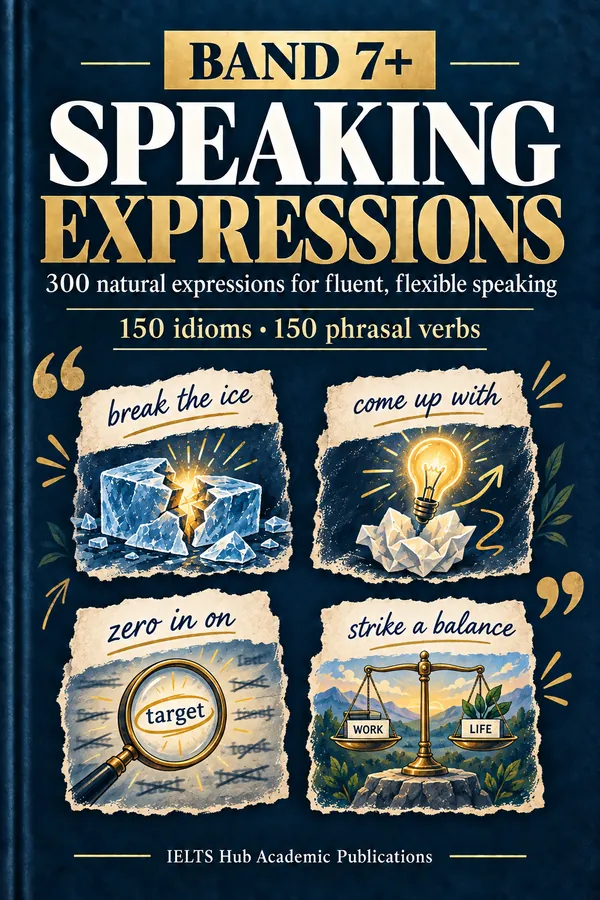
Speaking
Band 7+ Speaking Expressions
300 natural expressions for fluent, flexible speaking
₹199$6.99CAD 8.99AUD 9.99£4.99NZD 10.99€5.99AED 24SGD 8.99
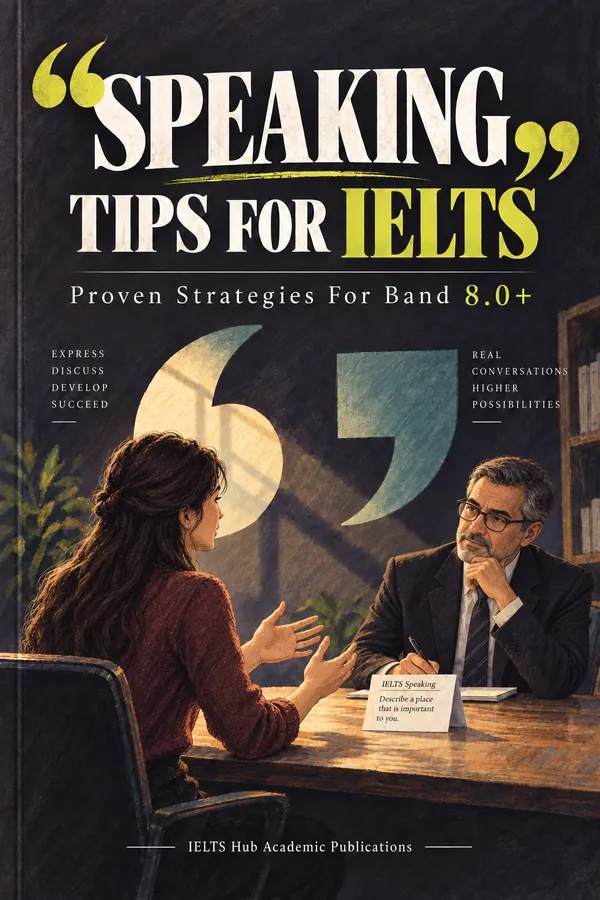
Speaking
Speaking Tips for IELTS
Proven Strategies for Band 8.0+
₹299$9.99CAD 13.99AUD 14.99£7.99NZD 16.99€8.99AED 39SGD 12.99
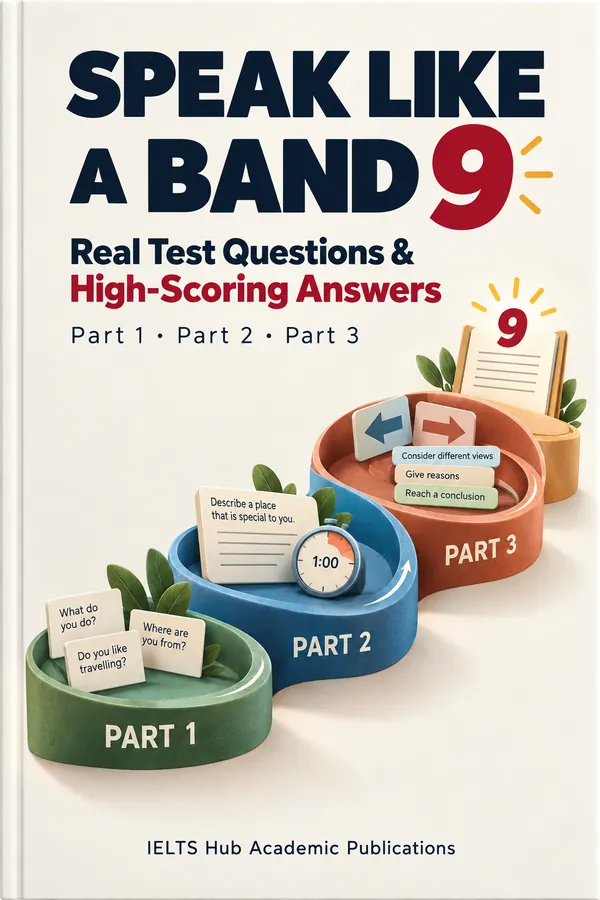
Speaking
Speak Like a Band 9
Real Test Questions & High-Scoring Answers
₹299$9.99CAD 13.99AUD 14.99£7.99NZD 16.99€8.99AED 39SGD 12.99