Speaking test #276
Part 1 · Interview
4 to 5 minutes. The examiner asks about you and familiar topics.
Can you tell me your full name?
Where are you from?
Do you work or are you a student?
Do you like fishing?
I am quite fond of fishing, as it provides a wonderful opportunity to spend time outdoors and connect with nature. I find the process of casting a line and waiting for a bite to be quite meditative and relaxing.
Is fishing a useful hobby?
I believe fishing can be a highly beneficial hobby for several reasons. For one, it allows individuals to engage in physical activity and get some exercise. Additionally, it can provide a source of food for those who choose to catch and release, or for those who keep the fish they catch. Furthermore, it can also be a great way to bond with friends and family, as well as to teach children about the importance of conservation.
Why do people go fishing?
People go fishing for a variety of reasons. Some individuals enjoy the challenge of trying to catch a specific type of fish or a particularly large one, while others find the peacefulness and tranquility of being out on the water to be highly appealing. Additionally, many people see fishing as a way to connect with nature, or as a way to spend quality time with friends and family.
Why do people like keeping fish as pets?
People like keeping fish as pets for many reasons. For one, they are relatively low maintenance and easy to care for, making them ideal for busy individuals or those who lack the space for larger pets. Additionally, many people find the vibrant colors and unique characteristics of different fish species to be quite captivating. Furthermore, keeping fish as pets can also be quite therapeutic, as the soothing movement of the fish can be quite calming and relaxing.
What kinds of flowers do you like?
Oh, I absolutely adore flowers! My favorites are probably roses and peonies. **They're both so elegant and romantic, don't you think**?
Are there any flowers that have special meanings in your country (India)?
In India, there are quite a few flowers that hold significant meanings. For example, marigolds are often used in religious ceremonies, and lotus flowers are said to symbolize purity and enlightenment.
Have you planted any flowers?
I have, actually! I have a little flower garden in my backyard where I grow all sorts of different blooms. It's such a nice way to add some color and life to my outdoor space.
Have you sent flowers to anyone?
I have! I think sending flowers is such a thoughtful gesture, so I try to do it whenever I know someone needs a little pick-me-up. It's a nice way to show you care and spread a little bit of happiness.
You will have to talk about the topic for one to two minutes. You have one minute to think about what you are going to say. You can make some notes to help you if you wish.
Describe a hobby you had in your childhood
You should say:
- What was the hobby?
- How did you develop this hobby?
- Why did you enjoy this hobby?
- Did this hobby have any impact on your life?
During my childhood in India, one of my favorite hobbies was traditional Indian dance, specifically Bharatanatyam. I was introduced to this art form by my mother, who herself is a trained dancer. She started teaching me the basic steps and expressions when I was around 6 years old, and I gradually developed a keen interest in it. Over the years, I attended regular dance classes to enhance my skills and learn complex choreographies.
I immensely enjoyed Bharatanatyam because it allowed me to express myself through graceful movements and intricate gestures. The rhythmic patterns of the music and the storytelling aspect of the dance fascinated me. I found solace in the hours of practice, as it provided a creative outlet and a sense of accomplishment. Performing on stage during annual recitals filled me with joy and a sense of pride in showcasing our rich cultural heritage.
This hobby had a significant impact on my life in various ways. Firstly, it instilled in me a sense of discipline and dedication as mastering Bharatanatyam requires hours of practice and perseverance. It also boosted my confidence and stage presence, which proved beneficial in my academic and professional pursuits later on. Additionally, the appreciation I garnered for Indian classical arts deepened my cultural roots and helped me connect with my heritage in a meaningful way. Overall, Bharatanatyam remains a cherished part of my childhood that continues to influence me positively.
- Words
- 235
- Sentences
- 13
- Words per sentence
- 18.1
- Speaking time
- about 1.8 min
Counted at 130 words a minute. The exam gives you one to two minutes.
Part 3 · Discussion
4 to 5 minutes. The examiner asks broader questions linked to the cue card topic.
How can kids' hobbies be different in cities compared to the countryside?
Childhood hobbies can vary significantly between urban and rural environments due to the differences in space, resources, and social opportunities. In urban areas, children often engage in activities that are more structured and organized, such as team sports or extracurricular clubs, largely because there are more facilities and community programs available. On the other hand, rural children might have the chance to indulge in hobbies that connect them to nature, like fishing or hiking, which can foster a deep appreciation for the outdoors. Additionally, the pace of life in rural settings often allows for more unstructured play, encouraging creativity and imagination in ways that urban kids might miss out on due to the fast-paced environment. Ultimately, both settings offer unique experiential learning opportunities that shape a child's interests and skills.
Can doing hobbies as a child affect what a person likes or chooses to do for a job later on?
Absolutely! Engaging in childhood hobbies can significantly shape a person’s future interests and career paths. For instance, a child who spends hours playing with building blocks might develop a passion for architecture or engineering later in life. Similarly, those who immerse themselves in artistic pursuits, like painting or music, often find themselves drawn to creative careers. These early experiences not only cultivate skills but also instill a sense of curiosity and creativity that can guide future decisions. It’s fascinating to see how these foundational interests can evolve into lifelong passions or even professional pursuits!
How do childhood hobbies help kids develop social skills?
Childhood hobbies play a pivotal role in the development of social skills among children. Engaging in activities such as sports, arts, or group games encourages children to interact with their peers, fostering collaborative skills and teamwork. These experiences not only help them learn how to communicate effectively but also teach them the value of mutual respect and empathy. Furthermore, hobbies often provide a platform for children to navigate conflicts and learn problem-solving techniques, which are essential for healthy relationships later in life. Overall, these formative experiences contribute significantly to their emotional intelligence and social competence, laying a strong foundation for their future interactions.
Why do you think some kids are more interested in hobbies than others?
That's a fascinating question! I believe the inclination to pursue hobbies can often be influenced by a variety of factors. For instance, parental support plays a significant role; children who have parents that encourage them to explore different activities may be more motivated to develop hobbies. Additionally, a child’s personality can greatly impact their interests—some kids are naturally more curious and adventurous, which drives them to seek out new experiences. Lastly, the environment in which a child grows up, such as access to resources and opportunities, can also determine how likely they are to engage in hobbies.
How might the popularity of some hobbies change in the future?
The popularity of certain hobbies is likely to evolve significantly over the coming years, primarily due to technological advancements and shifting societal trends. For instance, as virtual reality becomes more accessible, we may see a surge in immersive gaming experiences that blend physical activity with digital engagement. Additionally, as people become more health-conscious, hobbies that promote well-being, such as yoga or outdoor activities, might gain even greater traction. Moreover, the rise of social media has transformed how we share our interests, so hobbies that can be easily showcased online, like DIY crafts or cooking, may attract a larger following. The environmental awareness movement could also lead to an increase in hobbies centered around sustainability, such as gardening or upcycling. It's fascinating to think about how these trends can reshape our leisure activities and bring communities together in new and exciting ways!
What steps can parents take to help their kids try different hobbies?
Parents play a crucial role in fostering their children's interests, and there are several effective measures they can take to encourage exploration of various hobbies. Firstly, they can create a nurturing environment at home that promotes creativity and curiosity. This might involve setting aside dedicated time for activities like arts and crafts, music, or sports. Additionally, parents can actively participate in these activities with their children, which not only strengthens their bond but also provides a sense of shared experience that can be very motivating. Furthermore, exposing children to a wide range of activities through community events, workshops, or classes can also spark their interest in new hobbies. For instance, taking them to art exhibitions, music concerts, or local sports events can inspire them to try something new. Ultimately, by encouraging their children to pursue different interests, parents help them develop a more well-rounded personality and discover their true passions.
Go further with the books

Speaking
Speaking Tips for IELTS
Proven Strategies for Band 8.0+
₹299$9.99CAD 13.99AUD 14.99£7.99NZD 16.99€8.99AED 39SGD 12.99
Speaking
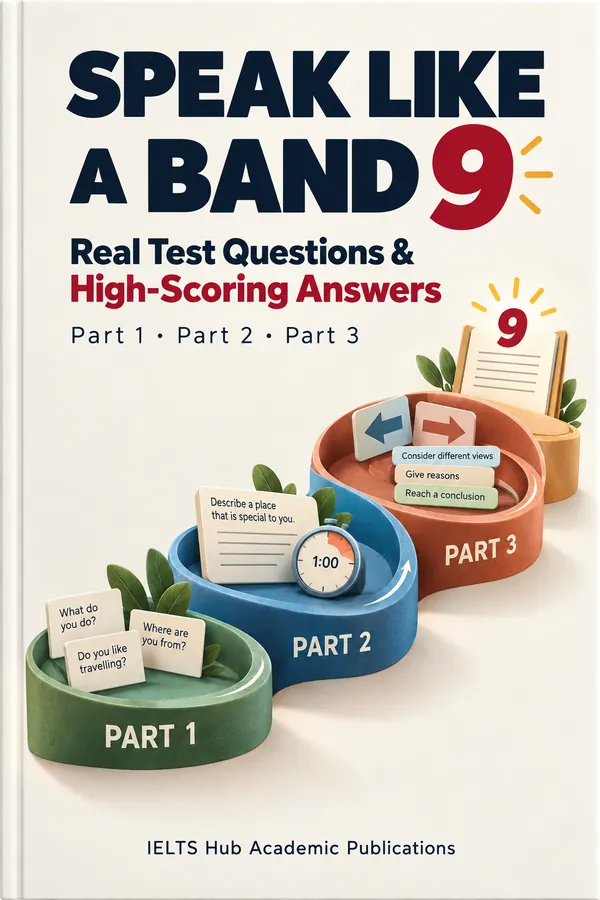
Speak Like a Band 9
Real Test Questions & High-Scoring Answers
₹299$9.99CAD 13.99AUD 14.99£7.99NZD 16.99€8.99AED 39SGD 12.99
Speaking
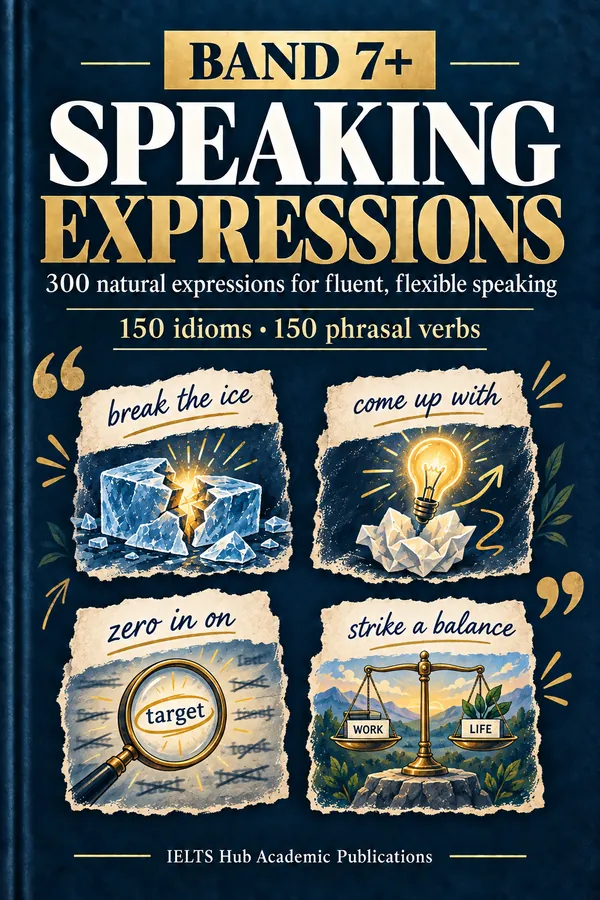
Band 7+ Speaking Expressions
300 natural expressions for fluent, flexible speaking
₹199$6.99CAD 8.99AUD 9.99£4.99NZD 10.99€5.99AED 24SGD 8.99