Speaking test #278
Part 1 · Interview
4 to 5 minutes. The examiner asks about you and familiar topics.
Can you tell me your full name?
Where are you from?
Do you work or are you a student?
What kinds of things do you have to bring when you go out?
Oh, well, it really depends on where I'm going and what I'll be doing. But generally speaking, I always make sure to have my phone, wallet, and keys with me. If I'm heading to work or school, I'll also grab my laptop or notebook. And if I'm going out for a day trip or something, I'll pack a water bottle and snacks.
Did you ever forget to bring something?
Yeah, absolutely. I'm definitely guilty of being forgetful sometimes. I've forgotten my phone or my keys at home before, and it's always a hassle to have to go back and get them. I've also forgotten my headphones or charger when I'm traveling, which can be a bit of a bummer.
How do you remind yourself?
I usually make a checklist of things that I need to bring with me before I leave the house. I'll put it on my phone or on a piece of paper, and I'll go through it before I head out the door. That way, I can make sure that I have everything I need before I leave.
Do you carry different things in the morning and the evening?
Not really. The things I need to bring with me are pretty consistent, no matter what time of day it is. Of course, if I'm going out for a night out or something, I might grab a different bag or bring a jacket, but for the most part, the essentials stay the same.
Do you have many close friends?
Absolutely, I'm quite blessed to have a pretty tight-knit group of buddies that I hold dear to my heart.
What do you usually do with your friends?
We're pretty adventurous and love to explore new places, whether it be a hike up a mountain or trying out a new restaurant in town. But we also enjoy some good old-fashioned hangouts at home, like movie nights or game nights.
Are you still friends with your friends from primary school?
Interestingly enough, I am still in touch with a handful of folks from my primary school days. It's always a blast catching up with them and reminiscing about old times.
Do you like chatting with your friends online?
Absolutely, I think the internet has made it so much easier to keep in touch with people, even if they're oceans away. It's great to have the ability to pop in and chat with friends anytime, anywhere.
You will have to talk about the topic for one to two minutes. You have one minute to think about what you are going to say. You can make some notes to help you if you wish.
Describe a story that people in your country know well
You should say:
- What is the story about
- Why is it well-known
- How is the story usually shared or passed down
- What lessons or morals can be learned from the story
What is the story about
In India, one of the most well-known and cherished stories is the ancient epic tale of the Ramayana. This story revolves around the central figure of Lord Rama, an ideal king, and his journey to rescue his wife Sita from the demon king Ravana. The Ramayana is not only a tale of love, loyalty, and righteousness but also a reflection of the eternal struggle between good and evil.
Why is it well-known
The Ramayana is deeply ingrained in the cultural and religious fabric of India, making it a story that is passed down through generations. It is often recited in religious gatherings, festivals, and theatrical performances known as Ramleelas. Moreover, the story is also widely available in various forms such as books, TV shows, and movies, ensuring its widespread popularity and continued relevance.
How is the story usually shared or passed down
The story of the Ramayana imparts numerous valuable lessons and morals to its listeners. One of the key teachings is the importance of fulfilling one's duties and responsibilities with unwavering dedication, as depicted by Lord Rama's commitment to upholding dharma (righteousness). Additionally, the Ramayana emphasizes the virtues of perseverance, sacrifice, and compassion, inspiring individuals to lead a life guided by principles of integrity and virtue.
What lessons or morals can be learned from the story
Overall, the Ramayana remains a timeless epic that resonates with people of all ages in India. Its enduring popularity can be attributed to its rich storytelling, profound moral teachings, and cultural significance. Through the narrative of the Ramayana, individuals continue to find solace, inspiration, and guidance in navigating the complexities of life, making it a story that will remain etched in the hearts and minds of the Indian people for generations to come.
- Words
- 267
- Sentences
- 12
- Words per sentence
- 22.3
- Speaking time
- about 2.1 min
Counted at 130 words a minute. The exam gives you one to two minutes.
Part 3 · Discussion
4 to 5 minutes. The examiner asks broader questions linked to the cue card topic.
What are the differences between popular stories in your country and those from other cultures?
That's a fascinating question! Stories that are well-known in my country often reflect our unique cultural values and traditions, which can differ significantly from those in other cultures. For instance, many local tales emphasize the importance of community and family ties, showcasing how individuals come together to overcome challenges. In contrast, stories from other cultures might focus more on individual heroism or personal journeys, which can offer a different perspective on life's struggles and triumphs. Additionally, the themes and morals of these stories often resonate with the historical context of the society they originate from, making them rich and multifaceted. Overall, while the core human experiences might be similar, the way they are expressed can vary widely, adding to the beautiful tapestry of global storytelling!
What are some usual things that make people feel a strong link to a specific story?
A strong connection to a particular story often stems from a few key elements that resonate deeply with individuals. Firstly, relatable characters play a crucial role; when readers can see themselves in the protagonist's struggles or triumphs, it creates an emotional bond. Additionally, the theme of the story, whether it be love, sacrifice, or personal growth, can strike a chord, making the narrative feel relevant to their own life experiences. Cultural references and settings can also enhance this connection, as they evoke a sense of familiarity and nostalgia. Ultimately, it's the combination of these factors that transforms a mere story into a profound experience, allowing individuals to reflect on their own beliefs and emotions.
How do these famous stories help shape a nation's culture?
Well-known stories play a crucial role in shaping the cultural identity of a nation by acting as a reflection of its values and traditions. They often encapsulate the history and experiences of a society, providing a sense of continuity and belonging. For instance, folklore and mythology frequently convey moral lessons that resonate with the community, fostering a shared understanding of right and wrong. Furthermore, these narratives can promote national pride by celebrating historical figures or pivotal events, which helps to unite people under a common identity. Ultimately, they serve as a foundation for cultural heritage, enriching the social tapestry of a nation and inspiring future generations.
Why do you think some stories become more popular than others in a community?
That's a fascinating question! I believe certain stories achieve greater fame due to their universal themes that resonate with a wide audience. For instance, tales that explore love, sacrifice, or the struggle between good and evil tend to capture people's imaginations, making them more relatable. Additionally, the way a story is told—be it through compelling characters or a captivating plot—can significantly influence its popularity. Lastly, I think the medium through which a story is shared, whether it's through books, movies, or social media, plays a crucial role in its dissemination and ultimately its fame in society.
How could the importance of these famous stories change later on?
The significance of well-known stories is likely to evolve as society changes and new generations emerge. For instance, stories that once resonated deeply with audiences may lose their relevance if they don’t adapt to contemporary values or challenges. Conversely, some narratives might gain new life as they are reinterpreted through modern perspectives, addressing issues like social justice or environmental sustainability. Additionally, advancements in technology and media can breathe fresh air into these tales, allowing them to reach wider audiences in innovative formats, such as virtual reality or interactive storytelling. Ultimately, the beauty of these narratives lies in their ability to transform and resonate with each new era, ensuring that they remain significant in a rapidly changing world.
What steps can be taken to make sure important stories are saved for future generations?
To ensure that important stories are preserved for future generations, I believe we need a multifaceted approach. Firstly, we could leverage modern technology by creating digital archives, which would not only store these narratives but also make them accessible to a global audience. Additionally, education plays a crucial role; incorporating storytelling into school curricula can foster a sense of appreciation for cultural heritage among young people. Community initiatives, like oral history projects, can also be incredibly effective, allowing individuals to share their personal stories while simultaneously enriching the collective memory. Ultimately, it’s about creating a culture that values and actively seeks to document and celebrate its history.
Go further with the books
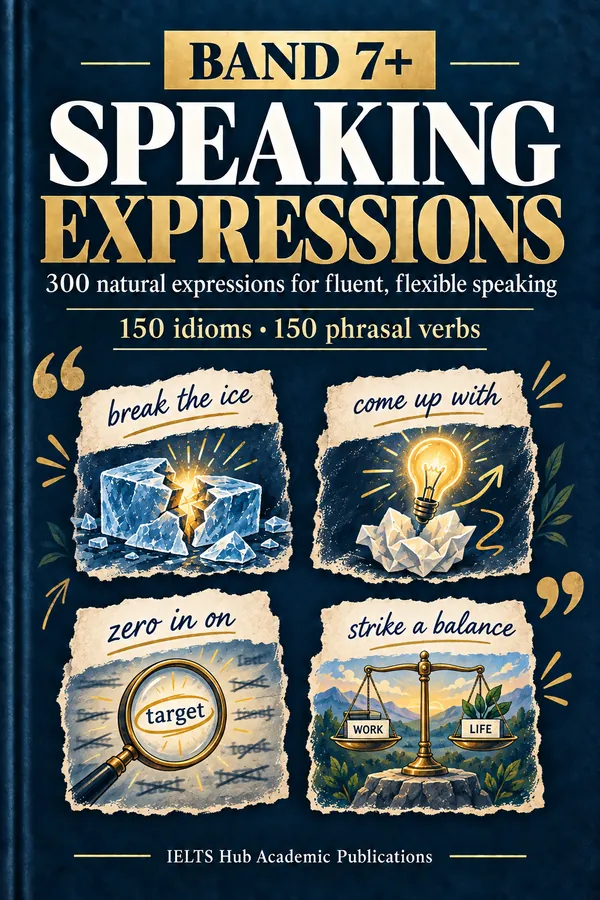
Speaking
Band 7+ Speaking Expressions
300 natural expressions for fluent, flexible speaking
₹199$6.99CAD 8.99AUD 9.99£4.99NZD 10.99€5.99AED 24SGD 8.99

Speaking
Speaking Tips for IELTS
Proven Strategies for Band 8.0+
₹299$9.99CAD 13.99AUD 14.99£7.99NZD 16.99€8.99AED 39SGD 12.99

Speaking
Speak Like a Band 9
Real Test Questions & High-Scoring Answers
₹299$9.99CAD 13.99AUD 14.99£7.99NZD 16.99€8.99AED 39SGD 12.99