Speaking test #286
Part 1 · Interview
4 to 5 minutes. The examiner asks about you and familiar topics.
Can you tell me your full name?
Where are you from?
Do you work or are you a student?
Do you often wear headphones to listen to something? [Why/Why not?
?]y Yes, because wearing the headphones can provide me with a quite environment. And I’m the kind of person who cannot stand the noisy sound especially when I need concentration.
Do you find headphones comfortable to wear? [Why/Why not?
?] Yes, but not always. At first I found it a little uncomfortable but when I’m used to it I often ignore its existence.
In what situation would you never wear headphones? [Why/Why not?
?] Firstly, when I need to show my respect such as in the classroom when the teacher is teaching. Secondly, I need to take my headphones off when it’s banned to take them on, for instance when the plane is taking off or preparing to land.
How popular is it to wear headphones in your country? [Why/Why not?
?] That depends on the people of different ages. For instance, when you are in a university where lots of young people live in, you will find it’s very popular. But, if you take a glance at the morning part where the local old people gather, it’s really a rare thing for you to have the headphones on.
Is it important to you to eat healthy food?
Definitely, eating healthy food is extremely important to me. Not only does it provide my body with the necessary nutrients to function properly, but it also has a direct impact on my overall well-being and mental health. I make sure to include a variety of fruits, vegetables, lean proteins, and whole grains in my diet, and try to limit my intake of processed foods and added sugars.
If you catch a cold, what do you do to help you feel better?
When I catch a cold, I make sure to get plenty of rest and drink lots of fluids to help my body fight off the virus. I also like to use over-the-counter medication such as ibuprofen or acetaminophen to alleviate any aches and pains, and sometimes use a humidifier in my room to help clear my congestion. I also avoid alcohol and smoking because they can irritate the respiratory system.
Do you pay attention to public information about health?
Yes, I definitely pay attention to public information about health. I think it's important to stay informed about current health issues and trends, as well as new research and treatments that are available. I regularly read articles and news updates about health topics that interest me, and I also follow reputable health organizations on social media to stay up-to-date on the latest information.
What could you do to have a healthier lifestyle?
There are many things I could do to have a healthier lifestyle. For example, I could make sure to get regular physical activity, such as going for a walk or a run, or taking part in a fitness class. I could also focus on eating a well-balanced diet that includes a variety of fruits, vegetables, and lean proteins. Additionally, I could make sure to get enough sleep each night, and try to manage my stress levels through activities such as yoga or meditation.
You will have to talk about the topic for one to two minutes. You have one minute to think about what you are going to say. You can make some notes to help you if you wish.
Describe a situation that made you angry
You should say:
- What happened
- Why it made you angry
- How you reacted
- What you learned from the experience
What happened
I vividly remember a situation that made me incredibly angry was when I witnessed a blatant act of corruption while visiting a government office in India. I had gone there to get some paperwork processed, and I was taken aback by the brazenness with which the officials asked for a bribe in exchange for speeding up the process. This unethical behavior triggered a deep sense of injustice and anger within me.
Why it made you angry
The reason this incident made me angry was not just because of the personal inconvenience it caused me, but more so because it highlighted the pervasive corruption that plagues our society. It was infuriating to see public servants, who are meant to serve the people, exploiting their positions for personal gain at the expense of honest citizens. The sheer audacity and lack of regard for ethical principles struck a chord with me and stirred a strong feeling of anger and disappointment.
How you reacted
In response to this situation, I initially felt a surge of anger and frustration. However, instead of succumbing to my emotions, I chose to confront the officials and firmly refused to engage in any corrupt practices. I made sure to report the incident to the higher authorities and raise awareness about the issue among my peers and community. This experience taught me the importance of standing up against wrongdoing, even in the face of adversity.
What you learned from the experience
From this experience, I learned that anger, when channeled constructively, can be a powerful catalyst for positive change. It reinforced my belief in the need for integrity, honesty, and a commitment to upholding ethical values in all aspects of life. This incident not only heightened my awareness of the prevalence of corruption but also inspired me to actively work towards fostering a more transparent and just society.
- Words
- 294
- Sentences
- 13
- Words per sentence
- 22.6
- Speaking time
- about 2.3 min
Counted at 130 words a minute. The exam gives you one to two minutes.
Part 3 · Discussion
4 to 5 minutes. The examiner asks broader questions linked to the cue card topic.
How can the reasons for anger vary among different people and cultures?
That's a fascinating question! The reasons behind anger can vary significantly based on both individual experiences and cultural backgrounds. For instance, in some cultures, expressing anger openly might be seen as a sign of strength, while in others, it may be frowned upon and considered disrespectful. This can lead to very different expressions of anger; someone from a culture that values emotional restraint might suppress their feelings, while another individual might openly confront the issue. Additionally, personal experiences play a huge role—what might trigger anger in one person could be completely inconsequential to another. For example, someone who has faced injustice might feel a deeper sense of anger when encountering similar situations compared to someone who hasn’t experienced that kind of adversity. In this way, the intersection of cultural norms and individual experiences creates a rich tapestry of how anger is understood and expressed across different contexts.
Some people think showing anger is good, while others believe it’s bad. What do you think about this?
I believe that expressing anger can be beneficial, but it really depends on how it’s done. When managed properly, expressing anger can lead to constructive conversations that help resolve conflicts and clear misunderstandings. It’s all about channeling that emotion into a productive outlet, like communicating openly with someone rather than letting it fester inside. However, if anger is expressed in an aggressive or destructive manner, it can lead to serious repercussions in relationships and even one’s mental health. So, in essence, it’s crucial to find a healthy way to express those feelings, ensuring they contribute to personal growth rather than harm.
Why is it important for people to know why they get angry, and how does this knowledge affect how they act?
Understanding the root causes of anger is incredibly significant for individuals. When people delve into the underlying reasons behind their emotions, they often gain a clearer perspective on their feelings, which can lead to more constructive coping mechanisms. This awareness not only helps to diffuse immediate anger but also fosters emotional intelligence, allowing them to respond to situations more thoughtfully rather than react impulsively. Ultimately, this understanding can transform relationships, as individuals become more empathetic and better equipped to communicate their feelings without resorting to conflict. In essence, grasping the reasons behind anger can significantly enhance both personal well-being and interpersonal dynamics.
Why do you think some people find it harder to control their anger than others?
I believe that the ability to manage anger varies significantly from person to person due to a combination of psychological factors and life experiences. For instance, individuals who have faced traumatic events or have grown up in a conflict-ridden environment may not have developed effective coping mechanisms. Additionally, some people may have a more sensitive temperament, making them prone to emotional outbursts. It’s also important to consider how social support networks can play a role; those with strong support systems often find it easier to process their feelings and calm down. In contrast, individuals who feel isolated might struggle more, as they lack the resources to help them navigate their emotions. Overall, it’s a complex interplay of factors that determines how well someone can control their anger.
What changes could we expect in the future about how people show and handle anger?
The way society expresses and deals with anger is likely to undergo significant transformation in the future, especially with the advent of technology and mental health awareness. As more people embrace mindfulness practices and emotional intelligence, we might witness a shift towards more constructive methods of expressing anger, such as open dialogues or therapeutic interventions. Additionally, the rise of social media could lead to more public discussions around anger, allowing individuals to share their feelings in a supportive environment rather than resorting to aggressive behaviors. Furthermore, as mental health continues to be prioritized, I envision communities implementing support systems that focus on conflict resolution and emotional regulation, helping people navigate their anger in healthier ways. Overall, these changes could foster a more empathetic society where anger is not merely suppressed but understood and managed effectively.
How can people handle their anger better when things get tough?
Managing feelings of anger, especially in challenging situations, requires a multifaceted approach. One effective method is mindfulness meditation, which helps individuals become more aware of their emotions and respond thoughtfully rather than react impulsively. Additionally, practicing deep breathing techniques can significantly help in calming the mind and body, allowing for a more rational perspective on the situation. Engaging in physical activity, like going for a brisk walk or hitting the gym, can also serve as a fantastic outlet for pent-up frustration. Ultimately, it’s about finding what works best for each person and being proactive in developing these healthy coping strategies.
Go further with the books

Speaking
Band 7+ Speaking Expressions
300 natural expressions for fluent, flexible speaking
₹199$6.99CAD 8.99AUD 9.99£4.99NZD 10.99€5.99AED 24SGD 8.99
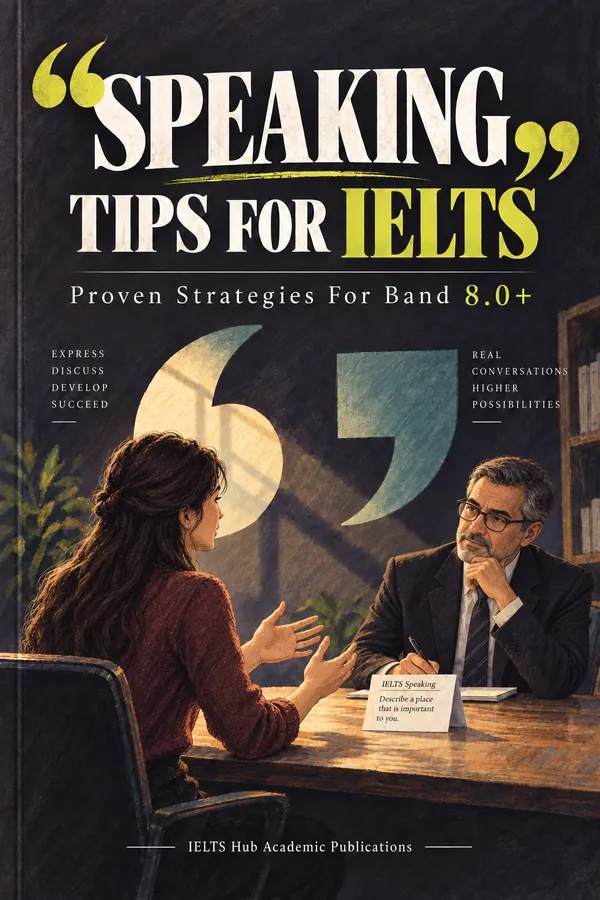
Speaking
Speaking Tips for IELTS
Proven Strategies for Band 8.0+
₹299$9.99CAD 13.99AUD 14.99£7.99NZD 16.99€8.99AED 39SGD 12.99
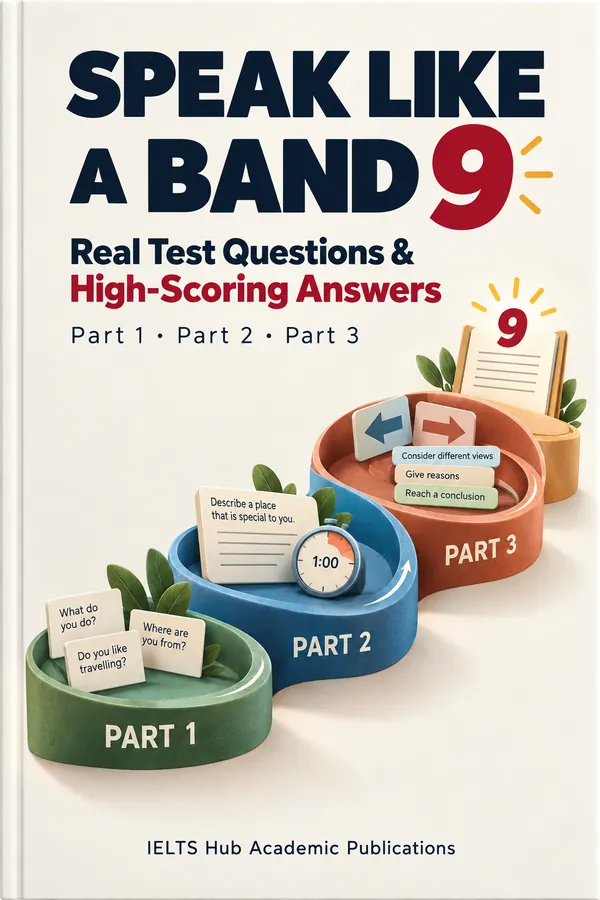
Speaking
Speak Like a Band 9
Real Test Questions & High-Scoring Answers
₹299$9.99CAD 13.99AUD 14.99£7.99NZD 16.99€8.99AED 39SGD 12.99