Speaking test #289
Part 1 · Interview
4 to 5 minutes. The examiner asks about you and familiar topics.
Can you tell me your full name?
Where are you from?
Do you work or are you a student?
Do you live in a house or an apartment?
I live in a house. It's a spacious three-bedroom home with a large garden and a garage. I love the feeling of having my own private space, and the garden is a real bonus for me.
Which is your favourite room in your home? Why?
My favourite room in my home is my living room. It's a cozy and comfortable space that is perfect for relaxing and entertaining. I love the natural light that floods in through the large windows, and the fireplace adds a warm and inviting touch. Plus, the view of the garden is just beautiful.
Would you change anything about your home? Why / why not?
I wouldn't change anything major about my home as I am very content with it the way it is. However, I would love to have a bigger kitchen as I love to cook and entertain. But overall, I am very happy with my home and don't feel the need to change anything.
Would you like to move to a different home in the future?
I am currently very content with my current home, but I can't rule out the possibility of moving in the future. I would consider it if the opportunity arises for a better location or a larger space. But for now, I am very happy where I am.
Where are you from?
I am from a small city in the midwestern United States. It's a lovely place with a strong sense of community and a lot of beautiful natural surroundings.
Do you like your home town? (Why?
?) Yes, I absolutely love my home town. It has a great quality of life, a friendly atmosphere, and plenty of opportunities for outdoor activities. Plus, it's a great place to raise a family.
Would you prefer to live somewhere else? (Why?
?) I would prefer to live somewhere else for a change of pace. While I love my home town, I think it would be exciting to experience a new culture, try different types of food, and meet new people. Plus, I think it would be a great opportunity to learn and grow as a person.
Do you think your home town is a good place for young people? (Why?
?) I do think my home town is a great place for young people. There are plenty of opportunities to get involved in the community, whether that be through volunteering, internships, or clubs and organizations. Plus, the city has a vibrant arts and culture scene, which I think is important for young people to experience and be exposed to. Overall, it's a great place to grow and develop as a person.
You will have to talk about the topic for one to two minutes. You have one minute to think about what you are going to say. You can make some notes to help you if you wish.
Describe a very polite person you know
You should say:
- Who is this person
- How you know this person
- In what situations this person shows politeness
- Why you think this person is very polite
Who is this person
In my life, I have been fortunate to know many polite individuals, but one person who truly stands out in terms of their exceptional politeness is my colleague, Riya. Riya and I work together in the same office, and she has consistently displayed remarkable politeness in all her interactions.
How you know this person
I first got to know Riya when she joined our team about a year ago. From the very beginning, her courteous and respectful nature made a strong impression on me. Despite being new to the team, she made a concerted effort to greet everyone warmly and engage in friendly conversations with her colleagues.
In what situations this person shows politeness
Riya's politeness shines through in various situations, but what strikes me the most is how she handles conflicts and disagreements with tact and grace. Even in the most challenging circumstances, she remains calm and composed, always choosing her words carefully to ensure that she does not offend or upset anyone.
Why you think this person is very polite
I believe Riya is very polite because she genuinely values the feelings and perspectives of others. She goes out of her way to make people feel comfortable and respected, regardless of their background or position. Her ability to maintain a positive and courteous demeanor in all situations sets her apart as a truly exceptional individual in terms of politeness.
- Words
- 211
- Sentences
- 10
- Words per sentence
- 21.1
- Speaking time
- about 1.6 min
Counted at 130 words a minute. The exam gives you one to two minutes.
Part 3 · Discussion
4 to 5 minutes. The examiner asks broader questions linked to the cue card topic.
How do you think politeness differs in various cultures?
Politeness is such a fascinating aspect of communication, and it can indeed vary significantly across cultures! For instance, in some Asian cultures, indirect communication is often preferred, where people might use subtle hints or non-verbal cues rather than explicit statements. This contrasts sharply with more direct cultures, like many Western countries, where straightforwardness is often valued and seen as a sign of honesty. Additionally, the use of titles and formal addresses can differ widely; in some cultures, using someone's title is essential for showing respect, while in others, a first name might be perfectly acceptable. All these variations highlight the intricacies of social interactions and how our backgrounds shape our understanding of what it means to be polite.
Some people think that being polite is not that important. What do you think about this?
I can see why some people might think that politeness is overrated, especially in a fast-paced world where directness is often valued. However, I firmly believe that politeness plays a crucial role in fostering positive relationships and maintaining social harmony. When we approach others with kindness and respect, it creates a more welcoming atmosphere that can lead to more meaningful interactions. Moreover, a little bit of politeness can go a long way in diffusing tense situations or misunderstandings. Ultimately, while being straightforward is important, I think we shouldn't underestimate the power of a polite gesture or word in our daily lives.
How important do you think politeness is for keeping peace in society?
Politeness plays an incredibly important role in maintaining social harmony. It acts as a social lubricant, facilitating smoother interactions between individuals and helping to avoid unnecessary conflicts. When people communicate with courtesy, it fosters a sense of respect and understanding, which is essential for building strong relationships. Without politeness, misunderstandings can easily escalate into more serious issues, disrupting the delicate balance of social interactions. In essence, a simple act of kindness or a thoughtful gesture can go a long way in creating a more harmonious society.
Why do you think some people are naturally nicer than others?
I believe that the degree of politeness in individuals often stems from a combination of upbringing and personal experiences. Those raised in nurturing environments that emphasize respect and consideration for others tend to exhibit more polite behavior. Additionally, cultural background plays a significant role; in some cultures, politeness is a fundamental social norm. Furthermore, people who have had exposure to diverse social situations may develop a heightened sense of empathy, which naturally translates into more courteous interactions. Ultimately, it’s a fascinating mix of nature and nurture that shapes our manners!
What might happen in society if being polite was not as important?
If politeness became less valued in society, we could witness a significant shift in interpersonal relationships. Communication might become much more blunt and confrontational, leading to misunderstandings and conflicts that could easily be avoided. Without the buffer of politeness, people might feel more free to express their opinions, but this could also result in a rise in social tensions and a breakdown of community ties. Additionally, workplaces might become less collaborative, as a lack of courteous behavior could hinder teamwork and creative problem-solving. Overall, the erosion of politeness could create an environment where empathy and understanding take a backseat, which would be detrimental to the fabric of society.
What ways can people use to be more polite in their interactions?
Cultivating a more polite demeanor in interactions is essential for fostering positive relationships. One effective method is to practice active listening, which involves giving full attention to the speaker and responding thoughtfully. This not only shows respect but also encourages a more meaningful dialogue. Additionally, incorporating simple yet impactful phrases like "please," "thank you," and "sorry" can significantly enhance the tone of conversations. Engaging in regular self-reflection can also help individuals become aware of their behavior and make necessary adjustments to be more considerate in their exchanges. Overall, these practices can create a more harmonious atmosphere in both personal and professional settings.
Go further with the books
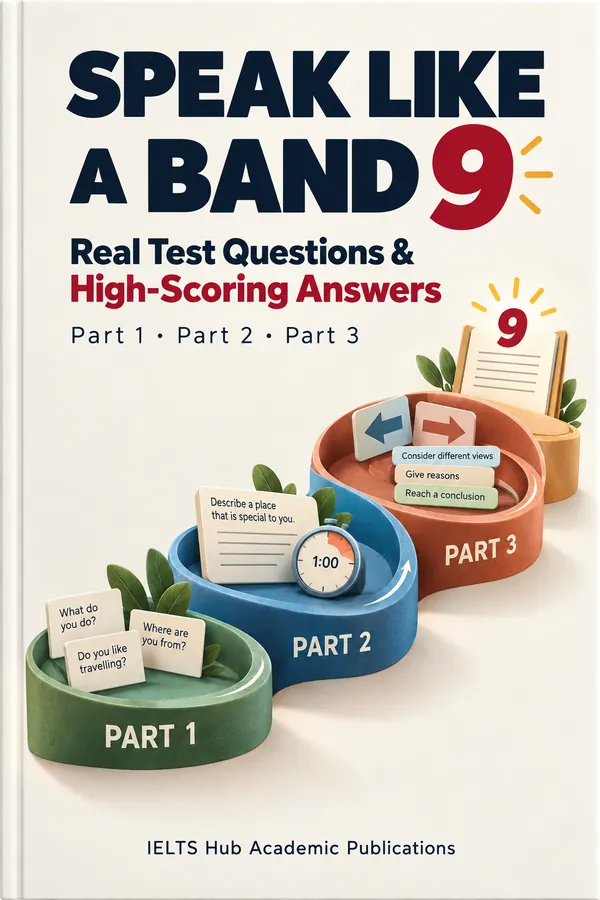
Speaking
Speak Like a Band 9
Real Test Questions & High-Scoring Answers
₹299$9.99CAD 13.99AUD 14.99£7.99NZD 16.99€8.99AED 39SGD 12.99
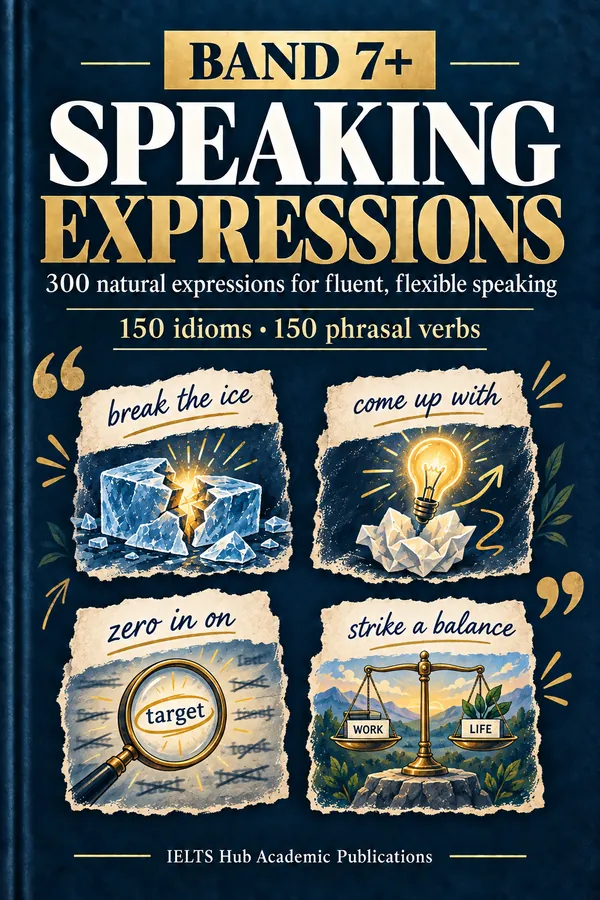
Speaking
Band 7+ Speaking Expressions
300 natural expressions for fluent, flexible speaking
₹199$6.99CAD 8.99AUD 9.99£4.99NZD 10.99€5.99AED 24SGD 8.99
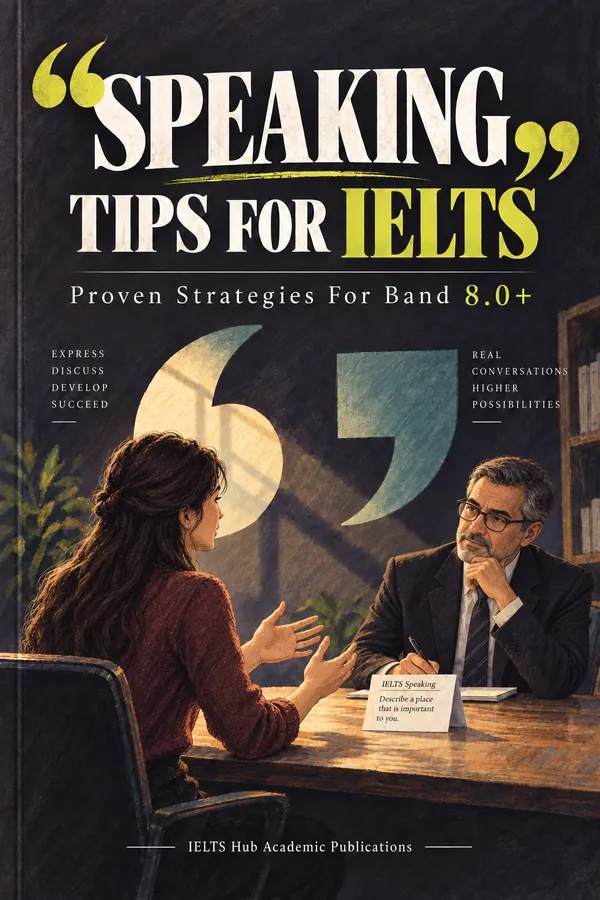
Speaking
Speaking Tips for IELTS
Proven Strategies for Band 8.0+
₹299$9.99CAD 13.99AUD 14.99£7.99NZD 16.99€8.99AED 39SGD 12.99