Speaking test #292
Part 1 · Interview
4 to 5 minutes. The examiner asks about you and familiar topics.
Can you tell me your full name?
Where are you from?
Do you work or are you a student?
Have you ever been to an island?
Yes, I have been to several islands. I have visited the beautiful beaches of Maldives, the historic island of Santorini in Greece, and the tropical paradise of Bali in Indonesia. Each island had its own unique charm and I absolutely loved exploring them.
Is there any island in your country?
Yes, there are several islands in my country. Some of the most popular ones include Bora Bora, Moorea, and Tahiti in French Polynesia, as well as the Cook Islands and Niue in the South Pacific. These islands are known for their stunning beaches, crystal-clear waters, and diverse marine life.
Do you want to live on an island?
I would love to live on an island. I think it would be an incredibly peaceful and tranquil experience to wake up to the sound of waves and the smell of fresh sea air every day. Plus, the island lifestyle is very laid-back and relaxed, which I think would be great for my mental and physical well-being.
What would you like to do when you are on an island?
When I am on an island, I would love to do a variety of activities. I would love to go snorkeling or diving to explore the coral reefs and marine life, go for long walks on the beach, and try different water sports such as kayaking or paddle-boarding. I would also love to visit any local villages or towns and learn about the culture and history of the island. Overall, I just want to fully immerse myself in the island lifestyle and take in all the natural beauty it has to offer.
Do you like to wear jeans?
I absolutely adore wearing jeans. They are comfortable, versatile, and timeless. I find them to be a perfect choice for any occasion, whether it's a casual day out or a more formal event. They are simply a staple in my wardrobe.
Did you ever wear jeans at school?
Yes, I did wear jeans at school. I remember my school had a relaxed dress code and jeans were allowed. I would often wear them on casual days or when I knew I would be doing a lot of physical activity. They were always my go-to choice as they were comfortable and practical.
Why are jeans famous all around the world?
Jeans are famous all around the world because they are a timeless and versatile piece of clothing. They are suitable for all ages, genders, and occasions, making them a popular choice for people everywhere. Additionally, their durability and ruggedness make them perfect for everyday wear, making them a practical choice for many people.
Would you buy an expensive pair of jeans?
I would certainly consider buying an expensive pair of jeans if I felt that they were worth the investment. I believe that quality is more important than price, so if an expensive pair of jeans was made from high-quality materials and was well-crafted, I would definitely consider buying them. I also think that investing in a high-quality pair of jeans would be more cost-effective in the long run as they would last longer.
You will have to talk about the topic for one to two minutes. You have one minute to think about what you are going to say. You can make some notes to help you if you wish.
Describe a friend you had as a child/teenager
You should say:
- How you met
- What activities you did together
- What you liked about this friend
- Why you are no longer in touch
How you met
As a child growing up in India, I had a close friend named Ria whom I met in primary school. Our friendship blossomed when we were paired together for a group project, and we instantly hit it off due to our shared love for storytelling and art. We used to spend hours creating imaginative stories, drawing colorful illustrations, and even putting up small skits for our classmates during school events.
What activities you did together
Ria and I bonded over our mutual fascination with mythology and folklore, often losing ourselves in books and discussing the magical worlds within them. What I admired most about Ria was her creativity and the way she could turn ordinary moments into extraordinary adventures. Her infectious laughter and positive energy always brightened up my days, making her a cherished companion during my formative years.
What you liked about this friend
Unfortunately, as we grew older, our paths diverged when we enrolled in different colleges in different cities. The distance made it challenging to stay in touch regularly, and our busy schedules further strained our communication. Despite our best intentions, the demands of academic life and new friendships gradually led us in different directions, causing our once inseparable bond to fade over time.
Why you are no longer in touch
While Ria and I may no longer be in touch as frequently as we once were, the memories of our childhood friendship remain etched in my heart. I will always treasure the moments of laughter, creativity, and companionship we shared, as they shaped my early years and taught me the value of genuine connections. Though we may have drifted apart physically, the bond we forged as childhood friends will forever hold a special place in my memories.
- Words
- 273
- Sentences
- 12
- Words per sentence
- 22.8
- Speaking time
- about 2.1 min
Counted at 130 words a minute. The exam gives you one to two minutes.
Part 3 · Discussion
4 to 5 minutes. The examiner asks broader questions linked to the cue card topic.
How are childhood friendships different from friendships made in adulthood?
Friendships from childhood often possess a sense of innocent camaraderie that is hard to replicate in adulthood. In our formative years, friendships are typically built around shared experiences, such as playing games or attending school together, which fosters a sense of unconditional support. In contrast, adult friendships tend to be influenced by more complex factors, such as career demands and personal responsibilities, which can sometimes lead to a more pragmatic approach to relationships. Moreover, while childhood friendships may be more spontaneous and carefree, adult friendships often require a conscious effort to maintain, given the myriad of obligations we face. Ultimately, both types of friendships are valuable, but they emerge from different contexts and life stages.
How much do you think the traits of a good friend change as someone grows up?
That’s a fascinating question! I believe the qualities we seek in a friend can indeed evolve significantly as we mature. In our younger years, we often value traits like shared interests and a fun-loving attitude because we’re typically focused on socializing and having a good time. However, as we grow older, qualities such as empathy, trustworthiness, and a supportive nature tend to take precedence. We begin to appreciate friends who can offer us deeper connections and who understand our personal challenges. Ultimately, while the foundation of friendship remains the same, the nuances of what we cherish in those relationships can shift dramatically over time.
How important do you think childhood friendships are in forming a person's character?
Childhood friendships are incredibly significant in shaping one's personality. During those formative years, children learn essential social skills, such as empathy, cooperation, and conflict resolution, often through their interactions with friends. These bonds can foster a sense of belonging and self-esteem, which are crucial for emotional development. Additionally, the experiences shared with friends can influence interests and values, helping to lay the groundwork for future relationships. Overall, I believe these early connections profoundly impact an individual's character and outlook on life, creating a lasting foundation for their social interactions as adults.
Why do you believe it's important for kids to make friends when they're young?
I believe developing friendships at a young age is crucial for several reasons. Firstly, it helps children cultivate essential social skills, such as communication and empathy, which are foundational for their personal and professional lives later on. When kids learn to interact with their peers, they also discover how to navigate emotions and resolve conflicts, which are invaluable skills. Furthermore, these early friendships provide a sense of belonging and support, making children feel secure and valued in their social environment. Ultimately, fostering these relationships can lead to a more confident and well-rounded individual as they grow up.
How could friendships change in the future because of new technology?
That's a fascinating question! With the rapid pace of technological advancements, I believe the nature of friendships will undergo significant transformations. For instance, virtual reality and augmented reality could create immersive experiences that allow friends to interact in more dynamic ways, even if they are continents apart. Additionally, the rise of social media platforms might lead to friendships being formed based on shared interests rather than geographical proximity, which could foster a more diverse range of connections. However, it’s crucial to remember that while technology can facilitate connections, it might also pose challenges, such as superficial relationships lacking depth. Ultimately, the key will be finding a balance between our digital interactions and maintaining those authentic, meaningful connections that truly enrich our lives.
What steps can be taken to help kids keep their friends as they get older?
To help children maintain their friendships as they grow older, it’s crucial to encourage open communication and regular interaction. One effective measure is to promote shared activities, such as joining clubs or sports teams, which can help strengthen their bonds. Additionally, parents can play a role by facilitating playdates or get-togethers, ensuring that these friendships are nurtured over time. It's also important to teach children the value of emotional intelligence, so they can understand and support their friends through ups and downs. Ultimately, fostering a sense of community and inclusiveness can make a significant difference in helping these relationships thrive as they navigate through life.
Go further with the books

Speaking
Speaking Tips for IELTS
Proven Strategies for Band 8.0+
₹299$9.99CAD 13.99AUD 14.99£7.99NZD 16.99€8.99AED 39SGD 12.99

Speaking
Speak Like a Band 9
Real Test Questions & High-Scoring Answers
₹299$9.99CAD 13.99AUD 14.99£7.99NZD 16.99€8.99AED 39SGD 12.99
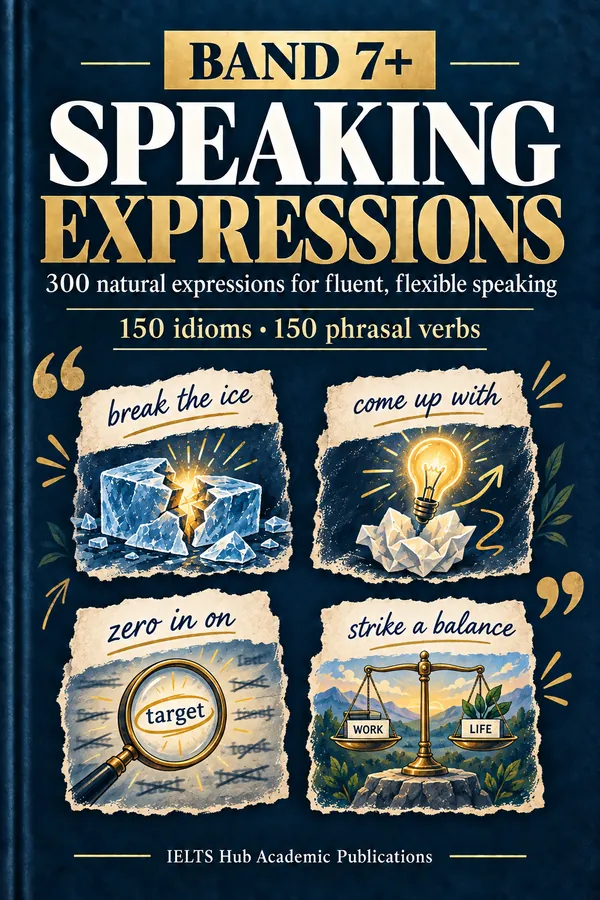
Speaking
Band 7+ Speaking Expressions
300 natural expressions for fluent, flexible speaking
₹199$6.99CAD 8.99AUD 9.99£4.99NZD 10.99€5.99AED 24SGD 8.99