Speaking test #293
Part 1 · Interview
4 to 5 minutes. The examiner asks about you and familiar topics.
Can you tell me your full name?
Where are you from?
Do you work or are you a student?
How often do you wear jewellery? [Why/Why not?
?] I wear jewellery quite often, as I find it to be a great way to add a touch of elegance and style to any outfit. I particularly enjoy wearing statement pieces, such as a bold necklace or a pair of statement earrings, as they can really help to make an outfit stand out. However, I also appreciate the simplicity of a delicate pendant or a pair of simple stud earrings, as they can add a touch of elegance without being too overpowering.
What type of jewellery do you like best? [Why/Why not?
?] Personally, I have a strong preference for gold jewellery. I find that the warmth and richness of the metal complements my skin tone very well, and I enjoy the way that it can add a touch of luxury to any outfit. Additionally, I find that gold jewellery is often very versatile and can be worn with a wide range of different styles and colours.
When do people like to give jewellery in your country [Why?
?] In my country, people tend to give jewellery as gifts for special occasions such as birthdays, anniversaries, and weddings. I think that this is because jewellery is often seen as a symbol of love and commitment, and as such is a perfect gift to mark a special occasion. Additionally, many people also like to give jewellery as a way to commemorate important life milestones, such as a graduation or a new job.
Have you ever given jewellery to someone as a gift? [Why/Why not?
?] Yes, I have given jewellery as a gift to several people in my life. I find that jewellery is a very personal and meaningful gift, as it can be worn and treasured for years to come. Additionally, I like to give jewellery as a gift because it allows me to express my feelings and show someone how much I care about them. For example, I have given my mother a beautiful gold necklace as a gift for her birthday and I gave my wife a diamond ring as a gift for our anniversary. I always feel that these gifts were very special for them as well as for me.
Do you like listening and telling jokes?
I absolutely adore listening to and telling jokes. I find them to be a great way to lighten the mood and bring a sense of levity to any situation. Not only do they provide a form of entertainment, but they can also serve as a tool for bonding with others and fostering a sense of camaraderie.
How do you know what jokes are proper to say to your friends?
I make sure to exercise discretion when it comes to telling jokes to my friends. I always consider the context and audience before sharing a joke, as well as the potential impact it may have on those around me. I also try to avoid jokes that may be offensive or insensitive, as I believe that humor should never come at the expense of others.
What are some common subjects that people like to joke about?
People often like to joke about a wide variety of subjects, such as politics, relationships, and everyday life. Additionally, self-deprecating humor is also quite popular, as it allows people to poke fun at their own flaws and foibles. Pop culture and current events are also common subjects for jokes, as they provide a relatable and timely basis for humor.
Are you good at telling jokes?
I would consider myself to be quite proficient at telling jokes. I have a vast repertoire of jokes that I can draw from, and I am always on the lookout for new and interesting jokes to add to my collection. I also enjoy experimenting with different comedic styles and formats, such as puns, one-liners, and storytelling. Overall, I believe that my ability to tell jokes is one of my strengths, and I take great pleasure in bringing a smile to others through humor
You will have to talk about the topic for one to two minutes. You have one minute to think about what you are going to say. You can make some notes to help you if you wish.
Describe a useful website you have visited
You should say:
- What is the website about
- How did you find out about the website
- How often do you visit this website
- Explain why you find this website useful
What is the website about
I'd like to talk about a website that has been incredibly useful to me - Khan Academy. Khan Academy is an online platform that offers a wide range of educational resources covering subjects like mathematics, science, history, and much more. What sets Khan Academy apart is its collection of instructional videos, practice exercises, and personalized learning dashboard that allow users to study at their own pace.
How did you find out about the website
I first learned about Khan Academy during my high school days when a friend recommended it to me as a great resource for math help. Since then, I have been a regular visitor to the website, especially when I need clarification on challenging topics or want to practice specific skills. The website's user-friendly interface and clear explanations make learning enjoyable and effective.
How often do you visit this website
I visit Khan Academy at least a few times a week, depending on my academic workload. Whether I need help with calculus problems or want to brush up on my history knowledge, Khan Academy has proven to be an invaluable tool. The website's extensive content library caters to learners of all levels, making it suitable for students, educators, and lifelong learners alike.
Explain why you find this website useful
Overall, I find Khan Academy to be an indispensable resource for self-study and academic support. The website's interactive features, comprehensive content, and supportive community have helped me enhance my understanding of various subjects and improve my problem-solving skills. I highly recommend Khan Academy to anyone looking to supplement their learning or explore new topics in a structured and engaging manner.
- Words
- 250
- Sentences
- 12
- Words per sentence
- 20.8
- Speaking time
- about 1.9 min
Counted at 130 words a minute. The exam gives you one to two minutes.
Part 3 · Discussion
4 to 5 minutes. The examiner asks broader questions linked to the cue card topic.
What is the difference between online resources and traditional information like books and newspapers?
Online resources and traditional forms of information, like books and newspapers, differ in several significant ways. Firstly, online resources offer unparalleled accessibility; you can find a wealth of information with just a few clicks, whereas books and newspapers require physical access, which can be limiting. Additionally, the speed of information dissemination online is remarkable—news can be updated in real-time, keeping readers informed with the latest developments, while print media often lags behind in this respect. Moreover, the interactivity of online resources is another major advantage. For instance, readers can engage with content through comments, shares, and various multimedia elements, creating a more immersive experience. On the flip side, traditional media provides a sense of credibility and permanence that online sources sometimes lack, as many people still trust printed material more than what they read on the internet. Overall, while both forms have their merits, the dynamism and immediacy of online resources undoubtedly cater to our fast-paced world.
How much do you think the internet has changed how people get information?
The internet has fundamentally transformed the way we access information, and I would argue that its impact is nothing short of revolutionary. Before the digital age, acquiring knowledge often necessitated hours spent in libraries, sifting through countless books and journals. Now, with just a few clicks, we can access an infinite array of resources from around the globe. This ease of access has not only democratized information but has also fostered a culture of instant gratification, where we expect answers at our fingertips. However, I do think it also presents challenges, such as the proliferation of misinformation, which requires us to be more critical and discerning in our consumption of content. Overall, the internet has undeniably reshaped our relationship with information in profound ways.
How do you think websites help with education and learning?
Websites play a crucial role in the education and learning process today. They serve as a vast repository of information, allowing students to access a wealth of resources at their fingertips, which enhances their understanding of complex subjects. Additionally, many educational websites offer interactive tools and forums where learners can engage with peers and educators alike, fostering a sense of community and collaboration. This accessibility not only caters to different learning styles but also encourages self-directed learning, empowering individuals to take charge of their own educational journeys. Overall, the integration of websites into learning environments has transformed education into a more dynamic and engaging experience.
Why do you think some websites are more popular than others?
There are several factors that contribute to why some websites become more popular than others. First and foremost, user experience plays a crucial role; sites that are easy to navigate and visually appealing tend to attract and retain visitors more effectively. Additionally, quality content is essential—websites that consistently provide valuable and relevant information are more likely to build a loyal audience. Moreover, effective search engine optimization (SEO) strategies can significantly boost a site's visibility, making it easier for users to find them through search engines. Lastly, social media presence can’t be overlooked; websites that actively engage with audiences on platforms like Instagram or Twitter often see a surge in traffic as they tap into broader networks. Overall, it's a combination of these elements that propels certain websites to the forefront of popularity.
How could useful websites change in the next ten years?
In the next decade, I believe the role of useful websites will undergo a significant transformation, largely propelled by advancements in technology. With the rise of artificial intelligence and machine learning, we can expect websites to become increasingly personalized, tailoring content and recommendations to individual users based on their preferences and behaviors. Additionally, as virtual reality and augmented reality gain traction, websites may evolve into immersive platforms where users can interact with content in a more dynamic way, creating richer experiences. Moreover, I think the emphasis on user experience will continue to grow, leading to more intuitive designs that cater to accessibility and inclusivity. This evolution will not only enhance engagement but also empower users to access information more efficiently. Overall, the future of websites looks promising, with the potential to revolutionize how we connect with information and each other.
What steps can be taken to improve the trustworthiness of information on websites?
To enhance the reliability of information found on websites, a combination of critical thinking and technological measures is essential. Firstly, educational institutions could implement programs to teach individuals how to assess the credibility of online sources effectively. This includes recognizing red flags such as poor grammar, lack of citations, or sensationalist language. Additionally, websites themselves could adopt stricter verification processes for content, perhaps by requiring contributors to provide credentials or evidence to support their claims. Encouraging the use of fact-checking tools and independent reviews can also empower users to discern truth from misinformation. Ultimately, fostering a culture of skepticism and inquiry will go a long way in ensuring that the information we consume online is both accurate and trustworthy.
Go further with the books
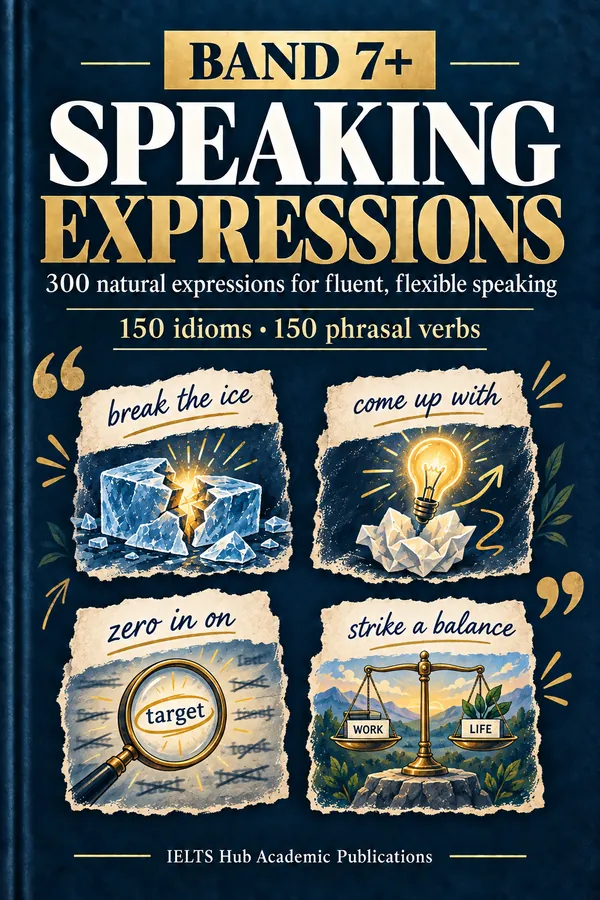
Speaking
Band 7+ Speaking Expressions
300 natural expressions for fluent, flexible speaking
₹199$6.99CAD 8.99AUD 9.99£4.99NZD 10.99€5.99AED 24SGD 8.99
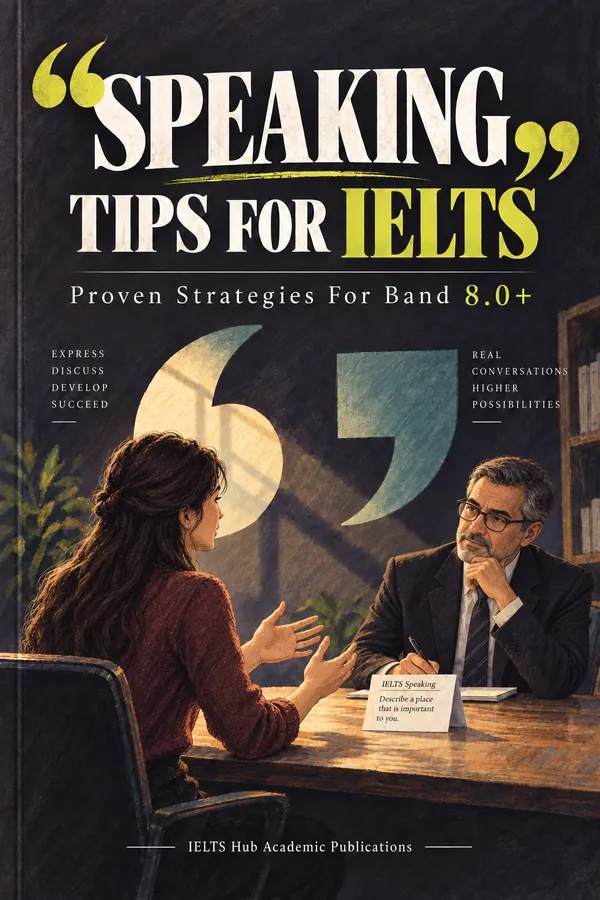
Speaking
Speaking Tips for IELTS
Proven Strategies for Band 8.0+
₹299$9.99CAD 13.99AUD 14.99£7.99NZD 16.99€8.99AED 39SGD 12.99
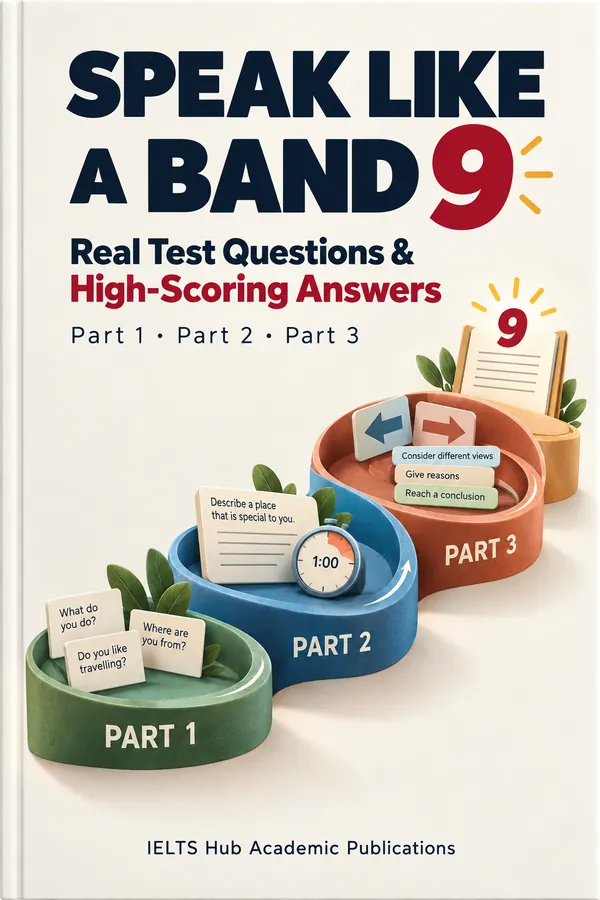
Speaking
Speak Like a Band 9
Real Test Questions & High-Scoring Answers
₹299$9.99CAD 13.99AUD 14.99£7.99NZD 16.99€8.99AED 39SGD 12.99