Speaking test #296
Part 1 · Interview
4 to 5 minutes. The examiner asks about you and familiar topics.
Can you tell me your full name?
Where are you from?
Do you work or are you a student?
Do you enjoy your current stage of life?
I would say that I am quite content with my current stage of life. I am in my mid-20s and am currently finishing my university studies, which is a very exciting time for me. I am also starting to establish a career and am building a solid foundation for my future. Overall, I am pleased with where I am at and am optimistic about what the future holds.
In what stage of your life were you the happiest?
That's a difficult question to answer, as I have had many happy moments throughout my life. However, if I had to choose, I would say that my childhood was probably the stage of my life when I was the happiest. I had a very loving and supportive family, and I had the freedom to explore and discover the world around me without many responsibilities. It was a carefree and joyful time in my life.
Which stage of your life do you think is the most important?
I believe that every stage of life is important in its own way. However, I would say that the adolescent years are particularly crucial. This is a time when young people are trying to figure out who they are and what they want to do with their lives. It's a time when they are forming their identity and values, and it's a time when they are learning how to navigate the world and make important decisions. I think that the choices and experiences that one has during this stage can shape the course of their entire life.
What’s your plan for your next stage of life?
Well, as I am currently finishing my university studies, my immediate plan is to find a job in my field of study. I am looking forward to starting my career and putting my knowledge and skills to work. In the long term, I would like to continue to grow and develop in my career and hopefully one day start my own business. Additionally, I hope to find a partner, start a family, and create a happy and fulfilling life for myself.
Do you make a list when you shop?
Yes, I always make a list when I go shopping. I find it helps me to stay organized and ensures that I don't forget any important items that I need to buy.
Do you make a list for your work or study?
Yes, I do make a list for my work and study. I find that it helps me to stay focused and to prioritize tasks that need to be done. It also allows me to track my progress and stay on top of deadlines.
Why don’t some people like making lists?
I think some people may find making lists to be tedious or time-consuming. They may also feel that they have a good memory and don't need to rely on lists to keep track of things. Additionally, some people may find that they prefer to work in a more spontaneous and unstructured way, and the idea of having a list may feel restrictive to them.
Do you prefer to make a list on paper or your phone?
I prefer to make a list on my phone. I find it more convenient as I always have my phone with me and it is easy to access and update my lists wherever I am. However, I also like to have a physical copy of my list as a backup, just in case my phone runs out of battery or I don't have an internet connection.
You will have to talk about the topic for one to two minutes. You have one minute to think about what you are going to say. You can make some notes to help you if you wish.
Describe a children's story that you know well
You should say:
- What is the story about?
- Why do you like this story?
- How did you first hear about this story?
- Do you think this story is important for children today?
What is the story about?
One of the most beloved children's stories that I know well is "The Jungle Book" by Rudyard Kipling. This classic tale follows the adventures of a young boy named Mowgli who grows up in the jungle raised by wolves. The story is not only entertaining but also carries valuable lessons about friendship, courage, and the importance of respecting nature and wildlife.
Why do you like this story?
I have always been fascinated by the vivid descriptions of the jungle and the diverse characters that Mowgli encounters along his journey. The story's themes of loyalty and bravery have resonated with me since childhood, and I appreciate the way it portrays the strong bond between humans and animals.
How did you first hear about this story?
I first heard about "The Jungle Book" when my parents introduced me to the book and later the animated movie adaptation. The colorful illustrations and captivating narrative immediately captured my imagination, and I found myself getting lost in the world of Mowgli and his animal friends.
Do you think this story is important for children today?
In today's fast-paced and technology-driven world, I believe that stories like "The Jungle Book" are more important than ever for children. This timeless tale not only sparks creativity and imagination but also imparts valuable lessons about empathy, diversity, and the interconnectedness of all living beings. It encourages children to appreciate nature and wildlife, fostering a sense of wonder and respect for the world around them.
- Words
- 221
- Sentences
- 10
- Words per sentence
- 22.1
- Speaking time
- about 1.7 min
Counted at 130 words a minute. The exam gives you one to two minutes.
Part 3 · Discussion
4 to 5 minutes. The examiner asks broader questions linked to the cue card topic.
What are the differences between children's stories now and those that were liked in the past?
Children's stories today differ significantly from those of the past, primarily in their themes and representation. While classic tales often centered around traditional morals and fairy tale elements, contemporary stories tend to embrace a wider range of subjects, including diversity and inclusivity. This shift reflects our society's growing awareness of different cultures and perspectives, allowing children to see themselves represented in literature. Furthermore, modern stories often incorporate humor and relatable scenarios that resonate with today's young readers, making them feel more connected to the characters. Overall, I think it's fascinating how children's literature has evolved to not only entertain but also to educate and foster empathy in the younger generation.
How much do you think kids' stories influence their ideas about right and wrong?
Children's stories play a crucial role in shaping their understanding of morality. These narratives often present clear moral lessons that help young readers distinguish between right and wrong. For instance, tales like "The Boy Who Cried Wolf" not only entertain but also instill the importance of honesty. Moreover, stories often introduce children to diverse characters and situations, which fosters empathy and encourages them to consider the feelings of others. Overall, I believe that well-crafted children's stories can serve as powerful tools in moral development, laying a foundation for ethical decision-making as they grow.
How do pictures help make a story better for a child?
Illustrations play a vital role in enriching a child's experience of a story by providing a visual context that complements the text. They can ignite a child's imagination, helping them to visualize characters and settings in a way that words alone may not achieve. Moreover, illustrations often serve as a catalyst for discussion, prompting children to engage more deeply with the narrative and explore themes or emotions that might otherwise go unnoticed. Additionally, they can assist in developing literacy skills by allowing children to make connections between the pictures and the story, reinforcing their understanding and retention. Ultimately, illustrations transform reading from a solitary activity into a shared adventure, making the experience much more enjoyable and memorable!
Why do you believe storytelling is important for kids' growth?
Storytelling plays a pivotal role in childhood development for several reasons. Firstly, it stimulates a child's imagination and creativity, allowing them to envision different worlds and scenarios, which can greatly enhance their cognitive skills. Moreover, stories often carry moral lessons, teaching children about values like empathy and resilience in a way that is both engaging and memorable. Additionally, storytelling fosters language development; as children are exposed to new vocabulary and sentence structures, they become more articulate and confident in their verbal communication. Ultimately, the shared experience of storytelling can also strengthen the bond between parents and children, creating a nurturing environment that is essential for healthy emotional growth.
How could the themes in kids' stories change in the coming decades?
That's a fascinating question! I believe the themes of children's stories will continue to reflect societal changes and the evolving values of the times. For instance, we might see a greater emphasis on themes like inclusivity and environmental awareness, as these issues are becoming increasingly prominent in our global discourse. Stories could also incorporate more complex emotional narratives to help children navigate feelings in a world that’s constantly changing. Additionally, with the rise of technology, I wouldn’t be surprised if we see stories that blend virtual reality and interactive elements, making reading a more immersive experience. Overall, I think children’s literature will adapt to not only entertain but also educate and inspire the next generation.
What steps can be taken to get kids to read more stories?
To encourage children to engage more with reading stories, there are several effective measures that can be implemented. Firstly, creating a cozy and inviting reading environment at home or in schools can significantly enhance their interest. Think of a special reading nook filled with cushions and colorful books; this kind of stimulating atmosphere can spark curiosity. Additionally, incorporating technology by using interactive e-books or audiobooks can cater to modern children's preferences and make stories come alive in a way that traditional books might not. Moreover, involving parents in the reading process is crucial—if they read together with their children, it not only fosters a love for reading but also strengthens their bond. Lastly, organizing regular storytelling sessions or book fairs can create excitement around reading, turning it into a community event that children look forward to. Ultimately, the key is to make reading a fun and engaging experience, rather than a chore.
Go further with the books
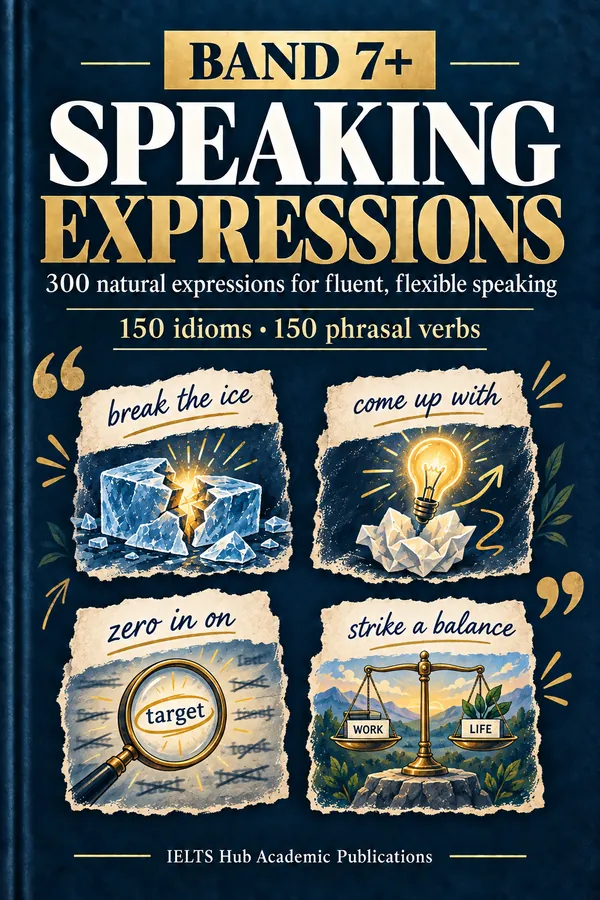
Speaking
Band 7+ Speaking Expressions
300 natural expressions for fluent, flexible speaking
₹199$6.99CAD 8.99AUD 9.99£4.99NZD 10.99€5.99AED 24SGD 8.99
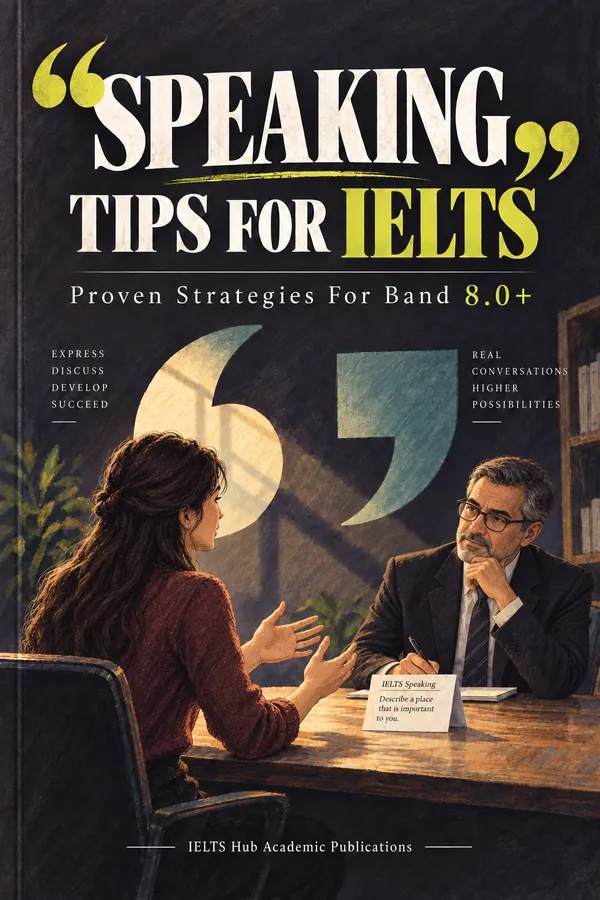
Speaking
Speaking Tips for IELTS
Proven Strategies for Band 8.0+
₹299$9.99CAD 13.99AUD 14.99£7.99NZD 16.99€8.99AED 39SGD 12.99
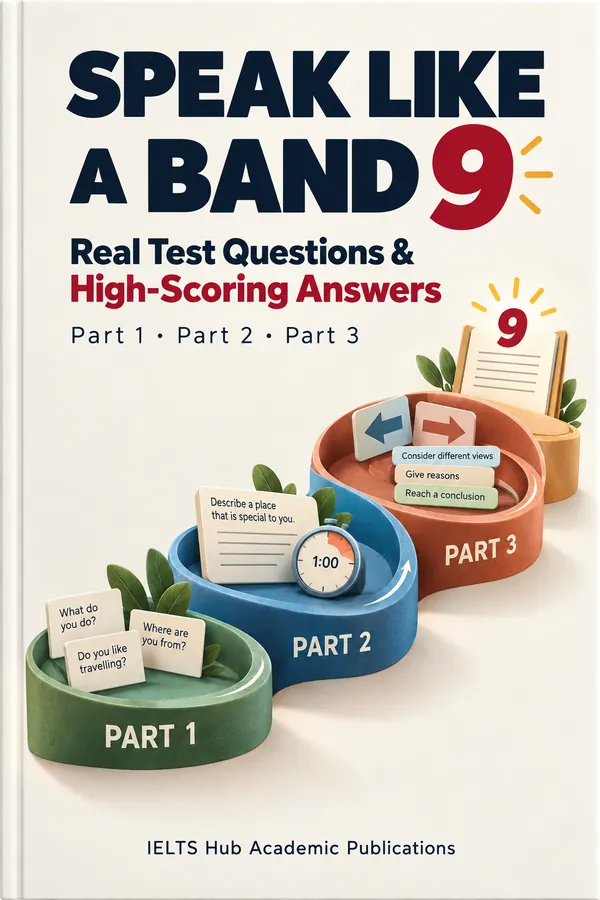
Speaking
Speak Like a Band 9
Real Test Questions & High-Scoring Answers
₹299$9.99CAD 13.99AUD 14.99£7.99NZD 16.99€8.99AED 39SGD 12.99