Speaking test #300
Part 1 · Interview
4 to 5 minutes. The examiner asks about you and familiar topics.
Can you tell me your full name?
Where are you from?
Do you work or are you a student?
When was the last time you were alone?
Oh, let me think... I suppose it was last night when I was winding down before bed. I like to have a little bit of time to myself before I go to sleep so I can relax and unwind.
What do you like to do when you are alone?
When I'm alone, I like to take the opportunity to do things I enjoy without any distractions or obligations. Some activities I like to do include reading, writing, painting, or just relaxing and watching a movie. It's a chance for me to unwind and recharge after a busy day or week.**Do you wish to have more time alone**? It depends on the day. Sometimes I crave solitude and the chance to recharge, but other times I enjoy the company of others. I think it's important to strike a balance between alone time and socializing.
Is it important to have some time alone?
Definitely. It's crucial to have moments of solitude in order to recharge and refocus. It's also a great opportunity to reflect on your thoughts and feelings, and to just be present with yourself. Plus, it's a chance to do things you enjoy without any distractions or obligations.
Where is your favorite place to meet with your friend?
My favorite place to meet with my friend would have to be a cozy coffee shop. I find the atmosphere to be perfect for catching up and having a relaxed conversation.
Do you think there are some places more suitable for meeting with others?
Yes, I definitely think that some places are more suitable for meeting with others. For example, a quiet library would not be an ideal place to meet with a group of friends, while a lively park would be perfect for a picnic or outdoor gathering.
Are there any differences between your favorite meeting places better than others?
Yes, there are definitely differences between my favorite meeting places and others. For example, a coffee shop would be perfect for a one-on-one conversation, but not as suitable for a large group. On the other hand, a park would be ideal for a large group gathering, but not as suitable for a quiet, intimate conversation.
Why are some meeting places better than others?
I think some meeting places are better than others because they cater to the specific needs and preferences of the people who are meeting. For example, a coffee shop would be ideal for someone who wants a quiet, relaxed atmosphere, while a park would be perfect for someone who wants to enjoy nature and the outdoors. Additionally, certain meeting places may also have certain amenities or services that make them more convenient or enjoyable for certain groups of people.
You will have to talk about the topic for one to two minutes. You have one minute to think about what you are going to say. You can make some notes to help you if you wish.
Someone you know who made a wrong decision
You should say:
- Who the person is
- What the wrong decision was
- How it affected the person's life
- Your opinion on the situation
Who the person is
In my family, my cousin Rahul comes to mind when I think about someone who made a wrong decision. Last year, he decided to drop out of college during his final year of engineering studies. This impulsive decision had a significant impact on his life and future prospects. Instead of completing his degree and securing a well-paying job, Rahul chose to pursue his passion for photography, which unfortunately did not yield the desired results.
What the wrong decision was
The decision to drop out of college had a detrimental effect on Rahul's life in multiple ways. Firstly, he missed out on the opportunity to obtain a valuable degree that could have provided him with a stable career and financial security. Additionally, his parents were highly disappointed and concerned about his future. Moreover, Rahul struggled to establish himself as a professional photographer and faced fierce competition in the industry without any formal training or qualifications.
How it affected the person's life
Reflecting on this situation, I believe that while it is important to follow one's passion, it is equally crucial to consider the long-term consequences of major decisions. In Rahul's case, his impulsive choice not only jeopardized his career prospects but also strained his relationships with his family. I think it is essential for individuals to strike a balance between pursuing their dreams and making practical choices that ensure a secure future.
Your opinion on the situation
In conclusion, witnessing Rahul's experience has taught me the significance of making informed decisions, especially when it comes to education and career. While it is admirable to pursue one's passions, it is essential to weigh the risks and benefits before making life-altering choices. I hope that Rahul's story serves as a cautionary tale for others facing similar dilemmas and inspires them to consider their decisions carefully to avoid potential regrets in the future.
- Words
- 293
- Sentences
- 14
- Words per sentence
- 20.9
- Speaking time
- about 2.3 min
Counted at 130 words a minute. The exam gives you one to two minutes.
Part 3 · Discussion
4 to 5 minutes. The examiner asks broader questions linked to the cue card topic.
How could the results of a bad choice be different in personal life compared to work life?
That's a fascinating question! The consequences of a wrong decision can vary significantly depending on whether we're in a personal or a professional context. In personal life, a wrong choice might lead to emotional turmoil or strained relationships, which can be difficult to navigate but often remain on a more intimate level. On the other hand, in a professional setting, the stakes tend to be higher; a poor decision might not only impact one's career but could also have a ripple effect on colleagues and the organization as a whole, potentially leading to financial losses or reputational damage. Ultimately, while both contexts have their challenges, the fallout in a professional environment can often be more widespread and far-reaching.
How much can we say that everyone makes bad choices at some time in their life?
It's quite reasonable to say that everyone, at some point, makes poor choices in their lives. After all, we are all human and navigating through life's complexities can be challenging. Whether it's a career misstep, a relationship blunder, or even something as simple as an unhealthy lifestyle decision, these experiences are part of our growth. In fact, I believe that these mistakes often serve as valuable lessons that shape our character and decision-making skills in the future. So, while it may be disheartening to reflect on those choices, they ultimately contribute to our personal development and resilience.
How do mistakes help us grow and develop as people?
Mistakes are absolutely fundamental to personal development and growth. They serve as powerful learning opportunities, allowing us to reflect on our actions and decisions. When we make mistakes, we often gain valuable insights that can lead to a deeper understanding of ourselves and the world around us. Moreover, overcoming failures can significantly boost our resilience and confidence, as we learn how to navigate challenges more effectively. Embracing mistakes as a natural part of life encourages a mindset of continuous improvement, which is essential for long-term success and fulfillment.
Why do you think people find it hard to make good choices in their lives?
People often struggle to make the right choices in their lives due to a multitude of factors. Firstly, the sheer volume of options available can be overwhelming; when faced with numerous possibilities, individuals may experience what’s known as analysis paralysis, where they find it difficult to make a decision at all. Additionally, there’s the pressure of societal expectations and norms, which can cloud personal judgment and lead to choices that don’t truly resonate with one’s own values and desires. Lastly, fear of failure plays a significant role—many people worry about the potential consequences of their choices, which can result in hesitation or regret. It’s fascinating how these psychological barriers can so profoundly impact our decision-making processes!
How could technology change how we make decisions in the future?
The decision-making process is bound to undergo significant transformations as technology continues to evolve. With the advent of advanced data analytics and artificial intelligence, individuals and organizations will likely make more informed choices based on real-time data and predictive insights. For instance, businesses can leverage big data to identify trends and customer preferences, allowing them to tailor their strategies effectively. Furthermore, the integration of AI in personal decision-making, such as through smart assistants, could streamline choices ranging from daily tasks to major life decisions. Ultimately, while technology offers incredible tools for enhancing our judgment, it's essential that we remain vigilant about maintaining a balance between human intuition and automated recommendations.
What steps can people take to reduce the risk of making bad choices?
To minimize the chances of making poor decisions, individuals can adopt several effective strategies. First and foremost, conducting thorough research before reaching a conclusion is crucial; this allows one to gather a wealth of information and consider different perspectives. Additionally, seeking advice from trusted friends or mentors can provide valuable insights, helping to avoid potential pitfalls. It's also beneficial to take a step back and give oneself some time to reflect on the options at hand, as this can lead to more thoughtful consideration of the consequences. Lastly, maintaining a positive mindset can foster better decision-making, as it encourages individuals to focus on solutions rather than obstacles. Overall, these strategies can significantly enhance one’s ability to make informed and wise choices.
Go further with the books
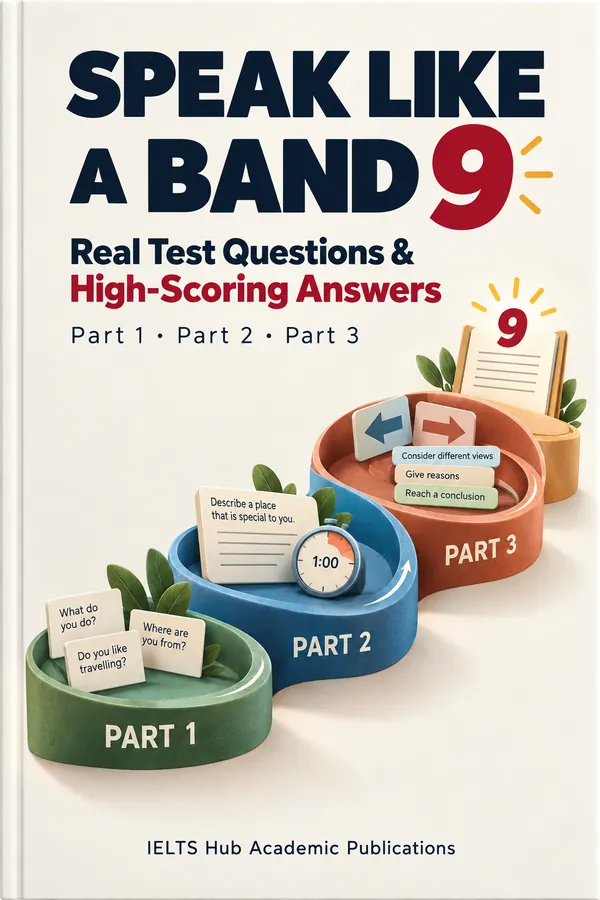
Speaking
Speak Like a Band 9
Real Test Questions & High-Scoring Answers
₹299$9.99CAD 13.99AUD 14.99£7.99NZD 16.99€8.99AED 39SGD 12.99
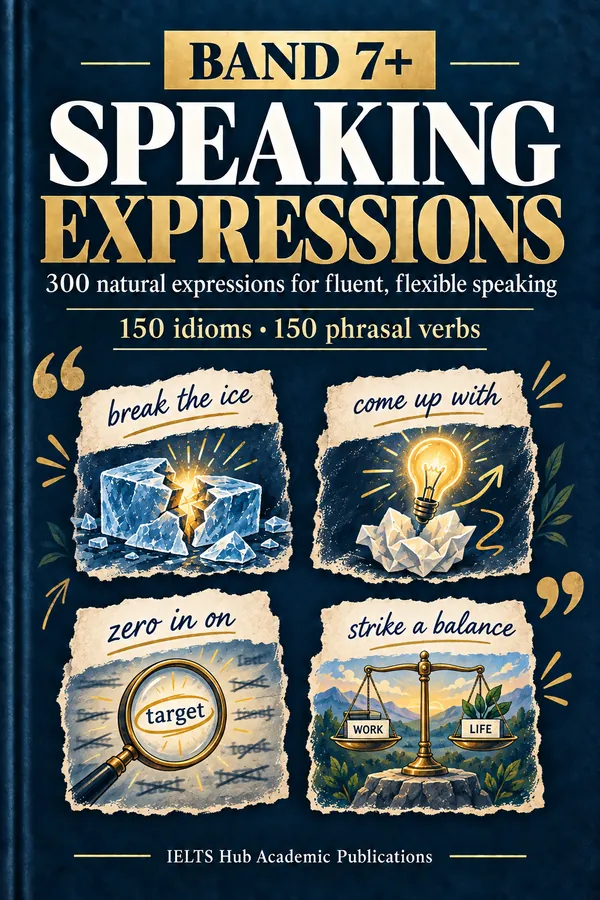
Speaking
Band 7+ Speaking Expressions
300 natural expressions for fluent, flexible speaking
₹199$6.99CAD 8.99AUD 9.99£4.99NZD 10.99€5.99AED 24SGD 8.99
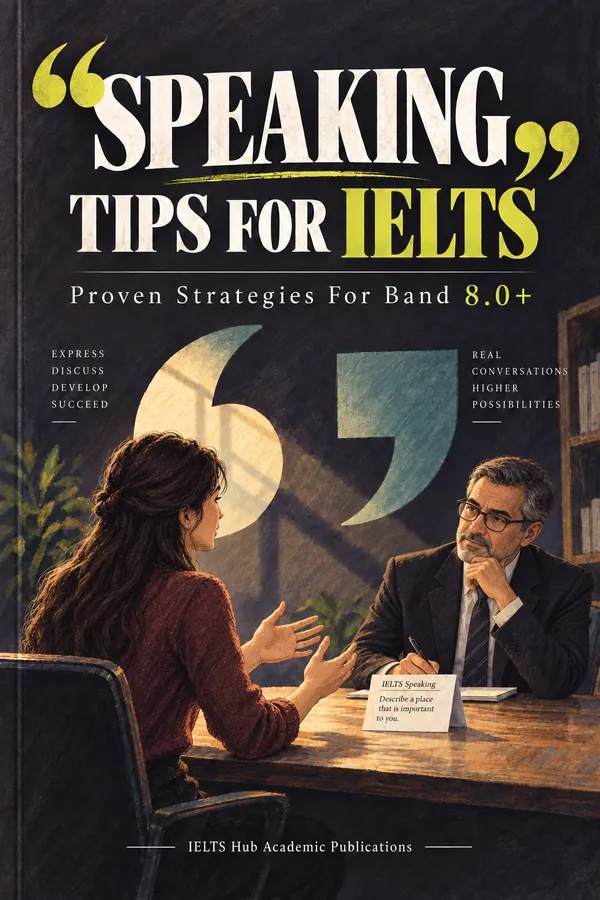
Speaking
Speaking Tips for IELTS
Proven Strategies for Band 8.0+
₹299$9.99CAD 13.99AUD 14.99£7.99NZD 16.99€8.99AED 39SGD 12.99