Speaking test #301
Part 1 · Interview
4 to 5 minutes. The examiner asks about you and familiar topics.
Can you tell me your full name?
Where are you from?
Do you work or are you a student?
Why do some people have good memory while others just don’t?
There are a variety of factors that contribute to why some people have good memories while others don't. Some research suggests that genetics play a role, with certain genes potentially impacting the way our brains process and retain information. Additionally, lifestyle factors such as nutrition, exercise, and sleep can also affect memory. Furthermore, certain activities such as reading, puzzles, and learning new skills can help improve memory.
Why do more people rely on cell phones to memorize things?
I think one reason more people rely on cell phones to memorize things is the convenience and accessibility of having information at our fingertips. With the increasing use of technology, people have become more accustomed to storing and retrieving information digitally. Additionally, many people use their cell phones to set reminders and calendar events, which can help with memory.
Are you good at memorizing things?
I would say that I have a decent memory, but there is always room for improvement. I find that I tend to remember things better when I am actively engaged and interested in the information. Additionally, I try to use mnemonic techniques, such as visualizing or repeating information, to help with retention.
Have you ever forgotten something that was important?
Yes, I have definitely forgotten something important in the past. For example, I once forgot to submit an important assignment for a class, which resulted in a lower grade. In these situations, I try to remind myself to stay organized and make a conscious effort to remember important tasks and deadlines. Additionally, I try to use tools such as reminders or to-do lists to help me stay on track.
Do you like looking at yourself in the mirror? How often?
I absolutely love looking at myself in the mirror. I find it to be a great way to check my appearance and make sure I am looking my best before leaving the house. I typically look in the mirror a few times a day, such as when I wake up in the morning, before I go to bed at night, and occasionally throughout the day when I am getting ready for different events or activities.
Have you ever bought mirrors?
Yes, I have bought mirrors before. I have purchased several mirrors for different rooms in my home, including a large floor mirror for my bedroom and a few smaller mirrors for my bathroom. I also recently purchased a full-length mirror for my entryway, which is great for checking my outfit before heading out the door.
Do you usually take a mirror with you?
No, I do not usually take a mirror with me when I am on the go. I find that most public restrooms and other facilities have mirrors available for use, so I don't typically feel the need to carry one with me. However, if I am going on a trip or will be away from home for an extended period of time, I may bring a small compact mirror with me.
Would you use mirrors to decorate your room?
Yes, I definitely would use mirrors to decorate my room. I think mirrors are a great way to add some visual interest and can also make a room feel larger and more open. I have used mirrors in the past to decorate different rooms in my home, such as hanging a group of small mirrors in my dining room to create a unique wall display. I also love the idea of incorporating a large floor mirror into a room design, as it can make a big impact and can also be functional for getting ready in the morning.
You will have to talk about the topic for one to two minutes. You have one minute to think about what you are going to say. You can make some notes to help you if you wish.
Describe something you have made yourself
You should say:
- What you made
- How you made it
- Why you chose to make it
- What you learned from the experience
What you made
I would like to talk about a traditional Indian dish called "Paneer Tikka" that I made myself recently. Paneer Tikka is a popular vegetarian dish made from paneer (Indian cottage cheese) marinated in a blend of yogurt and spices, then grilled or baked. It is a favorite among many Indians and is often served as an appetizer at gatherings and celebrations.
How you made it
To make Paneer Tikka, I first prepared the marinade by mixing yogurt with various spices such as cumin, coriander, turmeric, and garam masala. I then cut the paneer into cubes and marinated them in the mixture for a few hours to allow the flavors to infuse. After marination, I skewered the paneer cubes along with bell peppers and onions, and grilled them until they were cooked to perfection.
Why you chose to make it
I chose to make Paneer Tikka because I wanted to try my hand at cooking a traditional Indian dish and impress my family with my culinary skills. Cooking has always been a passion of mine, and I enjoy experimenting with new recipes and flavors. Making Paneer Tikka allowed me to showcase my creativity in the kitchen and share a delicious meal with my loved ones.
What you learned from the experience
From the experience of making Paneer Tikka, I learned the importance of patience and attention to detail in cooking. The marination process taught me that allowing ingredients to meld together over time enhances the overall flavor of the dish. I also learned the significance of presentation, as arranging the skewers with colorful vegetables made the dish visually appealing. Overall, making Paneer Tikka was a rewarding experience that not only satisfied my taste buds but also deepened my appreciation for Indian cuisine and culinary arts.
- Words
- 278
- Sentences
- 13
- Words per sentence
- 21.4
- Speaking time
- about 2.1 min
Counted at 130 words a minute. The exam gives you one to two minutes.
Part 3 · Discussion
4 to 5 minutes. The examiner asks broader questions linked to the cue card topic.
How does the joy of making something yourself compare to buying it already made?
The satisfaction that comes from creating something oneself is often immeasurable and deeply personal. When you invest time and effort into a project, there’s a sense of ownership and accomplishment that you simply don’t get from buying something off the shelf. For instance, crafting a piece of art or cooking a meal allows you to express your creativity and individuality, which can be incredibly rewarding. On the other hand, purchasing a ready-made item can offer immediate gratification, but it often lacks that emotional connection that comes from putting your heart into something. Ultimately, while both methods can bring joy, the fulfillment of creation tends to resonate on a much deeper level.
How much more pride do people feel in handmade items than in mass-produced goods?
Absolutely, I think individuals often feel a much greater sense of pride in handmade items compared to mass-produced goods. When someone purchases or creates a handmade item, there's a tangible connection to the craftsmanship and personal touch that is simply absent in mass production. It’s not just about the product itself; it’s about the story behind it and the effort that goes into making it. Moreover, handmade items often carry a sense of uniqueness and authenticity, which can evoke a deeper emotional response. This appreciation for artisanal work often fosters a sense of community and sustainability, making people feel more connected to their purchases.
How important do you think it is to create things by hand in today’s world?
I believe the act of making something with one's own hands is incredibly significant in today's society. In an age dominated by technology and mass production, engaging in handcrafted activities offers a refreshing sense of connection to our creativity and personal skills. It promotes mindfulness, allowing individuals to escape from their fast-paced lives and immerse themselves in the tactile experience of creating. Furthermore, making things by hand can foster a sense of community, as people often share their creations and techniques, strengthening social bonds. Overall, I think it's a wonderful way to encourage self-expression and appreciation for artistry in a world that can sometimes feel impersonal.
Why do you think some people like to make their own things instead of buying them from shops?
I think there are several compelling reasons why some individuals opt to create their own items rather than purchasing them from stores. For one, there's a certain satisfaction that comes from crafting something with your own hands; it can be incredibly fulfilling to see a project through from start to finish. Additionally, many people enjoy the creative expression that DIY projects offer, allowing them to personalize their items in ways that store-bought goods simply can't match. Moreover, creating one's own items can often lead to significant cost savings, especially in cases where materials are readily available. Lastly, for some, this practice becomes a cherished hobby that fosters a sense of community, as they can share their creations and techniques with like-minded enthusiasts. Overall, it's a blend of personal satisfaction, creativity, and financial practicality that draws many towards the DIY approach.
How could DIY projects change in the next few years as technology improves?
The trend of DIY projects is likely to experience a significant transformation as technology continues to advance. With the rise of smart home devices and augmented reality applications, people will have access to more sophisticated tools that can enhance their creativity and efficiency. For instance, imagine using an AR app to visualize how a renovation would look in your space before you even lift a paintbrush; it could revolutionize the way we approach home improvement. Additionally, the availability of online workshops and tutorials is set to expand, making DIY projects accessible to a wider audience. Overall, I believe these advancements will not only empower individuals to tackle more ambitious projects but also foster a greater sense of community among DIY enthusiasts.
What steps can be taken to get more people interested in making and creating their own things?
To encourage more people to engage in crafting and creating their own items, we could start by organizing community workshops that showcase different crafting techniques. These hands-on events can help demystify the process and make it accessible to everyone, regardless of their skill level. Additionally, social media campaigns highlighting the satisfaction and joy that comes from creating something unique can spark interest. Furthermore, providing easy access to materials through local craft supply stores or even community swaps can remove barriers for beginners. Ultimately, fostering a sense of community around crafting can transform it into a popular and cherished pastime.
Go further with the books

Speaking
Speaking Tips for IELTS
Proven Strategies for Band 8.0+
₹299$9.99CAD 13.99AUD 14.99£7.99NZD 16.99€8.99AED 39SGD 12.99
Speaking
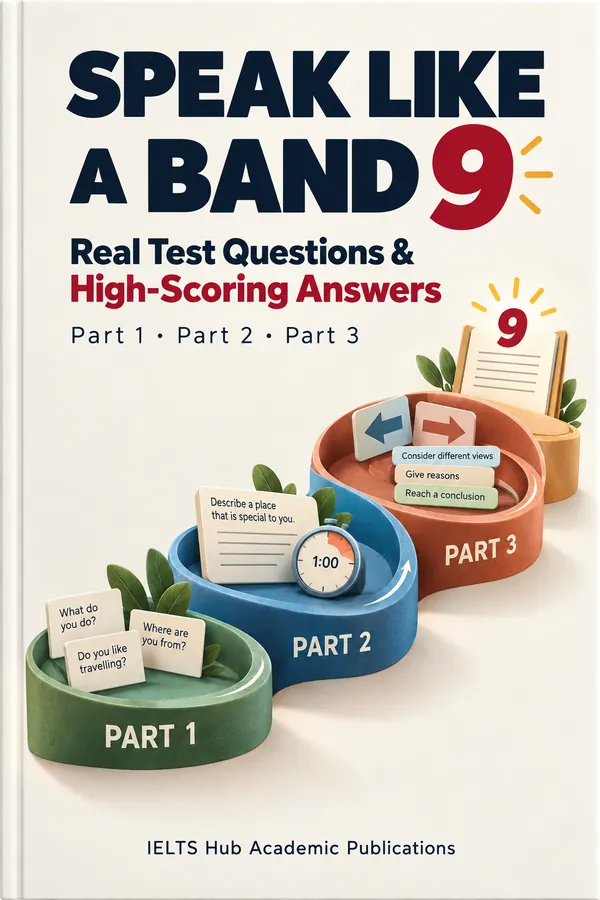
Speak Like a Band 9
Real Test Questions & High-Scoring Answers
₹299$9.99CAD 13.99AUD 14.99£7.99NZD 16.99€8.99AED 39SGD 12.99

Speaking
Band 7+ Speaking Expressions
300 natural expressions for fluent, flexible speaking
₹199$6.99CAD 8.99AUD 9.99£4.99NZD 10.99€5.99AED 24SGD 8.99