Speaking test #303
Part 1 · Interview
4 to 5 minutes. The examiner asks about you and familiar topics.
Can you tell me your full name?
Where are you from?
Do you work or are you a student?
Do you like to get up early in the morning?
I am definitely an early riser. I find that there is something very refreshing and energizing about starting the day before the sun comes up. The quiet of the morning and the sense of accomplishment that comes with getting a head start on the day is something that I find very appealing.
What is your morning routine?
My morning routine starts with me getting up at around 6am. After that, I make myself a cup of coffee and sit down with my journal to do some morning writing. This is a great way for me to clear my head and get my thoughts in order before the day begins. After that, I spend some time stretching and doing yoga to get my body moving and energized. After that, I take a shower and get dressed for the day.
What did you do in the morning when you were little?
When I was little, my mornings were pretty low key. I would usually wake up around 7am and spend some time watching cartoons or playing with my toys. After that, I would have breakfast and then spend some time getting ready for school. I always loved the mornings when I was a kid because it was a time to be carefree and to just enjoy the day ahead.
Is there any difference between what you do in the morning now and what you did in the past?
There is definitely a difference between what I do in the morning now and what I did in the past. As a child, my mornings were all about play and fun. Now, as an adult, my mornings are focused on getting myself prepared for the day ahead. I spend more time on self-care and self-improvement activities like yoga and journaling, and less time on leisure activities. But overall, I still enjoy waking up early and starting my day before the sun comes up.
Do you think museums are important?
Absolutely, I believe that museums are incredibly important. They provide us with an opportunity to learn about different cultures, historical events, and scientific discoveries. They also help to preserve and protect important artifacts, artworks, and documents that would otherwise be lost to time. Without museums, our understanding of the world and our place in it would be greatly diminished.
Are there many museums in your hometown?
There are quite a few museums in my hometown, although the selection is not as extensive as in some larger cities. We have a few historical museums, as well as an art museum and a science museum. However, I would say that we don't have as many as I would like. I think it would be great if we had more museums that focused on different aspects of our local history and culture.
Do you often visit a museum?
I try to visit a museum as often as possible. I find that they are always a great source of inspiration and education. I especially enjoy visiting museums when I travel, as it gives me an opportunity to learn more about the local culture and history. I find that museums are a great way to gain a deeper understanding of the world around me.
When was the last time you visited a museum?
The last time I visited a museum was last month. I went to the local art museum and saw an exhibition of contemporary art from around the world. It was an incredible experience, and I was struck by the diversity and creativity of the artworks on display. I found the exhibition to be both thought-provoking and inspiring, and I would highly recommend it to anyone who is interested in contemporary art.
You will have to talk about the topic for one to two minutes. You have one minute to think about what you are going to say. You can make some notes to help you if you wish.
Describe your dream job when you were young
You should say:
- What was your dream job
- Why did you want that job
- What aspects of the job appealed to you
- How has your perception of your dream job changed over time
What was your dream job
When I was young, my dream job was to become a doctor. The idea of being able to help and heal people fascinated me. I wanted to make a positive impact on others' lives and contribute to the well-being of society. The respect and admiration that doctors received from people around me also influenced my desire to pursue this profession.
Why did you want that job
The aspects of the job that appealed to me the most were the opportunities to save lives, the intellectual challenge of diagnosing illnesses, and the continuous learning involved in the medical field. I was drawn to the idea of being in a position where my knowledge and skills could directly make a difference in the lives of others. The idea of being a part of a noble profession that prioritizes service to humanity resonated deeply with me.
What aspects of the job appealed to you
Over time, my perception of my dream job has evolved. As I grew older and gained more exposure to different career paths, I realized that my interests and strengths lay in a different direction. While I still hold immense respect for the medical profession and the incredible work that doctors do, I discovered my passion for a different field that aligns more closely with my skills and aspirations.
How has your perception of your dream job changed over time
In conclusion, though my childhood dream job of becoming a doctor was rooted in a desire to help others and make a positive impact, my perception has shifted as I have explored various career options. While the essence of wanting to contribute to society remains, I have come to understand that my true calling lies in a different profession that allows me to fulfill my potential and passion to the fullest.
- Words
- 276
- Sentences
- 12
- Words per sentence
- 23.0
- Speaking time
- about 2.1 min
Counted at 130 words a minute. The exam gives you one to two minutes.
Part 3 · Discussion
4 to 5 minutes. The examiner asks broader questions linked to the cue card topic.
How do you think dream jobs for young people have changed over time?
Some people think that chasing a dream job is important for being happy. What do you think about this?
I absolutely agree that pursuing a dream job is crucial for personal fulfillment. When people engage in work that resonates with their passions and aspirations, it often translates to a heightened sense of purpose and joy in their daily lives. Moreover, a dream job can significantly enhance one's overall well-being, as it allows individuals to tap into their creativity and utilize their unique skills. However, it’s important to recognize that not everyone has the opportunity to chase their dream job, often due to financial constraints or other responsibilities. Still, finding a way to align one's career with personal interests, even in small ways, can lead to a more satisfying and rewarding life experience.
How important do you think it is for kids to have goals for their future jobs?
I believe it’s incredibly significant for children to have aspirations for their future careers. When kids set goals for themselves, it gives them a sense of direction and purpose, which can be incredibly motivating. Having these dreams encourages them to develop essential skills and knowledge, fostering a sense of resilience and determination. Moreover, it can help them identify their passions early on, allowing them to pursue opportunities that align with their interests. Ultimately, nurturing these aspirations can lead to a more fulfilling and successful adult life, as they are more likely to chase after what they truly want.
Why do you think a lot of kids have unrealistic ideas about their dream jobs?
I believe a significant factor contributing to children having unrealistic expectations about their dream jobs is the influence of media portrayals and societal narratives. From a young age, children are bombarded with images and stories that glamorize careers like being a rock star or an astronaut, often glossing over the hard work and challenges involved. Additionally, many children lack a comprehensive understanding of the professional world, which can lead to a disconnect between their aspirations and the realities of various careers. Moreover, the pressure from parents and peers can sometimes exacerbate these unrealistic expectations, as children feel compelled to pursue what seems exciting rather than what aligns with their skills and interests. Ultimately, fostering a more grounded perspective on career choices is essential for helping children develop realistic aspirations.
What will the job market be like for future generations based on today's technology and job trends?
The job market for future generations is likely to undergo a dramatic transformation due to rapid advancements in technology. With the rise of automation and artificial intelligence, we may see a significant shift in the types of jobs available. While some traditional roles might become obsolete, new opportunities will likely arise in sectors that we can barely imagine today. For instance, jobs in data analysis, cybersecurity, and green technology may flourish, as society increasingly prioritizes sustainability and digital security. Overall, I believe that adaptability will be key, as future workers will need to continuously update their skills to stay relevant in an ever-changing landscape.
"What actions can schools take to help students get ready for the jobs they want?"?
Educational institutions can take several impactful steps to better prepare students for their desired careers. Firstly, they should foster strong partnerships with industries, allowing students to engage in real-world experiences through internships and co-op programs. This hands-on experience is invaluable, as it not only enhances their skills but also provides a glimpse into the workplace culture. Additionally, incorporating career-oriented curriculums that align with current job market trends can ensure students are equipped with relevant knowledge and competencies. Lastly, offering mentorship programs where students can connect with professionals in their fields can significantly boost their confidence and networking capabilities. All these initiatives could create a more seamless transition from education to employment.
Go further with the books
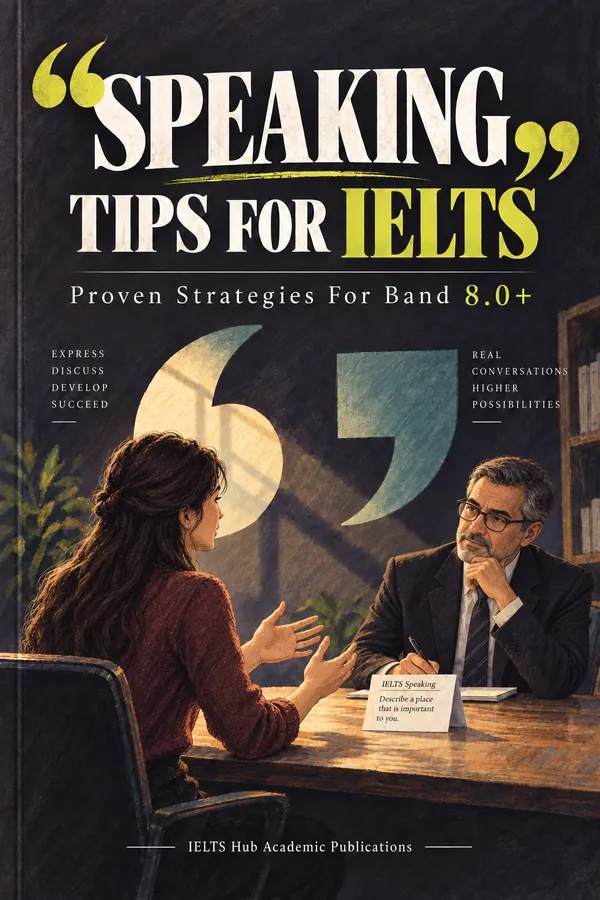
Speaking
Speaking Tips for IELTS
Proven Strategies for Band 8.0+
₹299$9.99CAD 13.99AUD 14.99£7.99NZD 16.99€8.99AED 39SGD 12.99
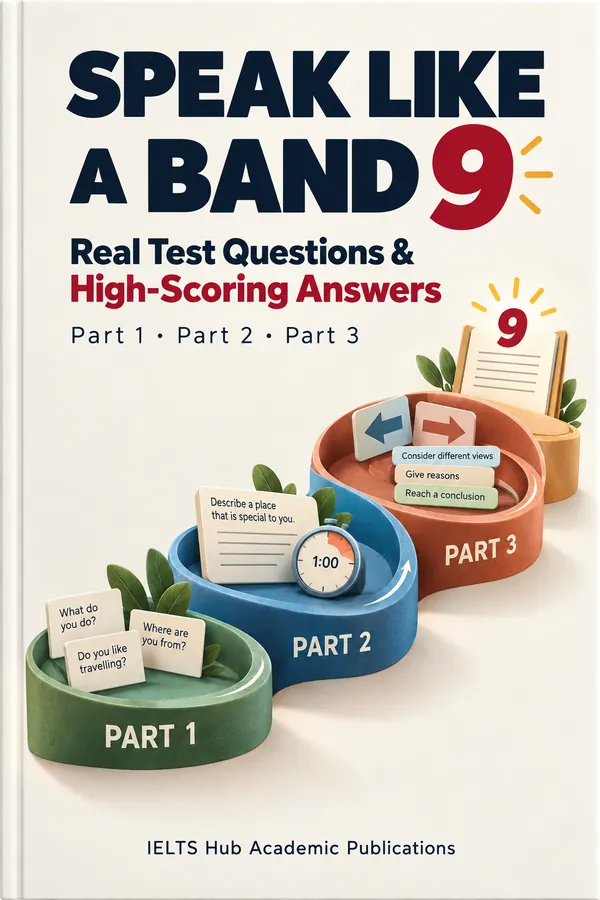
Speaking
Speak Like a Band 9
Real Test Questions & High-Scoring Answers
₹299$9.99CAD 13.99AUD 14.99£7.99NZD 16.99€8.99AED 39SGD 12.99

Speaking
Band 7+ Speaking Expressions
300 natural expressions for fluent, flexible speaking
₹199$6.99CAD 8.99AUD 9.99£4.99NZD 10.99€5.99AED 24SGD 8.99