Speaking test #308
Part 1 · Interview
4 to 5 minutes. The examiner asks about you and familiar topics.
Can you tell me your full name?
Where are you from?
Do you work or are you a student?
How do you usually get your news?
I usually get my news through a combination of sources such as online news websites, television news programs, and social media. I find that by using a variety of sources, I can get a well-rounded understanding of current events.
What type of news do you prefer to read?
I prefer to read news that is related to international politics and current affairs. I find it interesting to learn about what is happening in different countries and how it may impact the world as a whole. Additionally, I also enjoy reading about advancements in science and technology as it helps me stay informed about the latest developments in these fields.
Do most people in your country follow the news?
I believe that most people in my country do follow the news to some extent. Whether it's through reading the newspaper, watching the evening news, or scrolling through social media, people are generally aware of the major events happening around the world.
Do you pay much attention to headlines?
I do pay a lot of attention to headlines as they give me a quick overview of the main story and help me decide which news articles to read. I find that headlines often give me a good sense of the tone and angle of the story, which helps me understand the context of the news.
Are you good at remembering numbers?
Yes, I consider myself to be quite good at remembering numbers. I have always had a knack for numbers and have always enjoyed working with them. I find that numbers are a great way to organize and make sense of information, and I am naturally drawn to them.
Are numbers used in your work or studies?
Yes, numbers are heavily used in my work and studies. I am currently studying finance, and numbers are essential in understanding financial concepts and making decisions. In my work as a financial analyst, numbers are also central to my role, as I am constantly analyzing data and making projections.
Are there any numbers that have special meaning in your country?
In my country, the number 7 is considered to be lucky. It is often associated with good fortune and is believed to bring good luck. Additionally, the number 8 is also considered to be lucky as it sounds similar to the word for prosperity in our language.
Did you like math when you were younger?
Yes, I have always loved math. I have always found math to be a fascinating subject, and I have always enjoyed solving problems and working with numbers. I was always very good at math in school, and I am now pursuing a career in finance, which is heavily dependent on math. I still find math to be incredibly exciting and enjoyable.
You will have to talk about the topic for one to two minutes. You have one minute to think about what you are going to say. You can make some notes to help you if you wish.
Describe a job that you would like to do in the future
You should say:
- What job it is
- Why you are interested in this job
- What skills are required for this job
- How you plan to pursue this career
What job it is
In the future, I aspire to become a social entrepreneur, working towards creating positive change in society. This job involves initiating and managing projects that address social issues and improve the well-being of communities. I am drawn to this profession because of my passion for making a tangible difference in people's lives and contributing to the betterment of society.
Why you are interested in this job
To excel in the field of social entrepreneurship, a diverse set of skills is required. First and foremost, strong leadership and communication skills are essential to effectively engage with stakeholders, mobilize resources, and drive projects forward. Additionally, critical thinking and problem-solving skills are crucial for identifying innovative solutions to complex social challenges. Being empathetic and culturally sensitive is also important to build trust and relationships within communities.
What skills are required for this job
To pursue a career in social entrepreneurship, I plan to acquire a relevant academic background by pursuing a degree in social work or business with a focus on social innovation. I also aim to gain practical experience through internships or volunteering with organizations that are making a positive impact in the community. Networking with professionals in the field and continuously learning about current social issues and trends will further enhance my knowledge and skills.
How you plan to pursue this career
Ultimately, my goal is to establish my own social enterprise that addresses a pressing social issue, such as education inequality or environmental sustainability. By combining my passion for social change with the necessary skills and knowledge, I am confident that I can make a meaningful difference and contribute towards creating a more equitable and sustainable world.
- Words
- 256
- Sentences
- 12
- Words per sentence
- 21.3
- Speaking time
- about 2.0 min
Counted at 130 words a minute. The exam gives you one to two minutes.
Part 3 · Discussion
4 to 5 minutes. The examiner asks broader questions linked to the cue card topic.
How could the duties of your perfect job be different from those in related fields?
In my ideal job, I envision a role that emphasizes collaborative problem-solving rather than just individual tasks. For instance, while many similar professions might focus on routine responsibilities, I would love to be in a position that allows me to work closely with a diverse team to tackle complex challenges. Additionally, I would prioritize innovation and creative thinking, which can sometimes be sidelined in more traditional roles. This approach not only keeps the work exciting but also encourages a culture of continuous improvement. Ultimately, I believe that having a strong sense of purpose and the opportunity to make a meaningful impact would set my ideal job apart from others in the field.
How do people view the importance of jobs in creative areas versus those in regular industries?
People often have a nuanced perception of the value of jobs in creative fields compared to traditional industries. On one hand, creative careers, like those in the arts or digital media, are frequently viewed as innovative and dynamic, attracting individuals who seek to express their imagination and push boundaries. On the other hand, traditional industries, such as manufacturing or finance, are seen as more stable and reliable, providing a sense of security that many find appealing. Interestingly, the rise of technology has blurred these lines, as even traditional roles are increasingly demanding a level of creativity and adaptability. In essence, while creative jobs may be perceived as less conventional, they offer unique advantages that are increasingly recognized in today’s fast-paced world. Ultimately, it’s about finding a balance between passion and practicality, and both paths hold significant value in their own right.
How important do you think job satisfaction is for success in a career?
Job satisfaction plays a pivotal role in achieving overall career success. When individuals are genuinely satisfied with their jobs, they tend to be more motivated and engaged, which can lead to higher productivity levels. This positive attitude often translates into better performance, opening up more opportunities for career advancement. Additionally, job satisfaction contributes to a person's mental well-being, reducing stress and burnout, which can ultimately impact their long-term career trajectory. So, in essence, when people find joy in what they do, it not only enhances their personal happiness but also propels their professional growth.
Why do you think people pick some jobs instead of others, even if those jobs don’t pay the most?
People often choose careers based on a variety of factors beyond just monetary gain. For many, personal fulfillment plays a crucial role; they might pursue a career that aligns with their passions or values. For instance, someone might choose to work in education or healthcare because they find immense satisfaction in helping others, even if those fields don’t offer the highest salaries. Additionally, factors like work-life balance, job security, and the opportunity for advancement can significantly influence their decisions. Ultimately, individuals seek a sense of purpose and happiness in their work, which can sometimes outweigh the allure of a lucrative paycheck.
How do you see the job market changing in the next ten years, especially for the career you want?
I truly believe that the job market will undergo significant transformation in the next decade, especially in fields like technology and digital marketing, which I aspire to enter. With the rapid advancement of artificial intelligence and automation, I anticipate that many traditional roles will evolve, leading to a demand for professionals who can innovate and adapt. Moreover, I foresee a growing emphasis on remote work, which will not only broaden the talent pool but also allow for more diverse collaboration across borders. As companies seek to harness data-driven insights, skills in data analysis and digital literacy will become essential, creating exciting opportunities for those willing to learn and grow. Overall, I’m optimistic that these changes will lead to a more dynamic and fulfilling job market for future generations.
What steps can be taken to make jobs that aren't getting enough interest more attractive?
To enhance the appeal of careers that are currently struggling to attract talent, one effective measure would be to improve working conditions. This could involve offering more flexible hours or the option for remote work, which many employees appreciate. Additionally, raising awareness about the career prospects and growth opportunities in these fields can help shift perceptions. For instance, showcasing success stories through engaging marketing campaigns could inspire potential candidates to consider these roles. Finally, providing incentives, such as competitive salaries or educational benefits, would undoubtedly make these careers more enticing to a wider audience.
Go further with the books
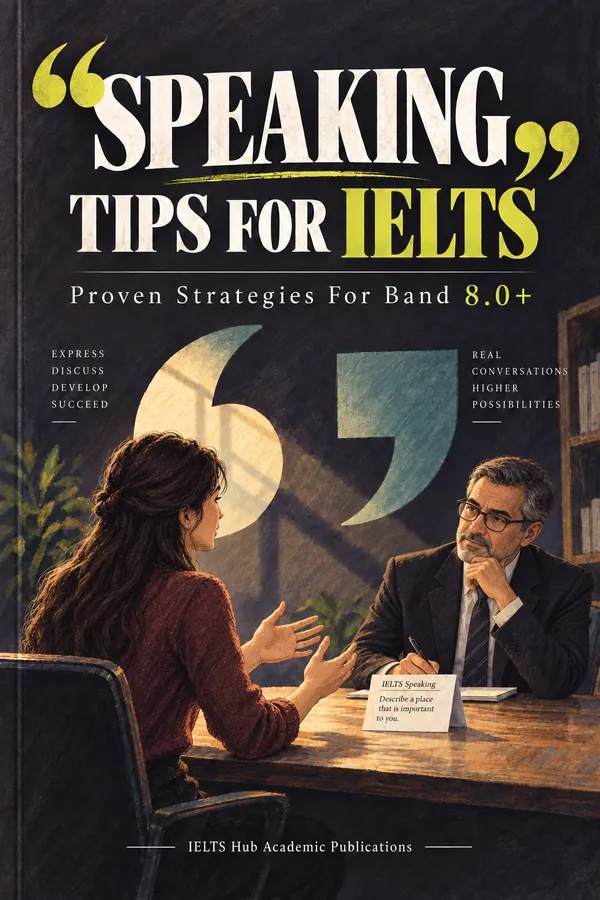
Speaking
Speaking Tips for IELTS
Proven Strategies for Band 8.0+
₹299$9.99CAD 13.99AUD 14.99£7.99NZD 16.99€8.99AED 39SGD 12.99
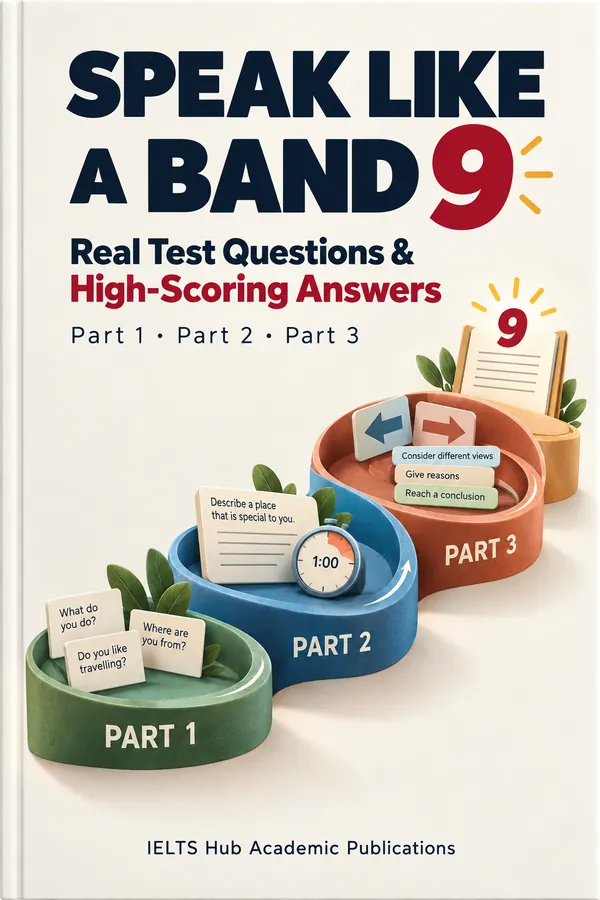
Speaking
Speak Like a Band 9
Real Test Questions & High-Scoring Answers
₹299$9.99CAD 13.99AUD 14.99£7.99NZD 16.99€8.99AED 39SGD 12.99
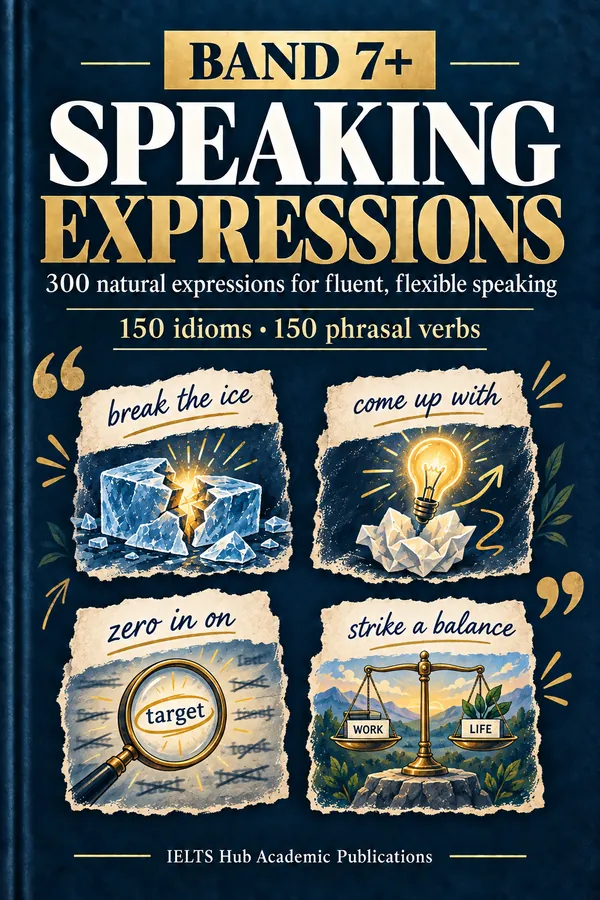
Speaking
Band 7+ Speaking Expressions
300 natural expressions for fluent, flexible speaking
₹199$6.99CAD 8.99AUD 9.99£4.99NZD 10.99€5.99AED 24SGD 8.99