Speaking test #310
Part 1 · Interview
4 to 5 minutes. The examiner asks about you and familiar topics.
Can you tell me your full name?
Where are you from?
Do you work or are you a student?
Do you like painting?
Oh, absolutely! I find painting to be such a therapeutic and creative outlet. It's a great way to express myself and to explore different colors and textures.
Do you like to watch a person painting?
Definitely! Watching someone paint is like watching a master at work. It's fascinating to see how they use their brushstrokes and how they build up their layers of paint. It's also inspiring to see the finished product and to see how they've transformed a blank canvas into a work of art.
Is it easy to learn how to paint?
I think it depends on the individual. For some, it may come naturally and they may pick it up quickly. For others, it may take more time and practice to develop the skills. But I do believe that with the right mindset and approach, anyone can learn to paint.
Would you like to learn/improve painting in the future?
Definitely! I've always been interested in painting, but I've never had the opportunity to really delve into it. I would love to take a class or workshop and learn more about different techniques and styles. I think it would be an incredibly rewarding and fulfilling experience.
Are there any parks or gardens near where you live?
Yes, there are several parks and gardens located near my residence. One of the most popular ones is the local botanical garden which boasts a wide variety of flora and fauna and is a great place for nature lovers to explore.
How often do you go to a park or garden?
I try to visit a park or garden at least once a week, as it allows me to unwind and connect with nature. I find it to be a great way to escape the hustle and bustle of daily life and take a break from my routine.
What do you do when you are at a park or garden?
When I am at a park or garden, I like to take a leisurely stroll and explore the different paths and trails. I also enjoy observing the different types of birds and wildlife that can be found there. Sometimes, I also bring a book or magazine to read while enjoying the fresh air and greenery.
Do people of your country (India) enjoy going to that park/garden?
Yes, people in India generally enjoy going to parks and gardens. It is a popular leisure activity for both families and individuals, as it provides a space to relax, exercise, and connect with nature. Many people also enjoy going to parks and gardens to spend time with friends and family or to have picnics.
You will have to talk about the topic for one to two minutes. You have one minute to think about what you are going to say. You can make some notes to help you if you wish.
A book based on which a film has been made
You should say:
- The title of the book and the film
- The main plot of the book and the film
- Your opinion on which version you preferred and why
- How the film adaptation compared to the book
The title of the book and the film
The book and film adaptation I would like to talk about is "The Namesake" by Jhumpa Lahiri. The acclaimed novel was later adapted into a film of the same name directed by Mira Nair. The story revolves around Gogol Ganguli, a second-generation Indian-American, navigating his dual identity and struggling to find a sense of belonging in both his American surroundings and his traditional Indian heritage.
The main plot of the book and the film
The book delves deep into the complexities of immigrant life, family dynamics, and the search for identity. Jhumpa Lahiri's vivid descriptions and introspective narrative style paint a rich tapestry of emotions and cultural nuances. On the other hand, the film beautifully captures the essence of the book, bringing to life the characters and their struggles on the screen.
Your opinion on which version you preferred and why
Personally, I preferred the book version of "The Namesake" over the film adaptation. The book allows for a more intimate exploration of the characters' thoughts and emotions, providing a deeper insight into their inner conflicts and personal growth. Reading the book felt like immersing myself in the characters' minds, whereas the film, though visually engaging, seemed to skim over some of the nuances present in the book.
How the film adaptation compared to the book
While the film adaptation of "The Namesake" stayed true to the core storyline and themes of the book, some details and character developments had to be condensed or omitted to fit the constraints of a feature-length film. Despite this, Mira Nair's direction skillfully captured the essence of the novel, making the film a poignant and visually striking portrayal of Lahiri's original work.
- Words
- 252
- Sentences
- 11
- Words per sentence
- 22.9
- Speaking time
- about 1.9 min
Counted at 130 words a minute. The exam gives you one to two minutes.
Part 3 · Discussion
4 to 5 minutes. The examiner asks broader questions linked to the cue card topic.
How can reading a book feel different from watching its movie version?
The experience of reading a book and watching its film adaptation can differ significantly in several ways. Firstly, when you read a book, you have the opportunity to immerse yourself in the author's vivid descriptions and delve into the characters' thoughts and emotions in a way that a film might not fully capture. This allows readers to develop a personal connection to the story, engaging their imagination to fill in the gaps. In contrast, films often rely on visual storytelling, which can lead to a more immediate and visceral experience, but might sacrifice some of the intricate details and subtleties present in the text. Additionally, the pacing of a book allows for a deeper exploration of themes and character development. Readers can linger over passages that resonate with them, whereas films have a limited runtime that necessitates more concise storytelling. Ultimately, while both mediums offer unique advantages, the depth and personal engagement found in reading a book often provide an enriching experience that a film adaptation may not fully replicate.
Some people think adaptations can help us understand a story better, while others feel they take away from the original. What do you think about this?
How important is literature in creating cultural stories, especially when it becomes films?
Literature plays a profoundly significant role in shaping cultural narratives, particularly when its stories are adapted into films. It serves as a rich source of cultural heritage and provides insights into the values, beliefs, and struggles of different societies. When a novel is transformed into a film, it not only brings the story to a wider audience but also offers a visual representation that can enhance understanding and emotional connection. This process often highlights the nuances of human experience, making themes more relatable and accessible. Ultimately, the fusion of literature and film can create a powerful dialogue between the past and present, allowing us to reflect on our identities and shared histories.
Why do you think some stories fit better for being turned into movies than others?
That's a fantastic question! I think the suitability of a story for adaptation into films often hinges on its narrative depth and visual appeal. For instance, stories with rich imagery and compelling characters can translate beautifully to the screen, allowing filmmakers to create stunning visuals that capture the audience's imagination. On the other hand, some tales, especially those that are heavily reliant on internal monologues or complex themes, may struggle to maintain their essence when adapted. Ultimately, it's about finding that perfect balance between a gripping storyline and the ability to convey it visually, which is why some stories truly shine in cinematic form!
How could the trend of turning books into movies change in the next few years?
The trend of adapting books into films is likely to become even more prevalent in the coming years, especially with the rise of streaming platforms. As these services continue to compete for viewers, they’ll undoubtedly seek out rich narratives from literature that can be transformed into visually stunning stories. Additionally, I think we’ll see a shift towards diverse adaptations, showcasing voices and cultures that have been underrepresented in mainstream media. This could not only breathe new life into classic tales but also introduce audiences to a wealth of unique perspectives. Overall, the synergy between literature and film is bound to deepen, creating a vibrant landscape for storytelling that resonates with a global audience.
What steps can filmmakers follow to make sure a movie stays true to the spirit of the original book?
Filmmakers can adopt several effective measures to ensure that a film adaptation remains true to the essence of the original book. Firstly, involving the original author, if possible, can be invaluable, as their insights and intentions can help maintain the core themes and character development. Additionally, a thorough script analysis can be conducted to pinpoint the key elements of the story that resonate with readers, allowing filmmakers to preserve those vital aspects in the screenplay. Moreover, casting actors who truly embody the spirit of the characters can significantly enhance the authenticity of the adaptation. Finally, filmmakers should prioritize cinematic storytelling techniques that reflect the tone and atmosphere of the book, ensuring that the film captures the audience’s imagination in a way that mirrors the reading experience. By taking these measures, filmmakers can create adaptations that not only pay homage to the original work but also resonate deeply with both fans of the book and new audiences alike.
Go further with the books
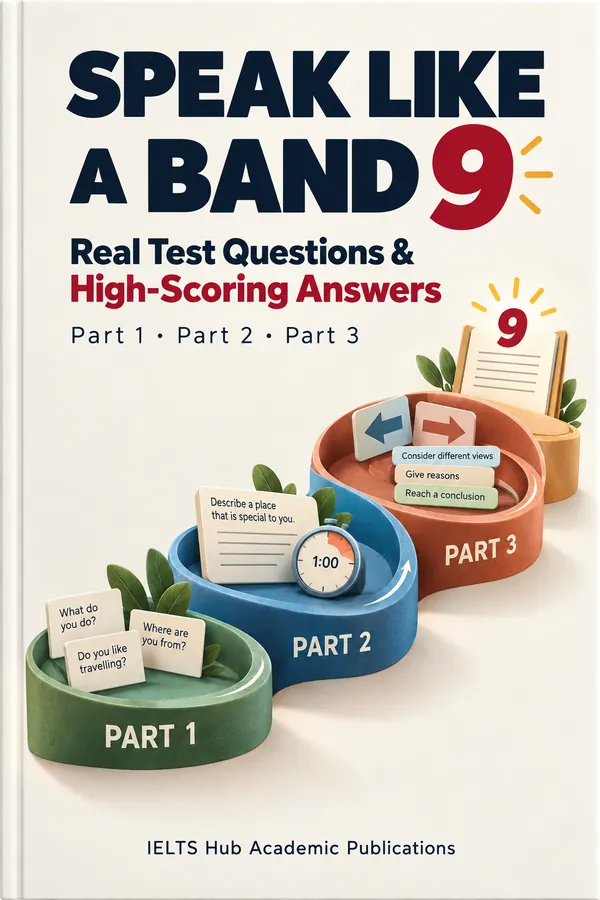
Speaking
Speak Like a Band 9
Real Test Questions & High-Scoring Answers
₹299$9.99CAD 13.99AUD 14.99£7.99NZD 16.99€8.99AED 39SGD 12.99
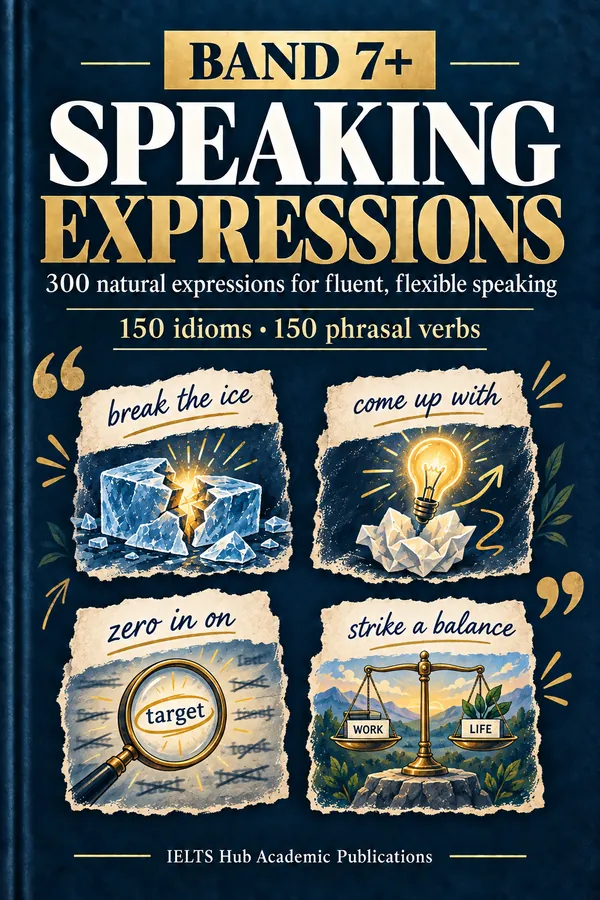
Speaking
Band 7+ Speaking Expressions
300 natural expressions for fluent, flexible speaking
₹199$6.99CAD 8.99AUD 9.99£4.99NZD 10.99€5.99AED 24SGD 8.99
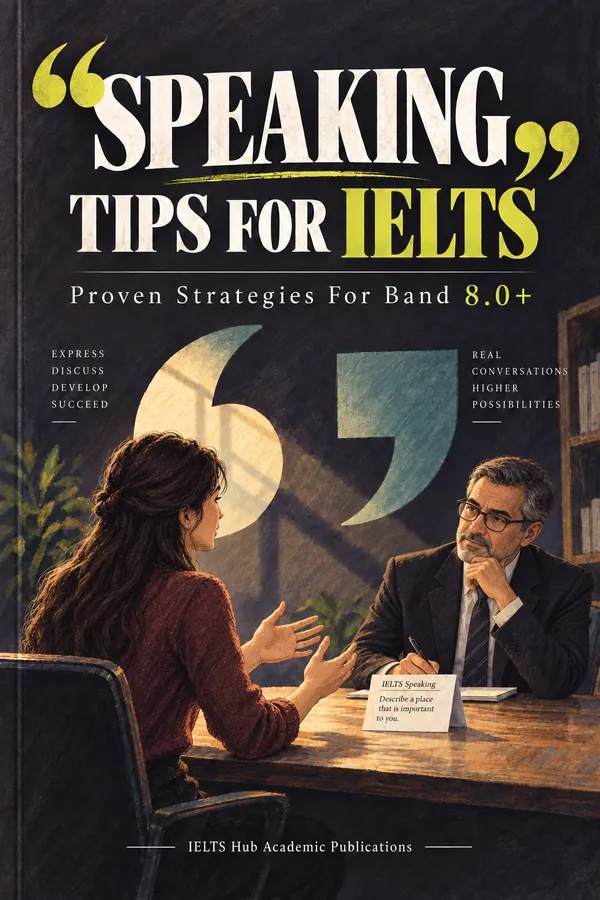
Speaking
Speaking Tips for IELTS
Proven Strategies for Band 8.0+
₹299$9.99CAD 13.99AUD 14.99£7.99NZD 16.99€8.99AED 39SGD 12.99