Speaking test #312
Part 1 · Interview
4 to 5 minutes. The examiner asks about you and familiar topics.
Can you tell me your full name?
Where are you from?
Do you work or are you a student?
Do you usually use a pen or a pencil?
I usually use a pen, as I find it to be a more efficient and reliable writing instrument. The ink flows smoothly and the lines are consistent, which helps me to take clear and legible notes.
When was the last time you bought a pen or pencil?
The last time I bought a pen was about a week ago. I needed a new one for a meeting and decided to purchase a sleek, black ballpoint pen that I thought would make a good impression.
How would you feel if someone give you pen or pencil as a gift?
I would feel quite touched if someone gave me a pen or pencil as a gift. It might seem like a small and insignificant thing, but it would show that the person put thought and effort into choosing something that they knew I would appreciate.
Why do you think most teachers would teach the students to learn to write in pen?
I believe that most teachers would teach students to write in pen because it is a more permanent and professional way of writing. Pen writing is considered more formal and has more authority than pencil writing. Additionally, it is important for students to learn how to write in pen, as it will prepare them for real-world situations where writing in pen is expected, such as in job interviews or formal documents.
Do you like perfumes?
Oh, I absolutely adore perfumes. I find them to be such a luxurious and indulgent way to enhance one's personal style and make a lasting impression. The art of perfumery is truly captivating, and I love discovering new scents and experimenting with different fragrances.
Do you usually wear perfume?
Yes, I do. I'm quite particular about the perfumes I wear and tend to stick to a few signature scents that I know suit me well. I usually wear perfume on special occasions and when I know I'll be meeting new people, as I believe it can be a powerful tool for making a positive first impression.
Would you ever buy an expensive bottle of perfume?
Definitely. For me, the price of a perfume is not as important as the quality and uniqueness of the scent. I would be willing to invest in an expensive bottle of perfume if it was something truly special and exclusive, and if it was something I knew I would wear often and for a long time.
Have you ever given someone’s perfume as a present?
Yes, I have. I think perfume can be a really thoughtful and personal gift, and I've given it as a present to both friends and family. I always try to put a lot of thought and consideration into the scent I choose, as I want it to be something that the person will truly enjoy and appreciate.
You will have to talk about the topic for one to two minutes. You have one minute to think about what you are going to say. You can make some notes to help you if you wish.
A place of natural beauty you would like to visit
You should say:
- Where is this place located?
- What makes it a place of natural beauty?
- What activities you would like to do there?
- Why do you want to visit this place?
Where is this place located?
I would love to visit the picturesque region of Kashmir in Northern India, which is often referred to as "Paradise on Earth." Nestled in the Himalayan mountains, Kashmir is renowned for its breathtaking landscapes, including snow-capped peaks, lush green valleys, and serene lakes.
What makes it a place of natural beauty?
The natural beauty of Kashmir lies in its pristine surroundings, with meadows carpeted in colorful flowers, dense forests teeming with wildlife, and the glistening waters of Dal Lake reflecting the majestic mountains. The region's diverse flora and fauna add to its charm, making it a haven for nature lovers and photographers.
What activities you would like to do there?
While in Kashmir, I would relish the opportunity to explore the Dal Lake on a shikara boat ride, immersing myself in the tranquility of the surroundings. I would also love to trek through the verdant meadows of Gulmarg and Pahalgam, experiencing the stunning vistas and fresh mountain air.
Why do you want to visit this place?
I am drawn to Kashmir not only for its natural beauty but also for the chance to experience its rich culture and hospitality. The warm smiles of the locals, the aromatic flavors of Kashmiri cuisine, and the opportunity to stay in a traditional houseboat on Dal Lake are experiences that I eagerly anticipate. Overall, visiting Kashmir would be a dream come true, allowing me to immerse myself in nature's splendor and create lasting memories of this enchanting destination.
- Words
- 220
- Sentences
- 8
- Words per sentence
- 27.5
- Speaking time
- about 1.7 min
Counted at 130 words a minute. The exam gives you one to two minutes.
Part 3 · Discussion
4 to 5 minutes. The examiner asks broader questions linked to the cue card topic.
How do beautiful places attract visitors in different ways?
The appeal of natural beauty can vary significantly depending on the location and the experiences it offers. For instance, a serene beach may attract those seeking relaxation and a chance to unwind, while a majestic mountain range might allure adventure seekers looking to hike or ski. Additionally, cultural significance can enhance a location's appeal; a place like the Grand Canyon not only showcases breathtaking vistas but also carries historical and geological importance that draws in a diverse crowd. Ultimately, it’s the combination of stunning landscapes, recreational opportunities, and cultural narratives that makes each natural location uniquely captivating to different visitors.
What are some reasons people may see natural beauty differently?
People often have varying perspectives on the significance of natural beauty due to a multitude of factors. For instance, cultural background plays a crucial role; individuals from urban environments may find nature less appealing compared to those who grew up in rural settings, where the great outdoors is an integral part of life. Additionally, personal experiences can shape one’s appreciation for nature; someone who has spent a memorable vacation hiking in the mountains may attach greater value to natural landscapes than someone who has never had such experiences. Lastly, the influence of social media cannot be ignored, as it often presents an idealized version of nature, leading some to view it as a mere backdrop for lifestyle content rather than a source of intrinsic value and inspiration.
How do beautiful natural places help people and communities feel better?
Places of natural beauty play a profound role in enhancing the well-being of both individuals and communities. For starters, they provide a serene escape from the hustle and bustle of daily life, allowing people to unwind and rejuvenate their minds. Being surrounded by nature can significantly reduce stress levels, boost mood, and even improve mental health, as studies have shown that spending time outdoors fosters a sense of contentment and tranquility. Moreover, these beautiful landscapes often serve as communal spaces where people gather, fostering social connections and a sense of belonging. Activities like hiking, picnicking, or simply enjoying a scenic view can strengthen relationships among community members, promoting a sense of togetherness. Ultimately, when we cherish and protect our natural environments, we not only enhance our personal well-being but also cultivate a more harmonious and united community.
Why do you think people prefer natural scenery instead of city areas?
I believe people are inherently drawn to natural landscapes because they offer a sense of tranquility and peace that urban environments often lack. In nature, there's this palpable sense of serenity that allows individuals to escape the hustle and bustle of daily life. Furthermore, being surrounded by greenery and fresh air can significantly boost one’s mood and overall well-being. Urban environments, while vibrant and full of energy, can sometimes feel overwhelming and chaotic. Ultimately, people seek out nature as a way to reconnect with themselves and recharge, which is something that a bustling cityscape might not provide.
How could the desire to visit beautiful natural places change in the future?
I think the interest in visiting places of natural beauty will only continue to grow as more people become aware of the importance of preserving our planet. With the rise of eco-tourism, travelers are increasingly seeking out destinations that showcase stunning landscapes while also promoting sustainability. In the future, we might see a shift towards more immersive experiences, where visitors engage with nature on a deeper level—think guided hikes or conservation projects. Additionally, as technology advances, virtual reality could offer a taste of these breathtaking locations from the comfort of home, which might inspire more people to visit in person. Overall, I believe that as environmental awareness rises, our appreciation for natural beauty will flourish even more.
What steps can be taken to protect nature in popular tourist spots?
To preserve the natural beauty of popular tourist destinations, it's crucial to implement a combination of sustainable tourism practices and community involvement. First and foremost, local governments can establish strict regulations on the number of visitors allowed in sensitive areas, which helps to prevent overcrowding and its detrimental effects on the environment. Additionally, creating educational programs for tourists can raise awareness about the importance of conservation and encourage them to adopt eco-friendly behaviors during their stay. Moreover, investing in infrastructure that minimizes environmental impact, such as solar-powered facilities and waste management systems, can significantly contribute to maintaining the area's integrity. Finally, fostering partnerships with local communities can empower them to take part in conservation efforts, ensuring that they benefit from tourism while also protecting their natural surroundings. By taking these measures, we can strike a balance between enjoying nature and protecting it for future generations.
Go further with the books
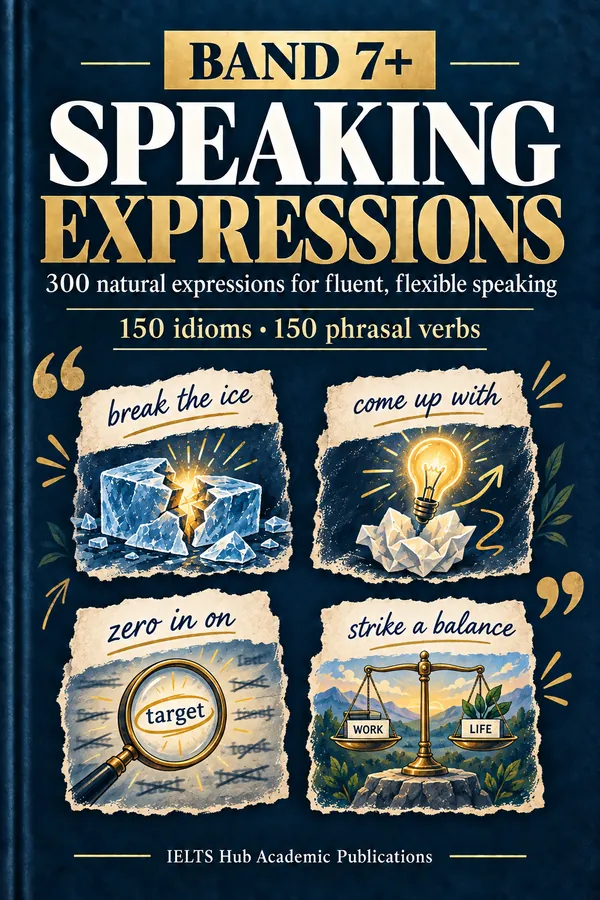
Speaking
Band 7+ Speaking Expressions
300 natural expressions for fluent, flexible speaking
₹199$6.99CAD 8.99AUD 9.99£4.99NZD 10.99€5.99AED 24SGD 8.99
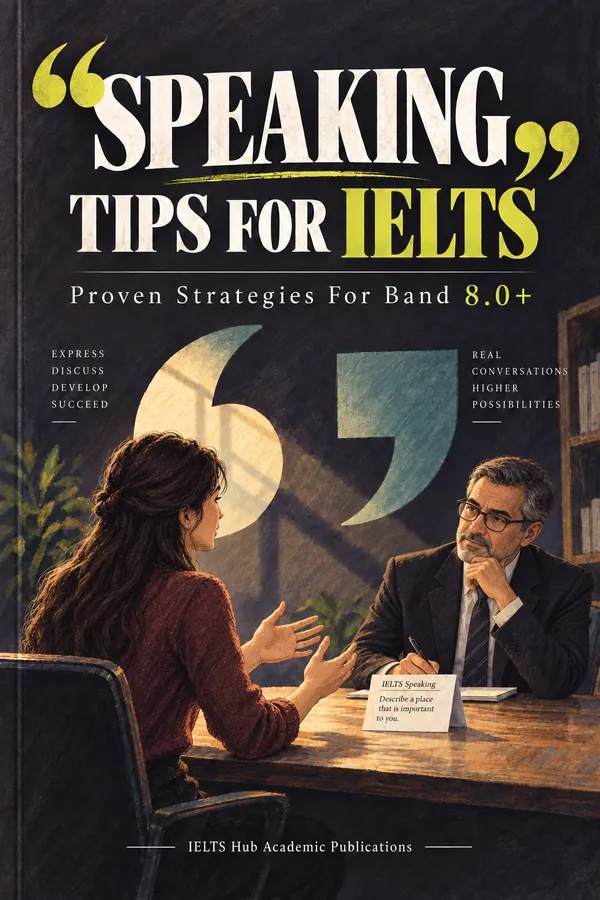
Speaking
Speaking Tips for IELTS
Proven Strategies for Band 8.0+
₹299$9.99CAD 13.99AUD 14.99£7.99NZD 16.99€8.99AED 39SGD 12.99

Speaking
Speak Like a Band 9
Real Test Questions & High-Scoring Answers
₹299$9.99CAD 13.99AUD 14.99£7.99NZD 16.99€8.99AED 39SGD 12.99