Speaking test #317
Part 1 · Interview
4 to 5 minutes. The examiner asks about you and familiar topics.
Can you tell me your full name?
Where are you from?
Do you work or are you a student?
How did you get here today?
I took the train to get here today. It was a very smooth journey and I arrived on time for my IELTS exam.
Do you often use public transport?
Yes, I do. I find it to be a convenient and cost-effective way to travel, especially in the city where I live.
Do you like public transport in your country?
I love it! Public transport in my country is very efficient and reliable. There are a variety of options available, such as buses, trains, and subways, which makes it easy for me to get around.
What is the difference between taking the bus and taking the train?
The main difference between taking the bus and taking the train is the speed and distance that can be covered. Buses are generally slower and only travel within a specific area, while trains can cover longer distances at a faster speed. Additionally, trains typically have more comfortable seating and amenities compared to buses.
Do you Think it’s Important to be on time?
Absolutely, being on time is crucial in both personal and professional settings. It shows respect for others' time and demonstrates responsibility and punctuality. Being late can also have negative consequences, such as missing out on important opportunities or causing inconvenience for others.
How do you Feel When others are Late?
When others are late, I can feel quite frustrated and sometimes even disrespected. It can disrupt the flow of a planned event or meeting and cause delays and inconvenience for everyone involved. However, I understand that unexpected circumstances can happen, so I try to remain understanding and patient.
How do you Feel When you are Late?
When I am late, I feel quite guilty and apologetic. I understand the inconvenience it can cause for others and I always make sure to communicate any delays or changes in plans. I also try to take steps to ensure that I am on time in the future, such as planning ahead and leaving extra early.
Do you Wear a Watch?
Yes, I do wear a watch. I find it to be a useful tool for keeping track of time and ensuring that I am on time for appointments and meetings. It also eliminates the need to constantly check my phone for the time, which can be a distraction.
You will have to talk about the topic for one to two minutes. You have one minute to think about what you are going to say. You can make some notes to help you if you wish.
Describe a movie or a book about the future
You should say:
- Summary of the plot
- Main characters and their roles
- Key themes explored in the story
- Your opinion on the portrayal of the future in the movie or book
Summary of the plot
In the futuristic Indian movie "Robot," the plot revolves around the creation of a highly advanced humanoid robot named Chitti by a brilliant scientist. Chitti is programmed with human emotions and falls in love with the scientist's girlfriend, leading to a complex and gripping storyline. As Chitti's artificial intelligence evolves, it poses a threat to humanity, raising questions about the ethical implications of creating sentient machines.
Main characters and their roles
The main characters in the movie include Dr. Vaseegaran, the scientist who creates Chitti, Chitti himself who struggles with his newfound emotions, and Sana, the girlfriend caught in the middle of this technological and emotional conflict. Dr. Bohra, a rival scientist, also plays a crucial role in the narrative as he tries to manipulate Chitti for his own gains.
Key themes explored in the story
The key themes explored in "Robot" include artificial intelligence, love, jealousy, and the boundaries between man and machine. The movie delves into the potential consequences of creating machines with emotions and the blurred lines between human and artificial consciousness. It also touches upon the moral dilemmas surrounding technology and its impact on society.
Your opinion on the portrayal of the future in the movie or book
In my opinion, "Robot" presents a thought-provoking and engaging portrayal of the future where advanced technology intersects with complex human emotions. The movie effectively highlights the potential risks and rewards of artificial intelligence, prompting viewers to reflect on the implications of technological advancements in our rapidly changing world. Overall, "Robot" serves as a captivating exploration of the possibilities and pitfalls of a futuristic society driven by cutting-edge innovation.
- Words
- 246
- Sentences
- 13
- Words per sentence
- 18.9
- Speaking time
- about 1.9 min
Counted at 130 words a minute. The exam gives you one to two minutes.
Part 3 · Discussion
4 to 5 minutes. The examiner asks broader questions linked to the cue card topic.
How are movies about the future different from those that take place in the past?
Films about the future often delve into advanced technology and speculative concepts, allowing filmmakers to explore ideas that push the boundaries of our imagination. For instance, they might depict futuristic societies grappling with issues like artificial intelligence or climate change, which can resonate with our current concerns. In contrast, films set in the past typically focus on historical events or cultural contexts, often emphasizing the human experience in a more grounded way. This allows audiences to connect with the struggles and triumphs of earlier generations. Ultimately, while both types of films can be visually captivating, they offer distinct narratives that reflect our hopes and fears about what has been and what could be.
Do you think movies about the future can affect the choices we make in real life?
Absolutely, I think movies that portray the future can have a significant impact on our real-life decisions. These films often tap into our imagination and spark discussions about possibilities and consequences. For instance, a thought-provoking sci-fi movie might make viewers reconsider their choices regarding technology or environmental issues, prompting them to adopt more sustainable practices in their daily lives. Additionally, these films can inspire innovations, as they sometimes present ideas that become a reality, influencing everything from scientific research to personal aspirations. Overall, the narratives we see on screen can genuinely shape our perceptions and actions in profound ways.
How important do you think it is for society to explore future ideas in books and movies?
I believe engaging with futuristic themes in literature and cinema is incredibly significant for society. It not only fuels our imagination but also prompts us to reflect on the potential consequences of our current choices. For instance, when we explore dystopian narratives, we often find ourselves confronting pressing issues like climate change or technological overreach, pushing us to consider how our actions today could shape the future. Moreover, these themes can inspire innovation and creativity, encouraging individuals to think outside the box and envision a better world. Ultimately, by grappling with these ideas, we can cultivate a more informed and proactive society ready to tackle the challenges that lie ahead.
Why do you think people like stories that look at what the future might be like?
I believe audiences are captivated by stories that delve into the possibilities of the future because they ignite our imaginations and stimulate our curiosity about what lies ahead. These narratives often serve as a reflection of our current society, allowing us to explore potential outcomes of our present choices and technologies. Furthermore, they provide an exhilarating escape from reality, offering a glimpse of worlds where anything is possible. People are naturally inclined to ponder about their future, and these stories encourage them to consider their own aspirations and fears. Ultimately, they spark meaningful conversations about our trajectory as a society and the ethical dilemmas we may face.
What changes can we expect in the themes of books and movies focused on the future in the next ten years?
In the next decade, I believe we’ll see an intriguing shift in the themes of future-oriented books and movies. As technology continues to evolve at an unprecedented pace, narratives will likely delve deeper into the implications of artificial intelligence and environmental sustainability. We might encounter more stories that explore the ethical dilemmas surrounding biotechnology and the impact of climate change, presenting a more nuanced view of our relationship with the planet. Additionally, themes of social justice and global interconnectedness are likely to gain prominence, reflecting a growing awareness of these issues in our everyday lives. Overall, I’m excited to see how these evolving themes will inspire both creators and audiences to engage with the future in a more thoughtful way.
What steps can creators take to make sure their visions of the future are interesting and inspiring?
Creators can take several measures to ensure their portrayals of the future resonate with audiences in a meaningful way. First and foremost, they should incorporate realistic scenarios that are grounded in current scientific advancements and societal trends. This approach not only makes their work more relatable but also stimulates critical thinking among viewers. Additionally, by weaving in multifaceted characters who navigate complex moral dilemmas, creators can evoke a range of emotions and inspire deeper reflection on potential future outcomes. Lastly, leveraging innovative storytelling techniques, such as non-linear narratives or immersive technology, can captivate audiences and enhance their overall experience. Ultimately, the key lies in striking a balance between imagination and plausibility, making the future feel both exciting and relevant.
Go further with the books
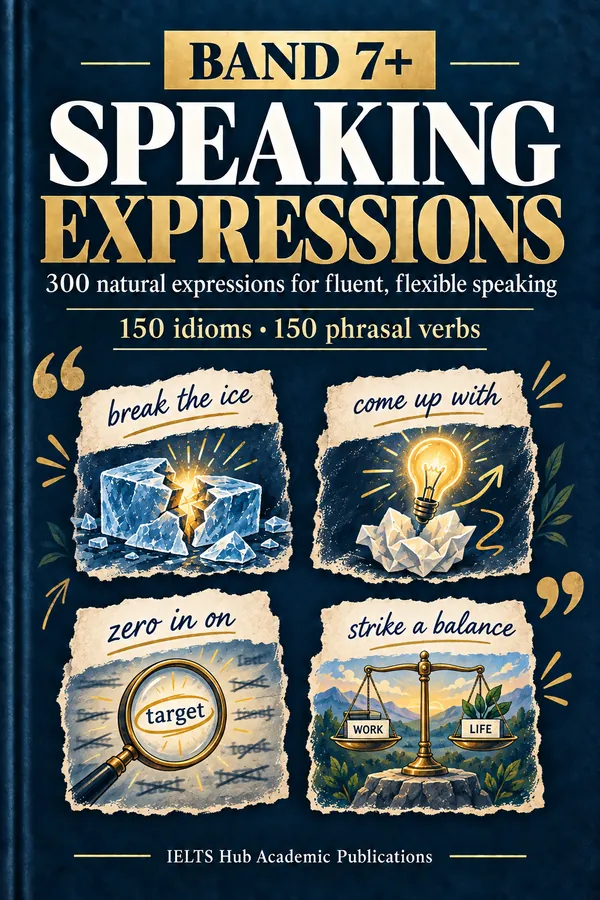
Speaking
Band 7+ Speaking Expressions
300 natural expressions for fluent, flexible speaking
₹199$6.99CAD 8.99AUD 9.99£4.99NZD 10.99€5.99AED 24SGD 8.99
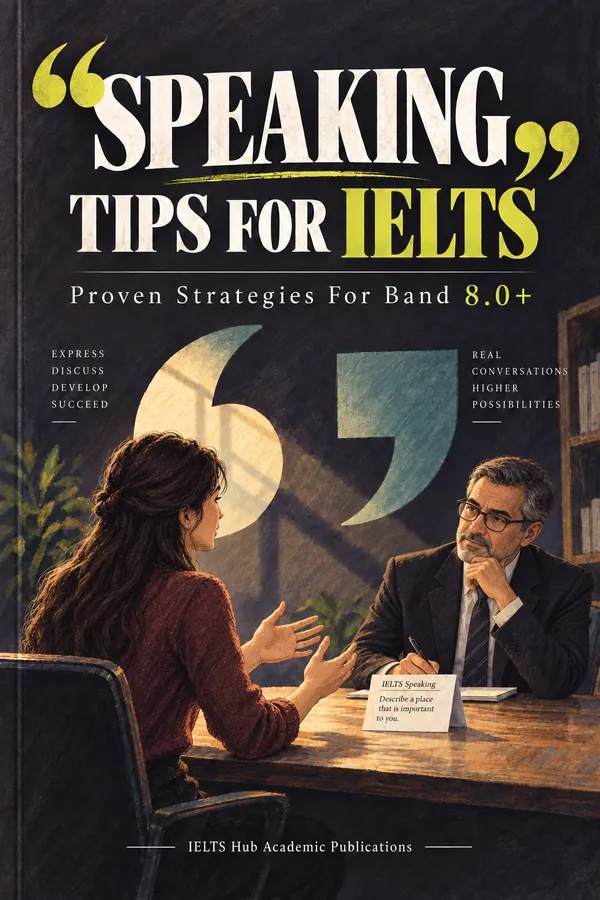
Speaking
Speaking Tips for IELTS
Proven Strategies for Band 8.0+
₹299$9.99CAD 13.99AUD 14.99£7.99NZD 16.99€8.99AED 39SGD 12.99
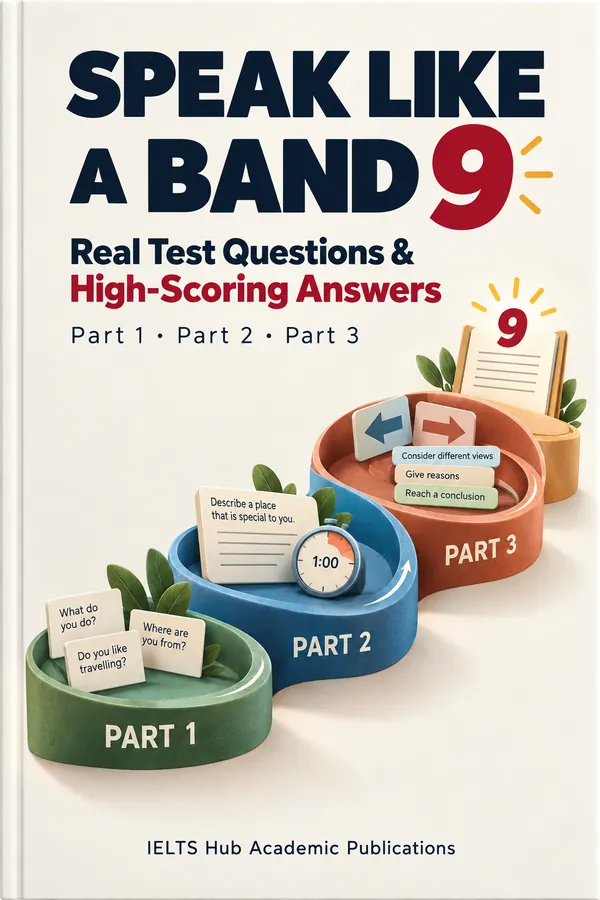
Speaking
Speak Like a Band 9
Real Test Questions & High-Scoring Answers
₹299$9.99CAD 13.99AUD 14.99£7.99NZD 16.99€8.99AED 39SGD 12.99