Speaking test #318
Part 1 · Interview
4 to 5 minutes. The examiner asks about you and familiar topics.
Can you tell me your full name?
Where are you from?
Do you work or are you a student?
Did you do puzzles in your childhood?
Oh, absolutely! I have fond memories of spending hours upon hours completing jigsaw puzzles with my family. It was always such a fun and challenging activity for us to do together.
Do you like doing word puzzles or number puzzles? Which is more difficult for you?
I love both types of puzzles, but I would have to say that word puzzles are my favorite. I find them to be incredibly stimulating for my mind and they always make me feel accomplished when I complete them. However, I find that number puzzles can be quite challenging for me as I'm not as strong in math as I am in language.
When do you do puzzles, during your trip or when you feel bored?
I try to do puzzles whenever I have some free time, whether it be during a trip or when I'm feeling bored. I find that puzzles are a great way to keep my mind active and occupied, and they're also a great stress reliever for me.
Do you think it is good for old people to do puzzles?
Absolutely! I think that puzzles are a wonderful activity for older adults as they help to keep the mind active and sharp. They can also help to improve memory and cognitive function, which can be particularly beneficial for older adults. Additionally, puzzles can be a great way for older adults to socialize and bond with others, as they can be completed in groups or with family members.
Do you like rainy days?
Oh, absolutely! I find rainy days to be incredibly peaceful and relaxing. The sound of the raindrops hitting the windows and the ground is so soothing, and there's something about the grey and misty atmosphere that I find quite calming. Plus, it's the perfect excuse to curl up with a good book or watch a movie.
What do you do on rainy days?
On rainy days, I love to indulge in some self-care activities. I'll often light some candles and have a long, luxurious bath, or perhaps do some yoga or meditation to help me relax. I also enjoy cooking and baking, so I'll often spend some time in the kitchen experimenting with new recipes. And, of course, I always make sure to catch up on some reading or watch a movie or two.
Does it rain much in your country? (Where? When?
?) Well, I'm from [insert country], and the rainfall can vary quite a bit depending on where you are. In general, the coastal areas tend to get more rainfall than the inland regions. The rainy season typically starts around [insert month] and lasts until [insert month], but some years it can be quite heavy and last longer.
Is there any part of your country where it doesn’t rain much?
Yes, there are certain parts of my country that are known for their dry climate. For example, [insert region/city] is a desert area and receives very little rainfall throughout the year. On the other hand, [insert region/city] is known for its sunny and dry weather, making it a popular destination for tourists looking to escape the rain.
You will have to talk about the topic for one to two minutes. You have one minute to think about what you are going to say. You can make some notes to help you if you wish.
A time/period in your life when you were very busy
You should say:
- What was keeping you busy
- How you managed your time during this period
- Challenges you faced due to being busy
- The outcome of this busy time in your life
What was keeping you busy
During my final year of college, I found myself immersed in a whirlwind of activities that kept me incredibly busy. Firstly, preparing for my end-of-year exams while simultaneously working on my research project demanded a significant portion of my time and focus. Additionally, I took on a part-time job to gain practical experience in my field of study, which further added to my already packed schedule.
How you managed your time during this period
To manage my time effectively, I adopted a meticulous planning approach. I created detailed schedules outlining specific tasks for each day, prioritizing assignments based on deadlines and importance. I also utilized time management tools such as calendars and to-do lists to ensure that I stayed on track and did not overlook any crucial tasks. By allocating designated time slots for studying, working, and personal activities, I was able to maintain a sense of balance amid the chaos.
Challenges you faced due to being busy
Undoubtedly, being extremely busy posed several challenges. The most significant struggle I faced was the constant pressure to juggle multiple responsibilities without compromising on the quality of my work. This often led to feelings of stress and fatigue, making it challenging to stay motivated and focused. Moreover, I had to sacrifice social gatherings and leisure time to meet my obligations, which occasionally left me feeling isolated and overwhelmed.
The outcome of this busy time in your life
The outcome of this busy period was ultimately rewarding. Despite the challenges, I successfully completed my research project with commendable results and performed well in my exams. The time management skills I honed during this period have proven invaluable in my professional life, enabling me to handle multiple tasks efficiently and meet deadlines effectively. Moreover, the experience taught me the importance of perseverance and resilience in the face of adversity, qualities that continue to serve me well in my career.
- Words
- 291
- Sentences
- 15
- Words per sentence
- 19.4
- Speaking time
- about 2.2 min
Counted at 130 words a minute. The exam gives you one to two minutes.
Part 3 · Discussion
4 to 5 minutes. The examiner asks broader questions linked to the cue card topic.
How does being busy affect a person's well-being compared to having more free time?
Being busy can have a significant impact on a person's overall well-being, often in both positive and negative ways. On one hand, maintaining a full schedule can lead to a sense of accomplishment and purpose, as people often feel more motivated and engaged in their daily tasks. However, this constant busyness can also result in stress and burnout, which can negatively affect mental health. In contrast, having more free time can allow individuals to pursue leisure activities, engage in self-care, and foster relationships, all of which are essential for emotional well-being. Ultimately, it's about finding that delicate balance where one can enjoy the benefits of productivity without sacrificing personal health and happiness.
Some people think that always being busy causes burnout. How could someone see this situation in another way?
That’s a really interesting question! While it’s true that being constantly busy can lead to burnout, there are also perspectives that suggest it can actually foster personal growth and resilience. For some individuals, a packed schedule can provide a sense of purpose and fulfillment, as they juggle various responsibilities and pursuits. Additionally, the hustle and bustle of daily life can lead to valuable experiences and networking opportunities, which might not happen if someone were to take a step back. Ultimately, it’s all about finding that delicate balance between productivity and self-care, ensuring that one’s busy lifestyle doesn’t come at the expense of their well-being.
How important is it for people to use their time well when life gets busy?
Managing time effectively during busy periods is absolutely crucial for individuals. When life gets hectic, the ability to prioritize tasks can make all the difference between feeling overwhelmed and maintaining a sense of control. It allows us to allocate our energy to what truly matters, ensuring that essential responsibilities are met without unnecessary stress. Furthermore, effective time management can lead to a greater sense of achievement and productivity, fostering a positive mindset. Ultimately, mastering this skill can significantly enhance both personal and professional life, paving the way for long-term success and well-being.
Why do some people do well under pressure while others find it hard to manage a busy schedule?
That's a fascinating question! I believe that the ability to thrive under pressure often comes down to individual coping mechanisms and personality traits. Some people possess a natural resilience or even an innate desire to take on challenges, which allows them to stay focused and motivated when things get hectic. On the other hand, those who struggle might find themselves overwhelmed due to factors like anxiety or a lack of effective time management skills. It's really interesting to see how different backgrounds and experiences shape our responses to stress; for instance, someone who has faced high-pressure situations regularly may develop a stronger ability to handle them compared to someone who has not. Ultimately, it’s all about finding what works best for each individual.
How might a person's life change if they choose a less busy routine?
Adopting a less busy routine can lead to a profound transformation in a person's lifestyle. For starters, individuals may experience a significant reduction in stress levels, allowing them to cultivate a greater sense of well-being. This newfound tranquility often opens the door to more fulfilling activities, such as exploring hobbies or spending quality time with loved ones. Moreover, with more leisure time, people might also prioritize their physical health, leading to healthier eating habits and regular exercise. Ultimately, embracing a slower pace can foster a deeper connection with oneself and the world around them, encouraging a more balanced and harmonious life.
What ways can people use to manage times when they are very busy in their lives?
During periods of intense busyness, individuals can adopt several effective strategies to maintain their sanity and productivity. Firstly, prioritizing tasks is essential; using a to-do list helps in identifying what needs immediate attention and what can wait. Additionally, practicing time management techniques, such as the Pomodoro Technique, can enhance focus and efficiency. It’s also crucial to incorporate short breaks to recharge, as this can prevent burnout and keep energy levels up. Lastly, seeking support from friends or colleagues can provide a sense of camaraderie and make the workload feel less overwhelming.
Go further with the books
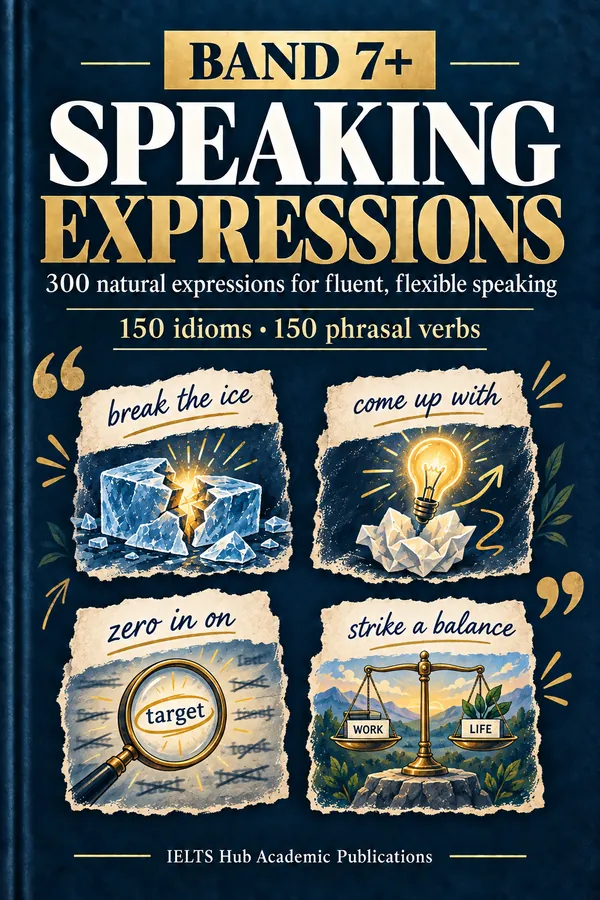
Speaking
Band 7+ Speaking Expressions
300 natural expressions for fluent, flexible speaking
₹199$6.99CAD 8.99AUD 9.99£4.99NZD 10.99€5.99AED 24SGD 8.99
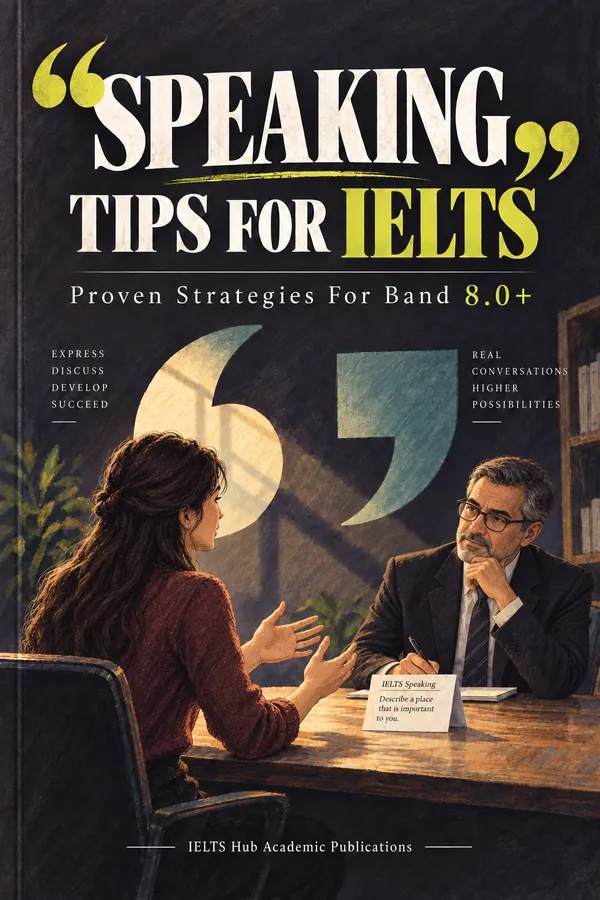
Speaking
Speaking Tips for IELTS
Proven Strategies for Band 8.0+
₹299$9.99CAD 13.99AUD 14.99£7.99NZD 16.99€8.99AED 39SGD 12.99
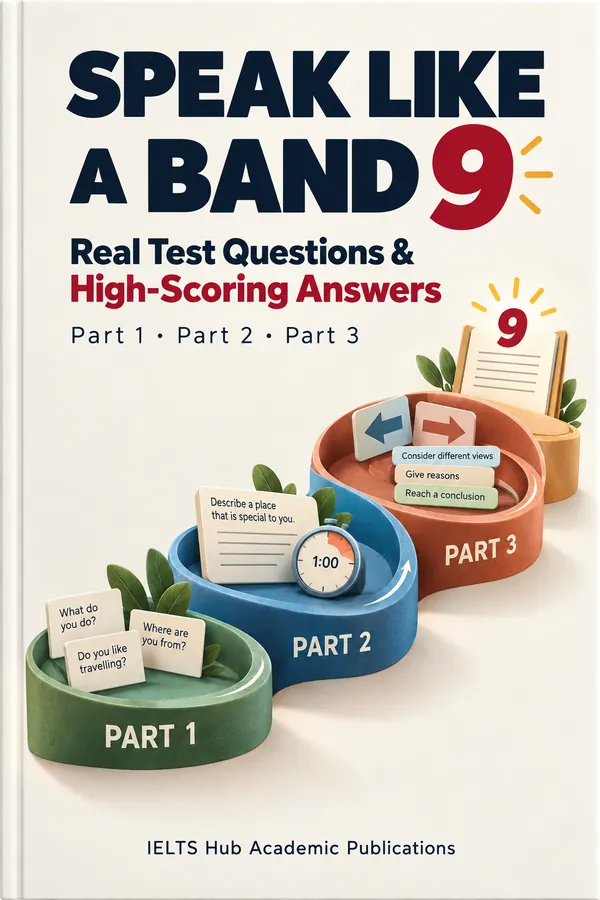
Speaking
Speak Like a Band 9
Real Test Questions & High-Scoring Answers
₹299$9.99CAD 13.99AUD 14.99£7.99NZD 16.99€8.99AED 39SGD 12.99