Speaking test #319
Part 1 · Interview
4 to 5 minutes. The examiner asks about you and familiar topics.
Can you tell me your full name?
Where are you from?
Do you work or are you a student?
Do you like to read?
I absolutely adore reading! There's nothing quite like getting lost in a good book, whether it's a gripping thriller or a heart-wrenching romance. I find it to be a wonderful escape from the hustle and bustle of everyday life, and a great way to learn new things and expand my horizons.
Do you ever visit the library?
Yes, I visit the library quite frequently. I find it to be a great resource for finding new books to read, and I also love the peaceful and quiet atmosphere. Plus, it's a great way to support my local community and promote literacy.
Do you prefer reading books or watching films?
This is a tough question, as I love both reading books and watching films. However, if I had to choose, I would say that I prefer reading books. There's something about getting lost in the written word that I find incredibly captivating. Plus, books often offer a deeper and more complex exploration of characters and themes than films do.
Do you think it is essential that children read regularly?
Absolutely! Reading is such a crucial skill for children to develop, as it helps with everything from language development to problem-solving skills. Plus, reading is a great way for children to learn about the world around them, and to develop empathy and understanding for others. Regular reading can also be a great way to promote a lifelong love of learning and curiosity.
Do you recycle? Why?
Yes, I recycle. I believe it is our responsibility as citizens to do our part in protecting the environment. Recycling reduces the amount of waste that ends up in landfills and reduces the need for new resources to be extracted, which in turn helps to preserve our natural resources. Additionally, recycling can also help to conserve energy and reduce greenhouse gas emissions.
Did you recycle when you were a kid?
Yes, I did recycle when I was a kid. My parents always taught me the importance of being environmentally conscious and I grew up with the habit of recycling. We had separate bins for different types of materials and I remember being in charge of sorting the recyclables and taking them to the designated recycling center.
Will you recycle in the future?
Absolutely. Recycling is something that I believe in and will continue to practice in the future. It is a simple yet effective way to reduce our impact on the environment and I will always make an effort to recycle as much as possible.
What kind of things do you recycle?
I recycle a variety of materials, such as paper, cardboard, glass, plastic, and metal. I also try to compost organic materials like food scraps and yard waste. Additionally, I also recycle electronic waste such as old phones and computers, which can be harmful to the environment if not disposed of properly. Overall, I make an effort to recycle as many materials as possible in order to reduce waste and protect the environment.
You will have to talk about the topic for one to two minutes. You have one minute to think about what you are going to say. You can make some notes to help you if you wish.
A TV programme you watched but did not enjoy
You should say:
- What TV programme it was
- Why you decided to watch it
- What you did not like about it
- How you felt after watching it
What TV programme it was
Television programs play a significant role in shaping our entertainment choices, and one such program I recently watched but did not enjoy was a reality cooking show called "MasterChef India." I decided to watch it due to its popularity and the hype surrounding it in the media. As a food enthusiast, I was intrigued by the concept of aspiring chefs showcasing their culinary skills on a competitive platform.
Why you decided to watch it
However, my experience of watching "MasterChef India" was disappointing for several reasons. Firstly, I found the show to be overly dramatic and scripted, lacking authenticity in portraying the contestants' actual cooking abilities. The focus seemed to be more on creating conflicts and controversies among the participants rather than on showcasing their culinary talents. Additionally, the judges' biased decisions and favoritism towards certain contestants further diminished the credibility of the show.
What you did not like about it
After watching several episodes of "MasterChef India," I couldn't help but feel disenchanted and disillusioned by the unrealistic portrayal of the culinary world. The lack of genuine competition and the emphasis on sensationalism over genuine talent left me with a sense of dissatisfaction. Instead of being inspired or entertained, I was left feeling let down and unimpressed by the overall content and execution of the program.
How you felt after watching it
In conclusion, despite my initial excitement to watch "MasterChef India," the show failed to meet my expectations and fell short in delivering an authentic and engaging viewing experience. The skewed focus on drama and controversies overshadowed the true essence of showcasing culinary skills, leaving me with a sense of disapproval and disinterest towards such reality television programs.
- Words
- 261
- Sentences
- 11
- Words per sentence
- 23.7
- Speaking time
- about 2.0 min
Counted at 130 words a minute. The exam gives you one to two minutes.
Part 3 · Discussion
4 to 5 minutes. The examiner asks broader questions linked to the cue card topic.
How do viewers' expectations change for different types of TV shows?
That's a fascinating question! Viewers generally have distinct expectations depending on the genre of the TV programme. For instance, when it comes to dramatic series, audiences typically anticipate a deep emotional connection and complex character development, as they want to immerse themselves in the storyline. On the other hand, in comedy shows, people often seek light-hearted entertainment and quick-witted humor to ease their stress and enjoy a good laugh. Moreover, in the realm of documentaries, viewers usually expect insightful information and a well-researched perspective on real-world issues, which can sometimes lead to a desire for a more educational experience. So, it’s safe to say that the genre not only shapes the content but also influences how viewers engage with and react to what they are watching!
Why do people have different views about a specific TV show?
People can have differing opinions about a particular TV programme for a variety of reasons. Firstly, individual backgrounds and upbringing play a significant role; what resonates with one person might not have the same appeal for another based on their life experiences. Additionally, personal tastes in genres—be it comedy, drama, or reality TV—can create a wide spectrum of reactions. Furthermore, cultural differences can heavily influence how a programme is perceived; a show that is celebrated in one country might be met with criticism in another due to differing social norms or values. Lastly, the context in which someone watches a show, such as their mood or the company they’re with, can also shape their opinion, making it a highly subjective experience.
How does the quality of a TV show affect how many people watch it and how successful it is?
The quality of a TV programme plays a pivotal role in determining its viewership and overall success. First and foremost, strong storytelling, compelling characters, and high production values can significantly enhance a show's appeal, drawing in audiences who crave engaging content. When a programme resonates emotionally with viewers, it often leads to increased word-of-mouth promotion, which is crucial for building a loyal fan base. Additionally, programmes that tackle relevant social issues or reflect contemporary trends are more likely to capture public interest, making them not only entertaining but also culturally significant. Ultimately, a well-crafted show can create a lasting impression and foster a dedicated following, which is essential for its longevity in the competitive television landscape.
Why do you think some people struggle to enjoy certain kinds of TV shows?
There are several reasons why some individuals might struggle to appreciate certain types of television shows. For one, personal taste plays a huge role; what one person finds engaging, another might deem tedious or uninteresting. Additionally, cultural background can significantly influence how people perceive various genres; for instance, someone raised on comedies might find dramas particularly challenging. Furthermore, the pacing and complexity of some shows can be off-putting for those who prefer more straightforward narratives. Ultimately, it's fascinating how the diverse spectrum of human experience shapes our viewing preferences!
How could the future of TV shows change based on what viewers like now?
The future landscape of television programming is likely to undergo a significant transformation, driven by the current viewer trends we see today. With the rise of streaming platforms, audiences are increasingly gravitating towards on-demand content, allowing them to watch their favorite shows whenever they want. This shift could lead to a more niche-focused approach in programming, where networks cater to specific interests and demographics rather than trying to appeal to a broad audience. Additionally, the integration of interactive features and augmented reality could become commonplace, offering viewers a more immersive experience. Overall, it’s an exciting time for television, as the medium evolves to meet the ever-changing preferences of its audience!
How can we make a TV show that people don’t like more interesting?
To enhance the appeal of a TV programme that hasn't resonated with its audience, several strategies could be employed. First and foremost, it’s crucial to conduct thorough audience research to understand what viewers are looking for. This might involve engaging with the audience through surveys or social media to gather feedback and identify specific areas for improvement. Additionally, incorporating high-quality production values can significantly elevate a show's status; a fresh look or better sound quality can often attract new viewers. Lastly, introducing compelling storylines or guest appearances from well-known personalities can create a buzz and encourage people to tune in. By adopting these approaches, a struggling programme can transform into a must-watch sensation!
Go further with the books
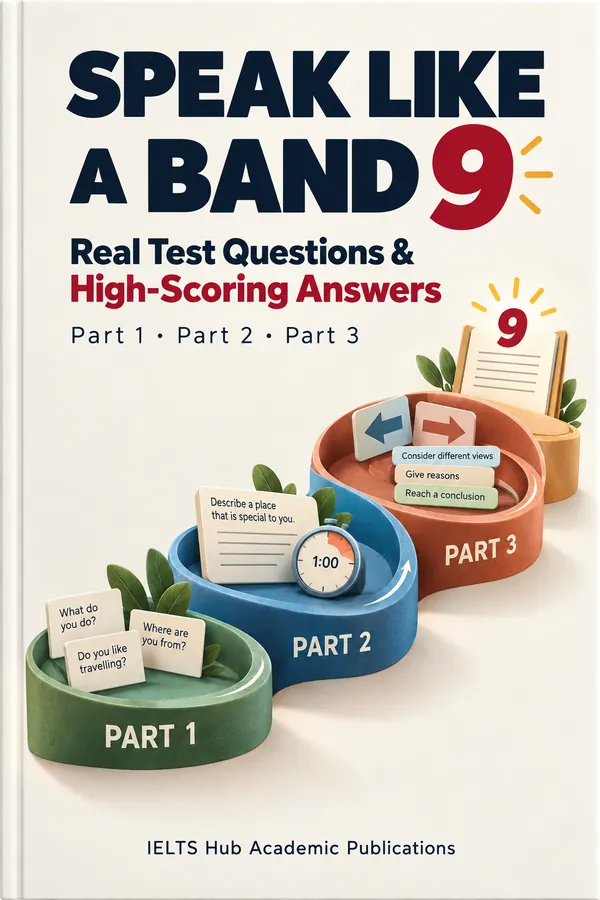
Speaking
Speak Like a Band 9
Real Test Questions & High-Scoring Answers
₹299$9.99CAD 13.99AUD 14.99£7.99NZD 16.99€8.99AED 39SGD 12.99
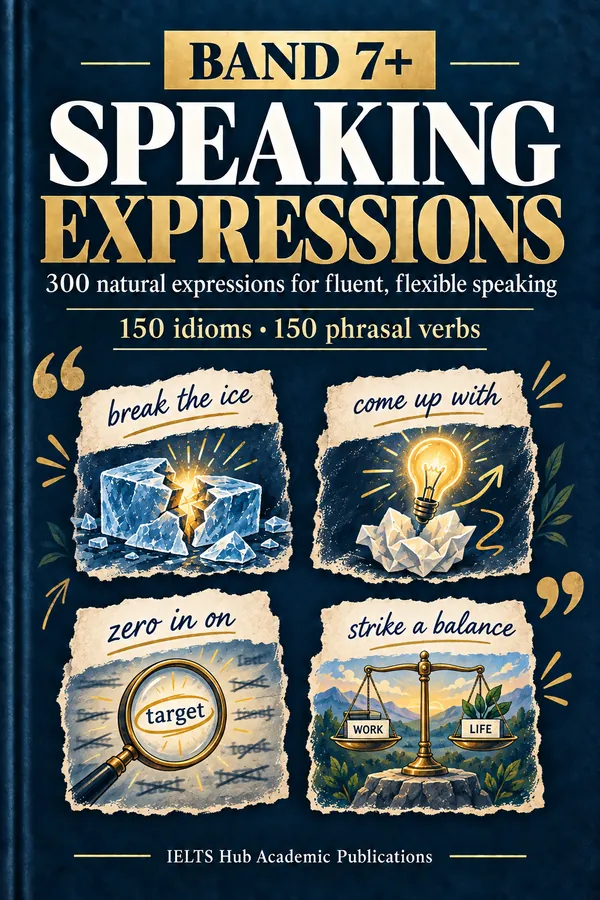
Speaking
Band 7+ Speaking Expressions
300 natural expressions for fluent, flexible speaking
₹199$6.99CAD 8.99AUD 9.99£4.99NZD 10.99€5.99AED 24SGD 8.99
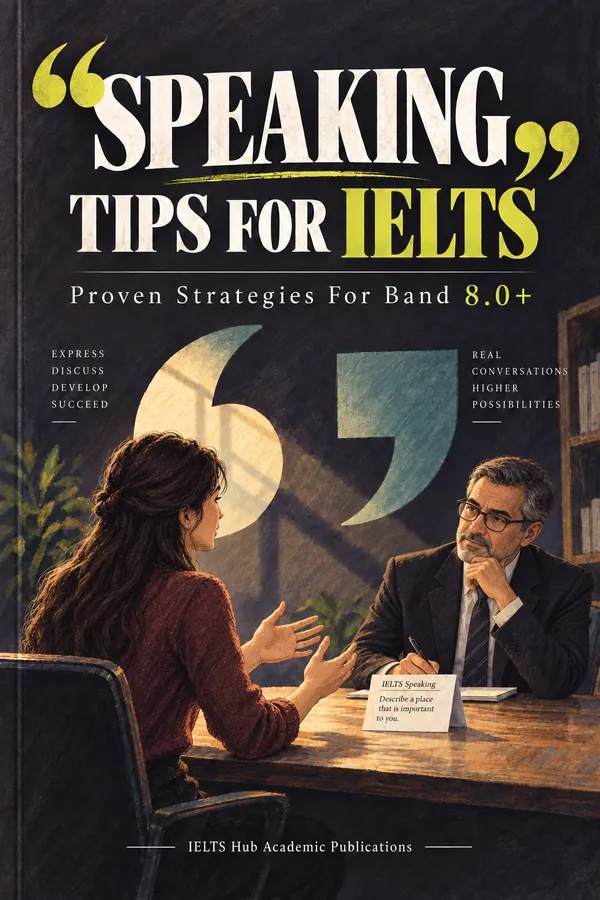
Speaking
Speaking Tips for IELTS
Proven Strategies for Band 8.0+
₹299$9.99CAD 13.99AUD 14.99£7.99NZD 16.99€8.99AED 39SGD 12.99