Speaking test #324
Part 1 · Interview
4 to 5 minutes. The examiner asks about you and familiar topics.
Can you tell me your full name?
Where are you from?
Do you work or are you a student?
At what age did you start studying science at school?
I started studying science at the age of 11, when I entered secondary school.
Do you find science a difficult or an easy subject?
I find science to be a challenging but highly rewarding subject. It requires a lot of critical thinking and problem-solving skills, but the concepts and principles taught in science are also fascinating and enlightening.
What was the most interesting science topic for you at school?
The most interesting science topic for me at school was definitely physics. I found the laws of motion and the study of energy and matter to be incredibly intriguing and thought-provoking.
How useful is your knowledge of science in your daily life?
My knowledge of science is extremely useful in my daily life. It helps me to understand the world around me and make informed decisions. For example, my understanding of physics and chemistry helps me to appreciate the technology and appliances I use every day, and my knowledge of biology and health sciences enables me to make informed choices about my own well-being.
What are the main seasons in your country?
In my country, we have four main seasons: spring, summer, fall, and winter. Each season brings its own unique weather and characteristics, making for a diverse and dynamic climate.
Which is your favourite?
My favourite season would have to be fall. The cool temperatures and changing leaves make for a beautiful and peaceful atmosphere. Plus, it's the perfect weather for outdoor activities such as hiking and apple picking.
What is your favourite kind of weather?
I would have to say that my favourite kind of weather is sunny and mild. Not too hot or too cold, with just the right amount of sunshine to make the day feel bright and warm.
What problems does the weather cause in your country?
The weather can cause a variety of problems in my country. For example, heavy rains can lead to flooding and landslides in some areas. In the winter, heavy snowfall can make it difficult to travel and cause power outages. Additionally, heat waves can be a major health concern during the summer months. Overall, the weather can be unpredictable and can have a significant impact on daily life.
You will have to talk about the topic for one to two minutes. You have one minute to think about what you are going to say. You can make some notes to help you if you wish.
Describe a museum
You should say:
- What museum it is
- What exhibits are showcased in the museum
- The history or significance of the museum
- Your overall impression of the museum
What museum it is
I'd like to talk about the National Museum in New Delhi, India. This museum is a treasure trove of Indian history and culture, showcasing a diverse range of exhibits that date back thousands of years. From ancient sculptures and relics to intricate textiles and paintings, the National Museum offers a comprehensive overview of India's rich heritage.
What exhibits are showcased in the museum
The museum's collection includes artifacts from various civilizations that have shaped the Indian subcontinent over the centuries. Visitors can marvel at the exquisite craftsmanship of the Indus Valley civilization, admire the intricacy of Mughal miniature paintings, and learn about the diverse cultural traditions that have flourished in India. Each exhibit is accompanied by detailed explanations that provide valuable insights into the historical and cultural significance of the artifacts.
The history or significance of the museum
Established in 1949, the National Museum plays a crucial role in preserving and promoting India's cultural heritage. It serves as a repository of knowledge and a testament to the country's rich past. The museum's significance extends beyond its physical walls, as it contributes to the education and awareness of visitors from around the world, fostering a deeper appreciation for India's diverse cultural legacy.
Your overall impression of the museum
Overall, my impression of the National Museum is overwhelmingly positive. The museum offers a captivating journey through India's history, allowing visitors to immerse themselves in the country's vibrant cultural tapestry. Whether you are a history buff, an art enthusiast, or simply curious about India's heritage, a visit to the National Museum is sure to be a rewarding and enlightening experience.
- Words
- 247
- Sentences
- 12
- Words per sentence
- 20.6
- Speaking time
- about 1.9 min
Counted at 130 words a minute. The exam gives you one to two minutes.
Part 3 · Discussion
4 to 5 minutes. The examiner asks broader questions linked to the cue card topic.
How are museums different from other cultural places like galleries or historical sites?
Museums, galleries, and historical sites each offer unique experiences, but they diverge primarily in their focus and presentation. Museums are often more comprehensive, showcasing a diverse range of artifacts and information that tell a story about a particular culture or theme, whereas galleries typically concentrate on visual arts, displaying works from artists that provoke thought and emotion. Historical sites, on the other hand, provide a physical connection to the past, allowing visitors to walk through history and understand the context of significant events or figures. Moreover, museums usually incorporate interactive elements and educational programs, making them more accessible to a broader audience, including families and school groups. This immersive experience can foster a deeper understanding of history and art. In contrast, galleries may cater to a more niche audience, often requiring a level of familiarity with art concepts that might intimidate the casual visitor. Ultimately, while all these institutions play vital roles in preserving culture, they each have distinctive approaches that cater to varying interests and educational objectives.
Some people think museums are important for keeping history safe, while others believe they are old-fashioned. What do you think?
I firmly believe that museums play a pivotal role in preserving history and culture. They serve as vital repositories of our collective heritage, allowing us to connect with our past in a tangible way. While some may argue that museums are outdated, I think they have evolved significantly to engage younger generations through interactive exhibits and technology. Additionally, museums foster a sense of community by providing a space for education and dialogue about historical events. In my opinion, rather than being obsolete, they are more relevant than ever as we navigate the complexities of modern society.
How important do you think museums are in building community and cultural identity?
I believe museums play a crucial role in fostering a sense of community and cultural identity. They serve as a repository of history, showcasing not only local artifacts but also narratives that connect people to their heritage. When individuals engage with these exhibits, it creates a shared experience that can strengthen community bonds. Moreover, museums often host events and workshops, which encourage collaboration and dialogue among diverse groups, ultimately enriching the community's cultural fabric. In this way, they are not just buildings filled with relics, but vibrant spaces that promote understanding and appreciation of our collective history.
Why do you think people want to go to museums, even when they can find information easily online?
I believe people are drawn to visit museums for a variety of compelling reasons, even in this digital age. Firstly, museums offer a unique opportunity to experience history and culture in a tangible way; there’s something incredibly powerful about standing in front of an ancient artifact or a stunning piece of art that you simply can’t replicate through a screen. Additionally, museums often create an immersive experience that engages all the senses, allowing visitors to connect with the subject matter on a much deeper level. Moreover, many people appreciate the social aspect of visiting museums with friends or family, turning it into a shared adventure that fosters conversation and learning. Lastly, there’s an undeniable sense of authenticity that comes from being in a physical space filled with real objects, which can provoke a much stronger emotional response than viewing images online.
How can museums change in the future to draw in younger people and stay important?
Museums are definitely at a crossroads, and I think their evolution will be quite fascinating! To attract younger generations, they might embrace cutting-edge technology like virtual and augmented reality, allowing visitors to immerse themselves in interactive experiences. Imagine walking through a historical exhibit and being able to see events unfold right before your eyes! Additionally, incorporating social media elements could create a more engaging atmosphere, where visitors can share their experiences in real time, fostering a sense of community. Lastly, museums could also host more dynamic events, such as live performances or workshops, turning traditional visits into vibrant cultural experiences that resonate with younger audiences.
What steps can be taken to improve visitor involvement and make museum visits more interactive?
To enhance visitor engagement and make museum experiences more interactive, there are several innovative measures that could be implemented. Firstly, incorporating state-of-the-art technology like augmented reality (AR) can transform the way visitors interact with exhibits, allowing them to see historical events or figures come to life right before their eyes. Additionally, implementing hands-on activities or workshops can give visitors a chance to immerse themselves in the subject matter, making learning more tangible and enjoyable. Moreover, creating thematic guided tours tailored to different interests can cater to a diverse audience, ensuring that everyone finds something captivating. Finally, encouraging visitor feedback through interactive kiosks or mobile apps can help museums continually improve their offerings and foster a sense of community among patrons. Overall, a combination of technology, interactive experiences, and personalized engagement can significantly elevate the museum experience.
Go further with the books
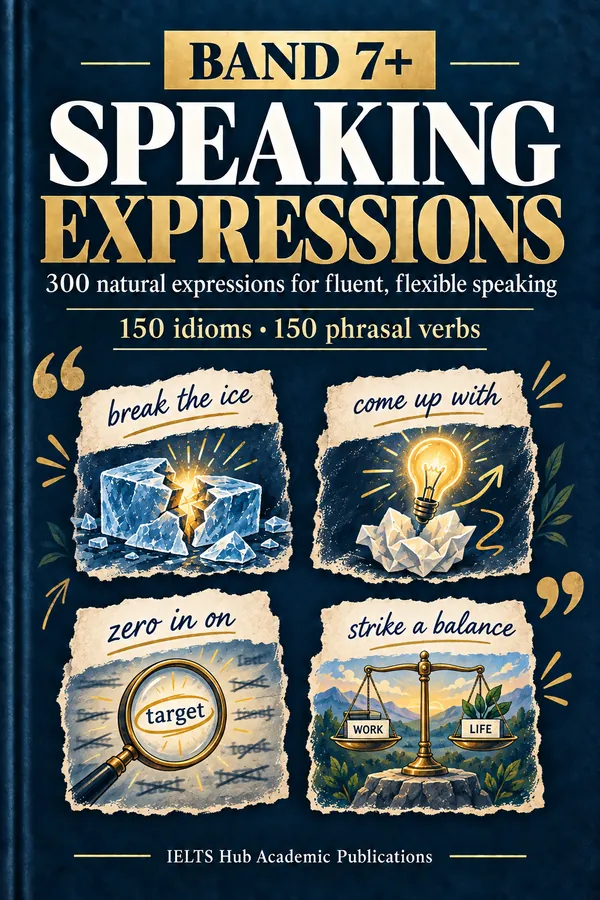
Speaking
Band 7+ Speaking Expressions
300 natural expressions for fluent, flexible speaking
₹199$6.99CAD 8.99AUD 9.99£4.99NZD 10.99€5.99AED 24SGD 8.99

Speaking
Speaking Tips for IELTS
Proven Strategies for Band 8.0+
₹299$9.99CAD 13.99AUD 14.99£7.99NZD 16.99€8.99AED 39SGD 12.99
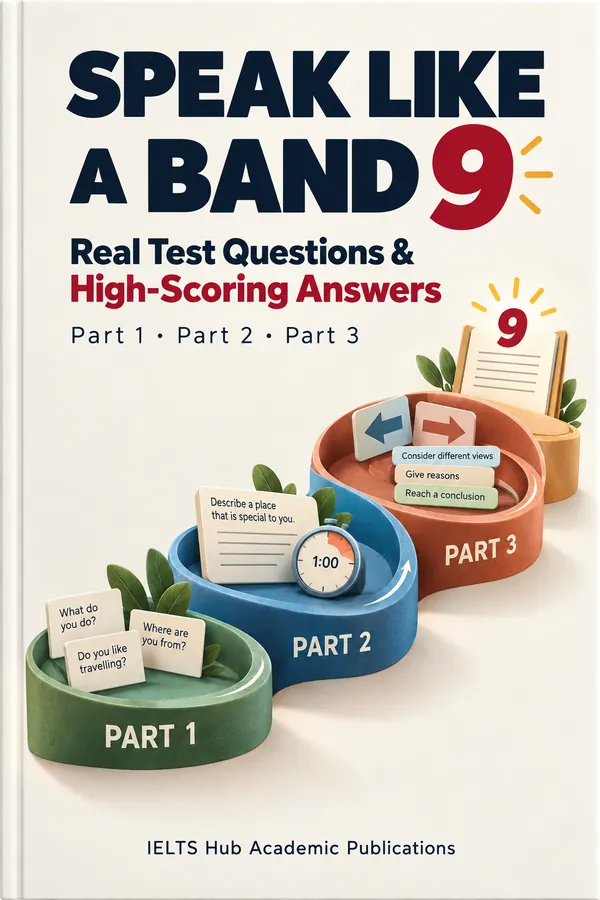
Speaking
Speak Like a Band 9
Real Test Questions & High-Scoring Answers
₹299$9.99CAD 13.99AUD 14.99£7.99NZD 16.99€8.99AED 39SGD 12.99