Speaking test #331
Part 1 · Interview
4 to 5 minutes. The examiner asks about you and familiar topics.
Can you tell me your full name?
Where are you from?
Do you work or are you a student?
Do you want to travel in outer space?
Oh, absolutely! The thought of exploring the vast expanse of the universe and experiencing the sensation of weightlessness is truly exhilarating to me. The idea of seeing our planet from a completely different perspective and gaining a greater understanding of our place in the universe is something that I find truly fascinating.
What would you do if you had the opportunity?
If I had the opportunity to travel to outer space, I would definitely take advantage of it. I would spend time conducting research and experiments on the various phenomena that occur in space, such as the effects of microgravity on the human body. I would also spend time taking in the stunning views of Earth from afar and observing the other planets and celestial bodies in our solar system.
Do you think it’s necessary to see other planets?
I believe that it is necessary to explore other planets in order to gain a better understanding of our place in the universe and the possibilities for life beyond Earth. Studying other planets and their atmospheres, geology, and potential for habitability can provide us with valuable information about the origins of our own planet and the potential for life elsewhere in the galaxy.
Whom would you like to go with if you travel to space?
If I were to travel to space, I would love to go with a team of scientists and researchers who share my passion for exploration and discovery. I would also love to have the opportunity to bring along my family and friends to share the experience with them and create lasting memories together. Overall, the company of a team of dedicated and knowledgeable individuals would be an invaluable asset to any space journey.
Do you like to wear special costumes?
I absolutely adore wearing special costumes! Whether it's for Halloween, a themed party, or even just for fun, I find that costumes give me the opportunity to express myself in unique and creative ways. Plus, it's always so much fun to see how others react to my costumes and to see the different costumes that others are wearing as well.
Did you try any special costumes when you were young?
Yes, I definitely did! When I was a kid, I loved dressing up as my favorite characters from books and movies. I remember spending hours putting together costumes for Halloween and other events, and I always had a blast showing them off to my friends and family. I think that's when my love for costumes first began.
When was the last time you wore special costumes?
The last time I wore a special costume was actually just a few weeks ago. I participated in a themed party where the dress code was "Wild West," so I put together a costume inspired by the classic western movies. I had a blast dressing up as a cowboy and getting into character for the party.
Did you ever buy special costumes?
Yes, I have definitely bought special costumes before. I've purchased costumes for Halloween, themed parties, and even for cosplay events. I find that buying costumes is a great way to ensure that I have a unique and high-quality costume for the event, and it can also save me time and effort in putting together a costume on my own.
You will have to talk about the topic for one to two minutes. You have one minute to think about what you are going to say. You can make some notes to help you if you wish.
Describe a magazine you think is interesting
You should say:
- What is the name of the magazine
- What topics are covered in the magazine
- How often is the magazine published
- Why do you find this magazine interesting
What is the name of the magazine
The magazine that I find particularly interesting is "National Geographic." This renowned magazine covers a wide range of topics related to nature, science, culture, and history. It delves into fascinating subjects such as wildlife conservation, environmental issues, archaeological discoveries, and indigenous cultures. Each issue of National Geographic is like a window to the world, providing readers with insightful articles, stunning photographs, and thought-provoking narratives.
What topics are covered in the magazine
"National Geographic" is published monthly, offering readers a fresh perspective and a wealth of knowledge with each issue. The magazine's commitment to high-quality content and visual storytelling sets it apart from other publications. Its blend of in-depth research, captivating visuals, and engaging writing style makes it a compelling read for people of all ages and backgrounds.
How often is the magazine published
What makes "National Geographic" truly captivating is its ability to transport readers to different corners of the world and immerse them in diverse cultures and ecosystems. The magazine inspires curiosity, fosters a sense of wonder, and encourages readers to explore and appreciate the beauty and complexity of our planet. Moreover, National Geographic's emphasis on conservation and environmental stewardship serves as a powerful reminder of the importance of protecting our natural heritage.
Why do you find this magazine interesting
In conclusion, "National Geographic" stands out as an incredibly interesting magazine due to its wide-ranging topics, monthly publication frequency, high-quality content, and its ability to educate, inspire, and raise awareness about the world around us. Reading this magazine is not just a leisurely pastime but also a transformative experience that broadens one's horizons and deepens their understanding of the world we inhabit.
- Words
- 253
- Sentences
- 11
- Words per sentence
- 23.0
- Speaking time
- about 1.9 min
Counted at 130 words a minute. The exam gives you one to two minutes.
Part 3 · Discussion
4 to 5 minutes. The examiner asks broader questions linked to the cue card topic.
How can readers' interests differ among various kinds of magazines?
That's a fascinating question! The interests of readers can vary significantly depending on the type of magazine they choose. For instance, those who gravitate towards fashion magazines are often looking for the latest trends and style inspiration, whereas readers of scientific journals might be more interested in cutting-edge research and innovations. Additionally, lifestyle magazines often attract readers seeking tips on health, travel, and personal development, reflecting a desire for a well-rounded life. Ultimately, the diversity in magazine genres means that readers can explore a wide array of topics, catering to their unique preferences and personal interests.
How much do you think magazines affect what people think?
Magazines can significantly shape public opinion, especially when it comes to trends, lifestyle choices, and social issues. They have the power to set the agenda by highlighting specific topics, which can lead the audience to prioritize those issues in their own lives. Furthermore, the visual appeal and curated content often evoke strong emotional responses, making readers more likely to adopt the views presented. However, it’s essential to consider that while magazines can influence, they also reflect existing public sentiments. This creates a dynamic interplay where they both shape and mirror societal attitudes. Overall, I believe their influence is substantial, particularly in niche markets where dedicated readership is high.
How do magazines help influence cultural trends?
Magazines play an incredibly significant role in shaping cultural trends by serving as a mirror and a catalyst for societal values and interests. They often highlight emerging fashion trends, lifestyle choices, and even social issues that resonate with a wide audience. For instance, when a magazine features a particular style or a new way of thinking, it can quickly become the next big thing, influencing not just individuals but also industries. Moreover, magazines often provide a platform for diverse voices, allowing underrepresented cultures and ideas to gain visibility and acceptance. This not only enriches the cultural landscape but also encourages readers to embrace a more multifaceted perspective on life.
Why do you think some people like digital magazines more than printed ones?
I think there are several reasons why people are increasingly gravitating towards digital magazines instead of printed ones. Firstly, the convenience factor is a major draw; with just a few taps on a device, readers can access a vast library of content anywhere and anytime. Additionally, digital magazines often come with interactive features such as videos and hyperlinks, which can really enhance the reading experience and make it more immersive. Moreover, the environmental aspect cannot be overlooked; many individuals are becoming more eco-conscious and prefer digital formats to reduce paper waste. Finally, the ability to easily share articles on social media or bookmark favorite pieces adds a level of connectivity that printed magazines just can't compete with.
What changes could happen in the magazine industry over the next ten years?
The magazine industry is likely to undergo some fascinating transformations over the next decade. With the rapid evolution of technology, I foresee a significant shift towards digital formats, where interactive content will become more prevalent, allowing readers to engage with articles in ways that traditional print simply can’t match. Additionally, as sustainability becomes a more pressing concern, we might see a decline in the production of physical magazines, with many publishers opting for eco-friendly practices. Moreover, the rise of personalized content could redefine how magazines cater to their audiences. Using data analytics, publishers can tailor articles and advertisements to align with individual preferences, creating a more engaging experience. Overall, I believe these changes will not only enhance the reader's experience but also reshape the entire landscape of the magazine industry.
What can magazine publishers do to get more young readers?
To attract a younger audience, magazine publishers could leverage digital platforms more effectively. This means not just having an online presence, but creating engaging content specifically designed for social media, like short videos or interactive stories. Additionally, they could collaborate with influential figures or content creators who resonate with younger readers, as this can significantly boost their visibility and appeal. Another effective strategy would be to incorporate user-generated content, allowing readers to contribute their own stories or photos, which fosters a sense of community and connection. Lastly, focusing on contemporary issues that matter to younger demographics, such as sustainability or mental health, can make publications more relevant and enticing to this audience.
Go further with the books
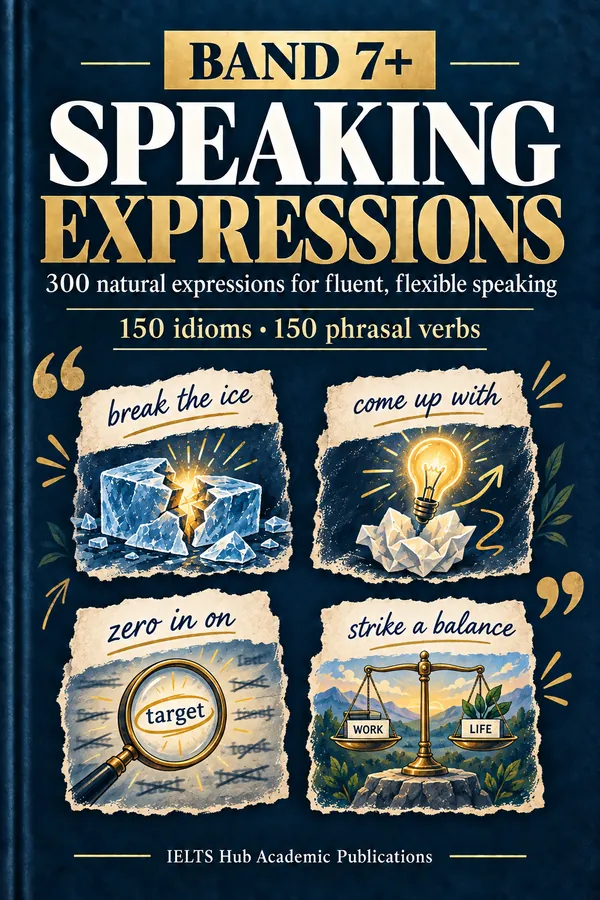
Speaking
Band 7+ Speaking Expressions
300 natural expressions for fluent, flexible speaking
₹199$6.99CAD 8.99AUD 9.99£4.99NZD 10.99€5.99AED 24SGD 8.99
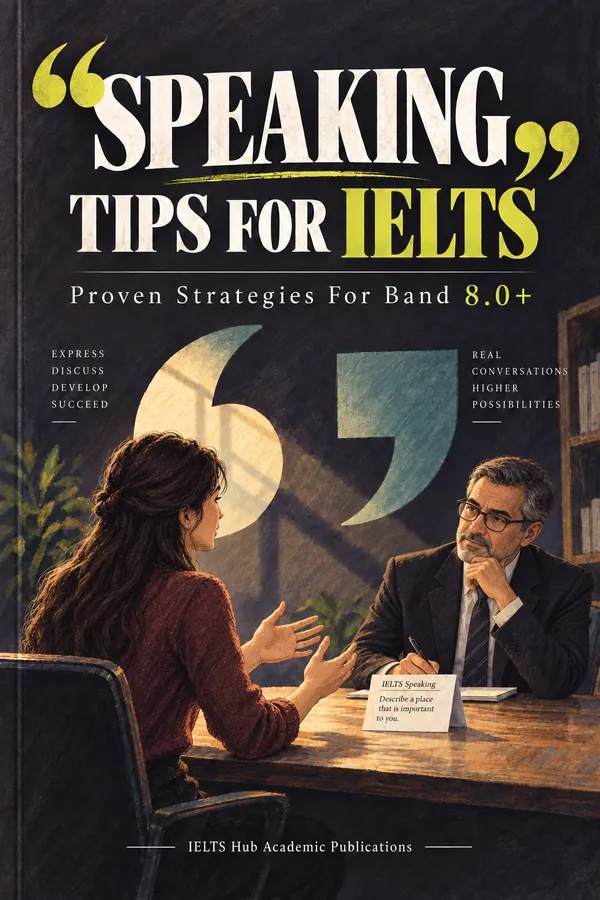
Speaking
Speaking Tips for IELTS
Proven Strategies for Band 8.0+
₹299$9.99CAD 13.99AUD 14.99£7.99NZD 16.99€8.99AED 39SGD 12.99
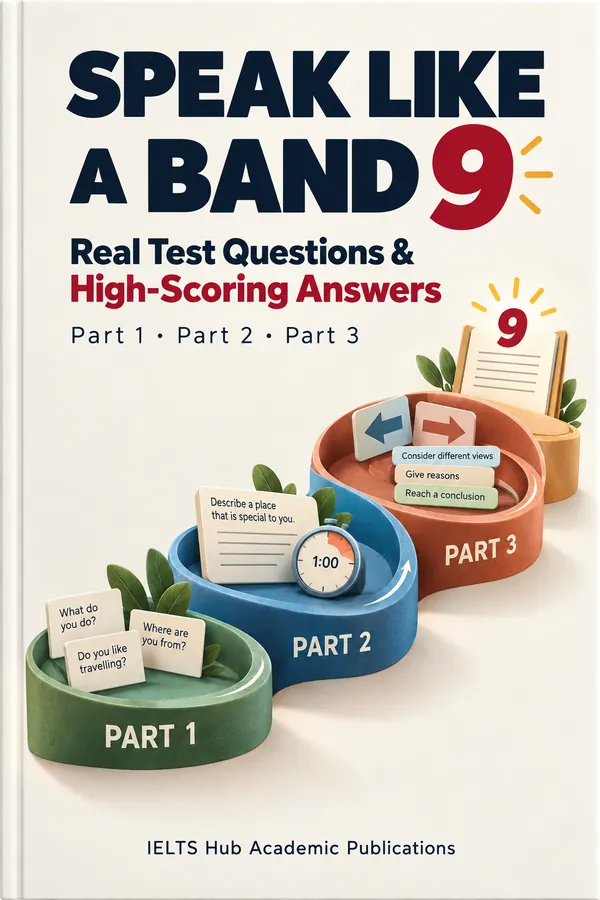
Speaking
Speak Like a Band 9
Real Test Questions & High-Scoring Answers
₹299$9.99CAD 13.99AUD 14.99£7.99NZD 16.99€8.99AED 39SGD 12.99