Speaking test #349
Part 1 · Interview
4 to 5 minutes. The examiner asks about you and familiar topics.
Can you tell me your full name?
Where are you from?
Do you work or are you a student?
Would you like to work as a volunteer?
I would definitely be interested in working as a volunteer. I believe that volunteering is a great way to give back to the community and make a positive impact on the lives of others. Additionally, it can also be a valuable personal development opportunity, as it allows me to gain new skills and experiences.
Have you ever done any voluntary work?
Yes, I have had the opportunity to participate in a number of volunteer projects over the years. For example, I have worked as a mentor for disadvantaged youth, helped to organize community events, and even spent some time working on conservation projects overseas. I find that volunteering is a very fulfilling experience, and I am always looking for new ways to get involved and make a difference.
Is volunteering worth the time it takes?
I would say that volunteering is definitely worth the time it takes. Not only do you have the opportunity to make a positive impact on the lives of others, but you also gain a sense of personal satisfaction and fulfillment. Additionally, volunteering can be a great way to gain new skills, meet new people, and even improve your CV or job prospects.
What could you do to help if you had no money?
If I had no money, there are still a number of things I could do to help others. For example, I could offer my time and skills as a volunteer, or even simply offer a listening ear or a helping hand to someone in need. I believe that there are many ways to make a difference in the world, and money is not always the most important factor.
Do you prefer studying/working in the morning or in the afternoon? [Why/ Why not?
?] I prefer studying in the morning because my brain is fresher and more alert at that time of day. I find that I am able to focus better and get more work done before lunchtime.
Do you prefer taking a longer or a short break? [Why/ Why not?
?] It really depends on what I am doing and how much energy I have. If I have been working on a particularly challenging task, I may prefer to take a longer break to give my brain a rest and come back to it with renewed energy. On the other hand, if I am in the flow and making good progress, I may prefer to take a short break to keep the momentum going.
What do you usually do during break? [Why/ Why not?
?] During my breaks, I usually like to do something active to help me recharge. This could be going for a walk, hitting the gym, or even just stretching and doing some light yoga. I find that moving my body helps me clear my mind and refocus on my work when I return.
Why is it important for people to take some time off? [Why/ Why not?
?] Taking time off is important for a number of reasons. First and foremost, it allows us to rest and recharge, which is essential for maintaining our physical and mental health. It also allows us to pursue our passions and interests, which can be incredibly fulfilling and help us feel more balanced and fulfilled in our lives. Additionally, taking time off can give us the opportunity to spend time with loved ones and build stronger relationships with those around us. Overall, taking time off is an important aspect of self-care and can have numerous benefits for our well-being.
You will have to talk about the topic for one to two minutes. You have one minute to think about what you are going to say. You can make some notes to help you if you wish.
Something you own which is very important to you
You should say:
- What is it
- When did you get it
- How do you use it
- Why is it important to you
What is it
The possession that holds immense importance in my life is a traditional gold necklace that has been passed down through generations in my family. This exquisite piece of jewelry was gifted to me by my grandmother on my eighteenth birthday, a significant milestone in my culture symbolizing coming of age and responsibilities. The necklace comprises intricate designs and is adorned with precious gemstones, making it a cherished heirloom.
When did you get it
I wear this necklace on special occasions such as weddings, festivals, and family gatherings. It is not just a piece of jewelry for me, but a connection to my roots, culture, and ancestors. Each time I wear it, I feel a sense of pride and belonging, as it represents the traditions and values that have been ingrained in me since childhood. Moreover, it serves as a conversation starter, allowing me to share stories about my family history and heritage with others.
How do you use it
The sentimental value attached to this necklace is what makes it irreplaceable to me. It is a tangible link to my past and a reminder of the love and sacrifices made by my ancestors. The emotional significance of this necklace transcends its material worth, as it embodies memories, traditions, and the unbreakable bond between generations. Owning and preserving this heirloom is a way for me to honor my family's legacy and pass on the values it represents to future generations.
Why is it important to you
In essence, this traditional gold necklace is not just a piece of jewelry but a symbol of my identity, heritage, and values. Its beauty and significance go beyond its physical appearance, making it an integral part of who I am. As I continue to cherish and preserve this precious heirloom, I am reminded of the rich history and traditions that have shaped me into the person I am today.
- Words
- 298
- Sentences
- 14
- Words per sentence
- 21.3
- Speaking time
- about 2.3 min
Counted at 130 words a minute. The exam gives you one to two minutes.
Part 3 · Discussion
4 to 5 minutes. The examiner asks broader questions linked to the cue card topic.
What are the differences in the things people value in different cultures?
That's a fascinating question! The cultural significance of possessions can vary immensely from one society to another. For instance, in many Western cultures, individuals might place great value on material items like cars or electronics, seeing them as symbols of status and personal achievement. In contrast, in some Eastern cultures, possessions such as family heirlooms or traditional artifacts are often cherished for their historical value and the connections they represent to one’s ancestry. This difference highlights how possessions can be intertwined with cultural identity, reflecting not just personal preferences, but also the values and traditions that shape a community's worldview. Ultimately, it’s intriguing to see how what we hold dear can tell us so much about who we are and where we come from!
Some people think that physical things are very important, while others do not. What do you think about this idea?
I think it's a fascinating topic! On one hand, many people attach a great deal of significance to material objects because they often represent memories, achievements, or even social status. For instance, a family heirloom can evoke a sense of nostalgia and connection to one’s roots, making it invaluable beyond its monetary worth. On the other hand, there are individuals who prioritize experiences over possessions, believing that true happiness comes from meaningful experiences rather than material wealth. Ultimately, I believe it’s a personal choice, and both perspectives have their own merits, highlighting the diversity in human values and what we cherish in life.
How important do you believe it is for people to have things they see as key to who they are?
I believe it’s absolutely essential for individuals to possess items that they consider integral to their identity. These items often serve as tangible representations of our values, experiences, and even our heritage. For instance, a family heirloom can evoke a sense of nostalgia and connection to one’s roots, while personal artifacts like a favorite book or piece of art can reflect our core beliefs and passions. Having these items not only helps us to maintain a sense of self-awareness but also fosters a deeper connection with others who share similar values. Ultimately, they can act as anchors in our lives, reminding us of who we are and where we come from.
Why do some things make us feel more attached than others?
That's a fascinating question! I believe certain belongings evoke stronger emotional attachments because they often carry significant memories or experiences. For instance, a family heirloom, like a grandmother's necklace, can represent deep familial bonds and remind us of cherished moments spent together. Additionally, items that are linked to pivotal life events—like a graduation cap or a wedding dress—can serve as tangible reminders of those important milestones, making them emotionally resonant. Ultimately, it's the stories and memories we associate with these belongings that amplify their sentimental value.
How might the way people appreciate their belongings change in the future?
That's a fascinating question! As we move towards a more digital and sustainable future, I believe people will start to place greater emphasis on the intrinsic value of their possessions rather than just their monetary worth. With the rise of minimalism and environmental awareness, individuals may lean towards owning fewer, but more meaningful items that tell a story or have personal significance. Additionally, advancements in technology could lead to a shift where experiences are valued more than physical goods, making people more inclined to invest in experiential possessions, like travel or education. Overall, I think this shift will encourage a more thoughtful approach to consumerism and a deeper appreciation for what we truly cherish.
What can people do to value their things without getting too attached to them?
To strike a balance between appreciating our belongings and avoiding excessive attachment, individuals can take several thoughtful steps. Firstly, practicing mindful consumption is crucial; this means being intentional about the items we acquire and considering their true value in our lives. Additionally, regularly decluttering our spaces can help us reflect on what truly matters, allowing us to cherish those possessions without feeling overwhelmed. Another effective technique is to create sentimental value through experiences rather than material items—like capturing memories through photographs or journaling about moments associated with our belongings. Ultimately, fostering a sense of gratitude for what we have, while recognizing that happiness doesn’t stem solely from possessions, can lead to a healthier relationship with our belongings.
Go further with the books
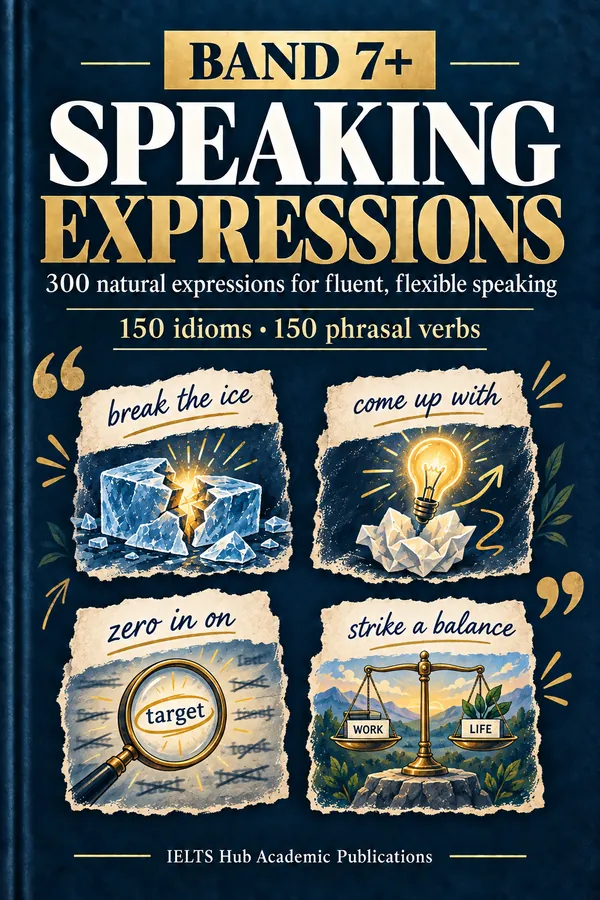
Speaking
Band 7+ Speaking Expressions
300 natural expressions for fluent, flexible speaking
₹199$6.99CAD 8.99AUD 9.99£4.99NZD 10.99€5.99AED 24SGD 8.99
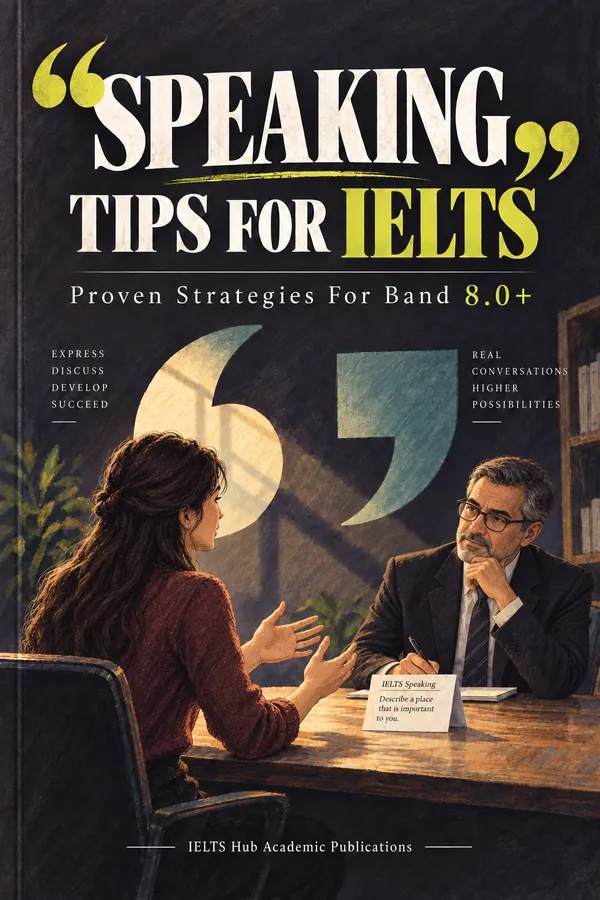
Speaking
Speaking Tips for IELTS
Proven Strategies for Band 8.0+
₹299$9.99CAD 13.99AUD 14.99£7.99NZD 16.99€8.99AED 39SGD 12.99
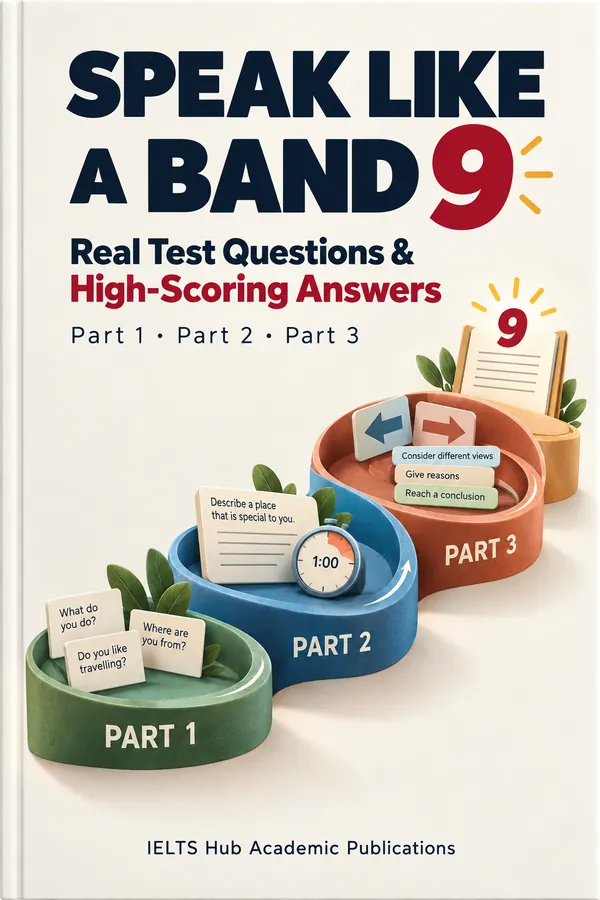
Speaking
Speak Like a Band 9
Real Test Questions & High-Scoring Answers
₹299$9.99CAD 13.99AUD 14.99£7.99NZD 16.99€8.99AED 39SGD 12.99