Speaking test #356
Part 1 · Interview
4 to 5 minutes. The examiner asks about you and familiar topics.
Can you tell me your full name?
Where are you from?
Do you work or are you a student?
Do you like sweets? [Why/ Why not?
?] I absolutely adore sweets! There's just something so satisfying about indulging in a tasty treat every now and then. Plus, they make me feel happy and bring back fond memories of my childhood.
Have you made desserts or cakes before? [Why/ Why not?
?] Yes, I have definitely dabbled in the world of desserts and cakes before. I find the process of creating something sweet and delicious to be incredibly therapeutic and relaxing. Plus, it's always a treat to be able to share my creations with others and see the joy it brings them.
Do people usually have desserts after dinner? [Why/ Why not?
?] It really depends on the culture and personal preferences of the individuals involved. In some cases, it's a common practice to have a small dessert after a meal to round out the dining experience. However, others may opt for a more savory option or simply skip dessert altogether.
Are desserts considered healthy in your country (India)? [Why/ Why not?
?] It's a bit of a mixed bag when it comes to the perception of desserts in India. While some people may view them as an indulgence that should be enjoyed in moderation, others may not consider them to be particularly healthy due to their high sugar and calorie content. That being said, there are certainly healthier options available, such as fruit-based desserts or those made with natural sweeteners.
Do you like to travel by car?
Absolutely! There's just something about the freedom and flexibility of being able to drive yourself that I really enjoy. Plus, it's a great way to see more of a place and discover hidden gems you might not have found otherwise.
When do you travel by car?
I tend to travel by car most often when I'm going on longer road trips or when I'm visiting a place that doesn't have great public transportation. It's just easier to have your own vehicle and not have to rely on buses or trains to get around.
Where is the farthest place you have travelled to by car?
I've been lucky enough to take a few really long road trips in my life, but the farthest I've ever driven is probably from the East Coast of the United States all the way to the West Coast. It was an amazing journey and I saw so much of the country that I never would have seen otherwise.
Do you like to sit in the front or back when travelling by car?
It really depends on the situation. If I'm driving, I obviously prefer to sit in the front. But if I'm a passenger and there's someone else driving, I'm happy to sit in the back. It's just nice to have the option to stretch out and relax a little bit when you're on a long road trip.
You will have to talk about the topic for one to two minutes. You have one minute to think about what you are going to say. You can make some notes to help you if you wish.
Describe a gift that you gave to someone recently
You should say:
- Who you gave the gift to
- What the gift was
- Why you chose that particular gift
- How the person reacted to the gift
Who you gave the gift to
Recently, I had the pleasure of giving a thoughtful gift to my best friend on her birthday. The gift I chose for her was a personalized photo album filled with our memorable moments captured over the years. I decided on this particular gift as I wanted to create something unique and sentimental that would remind her of our cherished friendship.
What the gift was
I chose to gift her the photo album because I believe that photographs have a way of capturing special moments that words sometimes fail to express. By compiling our precious memories in a tangible form, I aimed to evoke nostalgia and celebrate the bond we share. Moreover, I wanted to show my friend how much I value our friendship and the unforgettable experiences we have shared together.
Why you chose that particular gift
When I presented the gift to my friend, her reaction was truly heartwarming. As she flipped through the pages of the photo album, her face lit up with joy and she was visibly moved by the effort and thoughtfulness put into the gift. She expressed her gratitude and shared how much the gift meant to her, emphasizing how she would cherish it for years to come. Seeing her touched by the gesture filled me with happiness and reinforced the importance of meaningful gifts in fostering relationships.
How the person reacted to the gift
In conclusion, giving my best friend the personalized photo album was a gratifying experience that deepened our bond and created lasting memories. The gift served as a token of our friendship and encapsulated the love and camaraderie we share. Witnessing her genuine reaction and appreciation reinforced the significance of thoughtful gestures in strengthening relationships and making moments unforgettable.
- Words
- 271
- Sentences
- 13
- Words per sentence
- 20.8
- Speaking time
- about 2.1 min
Counted at 130 words a minute. The exam gives you one to two minutes.
Part 3 · Discussion
4 to 5 minutes. The examiner asks broader questions linked to the cue card topic.
How do the kinds of gifts people give change in different cultures?
That’s a fascinating question! The types of gifts people give can vary dramatically across cultures, reflecting their unique traditions and values. For instance, in many Asian cultures, giving gifts is often tied to the concept of respect and social harmony, so items like fruit or tea are common, as they symbolize good fortune and well-being. In contrast, Western cultures might lean towards more personal or extravagant gifts, such as gadgets or jewelry, which often express individual sentiment or appreciation. Additionally, the timing of gift-giving can also differ; for example, in some cultures, gifts are exchanged during specific festivals or rites of passage, while in others, they might be given spontaneously to strengthen relationships. Ultimately, these variations highlight how cultural nuances shape our interactions and the meanings we attach to gifts.
Some people think that giving gifts is important in relationships, while others have a different view. What do you think about this?
I think the significance of gift-giving in relationships really varies from person to person. For many, it’s a way to express feelings and strengthen bonds, showing that you care and appreciate someone. However, I also understand that not everyone places the same value on material gifts. For some, meaningful gestures or spending quality time together can be far more impactful than a physical present. Ultimately, I believe it’s the thought and intention behind the gesture that truly matters, rather than the gift itself.
How do gifts help create and keep friendships?
Gifts play a crucial role in building and maintaining social connections, as they often serve as tangible expressions of affection and appreciation. When we give gifts, it’s not just about the item itself; it’s about the thought and effort behind it, which can significantly strengthen relationships. For instance, a well-chosen gift can foster deeper bonds and create lasting memories between friends and family. Moreover, in many cultures, gift-giving is a tradition that helps to , making it a meaningful practice that transcends mere materialism. Ultimately, the act of giving and receiving gifts can create a sense of belonging and connectedness, which is vital for maintaining healthy relationships.
Why do you think people usually feel they have to give costly gifts?
People often feel pressured to give expensive gifts due to societal expectations and the influence of consumer culture. In many cultures, gifting is seen as a reflection of one's financial status or social standing, which can create a sense of obligation to spend more than one might be comfortable with. Additionally, social media plays a significant role; people often showcase their extravagant gifts online, leading others to feel they must keep up with these extravagant displays of generosity. Ultimately, the pressure to impress others can overshadow the true essence of gifting, which should be about thoughtfulness and connection rather than the price tag.
How could the importance of giving gifts change in the future as society develops?
The significance of gift-giving is likely to evolve as our society becomes increasingly digitized and interconnected. With the rise of online shopping and social media, the way we choose and present gifts may shift dramatically. For instance, people might prioritize personalized gifts that reflect the recipient's interests, thanks to the wealth of data available online. Additionally, as sustainability becomes a pressing concern, we might see a trend toward eco-friendly gifts or experiences rather than material items. Ultimately, while the essence of gift-giving—expressing love and appreciation—will remain, the methods and meanings behind it could transform significantly in response to cultural and technological changes.
How can people make giving gifts feel more special and personal?
To make gift-giving more meaningful and personal, individuals can start by considering the recipient’s interests and passions. Instead of opting for generic presents, they could create something tailored specifically to that person, like a handmade gift or a customized item that reflects their personality. Another effective approach is to include a heartfelt note or a personal message that expresses genuine feelings or shared memories, which adds an emotional touch to the gift. Additionally, experiences can be incredibly valuable; gifting an experience, like tickets to a concert or a cooking class, allows for shared moments that can be cherished forever. Ultimately, it’s the thought and effort behind the gift that truly make it special.
Go further with the books
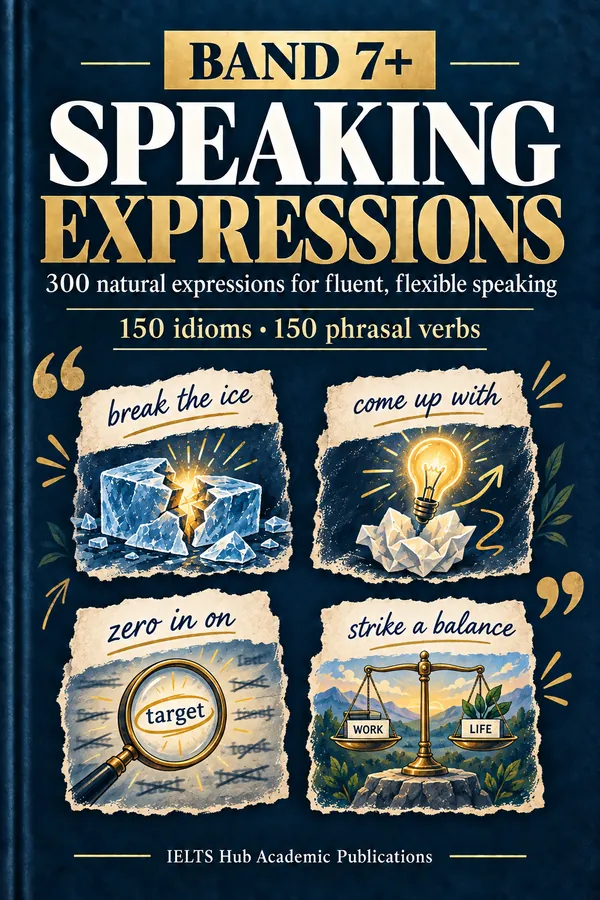
Speaking
Band 7+ Speaking Expressions
300 natural expressions for fluent, flexible speaking
₹199$6.99CAD 8.99AUD 9.99£4.99NZD 10.99€5.99AED 24SGD 8.99
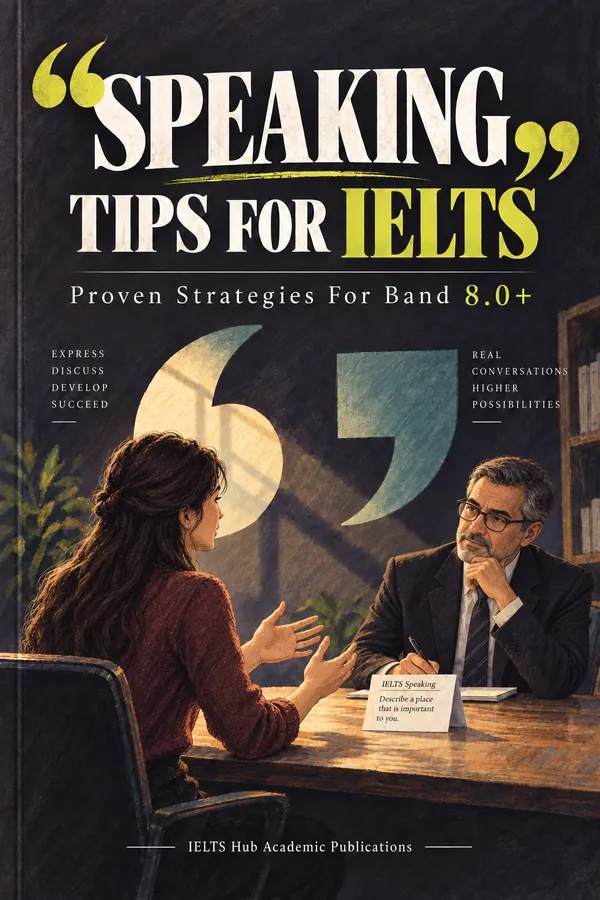
Speaking
Speaking Tips for IELTS
Proven Strategies for Band 8.0+
₹299$9.99CAD 13.99AUD 14.99£7.99NZD 16.99€8.99AED 39SGD 12.99
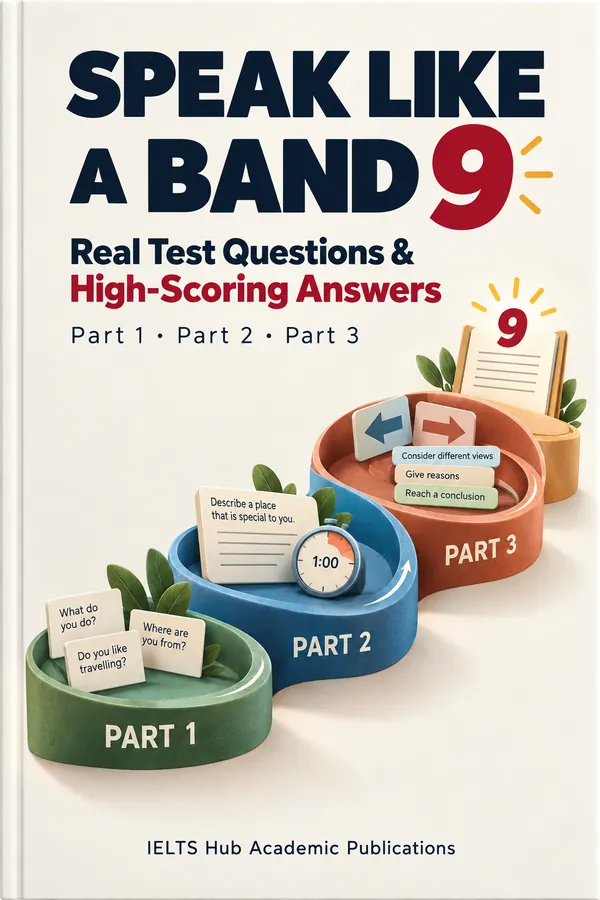
Speaking
Speak Like a Band 9
Real Test Questions & High-Scoring Answers
₹299$9.99CAD 13.99AUD 14.99£7.99NZD 16.99€8.99AED 39SGD 12.99