Speaking test #383
Part 1 · Interview
4 to 5 minutes. The examiner asks about you and familiar topics.
Can you tell me your full name?
Where are you from?
Do you work or are you a student?
What's your favourite hairstyle?
My favourite hairstyle would have to be a sleek and polished look. I like to keep my hair well-groomed and styled in a classic way.
How often do you have your hair cut?
I try to get my hair cut every 6-8 weeks, as I find that this helps keep it looking healthy and well-maintained.
How much do you usually spend on your hair?
I usually spend around $50 to $71 on a haircut, depending on where I go. I also like to invest in good hair care products to keep my hair looking its best, so I spend a bit more on those.
Do you often change your hairstyle?
I don't tend to change my hairstyle very often, as I like to keep it fairly consistent. However, I do occasionally experiment with different looks or trims to change things up a bit.
You will have to talk about the topic for one to two minutes. You have one minute to think about what you are going to say. You can make some notes to help you if you wish.
Describe a festival that is important in your country
You should say:
- What is the festival
- When and where it takes place
- How people celebrate it
- Why it is important in your country
What is the festival
India, a land known for its vibrant culture and rich traditions, celebrates numerous festivals throughout the year. One of the most significant festivals in India is Diwali, also known as the Festival of Lights. Diwali is a five-day festival that usually falls in October or November and is celebrated across the country with great enthusiasm.
When and where it takes place
During Diwali, streets, homes, and temples are adorned with colorful lights and intricate decorations. People clean and decorate their houses, light oil lamps known as diyas, and burst fireworks to mark the victory of light over darkness. Families come together to perform traditional rituals, exchange gifts, and share delicious sweets and snacks.
How people celebrate it
Diwali holds immense importance in India for several reasons. Firstly, it symbolizes the triumph of good over evil and light over darkness, based on ancient mythological tales. Additionally, it is a time for families to bond, strengthen relationships, and seek blessings for prosperity and happiness. The festival also holds economic significance as it is considered an auspicious time for shopping and business activities.
Why it is important in your country
In conclusion, Diwali is a festival deeply rooted in Indian culture and traditions, celebrated with great zeal and fervor across the country. Its significance goes beyond just religious beliefs, encompassing social, cultural, and economic aspects that make it a truly special and important festival in India.
- Words
- 216
- Sentences
- 12
- Words per sentence
- 18.0
- Speaking time
- about 1.7 min
Counted at 130 words a minute. The exam gives you one to two minutes.
Part 3 · Discussion
4 to 5 minutes. The examiner asks broader questions linked to the cue card topic.
How are the celebrations of this festival different in different parts of your country?
The celebrations of this festival can vary significantly across different regions of my country, each bringing its own unique flavor to the occasion. For instance, in the northern regions, the festivities often feature elaborate parades and vibrant street performances that showcase local traditions and culture. In contrast, the southern areas tend to focus on family gatherings and culinary delights, with each household preparing special dishes that reflect their heritage. Additionally, some regions incorporate local religious practices, which can add a spiritual dimension to the celebrations that is truly fascinating. Overall, these regional differences not only highlight the cultural diversity within my country but also enhance the richness of the festival itself.
How much do you think festivals help shape a country's identity?
Festivals play a significant role in shaping and expressing national identity. They serve as a vibrant celebration of culture, allowing people to connect with their heritage and traditions. For instance, events like the Diwali in India or the Carnival in Brazil not only showcase local customs but also foster a sense of pride and belonging among the participants. Moreover, festivals often attract tourists, which can lead to a greater appreciation of a country's unique identity on a global scale. In this way, festivals not only reinforce community bonds but also help to communicate what makes a nation distinct in the broader tapestry of world cultures.
How do festivals help in celebrating cultural heritage and traditions?
Festivals play a pivotal role in promoting cultural heritage and traditions, acting as vibrant showcases of a community's values and history. They provide a platform for people to come together, fostering a sense of belonging and shared identity, which is crucial in our increasingly globalized world. Through traditional music, dance, and cuisine showcased at these events, younger generations can immerse themselves in their cultural roots, ensuring that these practices are not lost over time. Moreover, festivals often attract tourists, which not only boosts the local economy but also encourages cultural exchange and understanding. In essence, they serve as living museums where traditions are celebrated and passed down, making them invaluable to cultural preservation.
Why do you think people want to join in festivals?
People are often drawn to participate in festivals because they offer a unique opportunity for cultural immersion and community engagement. Festivals allow individuals to celebrate their heritage, connect with others, and create memorable experiences. The vibrant atmosphere, filled with music, food, and art, serves as a fantastic backdrop for socializing and forming new friendships. Additionally, many people find joy in the shared excitement and the sense of belonging that comes from coming together to celebrate common values. Ultimately, these events provide a much-needed escape from the daily grind, bringing a splash of joy and festivity into our lives!
How might the way we celebrate festivals change in the future?
In the future, I believe we might see a significant evolution in how festivals are celebrated, primarily driven by technology and globalization. For instance, virtual reality could enable people to experience festivals from around the world without having to travel, making it possible for anyone to participate in events like Rio's Carnival or Diwali from the comfort of their home. Additionally, as societies become more multicultural, festivals may blend traditions and customs, creating unique celebrations that reflect a more globalized culture. I also think sustainability will play a crucial role, with more festivals adopting eco-friendly practices to reduce their environmental impact. Ultimately, these changes could make festivals more inclusive and accessible to a wider audience, enhancing the sense of community and shared experience.
How can communities make festivals better for both residents and visitors?
Communities have a fantastic opportunity to enhance the experience of festivals by creating an inclusive atmosphere that caters to both locals and tourists. For instance, they could organize workshops that showcase traditional crafts or local cuisine, allowing visitors to engage directly with the culture and learn something new. Additionally, promoting local artists through performances or exhibitions can foster a sense of pride among residents while providing tourists with a genuine taste of the area's creative spirit. By ensuring that festivals are well-publicized and accessible, communities can encourage wider participation, which ultimately enriches the overall experience. It’s all about creating a vibrant, immersive environment where everyone feels connected and valued!
Go further with the books
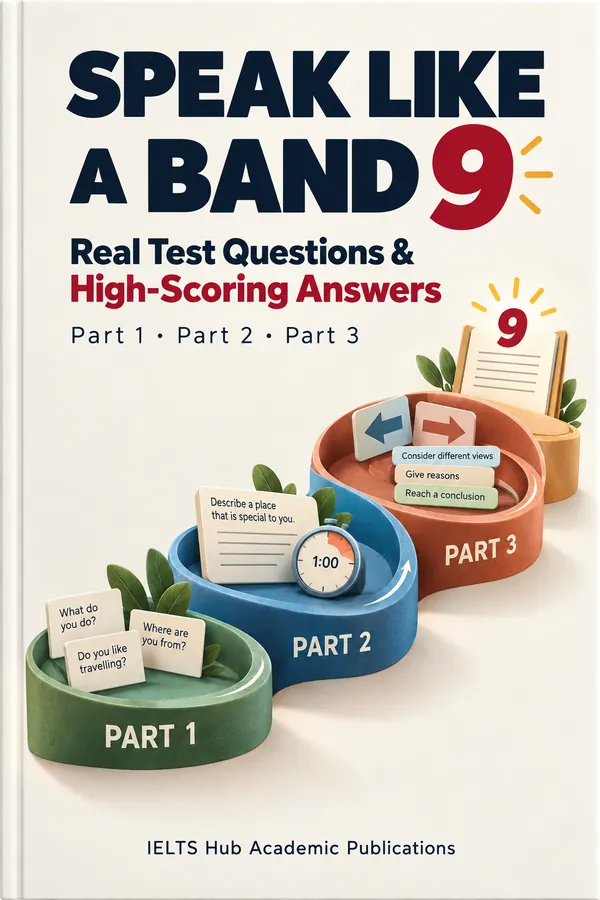
Speaking
Speak Like a Band 9
Real Test Questions & High-Scoring Answers
₹299$9.99CAD 13.99AUD 14.99£7.99NZD 16.99€8.99AED 39SGD 12.99
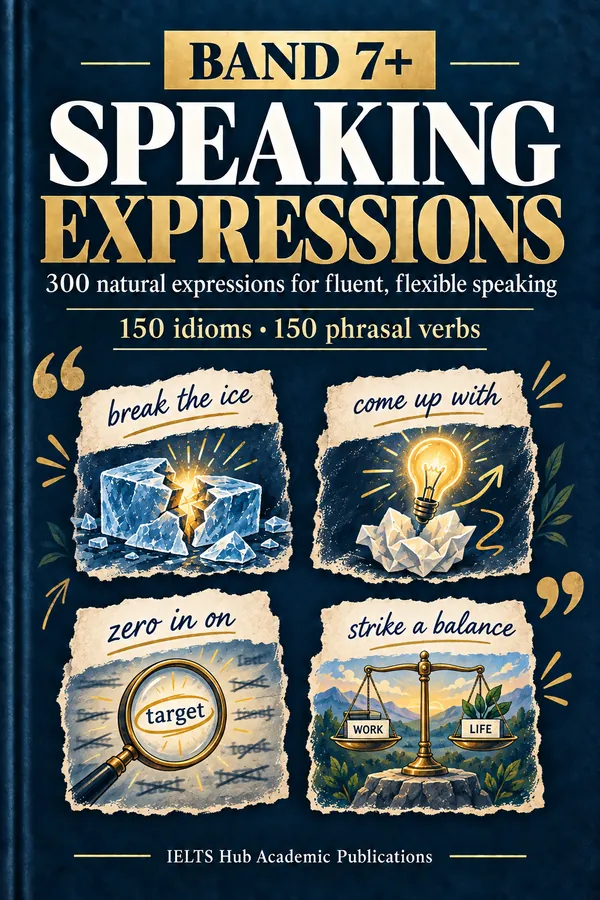
Speaking
Band 7+ Speaking Expressions
300 natural expressions for fluent, flexible speaking
₹199$6.99CAD 8.99AUD 9.99£4.99NZD 10.99€5.99AED 24SGD 8.99
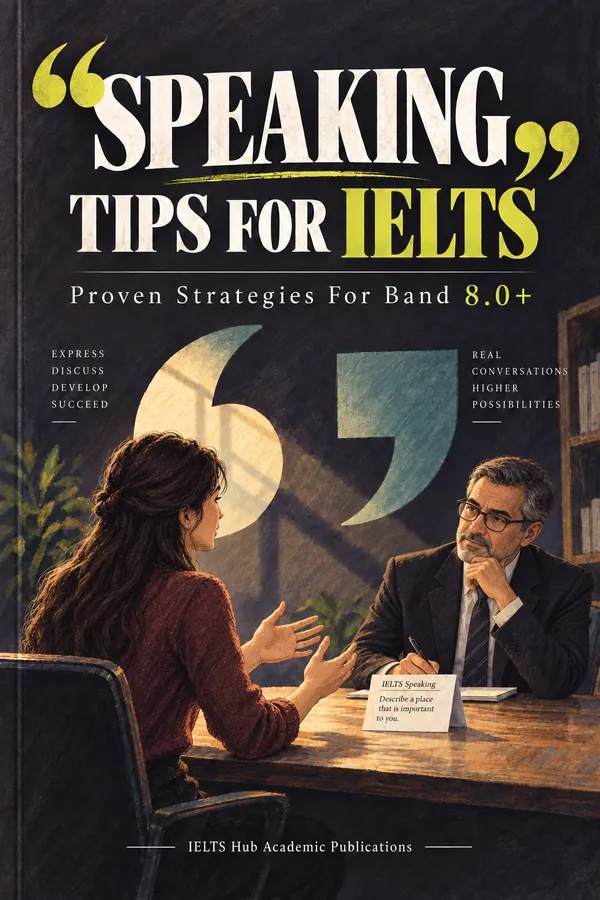
Speaking
Speaking Tips for IELTS
Proven Strategies for Band 8.0+
₹299$9.99CAD 13.99AUD 14.99£7.99NZD 16.99€8.99AED 39SGD 12.99