Speaking test #392
Part 1 · Interview
4 to 5 minutes. The examiner asks about you and familiar topics.
Can you tell me your full name?
Where are you from?
Do you work or are you a student?
Do you like to wear jeans?
I absolutely adore wearing jeans. They are comfortable, versatile, and timeless. I find them to be a perfect choice for any occasion, whether it's a casual day out or a more formal event. They are simply a staple in my wardrobe.
Did you ever wear jeans at school?
Yes, I did wear jeans at school. I remember my school had a relaxed dress code and jeans were allowed. I would often wear them on casual days or when I knew I would be doing a lot of physical activity. They were always my go-to choice as they were comfortable and practical.
Why are jeans famous all around the world?
Jeans are famous all around the world because they are a timeless and versatile piece of clothing. They are suitable for all ages, genders, and occasions, making them a popular choice for people everywhere. Additionally, their durability and ruggedness make them perfect for everyday wear, making them a practical choice for many people.
Would you buy an expensive pair of jeans?
I would certainly consider buying an expensive pair of jeans if I felt that they were worth the investment. I believe that quality is more important than price, so if an expensive pair of jeans was made from high-quality materials and was well-crafted, I would definitely consider buying them. I also think that investing in a high-quality pair of jeans would be more cost-effective in the long run as they would last longer.
How often do you wear jewellery? [Why/Why not?
?] I wear jewellery quite often, as I find it to be a great way to add a touch of elegance and style to any outfit. I particularly enjoy wearing statement pieces, such as a bold necklace or a pair of statement earrings, as they can really help to make an outfit stand out. However, I also appreciate the simplicity of a delicate pendant or a pair of simple stud earrings, as they can add a touch of elegance without being too overpowering.
What type of jewellery do you like best? [Why/Why not?
?] Personally, I have a strong preference for gold jewellery. I find that the warmth and richness of the metal complements my skin tone very well, and I enjoy the way that it can add a touch of luxury to any outfit. Additionally, I find that gold jewellery is often very versatile and can be worn with a wide range of different styles and colours.
When do people like to give jewellery in your country [Why?
?] In my country, people tend to give jewellery as gifts for special occasions such as birthdays, anniversaries, and weddings. I think that this is because jewellery is often seen as a symbol of love and commitment, and as such is a perfect gift to mark a special occasion. Additionally, many people also like to give jewellery as a way to commemorate important life milestones, such as a graduation or a new job.
Have you ever given jewellery to someone as a gift? [Why/Why not?
?] Yes, I have given jewellery as a gift to several people in my life. I find that jewellery is a very personal and meaningful gift, as it can be worn and treasured for years to come. Additionally, I like to give jewellery as a gift because it allows me to express my feelings and show someone how much I care about them. For example, I have given my mother a beautiful gold necklace as a gift for her birthday and I gave my wife a diamond ring as a gift for our anniversary. I always feel that these gifts were very special for them as well as for me.
You will have to talk about the topic for one to two minutes. You have one minute to think about what you are going to say. You can make some notes to help you if you wish.
Describe a stressful day at school/ university/ work
You should say:
- What caused the stress
- How you managed the stress
- The impact of the stress on your day
- What you learned from the experience
What caused the stress
In the hustle and bustle of my university life, I encountered a particularly stressful day during my final semester. The main cause of this stress was the overwhelming pressure of deadlines for multiple assignments and projects, coupled with upcoming exams. The sheer volume of work and the limited time available left me feeling anxious and overwhelmed, unsure of how to manage everything effectively.
How you managed the stress
To manage the stress, I decided to prioritize my tasks based on their deadlines and importance. I created a detailed schedule, allocating specific time slots for each assignment and study session. Additionally, I sought help from my professors and classmates whenever I faced challenges with certain topics or tasks. Taking short breaks in between study sessions also helped me recharge and maintain focus.
The impact of the stress on your day
The impact of this stress on my day was profound. I found myself struggling to concentrate, experiencing moments of self-doubt and worry about whether I could meet all the requirements on time. Despite my best efforts to stay organized, there were moments of frustration and exhaustion that made the day feel never-ending.
What you learned from the experience
From this experience, I learned the importance of effective time management, delegation, and seeking support when needed. I realized that it is crucial to break down tasks into smaller, manageable steps to prevent feeling overwhelmed. This stressful day taught me valuable lessons in resilience and adaptability, preparing me to handle similar challenges in the future with a more composed and strategic approach.
- Words
- 240
- Sentences
- 13
- Words per sentence
- 18.5
- Speaking time
- about 1.8 min
Counted at 130 words a minute. The exam gives you one to two minutes.
Part 3 · Discussion
4 to 5 minutes. The examiner asks broader questions linked to the cue card topic.
How do the stress levels of students compare to those of working professionals?
That's a fascinating question! I think the levels of stress experienced by students and professionals can vary quite significantly due to the different pressures they face. For students, stress often stems from academic performance, deadlines, and the need to balance studies with social life. They are constantly trying to prove themselves, which can lead to feelings of anxiety, especially during exam periods. On the other hand, professionals deal with stress that is often related to job security, meeting workplace expectations, and navigating interpersonal dynamics with colleagues. Their stress can be compounded by responsibilities like managing a team or meeting client demands. While both groups experience stress, the sources and implications of that stress can be quite distinct, making it essential to address their needs in different ways.
A lot of people think stress can help or hurt how well we perform. What do you think about this?
Absolutely, I think stress is quite a double-edged sword when it comes to performance. On one hand, a certain level of stress can actually act as a motivating factor, pushing individuals to meet deadlines or excel in competitive environments. This kind of stress can enhance focus and drive, leading to improved productivity. On the other hand, excessive stress can be crippling, resulting in burnout and a decline in overall performance. It’s fascinating how finding the right balance can turn stress into a powerful tool for success rather than a hindrance!
How important do you think it is for schools to help students manage stress?
I believe it’s incredibly significant for educational institutions to address stress management among students. The pressures of academic life can be overwhelming, and if schools and universities don’t provide adequate support, it can lead to serious mental health issues. By teaching students effective stress management techniques, educational institutions can foster a more balanced and productive learning environment. Moreover, when students learn to cope with stress early on, they develop resilience that will benefit them throughout their lives. Ultimately, integrating stress management into the curriculum not only enhances students' well-being but also promotes a culture of mental health awareness within the institution.
Why do you believe some people deal with stress better than others?
That's a fascinating question! I believe that the way individuals respond to stress can often be attributed to a combination of emotional intelligence and personal experiences. Some people have developed strong coping mechanisms over time, perhaps through facing adversity or learning from past challenges. Additionally, a supportive environment can play a significant role; those with a solid support network tend to navigate stress more effectively. Finally, personality traits such as resilience and optimism can greatly influence how one deals with pressure, allowing them to maintain a more positive outlook even in tough times.
How could stress in schools change in the future as society changes?
As society continues to evolve, I believe the experiences of stress in educational settings will undergo significant transformations. With the advent of technology, students may find themselves facing a different kind of pressure, particularly from the omnipresence of social media and the expectation to always be connected. However, on the flip side, these advancements could also lead to more flexible learning environments that tailor education to individual needs, potentially alleviating some sources of stress. Additionally, as mental health awareness grows, institutions might implement more proactive measures to support students, such as mindfulness programs and counseling services. In this way, while the nature of stress might change, there could be a greater emphasis on holistic well-being, preparing students to manage their pressures more effectively.
What steps can be taken to help people handle stress better in their everyday lives?
There are several effective measures that individuals can adopt to manage stress more effectively in their daily lives. Firstly, incorporating regular physical activity into one’s routine can work wonders; it not only helps release endorphins, those natural mood lifters, but also promotes better sleep and overall well-being. Additionally, practicing mindfulness and meditation can significantly enhance one’s ability to cope with stress by fostering a sense of inner peace and clarity. Another vital measure is establishing a strong support network, whether through friends, family, or community groups, as sharing experiences can alleviate feelings of isolation. Lastly, time management techniques, like setting realistic goals and prioritizing tasks, can help individuals feel more in control and less overwhelmed by their daily responsibilities. Embracing these strategies can lead to a more balanced and fulfilling life.
Go further with the books
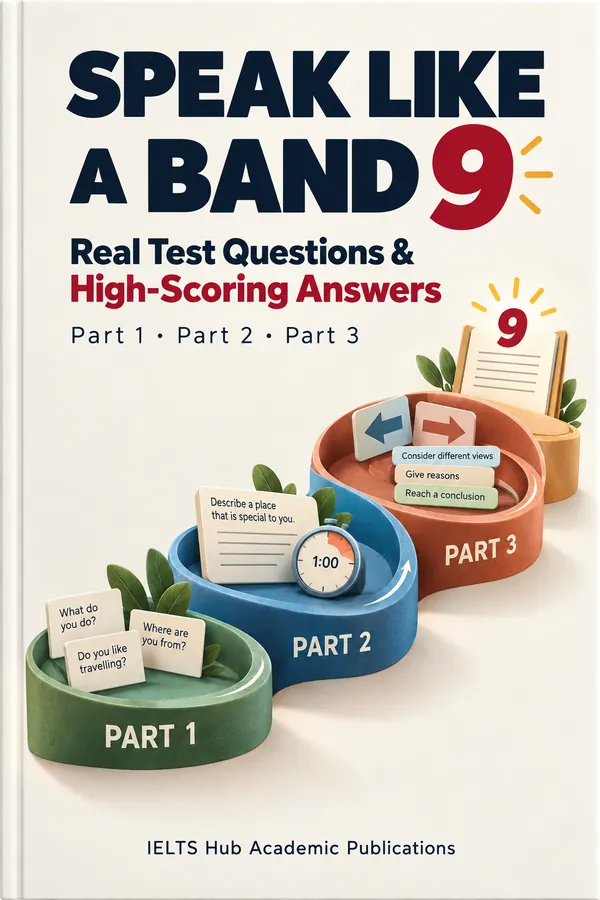
Speaking
Speak Like a Band 9
Real Test Questions & High-Scoring Answers
₹299$9.99CAD 13.99AUD 14.99£7.99NZD 16.99€8.99AED 39SGD 12.99

Speaking
Band 7+ Speaking Expressions
300 natural expressions for fluent, flexible speaking
₹199$6.99CAD 8.99AUD 9.99£4.99NZD 10.99€5.99AED 24SGD 8.99
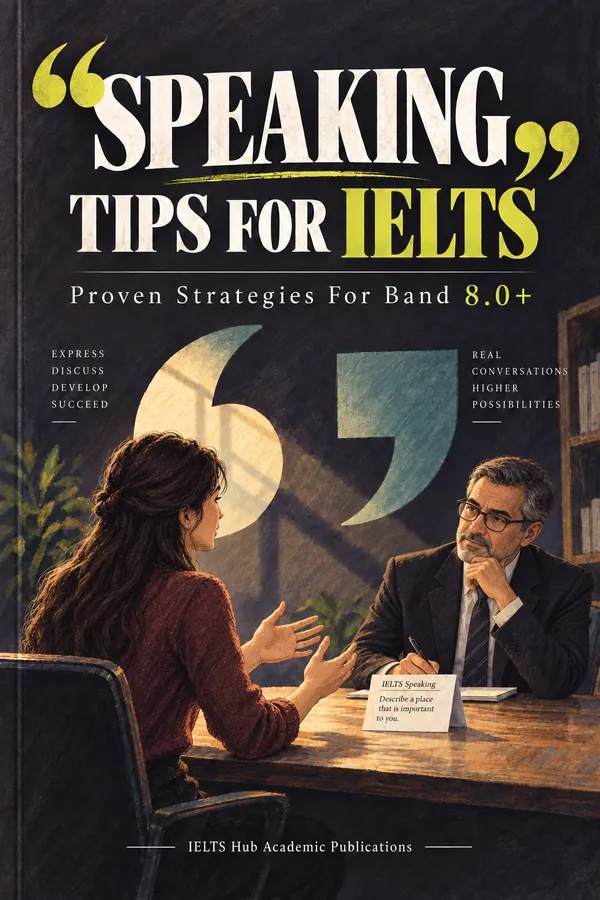
Speaking
Speaking Tips for IELTS
Proven Strategies for Band 8.0+
₹299$9.99CAD 13.99AUD 14.99£7.99NZD 16.99€8.99AED 39SGD 12.99