Speaking test #396
Part 1 · Interview
4 to 5 minutes. The examiner asks about you and familiar topics.
Can you tell me your full name?
Where are you from?
Do you work or are you a student?
Do you make a list when you shop?
Yes, I always make a list when I go shopping. I find it helps me to stay organized and ensures that I don't forget any important items that I need to buy.
Do you make a list for your work or study?
Yes, I do make a list for my work and study. I find that it helps me to stay focused and to prioritize tasks that need to be done. It also allows me to track my progress and stay on top of deadlines.
Why don’t some people like making lists?
I think some people may find making lists to be tedious or time-consuming. They may also feel that they have a good memory and don't need to rely on lists to keep track of things. Additionally, some people may find that they prefer to work in a more spontaneous and unstructured way, and the idea of having a list may feel restrictive to them.
Do you prefer to make a list on paper or your phone?
I prefer to make a list on my phone. I find it more convenient as I always have my phone with me and it is easy to access and update my lists wherever I am. However, I also like to have a physical copy of my list as a backup, just in case my phone runs out of battery or I don't have an internet connection.
What will you do if you find something lost by others?
If I find something that belongs to someone else, I would immediately try to find the rightful owner. I would check for any identification or contact information on the item and reach out to the person. If I am unable to find the owner, I would turn the item in to the authorities or a lost and found location.
Do you report to the police when finding something lost by others? Why?
Yes, I do report to the police when I find something lost by others. I believe it is important to return lost items to their rightful owners as soon as possible, and the police are often able to assist in that process. Additionally, if the item is of significant value or if there is personal information on it, it is important for the police to be aware of its discovery for security reasons.
Have you ever lost things?
Yes, I have lost things before. It is always frustrating and disappointing to lose something important, but it happens to everyone. I try to be vigilant and keep track of my belongings, but sometimes things slip through the cracks.
Will you post on social media if you lose your item?
Yes, I would post on social media if I lose an item. Social media is a great way to reach a large audience quickly and it is likely that someone may have seen the item or know where it is. Additionally, posting on social media can also help to get the word out to friends and family who may not have been in contact recently. It is always worth a try to get the item back.
You will have to talk about the topic for one to two minutes. You have one minute to think about what you are going to say. You can make some notes to help you if you wish.
Describe a sportsperson you like or admire
You should say:
- Who is the sportsperson
- What sport they excel in
- How they have inspired you
- Why you admire them
Who is the sportsperson
The sportsperson I truly admire is Sachin Tendulkar, often referred to as the "God of Cricket" in India. He is an iconic figure in the world of cricket and has left an indelible mark on the sport. Sachin excels in the sport of cricket and is widely regarded as one of the greatest batsmen in the history of the game. His records and achievements speak volumes about his talent and dedication to cricket.
What sport they excel in
Sachin Tendulkar has been a source of inspiration for me in many ways. His unwavering passion for the game, his relentless pursuit of excellence, and his humility despite achieving unparalleled success have motivated me to strive for greatness in whatever I do. Watching him play with such grace and skill has instilled in me the importance of hard work, perseverance, and staying grounded even in the face of success.
How they have inspired you
I admire Sachin not only for his cricketing prowess but also for his off-field persona. He is known for his philanthropic work, humility, and sportsmanship. Despite achieving legendary status, he remains humble and approachable, which is truly commendable. His dedication to the sport, his commitment to giving back to society, and his ability to handle fame with grace make him a role model for millions, including myself.
Why you admire them
In conclusion, Sachin Tendulkar is not just a cricketing legend but a symbol of perseverance, humility, and sportsmanship. His impact on the world of cricket and beyond is undeniable, and he continues to inspire generations with his deeds both on and off the field. Admiring Sachin has taught me valuable life lessons that I carry with me in my own pursuits, making him a true hero and role model in my eyes.
- Words
- 281
- Sentences
- 14
- Words per sentence
- 20.1
- Speaking time
- about 2.2 min
Counted at 130 words a minute. The exam gives you one to two minutes.
Part 3 · Discussion
4 to 5 minutes. The examiner asks broader questions linked to the cue card topic.
How does a sportsperson's impact change across different sports or activities?
The influence of a sportsperson can vary dramatically depending on the sport or discipline they are involved in. For instance, athletes in globally popular sports like football or basketball often have a massive following and can significantly impact culture and society. They often become role models for millions, not just through their athletic prowess but also through their philanthropic efforts and public personas. Conversely, athletes in niche sports, while perhaps highly respected within their specific communities, may not achieve the same level of mainstream recognition. However, they can still inspire and influence dedicated fans and aspiring athletes, especially if they excel in competitions or showcase their sport's value. Ultimately, the reach and impact of a sportsperson can hinge on both the sport's popularity and their personal brand.
Why do some people have good or bad feelings about certain athletes?
People's feelings towards athletes can be quite polarized, often influenced by a variety of factors. For some, an athlete's outstanding performance and dedication can evoke a sense of admiration and respect. Fans often celebrate their achievements and see them as role models, particularly if they demonstrate qualities like sportsmanship and perseverance. On the other hand, negative perceptions can arise from controversies, such as doping scandals or unsportsmanlike behavior. If an athlete behaves poorly off the field, it can really tarnish their reputation and lead to a backlash from fans, as people typically want to support those who embody integrity and fair play. Ultimately, the way athletes conduct themselves, both in and out of competition, plays a crucial role in shaping public opinion.
How do you think a sportsperson's achievements affect society?
The achievements of a sportsperson can have a profound impact on society in numerous ways. Firstly, they often serve as role models, inspiring young people to pursue their dreams and engage in sports, which can promote a healthier lifestyle. Additionally, their success can foster a sense of national pride, uniting communities and even entire countries during major events like the Olympics. Moreover, many athletes leverage their fame to raise awareness about important social issues, using their platforms to advocate for change. Ultimately, the influence of sportspersons extends beyond the field, contributing to cultural shifts and encouraging societal progress.
What makes some athletes more admired by people than others?
People are often drawn to specific athletes due to a combination of personal charisma, remarkable achievements, and the stories behind their journeys. For instance, athletes who have overcome significant challenges, such as injuries or personal hardships, tend to resonate deeply with fans, as their resilience embodies the spirit of perseverance. Additionally, the charismatic presence some athletes possess can create a strong connection with the audience, making them more relatable and inspiring. Furthermore, the way athletes engage with their fans, whether through social media or community initiatives, can significantly enhance their appeal. Ultimately, it’s a blend of skill, personality, and relatability that captures people’s admiration and loyalty.
How could a sportsperson's role change in the future with new technology and media?
The role of a sportsperson is likely to evolve significantly with the rapid pace of technological advancement and the expanding influence of media. For starters, athletes may increasingly become brand ambassadors, leveraging their social media platforms to engage with fans and promote products directly, which could enhance their commercial appeal. Moreover, advancements in virtual reality and augmented reality could create immersive experiences that allow fans to connect with their favorite athletes in unprecedented ways, potentially changing how sports are consumed and enjoyed. Additionally, with the rise of data analytics, sportspersons might find themselves more involved in their training regimens, utilizing sophisticated tools to analyze their performance and refine their techniques. This integration of technology could also lead to a greater emphasis on personal branding, as athletes strive to differentiate themselves in a crowded marketplace. Overall, the future holds exciting possibilities for sportspersons, as they navigate this dynamic landscape where technology and media intertwine.
What steps can be taken to make sure young athletes get the help they need to do well?
To ensure that young athletes receive the support they need to succeed, it's crucial to establish a comprehensive support system that encompasses both mental and physical aspects. First and foremost, access to quality coaching is essential; coaches should not only focus on skill development but also prioritize the well-being of their athletes. Additionally, implementing programs that educate parents about the demands and pressures of sports can foster a more supportive home environment. Moreover, schools and sports organizations should collaborate to provide mental health resources tailored specifically for young athletes, helping them navigate the challenges they face. Lastly, recognizing and rewarding their achievements, regardless of whether they win or lose, can significantly boost their confidence and motivation. By taking these measures, we can create a nurturing ecosystem that empowers young athletes to thrive both in their sport and in their personal lives.
Go further with the books
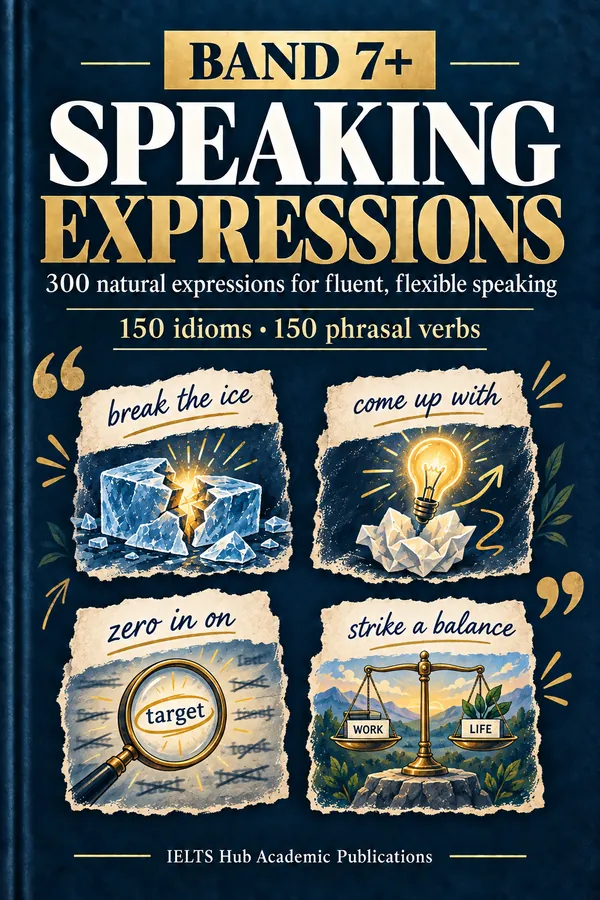
Speaking
Band 7+ Speaking Expressions
300 natural expressions for fluent, flexible speaking
₹199$6.99CAD 8.99AUD 9.99£4.99NZD 10.99€5.99AED 24SGD 8.99
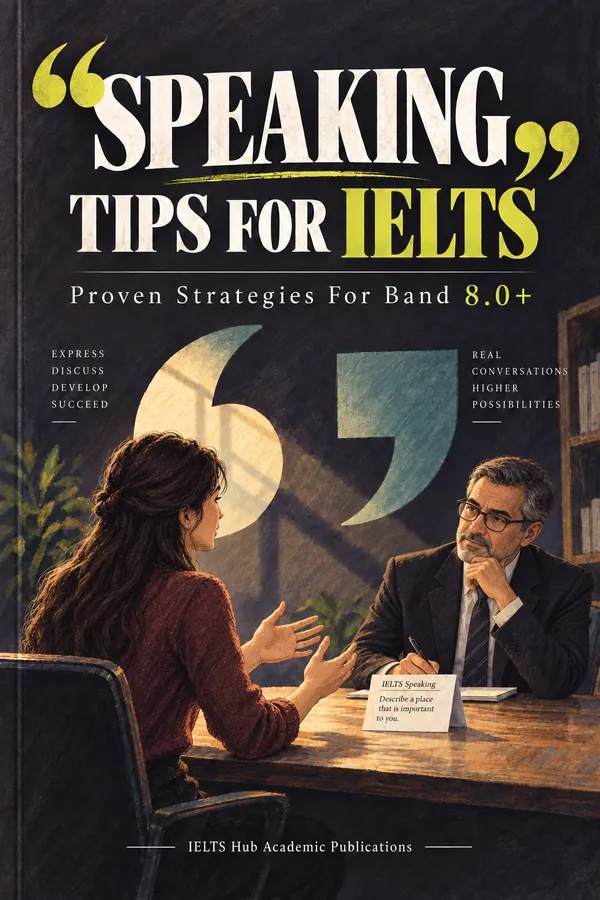
Speaking
Speaking Tips for IELTS
Proven Strategies for Band 8.0+
₹299$9.99CAD 13.99AUD 14.99£7.99NZD 16.99€8.99AED 39SGD 12.99
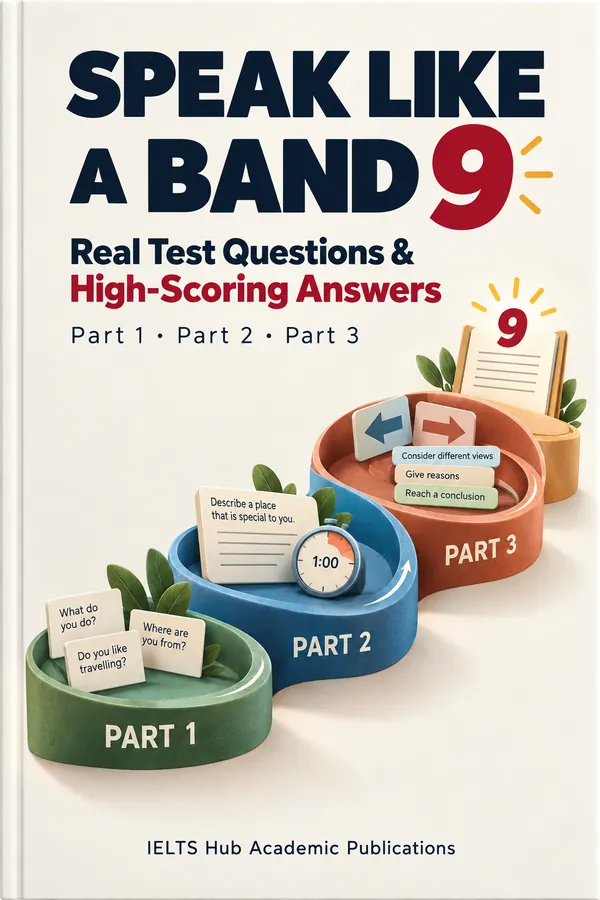
Speaking
Speak Like a Band 9
Real Test Questions & High-Scoring Answers
₹299$9.99CAD 13.99AUD 14.99£7.99NZD 16.99€8.99AED 39SGD 12.99