Speaking test #398
Part 1 · Interview
4 to 5 minutes. The examiner asks about you and familiar topics.
Can you tell me your full name?
Where are you from?
Do you work or are you a student?
At what age did you start studying mathematics?
I started studying mathematics when I was around six years old, in primary school.
Do you like mathematics? Why / why not?
I do enjoy mathematics, particularly the logical and analytical aspects of it. I find it satisfying to solve complex problems and to understand mathematical concepts. However, I also understand that it can be challenging for some people, so I appreciate that it might not be everyone's favorite subject.
Is it necessary for everyone to learn mathematics?
I believe that mathematics is an important subject for everyone to learn, regardless of their chosen career path. It is essential for developing problem-solving skills and logical thinking, which are valuable in many different fields. Additionally, it is essential for understanding the world around us, from basic concepts such as measurement and time to more advanced topics like statistics and physics.
Do you prefer to use a calculator when doing mathematics?
Personally, I prefer to use a calculator when doing mathematics. I find it helpful to use a calculator when working with large numbers or when solving complex equations. However, I also understand the importance of being able to do basic calculations mentally, so I try to practice both methods. Overall, I believe that a calculator can be a useful tool when working with mathematics, but it is important to understand the underlying concepts and principles.
You will have to talk about the topic for one to two minutes. You have one minute to think about what you are going to say. You can make some notes to help you if you wish.
When you enjoyed visiting a member of your family in their home
You should say:
- Who the family member is
- What activities you did together
- How you felt during the visit
- Any special memories from the visit
Who the family member is
I'd like to talk about the memorable visit I had to my grandparents' house last summer. My grandmother holds a special place in my heart, and spending time with her is always a cherished experience. During this visit, we engaged in various activities that brought us closer together and created lasting memories.
What activities you did together
One of the activities we did together was cooking traditional Indian dishes. My grandmother is an excellent cook, and she patiently taught me her secret recipes. We spent hours in the kitchen, preparing delicious meals while sharing stories and laughter. It was a wonderful bonding experience as I learned more about our family's culinary traditions.
How you felt during the visit
Throughout the visit, I felt a deep sense of comfort and happiness being surrounded by my family in their home. The familiar sights and sounds, the aroma of home-cooked food, and the warmth of my grandparents' love made me feel truly at peace. It was a welcome break from the hustle and bustle of city life, allowing me to relax and rejuvenate in their serene abode.
Any special memories from the visit
One special memory from the visit that stands out is when my grandfather shared old photographs and recounted stories from his youth. It was a nostalgic trip down memory lane, and I felt privileged to learn about my family's history and heritage. The bond that I strengthened with my grandparents during this visit is something I will always treasure, and I look forward to creating more such beautiful memories with them in the future.
- Words
- 247
- Sentences
- 13
- Words per sentence
- 19.0
- Speaking time
- about 1.9 min
Counted at 130 words a minute. The exam gives you one to two minutes.
Part 3 · Discussion
4 to 5 minutes. The examiner asks broader questions linked to the cue card topic.
How can visiting a family member be different from visiting a friend?
Visiting a family member can feel distinctly different from visiting a friend, primarily because of the emotional connection that often exists within families. When you visit a relative, there's usually a sense of familiarity and shared history that can make the experience more intimate and profound. For example, family gatherings often come with a lot of stories and nostalgia that can create a warm atmosphere. In contrast, visiting a friend might lean more towards engaging in shared activities or hobbies, which can be equally enjoyable but in a different way. Friends typically bring a sense of adventure and spontaneity to the visit, making it feel more relaxed and fun. Ultimately, both experiences hold their unique charms, but they cater to different aspects of our social lives.
How much do you believe family get-togethers are more special than hanging out with friends?
That's a fascinating question! I believe that family gatherings often hold a special significance that can surpass social events with friends, primarily because of the deep-rooted emotional connections involved. Families usually share a history and a sense of belonging that create a unique atmosphere of warmth and support. While friends can certainly provide joy and camaraderie, family events often bring a sense of tradition and continuity that enriches our lives. However, I think it ultimately depends on the individual; some people might find more meaning in their friendships, especially if they have a close-knit circle that feels like family. So, it's really about personal experience and perspective!
How important do you think family relationships are in forming a person's character?
Family relationships play an absolutely pivotal role in shaping a person's character. From an early age, the values, beliefs, and behaviors instilled by family members can profoundly influence an individual's worldview and decision-making processes. For instance, children who grow up in nurturing environments often develop a sense of empathy and confidence, while those from more challenging backgrounds may struggle with self-esteem issues. Additionally, the dynamics within a family—such as communication styles and conflict resolution methods—can teach important life skills that last a lifetime. Ultimately, I think the foundation provided by family relationships is essential for personal growth and emotional resilience.
Why do people usually value the memories of visiting family at home?
People often cherish the memories of visiting family members at home because these moments create a profound sense of belonging and connection. Home is typically associated with warmth and familiarity, where individuals can truly be themselves. The laughter, shared meals, and stories exchanged during these visits foster deep emotional ties, making those memories particularly special. Moreover, as life gets busier, these family gatherings become precious opportunities to reconnect and strengthen those bonds, which can sometimes fade over time. Ultimately, it's these simple yet meaningful experiences that leave a lasting impact on our hearts.
How do you think family visits will be different in the future?
I believe the dynamics of family visits will undergo significant changes in the future, primarily due to advancements in technology. For instance, with the rise of virtual reality, families could experience a more immersive way of connecting, making it feel like they are in the same room even when they are thousands of miles apart. Additionally, as people become increasingly mobile, we might see a shift towards shorter, more frequent visits rather than the traditional long gatherings. This could foster a sense of closeness, as families adapt to busy lifestyles while still prioritizing their relationships. Overall, I think these changes will encourage a greater emphasis on quality interactions, regardless of physical distance.
What steps can be taken to improve the quality of family visits at home?
To enhance the quality of family visits at home, I believe it’s crucial to foster an atmosphere of warmth and connection. First and foremost, planning engaging activities, such as board games or movie nights, can really bring everyone together and create lasting memories. Additionally, preparing a special meal can also serve as a wonderful way to nurture relationships; food has this incredible ability to strengthen bonds among family members. Lastly, setting aside distractions, like mobile phones and other devices, allows for meaningful conversations, ensuring that everyone feels heard and valued. All in all, it’s about creating an environment where everyone feels comfortable and connected.
Go further with the books
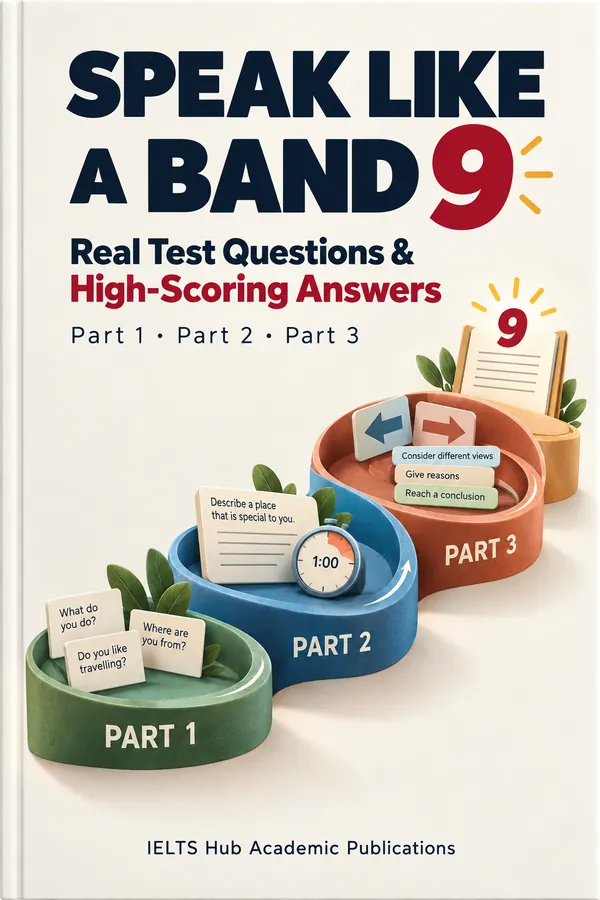
Speaking
Speak Like a Band 9
Real Test Questions & High-Scoring Answers
₹299$9.99CAD 13.99AUD 14.99£7.99NZD 16.99€8.99AED 39SGD 12.99

Speaking
Band 7+ Speaking Expressions
300 natural expressions for fluent, flexible speaking
₹199$6.99CAD 8.99AUD 9.99£4.99NZD 10.99€5.99AED 24SGD 8.99

Speaking
Speaking Tips for IELTS
Proven Strategies for Band 8.0+
₹299$9.99CAD 13.99AUD 14.99£7.99NZD 16.99€8.99AED 39SGD 12.99